Who Made The Oven A Complete Guide To Its History Today
The oven has a rich and surprising history that spans thousands of years. From ancient wood-fired clay ovens to today’s smart digital appliances, the question of who made the oven reveals a story of human innovation. This guide covers the inventors, manufacturers, and milestones that shaped the ovens we use in our kitchens today.
Have you ever wondered who made the oven and how it became one of the most essential tools in every kitchen? The story of the oven is far older and more fascinating than most people realize. Humans have been building and refining ovens for thousands of years, and the journey from a simple clay pit to a sleek countertop convection oven is truly remarkable.
In this complete guide, we will walk through the entire history of the oven. You will learn about the ancient inventors who first created cooking appliances, the industrial breakthroughs that changed everything, and the modern brands that dominate the market today. Whether you are a home cook or a curious foodie, this article will give you a whole new appreciation for the oven sitting in your kitchen right now.
The oven is more than just a box that gets hot. It is a piece of technology that has shaped how humanity prepares food, gathers around the table, and builds communities. Let us dive into the incredible story of who made the oven and why it matters.
Key Takeaways
- Ancient Origins: The earliest ovens date back over 5,000 years to ancient civilizations who used clay and fire for cooking.
- Industrial Revolution Impact: The 1800s brought major changes with gas and electric oven development that transformed home cooking.
- Modern Brands: Today, companies like LG, Samsung, Whirlpool, and Bosch lead the oven market with innovative features.
- Smart Technology: Modern ovens now include Wi-Fi connectivity, touchscreens, and voice control for effortless cooking.
- Safety Matters: Always follow safety guidelines, like never putting a pizza box in the oven, to prevent fires.
- Versatile Cooking: Ovens today can handle everything from roasting meats to baking delicate pastries like stuffed rouladen.
- Future Trends: Energy-efficient and sustainable oven designs are shaping the next generation of kitchen appliances.
📑 Table of Contents
Ancient Origins: The First Ovens Ever Made
The earliest known ovens were built by ancient civilizations thousands of years ago. These were not the fancy stainless steel appliances we know today. They were simple yet brilliant inventions made from clay, stone, and fire. People needed a way to cook food more evenly and efficiently than open flames allowed.
Ovens in Ancient Mesopotamia and Egypt
Archaeologists have found evidence of clay ovens in Mesopotamia dating back to around 3000 BC. These early cooking appliances were used to bake bread, roast meats, and prepare communal meals. The ancient Egyptians also developed their own versions of enclosed ovens, which helped them create the flatbreads that were a staple of their diet.
These first ovens were typically pit-style designs. A hole was dug in the ground, lined with clay or stones, and heated with firewood. Once the coals were hot, food was placed inside and covered. This basic concept is still the foundation of many traditional cooking methods used around the world today.
Roman and Greek Innovations
The Romans and Greeks took oven technology to the next level. They built large communal ovens called “fornaces” where entire neighborhoods would bake their bread. These structures were made from brick and mortar and featured chimney systems to control airflow and temperature.
The Romans also developed the first known wood-fired ovens that closely resemble what we use today for pizza and bread baking. In fact, if you love baking bread at home, you might enjoy learning how to cook stuffed rouladen in the oven, which uses modern oven techniques rooted in these ancient traditions. The Romans understood that controlling heat was the key to great cooking, and their designs influenced oven building for centuries.
Who Invented the Modern Oven
The transition from ancient clay pits to recognizable modern ovens happened gradually over several centuries. No single person can be credited with inventing the modern oven, but several key inventors and milestones shaped its evolution.
Early European Developments
During the Middle Ages, European households used large masonry ovens made from stone or brick. These ovens were built into the walls of homes and were heated by burning wood. Families would scrape out the ashes once the fire died down, and the retained heat would be used for baking and roasting.
In the 1700s, cast iron became a popular material for cooking. Cast iron stoves began to replace open hearths, and these early stoves included enclosed compartments that functioned much like modern ovens. This was a significant step forward in kitchen appliance design.
The Gas Oven Revolution
The real breakthrough came in the early 1800s with the invention of the gas oven. James Sharp, a British inventor, is often credited with patenting one of the first practical gas ovens in 1826. Gas ovens allowed cooks to control the temperature with a simple knob, which was a huge improvement over wood-fired designs.
By the late 1800s, gas ovens were becoming common in households across Europe and America. They were safer, more convenient, and provided more consistent heat than wood or coal alternatives. This innovation set the stage for the next major leap in oven technology: the electric oven.
The Birth of the Electric Oven
The first electric oven was introduced in the late 1800s, but it did not become widely available until the early 1900s. Thomas Ahearn, a Canadian inventor, is often cited as one of the pioneers of the electric oven. His design used electric heating elements instead of gas flames, making it safer and cleaner for indoor use.
By the 1930s, electric ovens were being mass-produced and marketed to homeowners. Companies like GE and Westinghouse played a major role in making electric ovens a standard fixture in American kitchens. The convenience of electric oven cooking quickly won over consumers who were tired of dealing with gas lines and wood smoke.
Major Oven Manufacturers Through History
Today, the oven market is dominated by a handful of major brands that have built their reputations on quality, innovation, and reliability. Let us take a closer look at the companies that make the ovens millions of people use every day.
Top Oven Brands Today
The modern oven industry is led by several global manufacturers. Here are some of the biggest names you will see on store shelves:
- Whirlpool: One of the oldest and most trusted names in home appliances, Whirlpool has been making ovens since the early 20th century.
- LG: Known for sleek designs and smart technology, LG has become a major player in the premium oven market.
- Samsung: Samsung offers a wide range of ovens, from budget-friendly models to high-end smart ovens with touchscreen controls.
- Bosch: A German engineering powerhouse, Bosch is famous for its precision and energy-efficient oven designs.
- Maytag: Another American classic, Maytag ovens are known for their durability and consistent performance.
- Electrolux: A Swedish brand with a long history of innovation in kitchen appliances and oven technology.
How to Choose the Right Oven Brand
When choosing an oven, consider your cooking habits, kitchen size, and budget. If you love baking, look for models with even heat distribution. If you prefer roasting, a convection oven with a fan is a great choice. For tech-savvy cooks, smart ovens with Wi-Fi and app controls offer a whole new level of convenience.
It is also worth checking whether the brand offers good warranty coverage and customer support. A reliable oven manufacturer will stand behind their products and help you if anything goes wrong.
How Ovens Have Evolved Over the Decades
The oven has come a long way from the clay pits of ancient civilizations. Each decade brought new improvements in design, materials, and functionality. Let us trace the evolution of this essential kitchen appliance.
From Wood to Gas to Electric
The progression from wood to gas to electric fuel sources was the biggest leap in oven history. Each new fuel type solved problems with the previous one. Wood was messy and hard to control. Gas was cleaner but required a supply line. Electric was the cleanest and safest option for most homes.
Today, many ovens are dual-fuel models that combine a gas cooktop with an electric oven. This gives cooks the best of both worlds: precise flame control on the stovetop and even, consistent heat in the oven.
The Rise of Convection Ovens
Convection ovens became popular in the 1970s and 1980s. These ovens use a fan to circulate hot air around the food, which cooks it faster and more evenly. If you want to try convection baking at home, you might also enjoy learning how to make a tandoori oven at home, which uses a similar principle of circulating superheated air for authentic results.
Convection technology has continued to improve. Modern convection ovens often include multiple heating elements and sensors that adjust the temperature automatically. This makes them incredibly versatile for everything from baking cookies to roasting a whole turkey.
Smart Ovens and Digital Controls
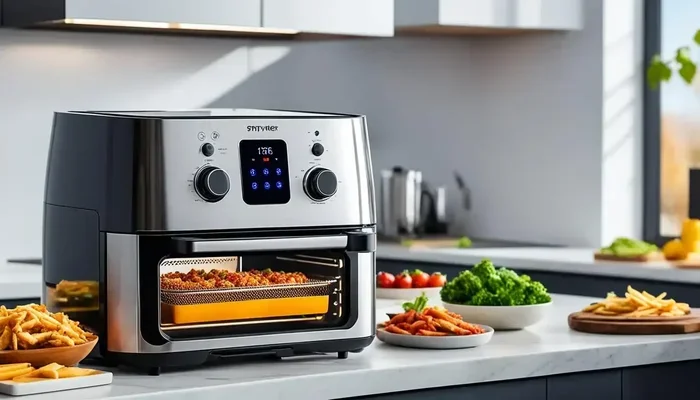
The latest trend in oven design is smart technology. Modern ovens can connect to your home Wi-Fi network, allowing you to control them from your smartphone. You can preheat the oven on your way home from work, monitor the temperature remotely, and even receive alerts when your food is done.
Some smart ovens come with built-in cameras so you can watch your food cook through an app. Others feature voice control compatibility with Alexa or Google Assistant. These innovations make cooking easier and more accessible for people of all skill levels.
Self-Cleaning and Energy Efficiency
Self-cleaning ovens were introduced in the 1960s and have become a standard feature on most mid-range and high-end models. These ovens use extremely high temperatures to burn off food residue, leaving the interior clean with minimal effort.
Energy efficiency has also become a major focus in recent years. Modern ovens are designed to use less electricity or gas while still delivering excellent cooking results. Look for ovens with an Energy Star rating if you want to save money on your utility bills and reduce your environmental footprint.
Common Oven Mistakes and How to Avoid Them
Even experienced cooks make mistakes when using their oven. Here are some common errors and how you can avoid them.
Never Put Cardboard or Pizza Boxes in the Oven
This is one of the most dangerous mistakes people make. Cardboard can catch fire at high temperatures, which can cause a serious kitchen fire. If you need to reheat pizza, transfer it to a baking sheet or oven-safe dish first. For more details on this topic, check out our guide on is it safe to put a pizza box in the oven.
Overcrowding the Oven
Stuffing too much food into the oven blocks airflow and leads to uneven cooking. Give your dishes enough space so that hot air can circulate freely around them. If you need to cook multiple dishes at once, try rotating them halfway through the cooking time.
Skipping Preheat
Many people skip preheating to save time, but this can seriously affect your cooking results. Preheating ensures that the oven reaches the correct temperature before your food goes in. This is especially important for baking, where precise temperature control is crucial.
The Future of Oven Technology
What does the future hold for the humble oven? The answer is exciting. Manufacturers are constantly pushing the boundaries of what a kitchen appliance can do.
One major trend is the development of steam ovens, which combine dry heat with steam for healthier cooking. Steam ovens help retain nutrients in food and produce juicier results. Another trend is the integration of artificial intelligence into oven systems, which can suggest cooking times and temperatures based on the type of food you are preparing.
Sustainability is also shaping the future of oven design. Companies are exploring ways to build ovens from recycled materials and to reduce energy consumption even further. As consumers become more environmentally conscious, the demand for green kitchen appliances will only continue to grow.
The story of who made the oven is still being written. Every year brings new innovations that make cooking easier, safer, and more enjoyable. From the ancient clay ovens of Mesopotamia to the smart ovens of today, the oven has been a constant companion in the human kitchen for thousands of years.
Conclusion
The oven is one of the most important inventions in the history of cooking. From the first clay pits dug by ancient civilizations to the smart, connected appliances in our kitchens today, the oven has evolved dramatically. Understanding who made the oven and how it has changed over the centuries gives us a deeper appreciation for this everyday tool.
Whether you bake bread, roast vegetables, or reheat last night’s dinner, your oven plays a vital role in your daily life. The brands and inventors who shaped its development deserve our recognition, and the future of oven technology promises even more exciting possibilities. Next time you preheat your oven, take a moment to think about the incredible journey this simple kitchen appliance has taken to get to your kitchen.
Frequently Asked Questions
Who is credited with inventing the first oven?
There is no single inventor credited with creating the first oven because ovens have been around for thousands of years. Ancient civilizations in Mesopotamia and Egypt built the earliest known clay ovens around 3000 BC for baking bread and cooking meals.
When was the modern gas oven invented?
The modern gas oven was patented by James Sharp in 1826 in England. His design allowed cooks to control the temperature with a knob, which was a major improvement over wood-fired and coal ovens used at the time.
What are the most popular oven brands today?
The most popular oven brands include Whirlpool, LG, Samsung, Bosch, Maytag, and Electrolux. Each brand offers different features, price points, and styles to suit various cooking needs and kitchen budgets.
Is it safe to use a self-cleaning oven?
Yes, self-cleaning ovens are safe when used according to the manufacturer’s instructions. They use very high temperatures to burn off food residue. However, it is important to ventilate your kitchen during the self-cleaning cycle and to keep pets and children away from the oven while it is running.
What is the difference between a conventional oven and a convection oven?
A conventional oven heats food using static heat from a bottom element, while a convection oven uses a fan to circulate hot air around the food. Convection ovens cook food faster and more evenly, making them a popular choice for baking and roasting.
Can you put a pizza box in the oven?
No, you should never put a pizza box in the oven. Cardboard can ignite at high temperatures and cause a fire. Always transfer pizza to a baking sheet, oven-safe dish, or pizza stone before reheating it in the oven.