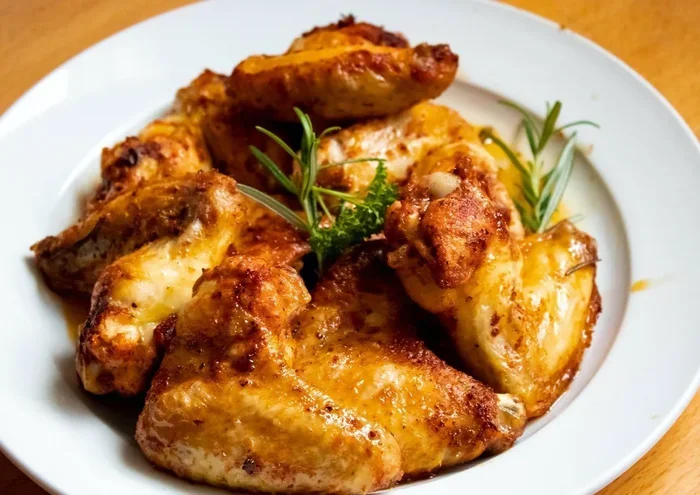
How To Roast Chicken Pieces In The Oven Like A Pro
Want to know how to roast chicken pieces in the oven perfectly? This guide shows you the simple steps to get crispy skin and juicy meat every time. You’ll learn the right temperature, seasoning, and timing for bone-in or boneless pieces.
There is something truly satisfying about how to roast chicken pieces in the oven. The kitchen fills with a warm, savory aroma. The chicken turns golden brown and crispy on the outside. Inside, it stays tender and juicy. Many people think roasting chicken is a task for fancy dinners. But it is actually one of the simplest weeknight meals you can make.
Once you learn the basic method, you can roast chicken pieces any night of the week. You do not need special equipment. A standard oven, a baking sheet, and a few simple ingredients are all you need. This guide will walk you through every step. You will discover how to choose the right pieces, how to season them, and how to get perfect timing. By the end, you will feel confident enough to make oven-roasted chicken whenever you want.
We will cover everything from prep work to serving ideas. You will also find quick tips and common mistakes to avoid. So grab your apron and let us get started. Your journey to crispy, flavorful chicken begins right here.
Key Takeaways
- Pat chicken dry: Moisture is the enemy of crispy skin.
- Season generously: Salt and pepper plus herbs make a difference.
- Use high heat: 425°F (220°C) for golden-brown perfection.
- Rest the chicken: Let it sit 5-10 minutes to lock in juices.
- Check internal temperature: 165°F (74°C) ensures safety.
- Line the baking sheet: Parchment paper makes cleanup easy.
- Experiment with flavors: Lemon, garlic, and rosemary elevate any batch.
📑 Table of Contents
How To Roast Chicken Pieces In The Oven For Perfect Results
The secret to great oven-baked chicken is a simple process. You do not need to fuss over it. Follow these basic steps and you will get consistent, delicious results every time.
Step-by-Step Method
- Preheat your oven to 425°F (220°C). This high heat is key for crispy skin.
- Pat the chicken pieces dry with paper towels. Remove excess moisture so the skin can crisp up.
- Season the chicken with salt, pepper, and your favorite herbs. Drizzle with olive oil and toss to coat.
- Arrange the pieces on a lined baking sheet. Leave space between each piece so air can circulate.
- Roast for 25 to 45 minutes depending on the size of the pieces. Check for doneness with a meat thermometer.
- Let the chicken rest for 5 to 10 minutes before serving. This helps the juices redistribute.
Quick Tip: The 30-Minute Rule
Take the chicken out of the fridge about 30 minutes before cooking. Cold chicken roasts unevenly. Bringing it closer to room temperature helps it cook more consistently.
Common Mistake: Skipping the Dry Step
Many people rush past drying the chicken. This is the single biggest mistake you can make. Wet skin steams instead of crisping. Always pat the pieces thoroughly with paper towels before seasoning.
Expert Insight: The Power of a Meat Thermometer
A meat thermometer takes the guesswork out of roasting. Insert it into the thickest part of the piece, avoiding bone. When it reads 165°F (74°C), the chicken is safe to eat. This tool ensures juicy chicken every single time.
Choosing the Right Chicken Pieces
Not all chicken pieces roast the same way. The cut you choose affects cooking time and texture. Here is a look at the most popular options for how to roast chicken pieces in the oven.
| Chicken Piece | Bone-In or Boneless | Approx. Cook Time | Best For |
|---|---|---|---|
| Thighs | Bone-in or boneless | 30–40 minutes | Rich flavor, tender meat |
| Drumsticks | Bone-in | 35–45 minutes | Crispy skin, kid-friendly |
| Wings | Bone-in | 25–35 minutes | Appetizers, quick snacks |
| Breasts | Boneless or bone-in | 20–30 minutes | Lean protein, faster cooking |
| Quarter pieces | Bone-in | 40–50 minutes | Whole leg and thigh combo |
Bone-In vs. Boneless: Which Is Better?
Bone-in pieces generally have more flavor. The bone slows cooking slightly, which helps the meat stay moist. Bone-in chicken pieces also give you crispy skin that is harder to achieve with boneless cuts. Boneless chicken breasts cook faster but can dry out if you overcook them. For beginners, bone-in thighs and drumsticks are the most forgiving choice.
Quick Tip: Mix and Match
Do not be afraid to mix pieces on one baking sheet. Thighs and drumsticks roast at a similar rate. Just cut larger pieces down if needed so everything finishes at the same time.
Key Takeaways
- Bone-in pieces give more flavor and crispier skin.
- Boneless breasts cook faster but need careful timing.
- Thighs and drumsticks are the most forgiving cuts.
- Mix pieces that have similar cooking times.
Essential Prep Work: Drying and Seasoning
Great seasoning is what transforms simple chicken into something memorable. The prep work you do before the chicken hits the oven makes a huge difference. This is where you build flavor and set the stage for crispy skin.
How to Dry the Chicken Properly
Place the chicken pieces on a clean kitchen towel or paper towels. Pat them firmly on all sides. You want the surface to feel completely dry. This step removes surface moisture that would otherwise steam the skin. Dry skin = crispy skin. It is that simple.
Building a Simple Seasoning Blend
A classic blend works beautifully for oven-roasted chicken. Use these basics:
- Salt (kosher salt works best)
- Black pepper
- Garlic powder or fresh minced garlic
- Smoked paprika for depth
- Dried herbs like thyme or rosemary
Toss the chicken with a little olive oil first. This helps the seasoning stick. Then sprinkle your blend generously over every piece. Do not be shy with the salt. It enhances the natural flavor of the chicken.
Quick Tip: Make a Garlic-Herb Paste
Mix minced garlic, chopped fresh rosemary, olive oil, and a pinch of salt into a paste. Rub it all over the chicken pieces. This creates a flavorful crust that turns golden in the oven. It is an easy way to elevate your flavorful chicken without extra effort.
Common Mistake: Underseasoning
People often fear too much salt. But chicken needs a good amount of seasoning before roasting. The salt draws out moisture initially, then gets reabsorbed. This process seasons the meat deeply. Taste your seasoning mix on a small piece before cooking. Adjust until it tastes right to you.
Expert Insight: Salt Early for Better Flavor
For the best results, salt the chicken at least 30 minutes before cooking, or even overnight in the fridge. This allows the salt to penetrate deeper into the meat. The result is more seasoned, tender chicken from edge to center.
Oven Temperature and Timing
Getting the oven temperature right is crucial for how to roast chicken pieces in the oven. Too low and the skin turns rubbery. Too high and the outside burns before the inside cooks through. The sweet spot for most pieces is 425°F (220°C).
Why High Heat Works
High heat quickly renders the fat under the skin. It creates steam that helps the meat stay juicy while the surface browns. This high-heat roasting method gives you golden brown chicken in a shorter time. It also crisps the skin beautifully.
Adjusting for Different Cuts
While 425°F is a great default, you can adjust slightly:
- Bone-in thighs and drumsticks: 425°F for 35–45 minutes.
- Wings: 425°F for 25–35 minutes.
- Boneless breasts: 425°F for 20–25 minutes.
- Bone-in breasts: 400°F for 30–35 minutes to prevent drying.
These times can vary based on the size of your pieces. Always rely on the internal temperature rather than the clock alone.
Quick Tip: Use a Wire Rack
Place a wire rack over your baking sheet before adding the chicken. Hot air circulates underneath, cooking the bottom evenly. The skin on the bottom stays crispy instead of getting soggy from sitting in juices. This small upgrade makes a big difference.
Common Mistake: Overcrowding the Pan
Do not squeeze all the pieces onto one sheet pan. Overcrowding traps steam and prevents crisping. Use two baking sheets if needed. The chicken should have at least an inch of space around each piece. This ensures even cooking time and that beautiful crispy chicken skin you are aiming for.
Expert Insight: The Resting Period Matters
Once the chicken comes out of the oven, resist the urge to cut into it right away. Let it rest on the pan for 5 to 10 minutes. The juices inside the meat will redistribute. If you cut too soon, those juices run out onto the cutting board instead of staying in the chicken. Resting gives you juicy, tender chicken every time.
Achieving Crispy Skin and Juicy Meat
The ultimate goal of how to roast chicken pieces in the oven is that perfect contrast. You want a crackling, golden exterior and a moist, tender interior. A few extra steps can help you achieve this consistently.
How to Get Extra Crispy Skin
Start with dry skin, as we covered. But there is more you can do. Rub a thin layer of oil or butter over the skin before seasoning. This helps conduct heat evenly. Another trick is to bake the chicken on the top oven rack. The top element is closer, which promotes browning and crisping.
The Broiler Finish
If your chicken is cooked through but the skin is not crispy enough, turn on the broiler for the last 2–3 minutes. Watch it closely. The broiler can go from perfectly crispy to burnt in seconds. This quick finish adds a beautiful golden brown color and a satisfying crunch.
Quick Tip: Baste for Extra Flavor
About halfway through cooking, open the oven and spoon the hot pan juices over the chicken pieces. This is called basting. It adds flavor and helps the skin brown evenly. For an extra touch, add a little melted butter to the juices before basting.
Common Mistake: Cutting Into the Chicken Too Soon
We mentioned resting, but it is worth repeating. Cutting into a piece to check if it is done releases all those precious juices. Trust your meat thermometer. If it reads 165°F (74°C), the chicken is done. Let it rest and you will be rewarded with juicy meat that stays moist.
Expert Insight: The Role of Pan Drippings
Do not throw away the pan drippings after roasting. These are pure flavor gold. You can make a quick pan sauce by deglazing the baking sheet with a splash of chicken broth or white wine. Scrape up the browned bits. Simmer for a few minutes and you have a delicious sauce to drizzle over your oven-roasted chicken. It takes just 5 minutes and elevates the whole dish.
Serving Ideas and Leftover Tips
Roasted chicken pieces are incredibly versatile. They make a great centerpiece for a weeknight dinner. They also work wonderfully in lunches and quick meals the next day. Here are some ideas to make the most of your oven-baked chicken.
Serving Suggestions
- Roasted vegetables: Toss carrots, potatoes, or Brussels sprouts on the same baking sheet. They soak up the chicken juices and turn crispy.
- Salads: Slice the chicken and toss it over a fresh green salad with lemon vinaigrette.
- Sandwiches: Pile the chicken onto a crusty roll with arugula and a touch of mayo.
- Grain bowls: Serve over quinoa or rice with avocado and a drizzle of tahini.
- Pasta: Toss chopped chicken with cooked pasta, olive oil, garlic, and parmesan.
Quick Tip: Freezing Cooked Chicken
Have leftovers? Let the chicken cool completely, then store it in an airtight container in the freezer. Cooked chicken pieces keep well for up to 3 months. Reheat gently in the oven at 350°F to keep the skin from getting too soft. The microwave works in a pinch but can dry out the meat.
Key Takeaways
- Roasted vegetables cook alongside the chicken for a complete meal.
- Leftover chicken shines in salads and sandwiches.
- Freeze cooked chicken for easy future meals.
- Pan drippings can become a quick, flavorful sauce.
Conclusion
Learning how to roast chicken pieces in the oven is one of the most useful skills you can build in the kitchen. It is simple, forgiving, and delivers incredible results. You now know how to choose the right pieces, dry and season them properly, set the right oven temperature, and achieve that perfect balance of crispy skin and juicy meat. Remember to pat the chicken dry, season generously, and give it time to rest after roasting.
With a little practice, you will be able to make crispy roasted chicken without even thinking about it. The flavorful chicken will become a regular on your dinner table. So the next time you wonder what to cook, remember these steps. Preheat the oven, line a baking sheet, and let the oven-roasted chicken work its magic. You will be glad you did.
Frequently Asked Questions
What is the best temperature to roast chicken pieces in the oven?
The ideal oven temperature is 425°F (220°C). This high heat crisps the skin quickly while cooking the meat through. Boneless breasts can handle this temperature well. Bone-in pieces also roast beautifully at this heat, giving you golden brown chicken in 25 to 45 minutes depending on the cut.
How long does it take to roast chicken pieces in the oven?
Cooking time depends on the size and type of the pieces. Bone-in thighs and drumsticks take about 35–45 minutes. Wings cook in 25–35 minutes. Boneless breasts need only 20–25 minutes. Always use a meat thermometer to confirm the internal temperature reaches 165°F (74°C). This ensures safe and juicy oven-baked chicken every time.
Should I cover chicken with foil when roasting?
Generally, no. Leaving the chicken uncovered allows the skin to crisp up. Covering it traps steam and makes the skin soggy. If you find the pieces browning too quickly, you can loosely tent the pan with foil for the last 10 minutes. This prevents burning while still letting the skin stay mostly crispy for great crispy chicken skin.
Can I use frozen chicken pieces for roasting?
It is best to thaw chicken pieces before roasting. Frozen chicken cooks unevenly, with the outside overcooking while the inside remains underdone. If you must cook from frozen, increase the cooking time by about 50 percent and use a meat thermometer to check for doneness. Thawing overnight in the fridge is the safest and most reliable method.
What is the secret to crispy chicken skin?
The secret is drying the skin thoroughly before cooking. Pat the pieces with paper towels until no moisture remains. Then season and let them sit uncovered in the fridge for an hour or overnight. This further dries the surface. High heat at 425°F also helps. A wire rack on the baking sheet allows air to circulate underneath, giving you that satisfying crunch on all sides.
How do I know when roasted chicken pieces are done?
The most reliable way is to use a meat thermometer. Insert it into the thickest part of the piece, avoiding the bone. When it reads 165°F (74°C), the chicken is safe to eat. The juices should run clear, not pink. The meat should feel firm but still springy. Let it rest for a few minutes before cutting to keep it juicy and tender.