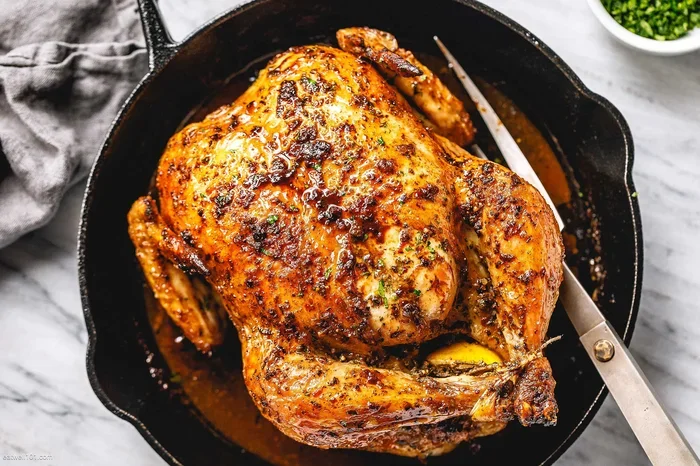
How Long To Cook Chicken At 300 In The Oven Perfectly
Learning how long to cook chicken at 300 in oven is the key to juicy, tender meat every single time. This low-temperature method works great for whole chicken, breasts, and thighs. Most cuts take between 1.5 to 3.5 hours depending on size and bone-in status. Always use a meat thermometer to hit the safe internal temperature of 165°F. Follow our guide and say goodbye to dry, overcooked chicken forever.
Have you ever wondered how long to cook chicken at 300 in oven? It is a question many home cooks ask. The answer is not as simple as you might think. Several factors change the cooking time. The cut of chicken matters a lot. Bone-in pieces need more time than boneless ones. A whole chicken takes the longest. But here is the good news. Cooking at 300 degrees is one of the best ways to get juicy, flavorful chicken every time.
This guide covers everything you need to know. We will break down the times for every type of chicken cut. You will learn why low and slow works so well. We will also share tips to avoid common mistakes. By the end, you will feel confident cooking chicken at 300°F like a pro. Let us dive in.
Key Takeaways
- Low and slow wins: Cooking chicken at 300°F keeps it moist and tender.
- Time varies by cut: Whole chickens take 2.5 to 3.5 hours, while breasts take 1.5 to 2 hours.
- Always use a meat thermometer: 165°F is the safe internal temperature for all chicken.
- Bone-in takes longer: Expect 30 to 60 extra minutes compared to boneless cuts.
- Rest your chicken: Let it sit for 10 to 15 minutes after cooking for juicier results.
- Season generously: A good rub or marinade makes a big difference in flavor.
- Avoid opening the oven door: It drops the temperature and adds cooking time.
📑 Table of Contents
- Why Cook Chicken at 300°F?
- How Long To Cook Chicken At 300 In Oven by Cut
- Factors That Affect Cooking Time
- Best Chicken Recipes for 300°F Oven Cooking
- Common Mistakes to Avoid
- Quick Tips for Perfect Chicken Every Time
- Comparison Table: Chicken Cut vs. Cooking Time at 300°F
- Food Safety Tips for Cooking Chicken at 300°F
- Expert Insights on Low-Temperature Chicken Cooking
- How to Store and Reheat Leftover Chicken
- Conclusion
Why Cook Chicken at 300°F?
Cooking chicken at 300°F is called low-temperature roasting. It is also known as slow-roasting. This method has many benefits. First, it keeps the chicken very moist. The low heat lets the juices stay inside the meat. Second, it makes the chicken incredibly tender. The slow cooking breaks down connective tissue gently. Third, it gives you more flexibility. You do not have to watch the oven as closely. Here are some more reasons to try this method:
- Even cooking: The low heat cooks the chicken more evenly. No more dry edges with raw centers.
- Better flavor: Slow roasting lets seasonings soak deep into the meat.
- Harder to overcook: The wide temperature margin means less risk of drying out.
- Hands-off cooking: You can prep other dishes while the chicken roasts.
- Great for meal prep: This method works well for batch cooking and leftovers.
The Science Behind Low-Temperature Roasting
When you cook chicken at high heat, the outside cooks fast. This can dry out the meat before the inside is done. At 300°F, the heat spreads slowly and evenly. The proteins in the chicken unwind gently. This keeps the meat soft and juicy. Collagen in the connective tissue turns into gelatin. That is what makes the chicken feel so tender. It is basically a science-backed way to cook better chicken.
Many professional chefs use this method. They know that low-temperature chicken cooking produces superior results. You do not need to be a pro to try it. Your home oven can do this easily.
How Long To Cook Chicken At 300 In Oven by Cut
This is the section most people care about. The cooking time depends on what kind of chicken you are making. Below we break it down by cut. These times are for a standard home oven preheated to 300°F.
Whole Chicken at 300°F
A whole chicken is the star of oven-baked chicken recipes. How long to cook chicken at 300 in oven for a whole bird? A 3 to 4 pound whole chicken typically needs about 2.5 to 3 hours. Larger birds over 5 pounds can take up to 3.5 hours. Here are the key factors:
- Weight: Heavier chickens need more time. A 4-pounder is a sweet spot for most ovens.
- Bone-in vs. butterflied: A bone-in whole chicken takes longer than a butterflied one.
- Starting temperature: Chicken straight from the fridge takes longer than room-temperature chicken.
- Oven accuracy: Every oven is slightly different. Use an oven thermometer if you can.
The best way to check doneness is with a meat thermometer. Insert it into the thickest part of the thigh. The reading should be 165°F. The juices should run clear, not pink.
Bone-In Chicken Thighs and Drumsticks
Bone-in pieces are very forgiving at 300°F. How long to cook chicken at 300 in oven when using thighs and drumsticks? These cuts take about 1.5 to 2 hours. The bone slows down the cooking process. But it also adds more flavor. Here is what to expect:
- Small thighs: About 1.5 hours for pieces under 6 ounces.
- Large thighs: 2 to 2.5 hours for pieces over 8 ounces.
- Drumsticks: Similar to thighs, around 1.5 to 2 hours.
- Mixed pieces: Cook for 2 hours and check the thickest piece.
Bone-in chicken thighs are perfect for slow roasting. The meat almost falls off the bone at this temperature. They are great for family dinners and meal prep.
Boneless Chicken Breasts
Boneless, skinless chicken breasts are the most popular cut. They are also the easiest to overcook. How long to cook chicken at 300 in oven for breasts? Boneless breasts take about 1.5 to 2 hours. The exact time depends on thickness. A thin breast (less than 1 inch) may be done in 1 hour. A thick breast (over 1.5 inches) can take up to 2.5 hours.
- Thin breasts: 1 to 1.5 hours
- Medium breasts: 1.5 to 2 hours
- Thick breasts: 2 to 2.5 hours
One big advantage of cooking breasts at 300°F is that they stay juicier. High heat dries out breasts quickly. Low heat gives you more room for error. This is why many people prefer this method for chicken breast recipes.
Chicken Wings at 300°F
Chicken wings are a crowd favorite. At 300°F, wings take about 1 to 1.5 hours. This low temperature renders the fat beautifully. The skin gets crispy without burning. The meat stays tender and juicy. Here are some quick tips:
- Space wings out on the baking sheet. Do not crowd them.
- Flip them halfway through for even crisping.
- For extra crispy skin, increase the heat to 400°F for the last 10 minutes.
Factors That Affect Cooking Time
Knowing how long to cook chicken at 300 in oven is just the start. Several factors can change the actual time. Understanding these helps you adjust and get perfect results every time.
Oven Type and Accuracy
Not all ovens heat the same way. Convection ovens circulate hot air. They cook faster and more evenly. A standard conventional oven may have hot spots. Gas ovens and electric ovens also behave differently. If you have a convection oven, reduce the cooking time by about 15 to 20 percent. Always trust a meat thermometer over the clock.
Chicken Size and Thickness
Size matters a lot. A thin chicken breast cooks much faster than a thick one. A small whole chicken finishes quicker than a large one. Here are some general guidelines:
- Pound for pound: Expect about 45 to 60 minutes per pound for whole chicken.
- Thickness rule: Add 10 minutes per half-inch of thickness for boneless cuts.
- Frozen chicken: Never cook frozen chicken at 300°F. Thaw it first for even cooking and food safety.
Starting Temperature of the Chicken
Chicken straight from the refrigerator takes longer to cook. Room-temperature chicken cooks more evenly. Take your chicken out about 20 to 30 minutes before cooking. This small step can save you 15 to 20 minutes of cooking time. It also helps the chicken cook more evenly from edge to center.
Pan Type and Rack Position
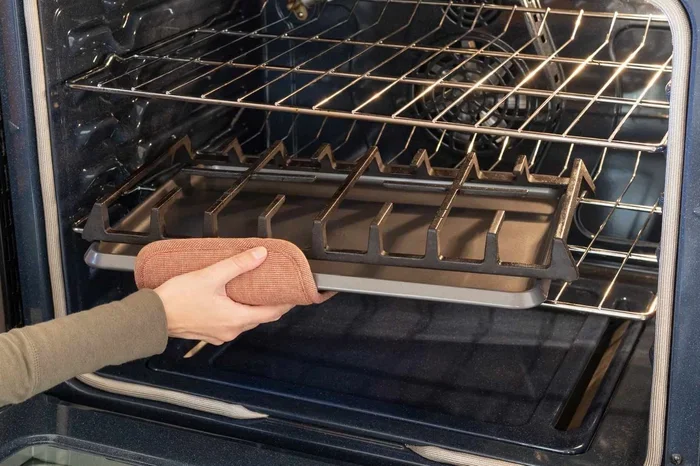
What you cook the chicken on matters too. A dark baking pan absorbs more heat. It can cook the bottom faster. A light-colored pan distributes heat more gently. A wire rack elevates the chicken and allows air to circulate. This promotes even browning and cooking. Place the rack in the center of the oven for best results.
Best Chicken Recipes for 300°F Oven Cooking
Now that you know the times, let us talk about recipes. Cooking chicken at 300°F works beautifully with many different flavor profiles. Here are some of the best approaches.
Simple Herb-Roasted Chicken
This is the easiest and most classic method. Rub the chicken with olive oil, garlic, rosemary, thyme, salt, and pepper. Place it in a roasting pan and cook at 300°F. The herbs infuse the meat beautifully. This method works for whole chicken, thighs, and breasts alike.
Lemon Butter Chicken Breast
For boneless chicken breasts, a lemon butter sauce adds amazing flavor. Melt butter with lemon juice, garlic, and a pinch of salt. Pour it over the breasts before roasting. The low heat keeps the chicken juicy while the sauce adds a bright, fresh taste.
BBQ Chicken Thighs
Bone-in thighs are perfect for BBQ flavor. Brush them with your favorite BBQ sauce before cooking. The low temperature lets the sauce caramelize slowly. It does not burn or turn sticky. This is one of the most popular chicken recipes for the 300°F method.
Asian-Inspired Ginger Chicken
Mix soy sauce, ginger, garlic, sesame oil, and a touch of honey. Marinate the chicken for at least 2 hours. Then roast at 300°F. The marinade creates a beautiful glaze as it cooks. This works great with both thighs and breasts.
Common Mistakes to Avoid
Even with a great recipe, mistakes can happen. Here are the most common ones people make when cooking chicken at 300°F.
Not Using a Meat Thermometer
This is the number one mistake. Many people rely on time alone. But every oven is different. The only way to know for sure is with a thermometer. Insert it into the thickest part of the chicken. Avoid touching bone. Bone reads hotter than the surrounding meat. A digital instant-read thermometer gives you the most accurate results.
Skipping the Resting Period
Resting is just as important as cooking. When you take the chicken out, let it sit for 10 to 15 minutes. The juices redistribute throughout the meat. If you cut into it right away, the juices run out. The chicken ends up drier than it should be. Cover it loosely with foil while it rests.
Overcrowding the Pan
Crowding the pan blocks airflow. This leads to uneven cooking and soggy skin. Give each piece enough space. Use two pans if you need to. The extra dish is worth it for better results.
Opening the Oven Door Too Often
Every time you open the oven door, the temperature drops. This adds cooking time and can dry out the chicken. Resist the urge to peek. Check the chicken only when you need to measure the temperature. Trust the process and let the oven do its job.
Not Seasoning Enough
Low and slow cooking needs bold seasoning. The long cook time can mute flavors if you are too gentle. Salt the chicken generously. Use spices and herbs without hesitation. A dry rub applied the night before works even better. It gives the flavors time to penetrate deep into the meat.
Quick Tips for Perfect Chicken Every Time
Want to level up your oven-baked chicken game? These quick tips make a huge difference.
- Brine for extra juiciness: Soak chicken in salt water for 2 to 4 hours before cooking. This is a game changer for lean cuts like breasts.
- Pound chicken breasts evenly: This ensures uniform cooking. No more thin edges and thick centers.
- Use a wire rack: It promotes air circulation and even browning on all sides.
- Let chicken come to room temperature: About 20 to 30 minutes out of the fridge helps it cook evenly.
- Baste halfway through: Spoon the pan juices over the chicken for extra moisture and flavor.
- Rest before cutting: Always give your chicken 10 to 15 minutes of rest time after cooking.
- Store leftovers properly: Refrigerate cooked chicken within 2 hours. It keeps for up to 4 days in the fridge.
Comparison Table: Chicken Cut vs. Cooking Time at 300°F
| Chicken Cut | Approximate Weight | Cooking Time at 300°F | Internal Temp Target |
|---|---|---|---|
| Whole Chicken | 3 to 4 lbs | 2.5 to 3 hours | 165°F in the thigh |
| Bone-In Thighs | 6 to 8 oz each | 1.5 to 2.5 hours | 165°F in the thickest part |
| Bone-In Drumsticks | 4 to 6 oz each | 1.5 to 2 hours | 165°F in the thickest part |
| Boneless Chicken Breast | 6 to 8 oz each | 1.5 to 2.5 hours | 165°F at center |
| Chicken Wings | 2 to 3 oz each | 1 to 1.5 hours | 165°F in the meatiest part |
| Butterflied Whole Chicken | 3 to 4 lbs | 1.5 to 2.5 hours | 165°F in the thigh |
Use this table as a general guide. Always confirm doneness with a meat thermometer. The times above are estimates based on average-sized chicken pieces cooked in a standard home oven.
Food Safety Tips for Cooking Chicken at 300°F
Safety should always come first when handling raw chicken. Here are essential food safety tips to follow.
- Wash hands thoroughly: Always wash your hands with soap and water after handling raw chicken. Do not rinse the chicken under water. Splashing water can spread bacteria to other surfaces.
- Use separate cutting boards: Keep raw chicken away from other foods. Use a dedicated cutting board for raw poultry.
- Check the internal temperature: 165°F is the minimum safe temperature for all chicken cuts. This applies to breasts, thighs, wings, and whole chicken.
- Do not leave chicken out: Do not leave raw chicken at room temperature for more than 2 hours. In hot weather (above 90°F), reduce this to 1 hour.
- Store leftovers safely: Refrigerate cooked chicken within 2 hours of cooking. Use within 4 days or freeze for longer storage.
- Reheat properly: When reheating leftover chicken, make sure it reaches 165°F throughout.
Following these simple steps keeps your kitchen safe and your chicken delicious. Cooking chicken at 300°F is a great method, but safety always comes first.
Expert Insights on Low-Temperature Chicken Cooking
Many professional cooks swear by the 300°F method. Chef Michael Ruhlman once noted that low-temperature cooking transforms ordinary chicken into something extraordinary. The key is patience. You cannot rush the process. The low heat does the work for you.
Food scientist Harold McGee explains that proteins in chicken denature slowly at lower temperatures. This means the muscle fibers stay tender and do not squeeze out moisture as aggressively. The result is juicier meat with less shrinkage. This is why low-temperature chicken cooking has become so popular among home cooks and professionals alike.
Another expert tip is to bring the chicken closer to room temperature before cooking. This reduces the time the chicken spends in the danger zone (40°F to 140°F) where bacteria can grow. It also promotes more even cooking throughout the piece.
Many cooking schools now teach the 300°F method as a foundational technique. It is forgiving, reliable, and produces consistently great results. Whether you are a beginner or an experienced cook, mastering this technique will level up your chicken dishes.
How to Store and Reheat Leftover Chicken
Leftover chicken is one of the best parts of meal prep. Here is how to handle it properly.
Storing Cooked Chicken
Let the chicken cool to room temperature within 2 hours. Place it in an airtight container. Refrigerate for up to 4 days. For longer storage, freeze the chicken in airtight bags. It keeps well for up to 3 months in the freezer.
Reheating Without Drying It Out
Reheating is where many people go wrong. The microwave can make chicken rubbery. Instead, try these methods:
- Oven method: Place chicken in a baking dish. Cover with foil. Heat at 300°F for 15 to 20 minutes. This keeps it moist.
- Stovetop method: Warm chicken in a skillet with a splash of broth. Cover and heat on low for 5 to 8 minutes.
- Steaming: Place chicken in a steamer basket over simmering water. Cover and heat for 5 to 10 minutes.
Always check that reheated chicken reaches 165°F internally. This is the safest way to enjoy your leftovers.
Conclusion
Cooking chicken at 300°F is one of the simplest and most reliable methods you can use. Now you know exactly how long to cook chicken at 300 in oven for every cut. Whole chickens need 2.5 to 3.5 hours. Bone-in thighs and drumsticks take 1.5 to 2.5 hours. Boneless breasts cook in 1.5 to 2.5 hours. Wings need just 1 to 1.5 hours.
The low and slow approach gives you juicy, tender, flavorful chicken every time. It is forgiving, easy, and produces restaurant-quality results at home. Use a meat thermometer, season generously, and let the chicken rest before cutting. Avoid the common mistakes we covered, and you will never serve dry chicken again.
Try this method for your next dinner. You will be amazed at the difference. Happy cooking, and enjoy every bite of your perfectly roasted chicken.
Frequently Asked Questions
Can I cook chicken at 300°F from frozen?
It is not recommended to cook frozen chicken at 300°F. The outside will cook unevenly while the inside remains frozen. Always thaw chicken in the refrigerator before cooking. This ensures even cooking and food safety. Plan ahead and take the chicken out the night before.
How do I know when chicken at 300°F is done?
The only reliable way to check is with a meat thermometer. Insert it into the thickest part of the chicken without touching bone. The internal temperature should read 165°F. The juices should run clear, not pink. If you do not have a thermometer, cut into the thickest part and check for any pinkness.
Is 300°F too low for chicken?
No, 300°F is actually an excellent temperature for chicken. It cooks the meat slowly and evenly. This keeps it juicy and tender. The low heat prevents the outside from drying out before the inside is cooked. Many professional chefs prefer this temperature for roasting chicken.
How long does it take to cook a 5-pound whole chicken at 300°F?
A 5-pound whole chicken typically takes about 3 to 3.5 hours at 300°F. The exact time depends on your oven and whether the chicken is stuffed or unstuffed. Always use a meat thermometer to confirm the internal temperature reaches 165°F in the thigh.
Should I cover chicken with foil when cooking at 300°F?
It depends on your preference. Covering with foil keeps more moisture in and cooks the chicken faster. Leaving it uncovered allows the skin to crisp up. For the best of both worlds, cover for the first half of cooking and uncover for the second half.
Can I use a roasting bag for chicken at 300°F?
Yes, roasting bags work well at 300°F. They trap moisture and heat, cooking the chicken faster and keeping it very juicy. Follow the bag manufacturer’s instructions for temperature and time. You may need to reduce the cooking time by about 15 to 20 percent compared to open roasting.