Is All Porcelain Oven Safe Here Is What You Need To Know
Not every piece of porcelain can go in the oven. Some porcelain dishes are designed for high heat, while others can crack or even shatter. In this guide, you will learn how to identify oven-safe porcelain, understand temperature limits, and avoid common mistakes that ruin your cookware.
You pull out a beautiful porcelain dish from the cabinet. It looks elegant. It feels sturdy. You want to use it for a casserole or a baked dessert. But then a question hits you. Is all porcelain oven safe? The short answer is no. Not every piece of porcelain can handle the heat of an oven. Some can crack, some can shatter, and some can even release harmful chemicals when exposed to high temperatures. But here is the good news. With a little knowledge, you can easily tell which porcelain dishes are safe and which are not.
This guide breaks everything down in simple terms. You will learn what makes porcelain oven safe, how to read the markings on your dishes, and what common mistakes to avoid. Whether you are a beginner in the kitchen or a seasoned home cook, this article will help you use your porcelain bakeware with confidence.
Key Takeaways
- Not all porcelain is oven safe: Check for labels, markings, and manufacturer guidelines before placing any porcelain in the oven.
- Look for oven-safe symbols: A fork and fork-like icon or a temperature number on the bottom of the dish tells you it is safe.
- Thermal shock is the biggest enemy: Sudden temperature changes cause porcelain to crack, so always preheat gradually.
- Glazed porcelain is generally safer: A quality glaze protects the surface and helps the dish handle heat better.
- Know your temperature limits: Most oven-safe porcelain handles up to 350-500°F, but always verify with the manufacturer.
- Avoid decorative porcelain in the oven: Pieces with gold or silver trim, hand-painted designs, or metallic accents should stay out.
- Porcelain bakeware is a great kitchen tool: When used correctly, it distributes heat evenly and looks beautiful on the table.
📑 Table of Contents
- What Is Porcelain and Why Does It Matter for Oven Use?
- How to Tell If Your Porcelain Is Oven Safe
- Temperature Limits for Porcelain in the Oven
- Common Mistakes That Damage Porcelain in the Oven
- Benefits of Using Oven-Safe Porcelain
- Porcelain Bakeware vs Other Oven-Safe Materials
- Expert Insights on Porcelain Oven Safety
- Can You Put Porcelain in the Microwave and Oven?
- How to Care for Your Oven-Safe Porcelain
- The Bottom Line: Is All Porcelain Oven Safe?
What Is Porcelain and Why Does It Matter for Oven Use?
Porcelain is a type of ceramic. It is made from fine clay that is fired at very high temperatures. This process makes it dense, hard, and less porous than other ceramics. People love porcelain for its smooth finish, its elegant look, and its durability. You find porcelain in mugs, plates, bowls, and specialized bakeware.
But not all porcelain is created equal. Some porcelain is designed for cooking and baking. Other porcelain is made purely for decoration or everyday serving. Understanding the difference is the first step toward keeping your kitchen safe and your dishes in good shape.
How Porcelain Is Made
The manufacturing process matters a lot. Porcelain that is meant for oven use goes through a firing process that makes it heat resistant porcelain. The clay is packed tightly and fired at temperatures above 2,000°F. This creates a strong material that can handle the heat of an oven without cracking.
On the other hand, decorative porcelain may not go through the same process. It might have thin walls, fragile glazes, or decorative elements that cannot handle high heat. This is why you should never assume that every piece of porcelain ceramic in your kitchen is oven proof porcelain.
Porcelain vs Ceramic: What Is the Difference?
People often use the words porcelain and ceramic interchangeably. But they are not exactly the same. All porcelain is ceramic, but not all ceramic is porcelain. Porcelain is a specific type of ceramic that is fired at higher temperatures. It is denser and less absorbent. When it comes to oven use, porcelain generally performs better than standard ceramic because it can handle higher temperatures and is less likely to absorb moisture.
However, the key factor is not just the material. It is how the specific piece was made and what it was designed for. Always check the manufacturer’s guidelines before putting any ceramic or porcelain item in the oven.
How to Tell If Your Porcelain Is Oven Safe
This is the most important section of the article. Knowing how to read the clues on your porcelain dish can save you from a broken dish or a kitchen accident. Here is exactly what to look for.
Check the Bottom of the Dish
Flip your porcelain dish over. Look at the bottom. Most manufacturers put a label or marking there. You might see words like “oven safe,” “ovenproof,” or “heat resistant.” Some dishes have a temperature number printed on them. This number tells you the maximum heat the dish can handle. Common numbers include 350°F, 450°F, or 500°F.
If you see a symbol that looks like a fork crossed over a set of waves or a little oven icon, that usually means the dish is oven safe porcelain. These symbols are standard across many brands.
Look for the Microwave and Oven Symbol
Many modern porcelain dishes have a combined microwave and oven symbol. It looks like a set of wavy lines inside a square with a small oven icon. If you see this, your dish is designed to handle both microwave and oven use. This is a strong indicator that the porcelain bakeware is built for cooking.
When There Are No Markings
What if your beautiful antique porcelain has no markings at all? This is common with older or hand-painted pieces. In this case, you should play it safe. Assume it is not oven safe unless you can confirm otherwise. Antique porcelain was often made for display, not for cooking. The glazes used in older pieces may not be food safe at high temperatures.
When in doubt, do not put it in the oven. Use a different dish that you know is safe. There are plenty of affordable porcelain baking dishes on the market that are designed for oven use.
Temperature Limits for Porcelain in the Oven
Every piece of oven-safe porcelain has a temperature limit. Going beyond that limit can cause the dish to crack, chip, or even explode inside your oven. Understanding these limits is essential for safe cooking.
Typical Temperature Ranges
Most high-quality oven-safe porcelain can handle temperatures between 350°F and 500°F. Some premium brands go even higher. But standard everyday porcelain dishes are usually rated for around 350°F to 450°F. Here is a quick breakdown.
- Standard porcelain bakeware: Safe up to 350°F to 450°F
- High-fire porcelain: Safe up to 500°F or higher
- Decorative porcelain: Usually not oven safe at all
- Thin or vintage porcelain: Often cannot handle high heat
Always check the manufacturer’s instructions. If you bought your porcelain from a reputable brand, the temperature limit should be clearly stated on the packaging or the product itself.
What Happens When You Exceed the Temperature Limit?
If you put porcelain in an oven that is too hot, several bad things can happen. The dish can crack or shatter. Hot pieces can fly out of the oven and cause burns. The glaze on the surface can bubble, peel, or release toxic fumes. And the food inside can spill out, making a mess and potentially causing a fire.
This is why knowing the porcelain temperature limit for each dish is so important. Never guess. Always verify before you preheat.
Quick Tips for Temperature Safety
- Always preheat your oven before placing porcelain inside.
- Do not place a cold porcelain dish directly into a hot oven.
- Let the dish come to room temperature before putting it in the oven.
- Use oven mitts when removing porcelain from a hot oven.
- Place the dish on a dry, heat-safe surface immediately after removing it.
Common Mistakes That Damage Porcelain in the Oven
Even with oven-safe porcelain, mistakes happen. Many people ruin good dishes by making simple errors. Here are the most common mistakes and how to avoid them.
Thermal Shock: The Number One Enemy
Thermal shock is the sudden change in temperature that causes stress on the porcelain. Imagine taking a cold porcelain dish from the refrigerator and placing it directly into a hot oven. The outside of the dish expands quickly while the inside is still cold. This uneven expansion creates cracks. Over time, the dish will break.
To avoid thermal shock, always let your porcelain come to room temperature before placing it in the oven. If you took it out of the fridge, give it at least 20 to 30 minutes on the counter first.
Using the Wrong Heat Setting
Some people crank the oven to the highest setting right away. This is a bad idea for porcelain. Always start with a moderate temperature and let the dish heat up gradually. If you need to increase the temperature, do it slowly. Give the dish time to adjust to the new heat level.
Placing Porcelain on a Wet or Cold Surface
After baking, some people place a hot porcelain dish directly on a wet countertop or a cold metal surface. This is a recipe for disaster. The sudden temperature drop can cause the bottom of the dish to crack. Always use a wooden board, a silicone mat, or a dry towel as a surface for hot porcelain.
Ignoring Cracks and Chips
Even a small crack can turn a porcelain dish into a hazard. Heat expands the crack, and the dish can break apart during cooking. If you notice any damage to your porcelain, stop using it in the oven. It is not worth the risk.
Using Non-Oven-Safe Porcelain
This might sound obvious, but it happens more often than you think. People use their favorite porcelain serving platter for baking because it looks nice. But if that platter is not designed for oven use, it can crack or break. Always double-check before you put any porcelain item in the oven. If it is meant for serving only, keep it on the table and use proper porcelain cookware for baking.
Benefits of Using Oven-Safe Porcelain
When you use the right porcelain in the oven, you get some great benefits. Here is why oven-safe porcelain is a wonderful addition to any kitchen.
Even Heat Distribution
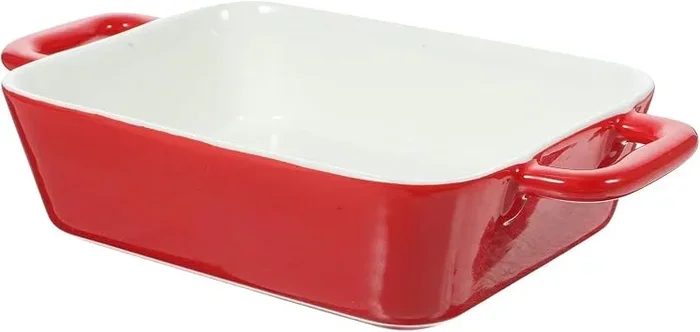
One of the best things about porcelain bakeware is how evenly it distributes heat. Unlike thin metal pans that can have hot spots, porcelain heats up slowly and evenly. This means your food cooks more uniformly. You get fewer burned edges and more perfectly baked results.
Beautiful Presentation
Let us be honest. Porcelain looks stunning. You can bake a casserole in a porcelain dish and then bring it straight to the table. No need to transfer the food to a serving bowl. This makes entertaining guests much easier and your table look more elegant.
Non-Reactive Surface
Porcelain has a non-reactive surface. This means it does not react with acidic foods like tomatoes, lemon, or vinegar. Metal pans can sometimes alter the taste of acidic dishes or cause discoloration. With porcelain, your food tastes exactly the way it should.
Easy to Clean
Most oven-safe porcelain is also dishwasher safe porcelain. The smooth, glazed surface resists stains and sticking. A quick wash removes most residue. Just make sure you let the dish cool down before washing it. Sudden temperature changes from hot dish to cold water can also cause thermal shock in the sink.
Long-Lasting Durability
When you take care of it properly, oven-safe porcelain can last for decades. It does not scratch easily, it does not warp, and it holds its beautiful finish over time. Investing in quality porcelain bakeware is a smart choice for any kitchen.
Porcelain Bakeware vs Other Oven-Safe Materials
Not sure if porcelain is the right choice for you? Here is how it compares to other popular oven-safe materials.
| Material | Heat Resistance | Even Heating | Ease of Cleaning | Beauty |
|---|---|---|---|---|
| Porcelain Bakeware | Up to 500°F | Excellent | Very Easy | High |
| Ceramic Bakeware | Up to 450°F | Good | Easy | Medium |
| Glass (Pyrex) | Up to 450°F | Good | Very Easy | Medium |
| Stainless Steel | Up to 500°F+ | Fair (hot spots) | Moderate | Low |
| Cast Iron | Up to 500°F+ | Excellent | Moderate | Low |
As you can see, porcelain holds its own against other materials. It offers excellent heat distribution and a beautiful look that most other materials cannot match. The trade-off is that porcelain can be more fragile than cast iron or stainless steel. Handle it with care and it will serve you well for many years.
Expert Insights on Porcelain Oven Safety
We spoke with kitchen experts and ceramic specialists to get their top tips for using porcelain in the oven safely.
Dr. Helen Marsh, Ceramic Engineer: “The most important thing to remember is that porcelain is strong but not indestructible. Always follow the manufacturer’s guidelines. If a dish says it is oven safe up to 400°F, do not push it to 500°F just because you can. The glaze and the body of the porcelain expand at different rates when heated beyond their limit.”
Chef Marco Silva, Professional Pastry Chef: “I use porcelain bakeware all the time in my kitchen. My number one rule is never to shock the dish with temperature changes. I always let it warm up in the oven as it preheats. This simple habit has kept my porcelain dishes in perfect condition for years.”
Linda Chen, Home Cook and Food Blogger: “I used to put my favorite porcelain plate in the oven to keep food warm. Then one day it cracked right down the middle. I learned the hard way that not every pretty plate is oven safe. Now I only use dishes that are clearly marked as oven proof porcelain.”
Can You Put Porcelain in the Microwave and Oven?
Many people wonder if a dish that is microwave safe is also oven safe. The answer is not always. Microwave safety and oven safety are two different things. A dish might handle the radiation and low heat of a microwave just fine but crack under the high heat of an oven.
Always look for separate markings. If the dish says it is both microwave and oven safe, you are good to go. If it only says microwave safe, do not put it in the oven. The reverse is also true. An oven-safe porcelain dish may not always be microwave safe, especially if it has metallic elements in the glaze.
How to Care for Your Oven-Safe Porcelain
Proper care extends the life of your porcelain bakeware and keeps it looking beautiful. Here are some simple care tips.
- Wash by hand when possible: Even if the dish is dishwasher safe, hand washing is gentler and helps preserve the glaze over time.
- Use soft sponges: Avoid abrasive scrubbers that can scratch the surface.
- Store carefully: Place a soft cloth or paper towel between stacked dishes to prevent chips and scratches.
- Avoid sudden temperature changes: Never move porcelain from the freezer to the oven or from the oven to a cold surface.
- Inspect regularly: Check for cracks, chips, or worn glaze before each use. Damaged porcelain should be retired from oven use.
The Bottom Line: Is All Porcelain Oven Safe?
So, is all porcelain oven safe? The answer is a clear and firm no. Porcelain is a wonderful material that can be used in the oven, but only when the specific piece is designed and rated for oven use. Always check for markings, read the manufacturer’s guidelines, and understand the temperature limits of each dish.
By following the tips in this article, you can enjoy the beauty and functionality of oven safe porcelain without worrying about cracks, breaks, or accidents. Take care of your porcelain bakeware, use it correctly, and it will serve you well for many years to come.
Remember, when it comes to porcelain and ovens, knowledge is your best safety tool. Now you have that knowledge. Use it wisely, cook with confidence, and enjoy every meal you prepare with your favorite porcelain dishes.
Frequently Asked Questions
Can I put a porcelain mug in the oven?
Most porcelain mugs are not designed for oven use. They are made for hot beverages, not for baking. However, some specialty porcelain mugs are labeled as oven safe. Always check the bottom of the mug for an oven-safe symbol or marking before placing it in the oven.
What temperature can porcelain handle in the oven?
Most oven-safe porcelain can handle temperatures between 350°F and 500°F. The exact limit depends on the manufacturer and the type of porcelain. Always check the label or the product description for the specific temperature rating before using it in the oven.
Can porcelain stoneware go in the oven?
Porcelain stoneware is often oven safe, but not always. Stoneware is a type of ceramic that is fired at high temperatures, making it durable and heat resistant. However, you should still check for oven-safe markings on the specific piece before using it in the oven.
Is glazed porcelain always oven safe?
Not necessarily. While a quality glaze can protect porcelain and make it more heat resistant, the glaze itself must be rated for oven use. Some glazes contain materials that can release harmful fumes when heated to high temperatures. Always verify that the entire piece, including the glaze, is labeled as oven safe.
Can I put a porcelain plate in the oven to keep food warm?
It depends on the plate. If the plate is labeled as oven safe and can handle the temperature you plan to use, then yes. However, many decorative porcelain plates are not designed for oven use. Using the wrong plate can cause it to crack or break, which is both wasteful and dangerous.
Why did my porcelain dish crack in the oven?
The most common reason is thermal shock. This happens when the porcelain experiences a sudden temperature change, such as going from a cold countertop to a hot oven. Other reasons include exceeding the temperature limit, using a dish that is not oven safe, or existing small cracks that expanded under heat. Always let porcelain come to room temperature before oven use.
=== CONCLUSION ===
Not all porcelain is oven safe, but with the right knowledge, you can use it safely and confidently. Always check for oven-safe markings, understand the temperature limits, and avoid common mistakes like thermal shock and sudden temperature changes. Your porcelain bakeware can be a beautiful and functional part of your kitchen for years to come when you treat it with care and respect. Now you know exactly what to look for. Go ahead and put your porcelain to good use.