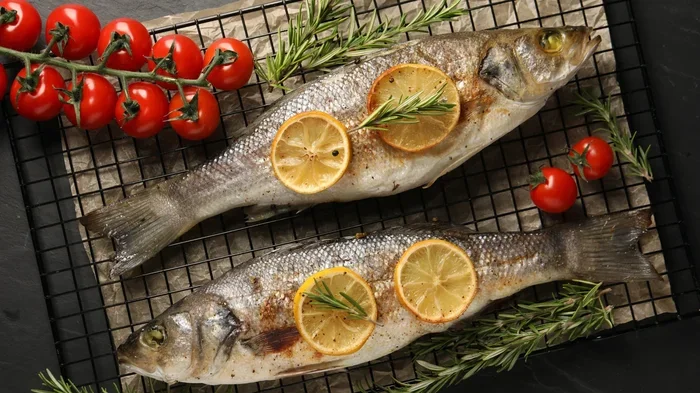
How Long To Bake Fish In Oven At 400 For Juicy Results
Baking fish at 400°F is one of the easiest and most reliable ways to get juicy, flavorful fish every time. Most fillets need only 10 to 15 minutes depending on thickness, while whole fish may take 20 to 30 minutes. This guide covers everything from timing and temperature to seasoning tips that guarantee perfectly baked fish in your oven.
There is something magical about baking fish in the oven at 400. It is simple, fast, and delivers restaurant-quality results right in your kitchen. Whether you are cooking salmon, tilapia, cod, or any other type of fish, this temperature works like a charm.
But here is the thing. Many home cooks struggle with timing. They wonder, “Is my fish done yet?” or “Did I leave it in too long?” The answer to both questions is easier than you think. Once you understand a few basics about baking fish temperature and cook time, you will never overcook fish again.
This guide gives you everything you need. We will cover exact times for different fish types, tips for keeping fillets moist, and simple seasoning ideas that take your oven-baked fish recipe from ordinary to amazing. By the end, you will feel confident enough to bake fish every single week.
Let us get into it. Your next perfect fish dinner starts right here.
Key Takeaways
- Standard Bake Time: Most fish fillets bake perfectly at 400°F in just 10 to 15 minutes.
- Thickness Matters: Thicker cuts need more time, while thin fillets cook fast and can dry out quickly.
- Internal Temperature Is Key: Fish is done when it reaches 145°F internally and flakes easily with a fork.
- Skin-On vs. Skin-Off: Skin-on fillets stay moister and get crispy when baked at 400°F.
- Seasoning Boosts Flavor: Simple herbs, lemon, and olive oil elevate any fish bake recipe.
- Avoid Overcooking: Pull fish out a few minutes early and let carryover cooking finish the job.
- Different Fish, Different Times: Salmon, cod, tilapia, and trout all have unique bake times at 400°F.
📑 Table of Contents
- Why 400°F Is the Best Temperature for Baking Fish
- How Long to Bake Different Types of Fish at 400
- Factors That Affect Baking Time
- Best Seasonings and Flavors for Baked Fish
- Tips for Moist and Juicy Baked Fish
- Common Mistakes to Avoid When Baking Fish
- Comparison Table: Bake Times for Popular Fish at 400°F
- Serving Suggestions for Baked Fish
- Health Benefits of Baking Fish in the Oven
- Expert Tips for Perfectly Baked Fish Every Time
- Frequently Asked Questions
- Conclusion
Why 400°F Is the Best Temperature for Baking Fish
You might ask, “Why 400 specifically?” The answer comes down to science and flavor. At 400°F, the oven delivers even heat that cooks fish through without drying it out. This temperature hits the sweet spot between browning and moisture retention.
Lower temperatures take too long and can make fish rubbery. Higher temperatures risk burning the outside before the inside cooks. 400°F for baking fish strikes the perfect balance. It creates a lightly crispy exterior while keeping the inside tender and juicy.
Most fish oven temperature guidelines recommend 400°F for fillets, steaks, and whole fish alike. It works for fatty fish like salmon and lean fish like cod. This versatility is exactly why so many home cooks and chefs swear by this temperature.
The Maillard Reaction and Your Fish
Here is a fun fact. At 400°F, the proteins and sugars on the surface of your fish undergo the Maillard reaction. This is what creates that beautiful golden-brown color and delicious aroma. It is the same reaction that makes roasted chicken skin so irresistible.
You do not need any fancy techniques to get this. Just season your fish, place it on a baking sheet, and let the oven do the work. The result is crispy baked fish that looks and tastes incredible.
How Long to Bake Different Types of Fish at 400
Not all fish is created equal. A thick salmon fillet needs more time than a thin tilapia filet. Understanding these differences is the key to perfectly baked fish every single time.
Salmon Bake Time at 400°F
Salmon is one of the most popular fish to bake. A standard salmon fillet that is about 1 inch thick needs around 12 to 15 minutes at 400°F. If your fillet is thicker, add a couple of minutes. Thinner pieces may be done in as little as 8 minutes.
Salmon is forgiving because it has a higher fat content. The fats keep the fish moist even if you are a minute or two off. Still, aim for an internal fish temperature of 145°F for the best results.
Pro tip: Leave the skin on when baking salmon. The skin acts as a protective layer and gets beautifully crispy at 400°F.
Cod and Haddock Bake Time at 400°F
Cod and haddock are lean white fish. They cook faster than salmon and can dry out if left too long. A cod fillet that is about 1 inch thick typically needs 10 to 12 minutes at 400°F.
Because cod has less fat, it benefits from extra moisture. Brushing the fillet with olive oil or melted butter before baking helps tremendously. You can also bake cod in a sauce or wrapped in foil to lock in juices.
Tilapia Bake Time at 400°F
Tilapia is a very thin and mild fish. Fillets are often less than half an inch thick. This means they cook incredibly fast. Tilapia needs only 8 to 10 minutes at 400°F.
Watch tilapia closely. It goes from perfectly done to overcooked in a matter of minutes. The fish should be opaque and flake easily when it is ready. If it feels firm and rubbery, it has been in the oven too long.
Trout and Sea Bass Bake Time at 400°F
Trout and sea bass fall somewhere in between. A whole trout or sea bass fillet about 1 inch thick bakes beautifully in 12 to 15 minutes at 400°F. These fish have a delicate flavor that pairs wonderfully with simple seasonings like lemon, garlic, and fresh herbs.
Whole Fish Bake Time at 400°F
Baking a whole fish is a showstopper. A whole fish that weighs 1 to 2 pounds typically needs 20 to 25 minutes at 400°F. Larger whole fish, around 3 pounds, may need 30 to 35 minutes.
The best way to check if a whole fish is done is to insert a knife into the thickest part of the flesh near the spine. If it slides in easily and the flesh flakes apart, your whole fish is ready. The eyes should also turn white and opaque.
Factors That Affect Baking Time
Baking time is not always exact. Several factors can change how long your fish needs in the oven. Understanding these helps you adjust and avoid mistakes.
Thickness of the Fillet
This is the single biggest factor. A thin fillet that is half an inch thick cooks in about 8 minutes. A fillet that is 1.5 inches thick can take 18 to 20 minutes. Always measure the thickest part of your fish to estimate time.
Thin fillets cook fast. Thick fillets need more time. This simple rule helps you plan your oven fish dinner with confidence.
Starting Temperature of the Fish
Did you know that fish straight from the fridge takes longer to bake than fish at room temperature? Cold fish in the center resists heat and extends cooking time. Taking your fish out 15 to 20 minutes before baking helps it cook more evenly.
This small step makes a big difference in moist fish fillets. The heat penetrates more evenly, and you avoid the dreaded cold center problem.
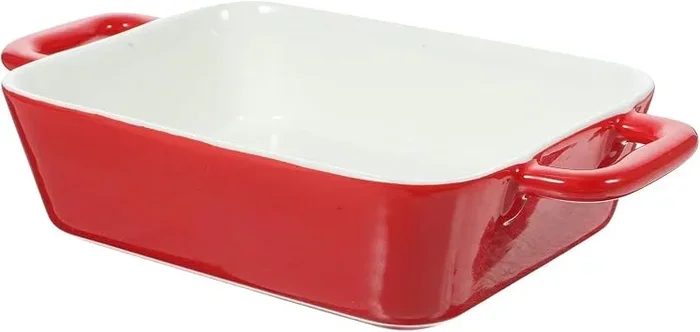
Baking Dish or Sheet Pan
The dish you use matters too. A dark baking pan absorbs more heat and can cook fish faster. A light-colored sheet pan reflects heat and cooks more gently. Glass dishes also behave differently than metal.
For best results, use a light-colored metal baking sheet or a glass dish. This gives you the most predictable baked fish results.
Convection vs. Conventional Oven
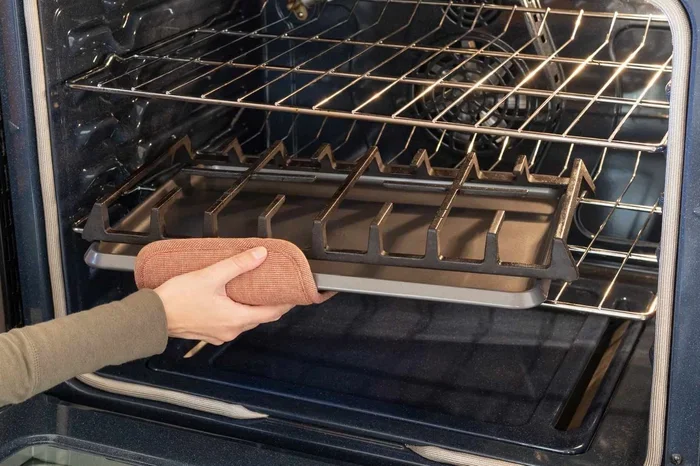
If your oven has a convection setting, reduce the temperature by 25°F or cut the baking time by about 20%. Convection ovens circulate hot air, which cooks food faster and more evenly. So a convection oven fish bake at 400°F works even better.
For conventional ovens, stick with 400°F and use the full recommended time. Keep an eye on the fish as it approaches the end of the cooking window.
Best Seasonings and Flavors for Baked Fish
Baking fish at 400°F is healthy and simple on its own. But the right seasonings take it to the next level. Here are some of the best flavor combinations for oven-baked fish.
Classic Lemon and Herb
This is the timeless combination. Fresh lemon juice, olive oil, garlic, and herbs like dill, parsley, or thyme create a bright and clean flavor. It works beautifully with salmon, cod, and sea bass.
Simply drizzle the mixture over your fillets before baking. The lemon adds moisture and the herbs infuse the fish with incredible aroma.
Mediterranean Style
Think tomatoes, olives, capers, and oregano. This combination pairs perfectly with white fish like tilapia and cod. Add a splash of white wine before baking for extra depth of flavor.
Asian-Inspired Glaze
A mix of soy sauce, honey, ginger, and sesame oil creates a sticky glaze that caramelizes beautifully at 400°F. Brush it on during the last few minutes of baking for a sweet and savory finish.
Simple Butter and Garlic
Sometimes less is more. Melted butter, minced garlic, and a pinch of salt create a rich and indulgent coating. This works especially well with salmon and trout.
Tips for Moist and Juicy Baked Fish
Nobody likes dry, rubbery fish. Follow these tips to guarantee moist and juicy results every time you bake fish at 400°F.
Brush with Oil or Butter
A light coating of olive oil or melted butter on the surface of the fish prevents moisture loss. This is especially important for lean fish like cod and tilapia that have less natural fat.
Do Not Overcook
This is the number one mistake people make. Fish continues to cook after you remove it from the oven due to carryover heat. Pull the fish out when it is just barely done. It will finish cooking on the plate and stay perfectly moist.
When in doubt, pull it out early. You can always put it back for another minute, but you cannot undo an overcooked fillet.
Use Foil for Delicate Fish
Thin or delicate fish fillets benefit from being baked in foil or parchment paper. This traps steam and keeps the fish tender. It also makes cleanup a breeze.
Let the Fish Rest
Just like steak, fish benefits from resting after baking. Let it sit for 2 to 3 minutes before serving. This allows the juices to redistribute throughout the fillet, resulting in a more flavorful and moist bite.
Common Mistakes to Avoid When Baking Fish
Learning what not to do is just as important as learning the right way. Here are common mistakes that ruin oven-baked fish and how to avoid them.
Baking Frozen Fish Without Adjusting Time
If you forget to thaw your fish, you can still bake it. But you need to add several minutes to the cooking time. Frozen fish takes roughly 50% longer to bake than thawed fish. The outside can overcook before the inside thaws if you are not careful.
Better yet, plan ahead and thaw fish in the refrigerator overnight. This gives you the most even and predictable results.
Using the Wrong Pan
Non-stick pans work fine, but they do not promote browning the way a metal sheet pan does. If you want crispy skin or a golden top, use a metal baking sheet lined with parchment paper.
Crowding the Pan
Give your fish space. Crowding the pan traps steam and creates soggy fish instead of crispy fish. Leave at least half an inch between each fillet for proper air circulation.
Skipping the Internal Temperature Check
The best way to know if your fish is done is with a meat thermometer. Insert it into the thickest part of the fillet. 145°F is the safe internal temperature for fish according to the USDA. At this temperature, the fish is both safe to eat and perfectly cooked.
Comparison Table: Bake Times for Popular Fish at 400°F
| Fish Type | Thickness | Bake Time | Best For |
|---|---|---|---|
| Salmon Fillet | 1 inch | 12-15 minutes | Skin-on, crispy skin |
| Cod Fillet | 1 inch | 10-12 minutes | Lean, mild flavor |
| Tilapia Fillet | 0.5 inch | 8-10 minutes | Quick weeknight meals |
| Trout Fillet | 1 inch | 12-14 minutes | Delicate, buttery flavor |
| Whole Fish (1-2 lbs) | Full | 20-25 minutes | Stunning presentation |
| Whole Fish (3 lbs) | Full | 30-35 minutes | Family-style dinner |
| Tuna Steak | 1 inch | 10-12 minutes | Medium-rare center |
This table gives you a quick reference for baking fish at 400°F. Always check for doneness by flaking the fish with a fork or using a thermometer. Times are approximate and can vary based on the factors discussed above.
Serving Suggestions for Baked Fish
Baked fish at 400°F pairs wonderfully with a variety of sides. Here are some ideas to complete your fish dinner.
- Roasted Vegetables: Asparagus, broccoli, and zucchini roast beautifully at 400°F alongside your fish. Just spread them on the same sheet pan for easy cleanup.
- Rice or Quinoa: A light grain bowl makes the perfect base for a fillet of baked salmon or cod.
- Garlic Mashed Potatoes: Creamy potatoes complement the light flavor of baked fish perfectly.
- Fresh Salad: A bright green salad with lemon vinaigrette adds a refreshing contrast to warm baked fish.
- Crusty Bread: Use bread to soak up any juices left on the plate. It is the easiest and most satisfying side.
These sides work with any oven-baked fish recipe and turn a simple dinner into a memorable meal.
Health Benefits of Baking Fish in the Oven
Baking fish is one of the healthiest cooking methods available. Unlike frying, it requires little to no added fat. The 400°F oven temperature cooks fish gently and preserves its natural nutrients.
Fish is an excellent source of omega-3 fatty acids, high-quality protein, and essential vitamins like B12 and D. Baking at 400°F retains these nutrients better than boiling or frying. It is a win for flavor and a win for your health.
Adding baked fish to your weekly meal plan is one of the easiest ways to eat healthier without sacrificing taste. A simple fish bake recipe at 400°F takes less than 20 minutes from prep to plate.
Expert Tips for Perfectly Baked Fish Every Time
Professional chefs follow a few simple rules that make all the difference. Here are their top tips for baking fish in the oven at 400.
- Pat the fish dry with paper towels before seasoning. Moisture on the surface creates steam instead of browning.
- Season generously. Salt and pepper are the foundation. Add herbs, spices, or a glaze for extra flavor.
- Preheat your oven. Always let the oven reach 400°F before placing the fish inside. This ensures even cooking from the start.
- Use parchment paper. It prevents sticking and makes cleanup effortless. Your crispy baked fish will release easily every time.
- Check early. Start checking for doneness a couple of minutes before the recommended time. Every oven is slightly different.
- Rest the fish. Let it sit for 2 to 3 minutes after removing from the oven. The carryover cooking finishes the job gently.
Follow these tips and your fish oven recipes will turn out perfectly every single time. These small habits separate good baked fish from great baked fish.
Frequently Asked Questions
Can I bake fish at 400°F if it is still frozen?
Yes, you can, but you will need to add extra time. Frozen fish takes about 50% longer to bake than thawed fish. A fillet that normally takes 12 minutes might need 18 to 20 minutes when frozen. The best practice is to thaw fish in the refrigerator overnight for more even cooking and better texture.
How do I know when baked fish is done?
The easiest way is to use a meat thermometer. Fish is done when it reaches an internal temperature of 145°F. You can also check by flaking the fish with a fork. If it separates into white flakes easily and looks opaque throughout, it is ready. The flesh should be moist and tender, not dry or rubbery.
What is the best fish to bake at 400°F?
Almost any fish works well at 400°F, but salmon, cod, tilapia, trout, and sea bass are particularly excellent choices. Salmon has enough fat to stay moist, while leaner fish like cod and tilapia benefit from a light coating of oil. Whole fish like branzino or trout also bake beautifully at this temperature and make an impressive presentation.
Should I cover fish with foil when baking at 400°F?
It depends on your preference. Foil keeps fish moist and is great for delicate or thin fillets like tilapia. However, leaving fish uncovered promotes browning and crispiness, which is ideal for thicker fillets like salmon or cod. For the best of both worlds, try baking fish uncovered for most of the time and then covering loosely with foil for the last few minutes.
Can I bake fish with vegetables on the same sheet pan?
Absolutely. Vegetables like asparagus, cherry tomatoes, broccoli, and zucchini pair wonderfully with fish and cook at the same temperature. Just make sure the vegetables are cut into similar-sized pieces so they cook evenly. Place thicker vegetables like broccoli closer to the center of the pan where heat is most concentrated.
How long should I let baked fish rest before serving?
Let baked fish rest for 2 to 3 minutes after removing it from the oven. This short resting period allows the juices to redistribute throughout the fillet, making each bite more flavorful and moist. It also gives the fish a chance to finish cooking slightly from residual heat, bringing it to the perfect 145°F internal temperature.
Conclusion
Baking fish at 400°F is one of the simplest and most rewarding things you can do in the kitchen. With the right timing, seasoning, and a little attention, you can serve up juicy, flavorful fish that everyone will love.
Remember the key points. Most fillets need 10 to 15 minutes at 400°F. Thicker cuts take longer. Thin fillets need less time. Always check for an internal temperature of 145°F. And never be afraid to pull the fish out a little early.
The beauty of baking fish in the oven at 400 is that it works for nearly every type of fish and every skill level. Whether you are a beginner or a seasoned cook, this method delivers consistent, delicious results.
Now it is your turn. Pick your favorite fish, grab some simple seasonings, and get that oven preheated to 400°F. You will be surprised at how easy it is to create a restaurant-quality fish dinner at home. Happy baking.