Difference Between Broiler And Oven Explained Simply
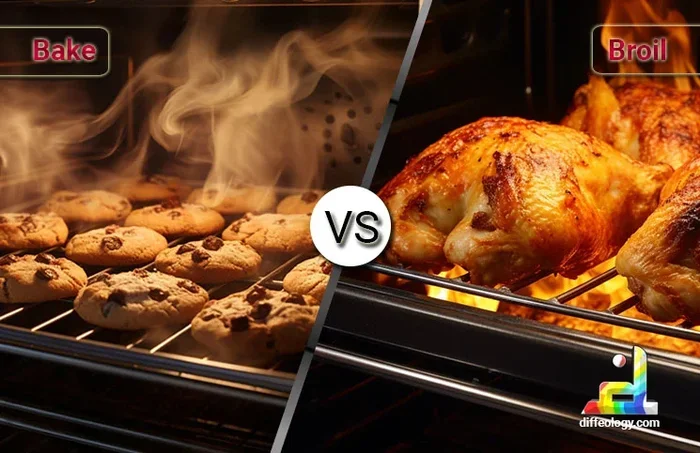
The difference between broiler and oven lies in how they apply heat to food. A broiler uses intense top-down heat for quick browning and charring, while an oven circulates heat for even baking and roasting. Understanding both helps you cook smarter and faster.
Every home cook has stood in front of their kitchen appliance, staring at buttons and wondering, “What does this setting actually do?” If you have ever asked yourself about the difference between broiler and oven, you are not alone. These two cooking methods look similar but work in completely different ways. Once you understand how each one functions, your cooking will level up fast.
This guide breaks everything down in plain, simple language. You will learn exactly what a broiler does, how a standard oven works, and when to use each one. By the end, you will feel confident choosing the right heat setting every single time. Let us dive in.
Key Takeaways
- Broilers use direct top heat: They cook food quickly with high, intense heat from above, perfect for browning and charring.
- Ovens use surrounding heat: They provide even, consistent warmth for baking, roasting, and slow cooking.
- Different cooking methods: Broiling is fast and high-heat; oven cooking is slower and more controlled.
- Use both for best results: Many recipes benefit from starting in the oven and finishing under the broiler.
- Know your appliance: Understanding each function prevents burnt food and improves kitchen confidence.
- Broiler pan vs. baking sheet: Each tool serves a specific purpose and works best with its corresponding heat method.
- Energy efficiency matters: Broilers use less time and energy for quick tasks compared to heating a full oven.
📑 Table of Contents
What Is a Broiler?
A broiler is a cooking feature found in most ovens and some standalone appliances. It uses very high heat from the top element to cook food quickly. Think of it as a powerful, intense version of grilling inside your kitchen. The broiler setting sends strong radiant heat straight down onto your food.
How Does a Broiler Work?
The broiler element sits at the top of the oven cavity. When you turn it on, it heats up to extremely high temperatures, usually between 500 and 550 degrees Fahrenheit. Food placed on the top rack gets blasted with direct heat from above. This creates a browned, caramelized crust on the surface.
Unlike an oven that surrounds food with warmth, a broiler focuses heat on one side only. This means you often need to flip food halfway through. The intense top heat mimics the effect of a grill, which is why many people use it for foods they would otherwise cook on an outdoor grill.
Common Foods You Can Broil
Broiling works well for specific types of food. Here are some popular choices:
- Steaks and chops: A thick cut of meat gets a beautiful sear on top.
- Salmon and fish fillets: The high heat creates a crispy skin quickly.
- Chicken breasts: Broiling helps brown the top while keeping the inside juicy.
- Vegetables: Broiled asparagus, peppers, and zucchini develop great charred flavor.
- Melts and gratins: Cheese toppings get perfectly bubbly and golden.
- Pizza: A broiler can crisp the top of pizza faster than a full oven bake.
Broiler Pan vs Regular Baking Sheet
A broiler pan is a special two-piece pan designed for broiling. It has a raised wire rack on top and a drip tray underneath. The rack allows heat to circulate around the food from above, while the tray catches any drips and grease. Using a regular baking sheet under the broiler can work, but it may not elevate the food properly.
The drip tray is important because broiling causes fat and juices to render out quickly. Without a proper tray, you risk grease smoking or even causing a fire inside your oven. Always use the right pan when using the broiler setting.
Quick Tips for Broiling
- Always preheat the broiler for at least five minutes before placing food inside.
- Place food about four to six inches from the top element for best results.
- Watch your food closely. Broiling happens fast, and food can go from perfect to burnt in seconds.
- Line the broiler pan with foil for easy cleanup, but poke holes in the foil so grease can drain.
- Keep the oven door slightly ajar to allow smoke and steam to escape.
What Is an Oven?
A standard oven is the workhorse of most kitchens. It uses heating elements on the top and bottom to create a warm, enclosed environment. Heat circulates around the food, cooking it evenly from all sides. This makes ovens perfect for longer cooking tasks where consistent temperature matters.
How Does an Oven Work?
Most ovens have a bottom heating element for baking and a top element for broiling. When you set the oven to bake mode, both elements work together to maintain a steady temperature inside the cavity. The oven walls, racks, and air all absorb and radiate heat evenly.
Convection ovens take this a step further. They include a fan that circulates hot air around the food. This speeds up cooking and promotes even browning. A convection oven can reduce cooking times by about 25 percent compared to a standard oven. Many modern ovens include a convection setting alongside regular bake and broil options.
Common Cooking Methods in an Oven
Ovens support a wide range of cooking techniques. Here are the most popular ones:
- Baking: Uses indirect, surrounding heat to cook items like bread, cakes, cookies, and pastries.
- Roasting: Typically done at higher temperatures for meats, potatoes, and root vegetables.
- Casseroles and baked dishes: Slow, even heat warms everything through evenly.
- Reheating: Ovens are great for warming leftovers without drying them out too much.
- Slow cooking: Some recipes call for low oven temperatures over longer periods.
Oven Temperature Guide
Different recipes call for different oven temperatures. Here is a simple guide to common settings:
- Low heat (200-250°F): Perfect for slow roasting or dehydrating.
- Medium heat (300-350°F): Ideal for most baking and casseroles.
- Medium-high (375-400°F): Great for roasting vegetables and chicken.
- High heat (425-450°F): Used for pizza, bread, and quick roasting.
- Broil setting (500-550°F): Maximum top heat for browning and finishing.
Key Differences Between Broiler and Oven
Now that you understand what each function does, let us compare them directly. The difference between broiler and oven comes down to heat direction, intensity, and cooking purpose.
Heat Source and Direction
This is the biggest difference. A broiler sends heat from the top down. An oven heats food from all around. The broiler creates a focused beam of intense warmth, while the oven wraps food in gentle, consistent heat.
Think of it this way. Broiling is like standing in direct sunlight on a hot day. Oven baking is like standing in a warm room. Both feel warm, but the experience is completely different.
Cooking Time
Broiling is fast. Most broiler recipes take between five and fifteen minutes. Oven cooking, on the other hand, can take anywhere from twenty minutes to several hours. The high heat of the broiler quickly browns and caramelizes the surface of food.
Because broiling is so quick, it works best for thinner cuts of food or items that just need a finishing touch. Oven cooking suits thicker items and dishes that need time to cook through evenly.
Temperature Range
Broilers operate at the highest temperatures in most kitchen appliances, often reaching 550 degrees Fahrenheit. Standard oven baking ranges from 200 to 450 degrees Fahrenheit. The broiler is all about that intense, direct heat burst.
The oven provides a wider range of temperature control. You can set it low for slow cooking or high for roasting. The broiler is essentially one setting: maximum top heat.
Best Use Cases
Here is a simple comparison of when to use each method:
- Use the broiler when: You want a browned top, crispy edges, or a charred flavor. It works great for finishing dishes, melting cheese, or cooking thin meats quickly.
- Use the oven when: You need even cooking throughout. Baking, roasting, and slow cooking all benefit from the enclosed, consistent heat of an oven.
Comparison Table: Broiler vs Oven
| Feature | Broiler | Oven (Bake) |
|---|---|---|
| Heat Direction | Top-down only | All around (top and bottom) |
| Temperature Range | 500-550°F | 200-500°F |
| Cooking Time | 5-15 minutes | 20 minutes to several hours |
| Best For | Browning, charring, melting | Baking, roasting, slow cooking |
| Heat Intensity | Very high and direct | Moderate and even |
| Food Placement | Top rack, close to element | Middle rack, any position |
| Energy Use | Short burst, less total energy | Longer duration, more total energy |
| Typical Results | Browned, crispy top surface | Evenly cooked throughout |
When to Use the Broiler Setting
The broiler setting is one of the most underused features in many kitchens. People often forget about it or are unsure how to use it safely. But once you understand its strengths, you will reach for it all the time.
Finishing Dishes for a Perfect Look
One of the best uses for the broiler is finishing a dish that needs a beautiful golden top. Think of a baked casserole, a lasagna, or a dish of enchiladas. You cook the dish fully in the oven, then switch to the broiler for the last two to three minutes. This gives you that appetizing, bubbly, browned finish without overcooking the inside.
Cooking Thin Proteins Quickly
Thin cuts of meat like chicken cutlets, pork chops, or fish fillets cook well under the broiler. The intense heat sears the outside fast, creating flavor and texture. Because the meat is thin, it cooks through before the outside burns. This is a great weeknight dinner strategy when you do not have much time.
Making Crispy Snacks
Broiling works wonders for snacks. Try broiling tortilla chips with cheese and toppings for quick nachos. Broil tomato slices with a sprinkle of breadcrumbs for a simple side dish. Even broiling a store-bought pizza can give you a crispy crust and melted cheese in minutes.
Common Mistakes When Using the Broiler
Many people make avoidable errors when using the broiler. Here are some to watch out for:
- Leaving food unattended: Broiling happens fast. A watched pot never boils, but an unwatched broiler can burn food in seconds.
- Using the wrong pan: Glass pans can shatter under broiler heat. Always use metal or a proper broiler pan.
- Placing food too far away: If the rack is too low, you lose the direct heat benefit. Keep food close to the top element.
- Overcrowding the pan: Leave space between pieces so heat reaches every surface evenly.
- Forgetting to preheat: A cold broiler wastes time and cooks food unevenly. Always give it five minutes to heat up.
When to Use the Oven for Cooking
The oven is your go-to for recipes that need steady, even heat. Baking a cake, roasting a chicken, or making a pot roast all rely on the oven’s consistent temperature.
Baking Needs
Anything you bake requires the oven. Bread needs a steady warm environment to rise and develop a crust. Cookies spread and set best in a heated oven. Cakes depend on even heat to bake through without burning on the outside.
The broiler simply cannot replace an oven for baking. The direct top heat would burn the top of a cake long before the inside cooked through. Always reach for the oven setting when baking.
Roasting Meats and Vegetables
Roasting works best in a full oven. A whole chicken needs hours of steady heat to cook through while the skin turns crispy. Large cuts of pork or beef roast benefit from the oven’s even warmth.
Vegetables also roast beautifully in the oven. Toss potatoes, carrots, and onions with oil, spread them on a baking sheet, and let the oven do its work. The surrounding heat caramelizes the natural sugars and creates tender, flavorful results.
Slow Cooking and Casseroles
Dishes that combine many ingredients and need time to meld flavors belong in the oven. Lasagna, enchiladas, and baked pasta all benefit from long, gentle cooking. The oven keeps the temperature stable so the dish heats through without drying out.
Can You Use Both Together?
Absolutely. In fact, combining the broiler and oven is a pro cooking technique. The method is simple: cook your food in the oven first, then switch to the broiler for the last few minutes.
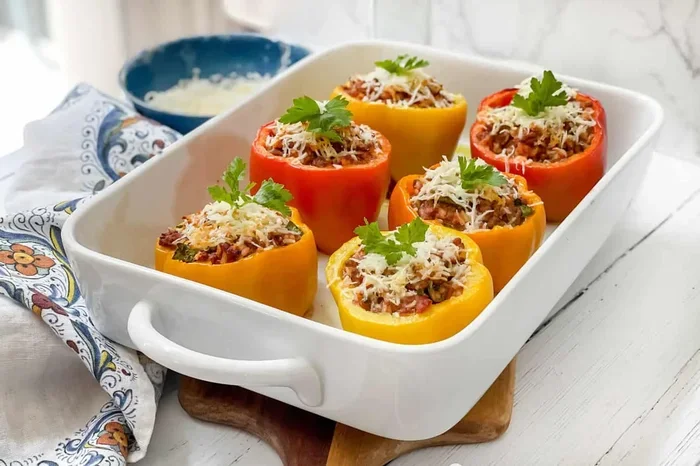
This two-step approach gives you the best of both worlds. The oven cooks the inside thoroughly and evenly. The broiler adds a delicious browned, crispy top. It works amazingly well for casseroles, gratins, stuffed peppers, and even lasagna.
Many restaurant kitchens use this technique constantly. It is a simple trick that makes home-cooked food look and taste restaurant-quality. Give it a try next time you make a baked dish.
Safety Tips for Using Both Functions
Switching between oven and broiler modes requires some care. Always turn off the oven before switching to broil mode. Let the oven cool slightly if it was at a very high baking temperature before broiling. Keep a close eye on the food, and never leave the kitchen while something is broiling.
Use oven mitts when handling hot pans. The broiler pan and rack get extremely hot. Place hot pans on a heat-safe surface, not directly on your countertop.
Which One Should You Choose?
The answer depends entirely on what you are cooking and what result you want. If you need quick browning, melting, or charring, the broiler is your tool. If you need even, all-around cooking, the oven is the right choice.
Most home cooks benefit from knowing how to use both. The more cooking methods you understand, the more confident and versatile you become in the kitchen. You do not need to choose one over the other. Instead, learn when each one shines.
Start by experimenting with simple recipes. Try broiling a salmon fillet for dinner one night. Bake a simple sheet pan of vegetables the next night. Notice how the results differ. Over time, you will develop an instinct for which setting to use without even thinking about it.
Final Thoughts
The difference between broiler and oven is one of the most useful things to understand in any kitchen. A broiler gives you fast, intense top heat for browning and finishing. An oven provides steady, even warmth for baking, roasting, and slow cooking. Both are essential tools that serve different purposes.
Once you grasp how each function works, you open up a world of cooking possibilities. You will cook more efficiently, avoid common mistakes, and achieve better results every time. The next time you stand in front of your oven, you will know exactly which setting to reach for. Happy cooking.
Frequently Asked Questions
Can I use a broiler pan in a regular oven?
Yes, you can use a broiler pan in a standard oven set to bake or roast. The broiler pan works fine for regular oven cooking as well. The raised rack allows air to circulate, which can even help with roasting. Just keep in mind that broiler pans are specifically designed for the intense top heat of the broiler setting.
Is broiling the same as grilling?
Broiling and grilling are similar but not identical. Both use high, direct heat to cook food quickly. The main difference is the heat source. Grilling uses heat from below, typically from charcoal or gas flames. Broiling uses heat from above, inside your oven. The results are quite similar, with both methods creating a browned, slightly charred exterior.
Can you put aluminum foil in the broiler?
Yes, you can use aluminum foil in the broiler, but with caution. Line the broiler pan with foil for easy cleanup, but poke small holes to allow grease to drain through. Never cover the broiler element itself with foil, as this can block heat and create a fire hazard. Always keep foil away from direct contact with the heating element.
How long should you broil chicken?
Broiling chicken usually takes about six to ten minutes per side, depending on the thickness. Thin chicken cutlets may only need four to five minutes per side. Thicker pieces might need closer to ten minutes. Always use a meat thermometer to ensure the internal temperature reaches 165 degrees Fahrenheit for safe eating.
Does a broiler use more electricity than an oven?
A broiler uses less total electricity because it operates for a shorter time. Since broiling takes only a few minutes compared to an hour or more of oven baking, the overall energy consumption is lower. However, the broiler draws high power during its short operation. For quick tasks like browning or melting, the broiler is the more energy-efficient choice.
Can you bake in a broiler?
No, a broiler is not suitable for baking. Baking requires even, surrounding heat to cook food through consistently. The broiler only heats from the top, which would burn the surface while leaving the inside raw. Always use the oven bake setting for anything you want to cook through evenly, like cakes, bread, and casseroles.