How To Bake Whole Salmon In The Oven In Under An Hour
Learning how to bake whole salmon in the oven is a skill that will transform your weeknight dinners. You don’t need fancy equipment or years of experience. In just under an hour, you can pull a stunning, restaurant-quality whole salmon from your oven. The skin turns crispy and golden, while the flesh stays buttery and moist.
Learning how to bake whole salmon in the oven is a skill that will transform your weeknight dinners. You don’t need fancy equipment or years of experience. In just under an hour, you can pull a stunning, restaurant-quality whole salmon from your oven. The skin turns crispy and golden, while the flesh stays buttery and moist. This guide walks you through every step, from picking the fish to slicing it for the table. By the end, you’ll know exactly how to bake whole salmon in the oven with confidence and ease.
Baking a whole fish might sound like a task reserved for professional chefs. But the truth is, it’s one of the simplest and most impressive things you can cook at home. A whole salmon is a showstopper on any table, and it’s surprisingly easy to handle.
The key is understanding a few basic principles. Once you know the right oven temperature, seasoning choices, and timing, you’re set. This article breaks it all down so you can focus on enjoying the process. Let’s dive into the details of how to bake whole salmon in the oven perfectly.
Key Takeaways
- Whole Salmon Baking Is Quick: You can have a stunning, juicy salmon ready in under 60 minutes from prep to plate.
- Crispy Skin Is Easy: Pat the fish dry and use a hot oven to get that satisfying crackle every time.
- Simple Seasonings Work Best: Fresh herbs, lemon, garlic, and olive oil let the salmon shine.
- Internal Temperature Matters: Pull the fish at 125°F for medium-rare or 145°F for well-done. A fish thermometer is essential.
- Resting Time Is Non-Negotiable: Let the salmon rest for 5-10 minutes to lock in juices.
- Versatile and Healthy: This whole salmon recipe is packed with protein and omega-3s, perfect for a balanced diet.
📑 Table of Contents
Why Baking Whole Salmon In The Oven Is Worth It
The Beauty of a Whole Fish
A whole salmon on a platter makes a dramatic statement. It looks elegant and feels special, yet the cooking process is straightforward. When you bake a whole fish, you keep the bones intact, which helps retain moisture. The flesh cooks evenly because the heat surrounds the fish uniformly. This method also lets you showcase the natural color and texture of the salmon.
Why It Fits In Under an Hour
Unlike roasting a large cut of meat, a whole salmon bakes quickly. A typical 4-5 pound fish takes about 35-45 minutes at 425°F. That means you can go from raw to served in under an hour. The short cooking time also means less chance of drying out the fish. It’s the perfect weeknight dinner when you want something special without the hassle.
Ingredients and Tools You’ll Need
The Perfect Salmon Selection
Start with a fresh, high-quality whole salmon. Look for bright, clear eyes and firm flesh. The skin should be shiny and tight. If you buy from a fishmonger, ask them to scale and gut the fish for you. A whole fish in the 3-5 pound range is ideal for most ovens. You can also use wild-caught or farmed salmon—both work well for baking.
Essential Seasonings and Aromatics
Keep the seasoning simple to let the salmon shine. You’ll need:
- Olive oil or melted butter
- Fresh lemon slices
- Garlic cloves, smashed
- Fresh dill or parsley
- Salt and black pepper
- Optional: a sprinkle of paprika or dried herbs
A classic lemon dill combination is a crowd-pleaser. The acidity from the lemon cuts through the richness of the fish. Garlic adds depth without overpowering. You can also insert thin slices of butter inside the cavity for extra richness.
Kitchen Tools for Success
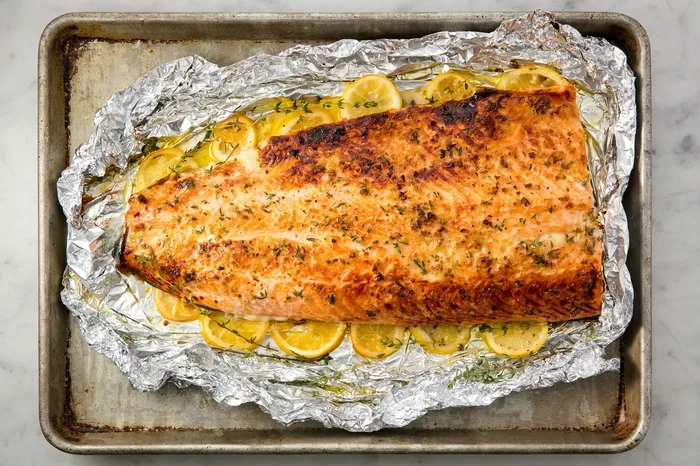
You don’t need many tools. A large sheet pan is essential. Line it with aluminum foil for easy cleanup. You’ll also need a sharp knife, kitchen twine (optional), and a fish thermometer. The thermometer is the single most important tool for perfect results. It removes all guesswork and ensures your oven-baked salmon is cooked to your liking.
Step-by-Step: How To Bake Whole Salmon In The Oven
Prep Work: Pat Dry and Season
Preheat your oven to 425°F. Remove the salmon from its packaging and pat it completely dry with paper towels. Moisture is the enemy of crispy skin. Rub the outside with olive oil, then season generously with salt and pepper. Stuff the cavity with lemon slices, garlic, and fresh herbs. You can also tie the tail and belly with kitchen twine to help the fish hold its shape.
The Oven Temperature and Timing
Place the salmon on the prepared sheet pan, skin-side down. Roast for 35-45 minutes, depending on the thickness. A general rule is 20 minutes per pound at 425°F. The top should look slightly golden and the flesh should feel firm when you press it gently. Avoid opening the oven door too often, as it releases heat and can slow cooking.
Checking for Doneness
Use a fish thermometer inserted into the thickest part of the fish. For medium-rare, aim for 125°F. For well-done, pull it at 145°F. The flesh will flake easily with a fork when it’s ready. Remember, the salmon continues to cook after you remove it from the oven. This carryover cooking raises the internal temperature by a few degrees.
Crispy Skin and Juicy Flesh: Pro Tips
Crispy Skin Secrets
The key to crispy skin is a dry surface and high heat. Pat the salmon thoroughly before seasoning. Place it skin-side down on a preheated sheet pan. Do not move the fish during the first 20 minutes of baking. Let the skin set and crisp up. If you want extra crunch, brush the skin with a thin layer of oil before it goes in the oven.
Keeping the Flesh Juicy
Don’t overcook the salmon. This is the most common mistake. Remove the fish when it’s just slightly underdone, and let the resting time finish the job. Basting the fish with pan juices halfway through also helps. If you’re worried about dryness, you can add a few tablespoons of water or white wine to the pan before baking. The steam creates a humid environment that keeps the flesh tender.
Serving Ideas and Flavor Variations
Classic Lemon-Dill Sauce
A simple sauce elevates the dish without much effort. Combine Greek yogurt, fresh dill, lemon zest, and a squeeze of lemon juice. Add a pinch of salt and pepper. Serve it alongside the salmon or drizzle it over the top. The creamy, tangy sauce complements the rich fish perfectly.
Other Delicious Toppings
Feel free to get creative. Here are a few ideas:
- Garlic butter with a hint of honey
- Mango salsa with red onion and cilantro
- Avocado crema with lime
- Tahini sauce with lemon and garlic
These toppings add flavor and texture. They also make the meal feel complete. Pair the salmon with roasted vegetables, rice, or a simple green salad for a balanced healthy protein dinner.
Common Mistakes to Avoid
Overcooking the Fish
Overcooked salmon becomes dry and chalky. To avoid this, set a timer and use a thermometer. Don’t rely solely on color, because the outside can look done while the center is still raw. Pull the fish at 125°F for a perfect medium-rare result. If you prefer well-done, 145°F is the safe limit, but don’t push it higher.
Skipping the Rest
Letting the salmon rest for 5-10 minutes after baking is crucial. During this time, the juices redistribute throughout the flesh. If you cut into it immediately, the moisture runs out, and the fish dries out. Cover it loosely with foil and let it sit. This small step makes a big difference in texture.
Baking a whole salmon in the oven is a rewarding experience that anyone can master. With the right temperature, simple seasonings, and a reliable thermometer, you’ll achieve crispy skin and juicy, flavorful flesh every time. This whole salmon recipe is perfect for a special weeknight dinner or a relaxed weekend meal. Once you try it, you’ll see how easy it is to make baking whole salmon a regular part of your cooking routine. Gather your ingredients, preheat the oven, and enjoy the process of creating a beautiful, healthy meal from start to finish.
Frequently Asked Questions
How long does it take to bake a whole salmon in the oven?
A 3-5 pound whole salmon typically bakes in 35-45 minutes at 425°F. The exact time depends on the thickness of the fish. Always use a thermometer to check for doneness rather than relying on the clock.
What temperature should whole salmon be baked at?
425°F is the ideal temperature for baking whole salmon. It provides enough heat to crisp the skin while cooking the flesh evenly. You can lower it to 400°F if you prefer a gentler cook.
Should I cover the salmon with foil while baking?
No, leave the salmon uncovered for crispy skin. Covering it traps steam and prevents the skin from crisping. If you’re worried about drying out, add a few tablespoons of liquid to the pan instead.
Can I bake frozen whole salmon?
It’s best to thaw the salmon completely before baking. A frozen fish will cook unevenly, and the skin won’t crisp properly. Thaw it overnight in the refrigerator for the best results.
How do I know when whole salmon is done?
The salmon is done when it reaches an internal temperature of 125°F for medium-rare or 145°F for well-done. The flesh should flake easily with a fork and look opaque throughout. A fish thermometer is the most reliable tool.
What’s the best way to serve baked whole salmon?
Serve it on a large platter with lemon wedges, fresh herbs, and your choice of sauce. Roasted vegetables, rice, or a crisp salad pair wonderfully. Let the salmon rest for 5-10 minutes before slicing to keep it juicy.