Can Pyrex Go In A 500 Degree Oven Without Breaking
Can Pyrex go in a 500 degree oven? Yes, but you must avoid sudden temperature changes. This guide explains the safe temperature limit, how thermal shock causes breakage, and practical tips to keep your Pyrex bakeware intact. Learn the science, avoid common mistakes, and bake with confidence.
You just pulled out a beautiful Pyrex dish, and dinner is ready. But wait — your recipe says 500 degrees. Can Pyrex go in a 500 degree oven? Many home cooks worry about this exact moment. The answer is not a simple yes or no. It depends on your Pyrex type, how you handle it, and a little thing called thermal shock. Let’s explore what really happens when you crank that oven up to 500°F.
The good news is that modern Pyrex can handle high temperatures — but only if you follow a few simple rules. Using glass bakeware in a hot oven is safe when you avoid sudden temperature changes. I’ll walk you through the science, the limits, and the mistakes that cause breakage. By the end, you’ll know exactly how to use your Pyrex at 500 degrees without any fear.
Key Takeaways
- Pyrex can handle 500°F: The official limit is 425–450°F for older models, but modern Pyrex is generally safe up to 500°F if used correctly.
- Thermal shock is the real danger: Never move Pyrex from a cold fridge to a hot oven. Gradual temperature changes prevent breakage.
- Preheating matters: Always place Pyrex in a cold oven and let it heat up with the oven. Avoid direct heat sources like the broiler.
- Check for damage: Discard any Pyrex with chips, cracks, or scratches. Damaged glass can shatter unexpectedly.
- Use oven mitts and cooling racks: Hot Pyrex is fragile when placed on cold surfaces. Always use a dry cloth or trivet.
- Know your Pyrex type: Borosilicate glass (older Pyrex) resists thermal shock better than tempered soda-lime glass (newer Pyrex).
📑 Table of Contents
Understanding Pyrex and Heat Resistance
Pyrex is a brand of glass bakeware that has been around since 1915. It started as a lab glass product. Scientists needed a material that could handle extreme heat. They created a special glass called borosilicate. This glass resists thermal expansion. That means it doesn’t expand much when heated. For decades, Pyrex dishes were made from this borosilicate glass. They were nearly indestructible in the kitchen.
Then in the 1990s, the company changed its formula. Newer Pyrex is made from tempered soda-lime glass. This material is still oven-safe, but it behaves differently. It expands more when heated. That makes it more sensitive to sudden temperature changes. So, if you have an old Pyrex dish from the 1980s, it might be borosilicate. If you bought it recently, it’s likely tempered soda-lime. Both can go in the oven, but they need different care.
The Science Behind Pyrex Durability
Glass is a solid, but it’s not completely rigid. When heat hits glass, the molecules start to move. They spread apart. This is called thermal expansion. Borosilicate glass has a very low coefficient of thermal expansion. That’s a fancy way of saying it barely changes size when hot. Tempered soda-lime glass expands more. So, if one part of the dish gets hot and another part stays cool, the expanding glass can’t handle the stress. It cracks. That’s thermal shock.
Thermal shock is the number one enemy of glass bakeware. It happens when there’s a big temperature difference across the dish. For example, if the bottom of the dish touches a hot pan while the top stays cool, the glass bends. It can’t bend evenly, so it breaks. Understanding this helps you see why how you use your Pyrex matters more than the exact number on the dial.
Why Some Pyrex Breaks
Many people think Pyrex explodes for no reason. That’s rarely true. Breakage almost always comes from user error. The most common cause is rapid temperature change. You take a cold Pyrex bowl from the fridge and put it in a 500 degree oven. The bottom heats up fast, but the top is still cold. The glass expands unevenly. This creates stress. Stress leads to cracks. In some cases, the dish can shatter completely while in the oven. That’s not just a ruined dish. It can damage your oven and create a mess. So, always let your Pyrex come to room temperature before placing it in a 500 degree oven. Give it about 15 to 20 minutes on the counter.
Can Pyrex Go In A 500 Degree Oven?
Can Pyrex go in a 500 degree oven? The short answer is yes, with conditions. Pyrex is designed to be oven-safe. Most modern Pyrex dishes can handle temperatures up to 425°F or 450°F. Some sources say 500°F is safe if you use the right practices. The key is to avoid thermal shock. A 500 degree oven is hot, but glass can handle it if the heat is applied evenly and gradually.
Older borosilicate Pyrex handles 500°F much better. It can go from a cold start to 500°F without issues. Newer tempered soda-lime Pyrex needs more care. It can handle 500°F, but you must preheat the oven with the dish inside. Never put a cold Pyrex dish into a preheated 500°F oven. That’s a recipe for disaster. So, the temperature limit is less about the number and more about how you get there.
The Official Temperature Limit
Pyrex’s official website states that their bakeware is oven-safe up to 425°F. For temperatures above that, they recommend using caution. The warranty does not cover breakage caused by thermal shock. That means if you take a dish from the fridge and put it in a hot oven, you’re on your own. However, many bakers use Pyrex at 500°F successfully. They follow a few simple rules. Always check the bottom of your dish for the oven-safe symbol. If it says “oven-safe,” you can use it. If it has a crack, stop using it immediately.
What Happens at 500°F
At 500°F, your oven is very hot. The air inside is circulating rapidly. If your Pyrex dish is room temperature, it will heat up fairly evenly. That’s safe. If your Pyrex dish is cold from the refrigerator, the bottom will heat much faster than the top. The glass expands unevenly. This creates stress. Stress leads to cracks. In some cases, the dish can shatter completely while in the oven. That’s not just a ruined dish. It can damage your oven and create a mess. So, always let your Pyrex come to room temperature before placing it in a 500 degree oven. Give it about 15 to 20 minutes on the counter.
Thermal Shock: The Real Culprit
Thermal shock is the sudden cracking or breaking of material due to a rapid temperature change. In Pyrex, it’s the most common cause of breakage. The glass expands when hot and contracts when cold. If one part of the dish expands faster than another, internal stress builds. Glass is brittle. It can’t stretch to relieve that stress. So it fractures. This can happen in seconds. You might hear a loud pop, and then you have broken glass in your oven.
How Thermal Shock Damages Glass
Imagine a glass dish with a cold top and a hot bottom. The bottom wants to expand, but the top doesn’t. The bottom stretches upward while the top holds back. This creates tension. When the tension exceeds the glass’s strength, it breaks. The break often starts at a scratch or chip. That’s why old, damaged dishes are more vulnerable. Thermal shock can also happen when you place a hot Pyrex dish on a cold surface. The bottom cools instantly and contracts, while the top is still hot. The dish cracks from the bottom up.
Common Scenarios That Cause Thermal Shock
Here are the situations where thermal shock is most likely to happen:
- Fridge to oven: Taking a Pyrex dish directly from the refrigerator and placing it in a hot oven.
- Cold countertop: Placing a hot Pyrex dish on a cold granite or marble counter.
- Adding cold liquid: Pouring cold water or broth into a hot Pyrex pan.
- Broiler exposure: Putting Pyrex under the broiler element, which creates extreme direct heat on one side.
- Preheating the dish: Placing an empty Pyrex dish in a preheated oven without food inside.
All of these create a temperature gradient. The dish can’t handle the difference. Avoid these scenarios, and your Pyrex will last for years.
Pyrex Safety Tips for High-Temperature Baking
Using Pyrex at 500°F is perfectly fine if you follow a few safety rules. These tips will help you avoid breakage and keep your bakeware in great shape.
Preheating the Oven Correctly
The best practice is to place your Pyrex dish in a cold oven. Then turn the oven on and let it heat up with the dish inside. This allows the entire dish to warm gradually. The temperature rises evenly. There’s no sudden shock. If you preheat the oven first, you must let your Pyrex sit at room temperature for at least 20 minutes before putting it in. Never place a cold dish into a hot oven.
Avoiding Direct Heat Sources
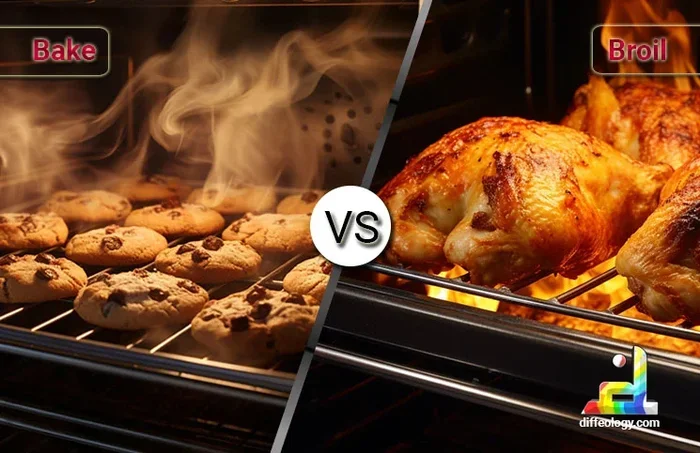
Pyrex is not designed for direct flame or intense radiant heat. Never place a Pyrex dish on a stovetop burner. Don’t use it under the broiler. The broiler creates extreme heat from above. The top of the dish gets scorching hot while the bottom stays much cooler. That’s a perfect setup for thermal shock. If you need to brown the top of a casserole, transfer the food to a metal pan and finish it under the broiler. Leave the Pyrex out of that step.
Handling and Cooling Best Practices
When your Pyrex dish comes out of the oven, treat it with care. Always use oven mitts. The dish will be hot. Place it on a dry wooden board, a silicone mat, or a cooling rack. Never place it on a cold or wet surface. A wet cloth can also cause a cold shock if the dish is very hot. Let the dish cool on the counter for at least 15 minutes before washing it. Avoid running cold water over a hot Pyrex dish. Wait until it’s warm to the touch.
Quick Tips for Safe Pyrex Use
- Always preheat with the dish inside: Place Pyrex in a cold oven, then set the temperature.
- Use a dry cloth: Always handle hot Pyrex with a dry oven mitt or towel.
- Check for damage: Inspect your dish before each use. Discard if you see any chips or cracks.
- Add liquid carefully: If you need to add liquid to a hot dish, use warm or room-temperature liquid, not cold.
- Avoid oil on the bottom: A thin layer of oil on the bottom of a Pyrex dish can cause it to heat unevenly and potentially smoke.
- Use the right size: Don’t fill a Pyrex dish more than two-thirds full. Food expands during baking, and overflow can cause thermal stress on the sides.
Comparing Pyrex with Other Oven-Safe Glass
Not all glass bakeware is the same. Different brands and materials offer different levels of heat resistance. Understanding your options helps you choose the right dish for a 500 degree oven.
Pyrex vs Anchor Hocking
Anchor Hocking is another popular glass bakeware brand. It uses tempered soda-lime glass, similar to newer Pyrex. Both brands are oven-safe up to 425°F or 450°F. Anchor Hocking glass is slightly more prone to thermal shock than older borosilicate Pyrex. However, both can handle 500°F if you follow the same safety rules. The main difference is the manufacturing process. Anchor Hocking dishes often have a slightly thicker base, which can help distribute heat more evenly. But thickness alone doesn’t prevent thermal shock. You still need to avoid sudden temperature changes.
Ceramic and Metal Alternatives
If you’re worried about glass breaking, consider ceramic or metal bakeware. Ceramic dishes are excellent for even heat distribution. They can handle 500°F easily. However, ceramic can also crack if subjected to thermal shock. Metal pans, especially aluminum and stainless steel, are very resilient. They heat up quickly and cool down fast. They don’t suffer from thermal shock the way glass does. For a 500 degree oven, metal is the safest option if you’re in a hurry. But glass bakeware like Pyrex has its advantages. It’s non-reactive, so it won’t alter the taste of acidic foods. It’s also transparent, so you can watch your food brown.
| Material | Max Safe Temp | Thermal Shock Resistance | Best For |
|---|---|---|---|
| Pyrex (borosilicate, older) | 500°F+ | Excellent | Slow baking, casseroles, acidic dishes |
| Pyrex (tempered soda-lime, newer) | 450°F (safe to 500°F with care) | Good | Everyday baking, roasting |
| Anchor Hocking | 450°F | Good | Casseroles, baking dishes |
| Ceramic | 500°F+ | Moderate | Slow cooking, serving |
| Stainless Steel | 500°F+ | Excellent | High-heat roasting, broiling |
As you can see, Pyrex holds its own against other materials. The key is using it correctly. A 500 degree oven is within the safe range for all these materials, but only if you respect the heat.
Common Mistakes That Destroy Pyrex
Most Pyrex breakage is preventable. By knowing the common mistakes, you can protect your investment and keep your kitchen safe.
The Refrigerator-to-Oven Trap
This is the most dangerous mistake. You take a leftover casserole from the fridge and immediately put the Pyrex dish into a 500 degree oven. The cold glass meets the hot air. The bottom of the dish expands rapidly while the top is still cold. The glass cannot handle this differential. It cracks or shatters. This can happen so fast that you don’t have time to react. Always let your Pyrex dish sit out for 20 to 30 minutes before placing it in a hot oven. Even better, transfer the food to a room-temperature dish before baking.
Using Pyrex on the Stovetop
Pyrex is not a stovetop-safe material. The direct flame or electric coil creates a concentrated hot spot on the bottom of the dish. The rest of the dish stays much cooler. This extreme temperature difference causes thermal shock. Even if the dish doesn’t break immediately, it can develop micro-cracks. These cracks weaken the glass. Eventually, the dish will fail, often at the worst possible moment. Never use Pyrex on the stove, even on low heat. If you need to simmer a sauce, use a saucepan made of metal or ceramic.
Ignoring Cracks and Chips
A small chip on the rim of a Pyrex dish might seem harmless. It’s not. Chips create stress points in the glass. When the dish heats up, that stress point expands. The crack spreads quickly. A dish that looks fine can suddenly shatter in the oven. This can be dangerous. Glass shards can contaminate your food. Always inspect your Pyrex before use. If you see any damage, discard the dish. Do not try to repair it with food-safe glue. That’s not safe for high temperatures. A broken Pyrex dish is a safety hazard and can also void any remaining warranty.
Expert Insights and Final Verdict
Professional bakers and material scientists agree on the main point: Pyrex can go in a 500 degree oven, but you must respect the glass.
What Professional Bakers Say
Many experienced bakers use Pyrex regularly at 500°F. Their secret is patience. They never rush the heating process. They always let the dish heat up with the oven. They avoid direct heat and cold surfaces. One baker shared that she’s used the same Pyrex roaster for 20 years. She never puts it in the fridge before baking. Another baker uses a silicone mat under the hot dish to prevent cracking on the countertop. These small habits make a big difference. The glass is durable, but it’s not indestructible. Treat it well, and it will serve you for decades.
Key Takeaways
- Can Pyrex go in a 500 degree oven? Yes, if you follow the rules.
- Always start cold: Place the dish in a cold oven and let the oven heat up with it.
- Avoid thermal shock: Never expose Pyrex to sudden temperature changes from fridge, freezer, or cold countertop.
- No direct heat: Keep Pyrex away from the stovetop and broiler elements.
- Inspect before use: Discard any dish with cracks, chips, or scratches.
- Cool properly: Let the dish cool on a dry surface before washing. Never run cold water over hot glass.
- Know your glass: Older borosilicate Pyrex is more forgiving, but newer tempered glass is still safe with care.
So, can Pyrex go in a 500 degree oven without breaking? Absolutely. The answer lies in how you treat it. Respect the temperature limits, avoid sudden changes, and your Pyrex will keep baking perfectly for years. Next time you see a recipe that calls for 500 degrees, don’t hesitate. Just remember the simple rules you’ve learned here. Your Pyrex bakeware is ready for the heat.
Frequently Asked Questions
Is it safe to put Pyrex in a 500 degree oven?
Yes, it is safe if you follow proper precautions. Modern Pyrex can handle 500°F, but you must avoid thermal shock. Always place the dish in a cold oven and let it heat up gradually. Never put a cold Pyrex dish directly into a preheated 500 degree oven.
Why did my Pyrex explode in the oven?
Pyrex usually doesn’t explode without a reason. The most common cause is thermal shock. This happens when the glass experiences a sudden temperature change, like going from the fridge to a hot oven. The uneven expansion creates stress that the glass cannot handle, causing it to crack or shatter.
What is the maximum temperature for Pyrex?
Pyrex recommends a maximum oven temperature of 425°F for their bakeware. However, many users safely use Pyrex up to 500°F by following safe practices. The key is to avoid rapid temperature changes and never use Pyrex under the broiler or on the stovetop.
Can old Pyrex handle higher temperatures than new Pyrex?
Yes, older Pyrex made before 1998 was crafted from borosilicate glass. This material has a very low thermal expansion rate, making it more resistant to thermal shock. Newer Pyrex is tempered soda-lime glass, which is still oven-safe but requires more careful handling to avoid breakage at high temperatures.
How can I prevent my Pyrex from breaking at high temperatures?
Always preheat your oven with the Pyrex dish inside. Let the dish come to room temperature before baking. Use oven mitts and place hot dishes on dry surfaces like wooden boards or silicone mats. Never add cold liquid to a hot Pyrex dish, and avoid placing it on cold countertops.
Can I use Pyrex under the broiler at 500 degrees?
No, you should never use Pyrex under the broiler. The broiler produces intense direct heat that creates extreme temperature differences within the glass. This almost guarantees thermal shock and breakage. If you need to brown a dish, transfer the food to a metal pan before using the broiler.