What Is a Dutch Oven Used For and Why Home Cooks Love It
A Dutch oven is a heavy, thick-walled cooking pot designed for slow cooking, braising, baking, and one-pot meals. This versatile cookware is a kitchen essential that home cooks love for its heat retention and even cooking performance. Learn what a Dutch oven is used for and discover why it deserves a permanent spot in your kitchen.
A Dutch oven is one of the most versatile and beloved cooking tools you can own. If you have ever wondered what a Dutch oven is used for, the answer might surprise you. This heavy, thick-walled pot can handle slow-cooked stews, freshly baked bread, tender braised meats, and even outdoor campfire meals.
Home cooks across the world love the Dutch oven because it combines excellent heat retention, even heat distribution, and a tight-fitting lid that locks in moisture. Whether you are a beginner in the kitchen or a seasoned home chef, this kitchen essential makes cooking easier, more fun, and far more flavorful.
In this guide, we will explore the many uses of a Dutch oven, share practical tips, and help you understand why so many home cooks consider it their favorite piece of versatile cookware. By the end, you will know exactly how to get the most out of your cast iron pot and start creating delicious meals with confidence.
Key Takeaways
- A Dutch oven is incredibly versatile: Use it for slow cooking, braising, baking bread, making soups, campfire meals, and one-pot weeknight dinners.
- Cast iron and enameled options both work well: Choose bare cast iron for maximum heat retention or enameled for easier cleanup and cooking acidic foods.
- Proper care extends the life of your pot: Season bare cast iron regularly, avoid thermal shock with enameled versions, and always dry thoroughly after washing.
- A Dutch oven simplifies complex recipes: Sear, simmer, and bake all in one pot to save time and reduce cleanup.
- Home cooks love the Dutch oven for good reason: It delivers restaurant-quality results with minimal effort and builds deep, rich flavors in every dish.
- Start with simple recipes to build confidence: Try a classic beef stew or no-knead bread to see the magic of this cooking vessel in action.
📑 Table of Contents
What Is a Dutch Oven?
A Dutch oven is a thick, heavy cooking pot with a tight-fitting lid. It is traditionally made from cast iron, though enameled versions have become extremely popular in recent years. The design is simple but brilliant. The thick walls and heavy lid work together to trap heat and distribute it evenly around the food inside.
This cooking vessel has a long and rich history. Early versions were made from bare cast iron and were used over open fires by Dutch and European cooks centuries ago. Today, you can find Dutch ovens in many sizes, shapes, and materials to suit every kitchen and cooking style. Some are designed for stovetop use, while others excel in the oven. No matter the type, the core function stays the same: to cook food slowly and evenly with minimal effort and maximum flavor.
How Does a Dutch Oven Work?
The secret behind a Dutch oven lies in its heavy construction. The thick walls absorb heat slowly and release it evenly over time. This means there are no hot spots that can burn or scorch your food. The heavy lid plays an equally important role by trapping lid-trapping moisture, which keeps dishes tender, juicy, and full of flavor.
Because cast iron is an outstanding material for heat retention, a Dutch oven stays hot long after you remove it from the heat source. This makes it perfect for dishes that need a long, gentle cook. The oven-safe design also means you can start a dish on the stovetop and finish it in the oven without ever transferring your food to a different pan. This seamless cooking process is one of the biggest reasons home cooks reach for their Dutch oven again and again.
What Is a Dutch Oven Used For?
The uses of a Dutch oven are incredibly wide and varied. This is exactly why so many home cooks treat it as their go-to kitchen essential. Let us break down the most popular and practical ways to use a Dutch oven in your everyday home cooking.
Slow Cooking and Braising
Slow cooking and braising are what a Dutch oven does best. The heavy walls maintain a steady, low temperature for hours without any fluctuations. This makes it ideal for tough cuts of meat that need time to break down and become tender and flavorful.
When you braise meat in a Dutch oven, you first sear it at high heat to develop a rich crust. Then you add aromatics, liquid, and herbs, and let everything cook slowly. The lid keeps all the moisture and flavor locked inside, so your food stays succulent. This method works beautifully for beef stew, pulled pork, lamb shanks, and pot roast.
Baking Bread and Desserts
You might be surprised to learn that a Dutch oven is a fantastic tool for baking bread at home. The heavy pot creates a mini oven effect. The lid traps steam, which helps the dough develop a crispy, golden crust while the inside stays soft and airy.
Many bakers use a Dutch oven to bake no-knead artisan bread with stunning results. The bread comes out with a professional-quality crust and a perfectly open crumb. Beyond bread, you can also bake cobblers, cakes, brownies, and even deep-dish pies inside a Dutch oven. The even heat distribution ensures everything bakes uniformly without any hot spots.
Making Soups and Stews
Soups and stews are a natural fit for a Dutch oven. The large capacity and heavy construction make it easy to simmer large batches of food for a long time. The lid-trapping moisture keeps your broth rich, concentrated, and full of depth.
Whether you are making a hearty vegetable soup, a creamy chicken stew, or a spicy chili, a Dutch oven handles the job beautifully. The wide surface area on the bottom allows you to brown vegetables and meat before adding liquids. This extra step builds deep, complex flavors in every single bowl. You can also easily reheat leftovers in a Dutch oven without worrying about scorching.
Campfire and Outdoor Cooking
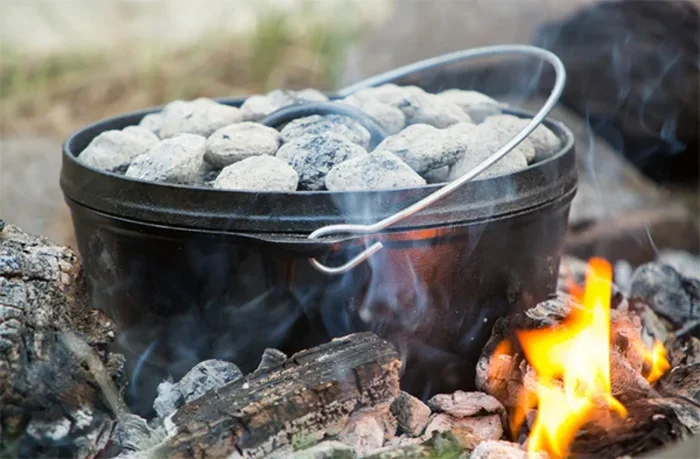
One of the most traditional uses of a Dutch oven is campfire cooking. For generations, outdoor enthusiasts and scouts have brought cast iron pots to the campsite. A Dutch oven can sit directly over hot coals or be buried in hot ashes for slow, even cooking in the great outdoors.
You can bake fresh bread, cook a hearty chili, or prepare a complete breakfast over a campfire with a Dutch oven. It is one of the most reliable pieces of outdoor cooking gear you can own. The durability of cast iron means it can handle the rough conditions of outdoor cooking without any worries. Just make sure to bring a sturdy lid lifter and heat-safe gloves.
One-Pot Meals for Busy Weeknights
Busy weeknights call for simple, fuss-free meals that the whole family will enjoy. A Dutch oven makes one-pot meals a breeze. You can brown meat, add vegetables, pour in broth or sauce, and let everything simmer for hours while you handle other tasks.
One-pot meals like pasta bakes, skillet dinners, slow-cooked curries, and hearty casseroles all benefit from the even heat of a Dutch oven. You can start cooking on the stovetop and move it straight to the oven. This versatile cookware saves time, energy, and dishes on busy nights. Cleanup is a breeze because you only have one pot to wash.
Searing and Browning Meat
Another excellent use for a Dutch oven is searing meat. The thick bottom gets very hot and creates a beautiful, flavorful crust on steaks, chops, chicken, and fish. Searing locks in juices and adds rich flavor through the Maillard reaction.
After searing, you can add aromatics, vegetables, and liquid, and let the dish finish cooking in the oven. This makes the Dutch oven a true all-in-one cooking vessel. You do not need to transfer your food between pans, which makes the whole process smoother and more enjoyable. The result is restaurant-quality meals made with simple, straightforward steps.
Types of Dutch Ovens Compared
Not all Dutch ovens are the same. There are a few main types, and each has its own strengths and weaknesses. Understanding the differences helps you pick the right one for your cooking style and budget.
| Feature | Bare Cast Iron | Enameled | Ceramic/Clay |
|---|---|---|---|
| Heat Retention | Excellent | Very Good | Moderate |
| Maintenance | High (seasoning required) | Low (easy cleanup) | Moderate |
| Durability | Generational | Very Good | Moderate |
| Price Range | Budget-Friendly | Mid to High | Low to Mid |
| Acidic Foods | Not Recommended | Great Choice | Good Choice |
| Campfire Safe | Yes | Yes (check brand) | No |
| Weight | Heavy | Heavy | Light |
| Best For | Braising, campfire cooking | Baking, everyday use | Gentle simmering |
Traditional Cast Iron Dutch Oven
The classic cast iron Dutch oven is the original design and remains the favorite of many experienced cooks. It is made from a single piece of cast iron and is incredibly durable. With proper care, a bare cast iron Dutch oven can last for generations and even be passed down as a family heirloom.
Bare cast iron offers the best heat retention of any material. It works on any heat source, including stovetops, ovens, campfires, and charcoal grills. The downside is that it is heavier than enameled versions and requires more careful maintenance. You need to season it regularly and dry it thoroughly after washing to prevent rust.
Enameled Dutch Oven
An enameled Dutch oven has a glass-like coating on the inside and outside. This eliminates the need for seasoning and makes cleanup much easier. You can cook acidic foods like tomato sauce, wine-based braises, and citrus dishes without worrying about metallic tastes or damaging the seasoning.
Enameled Dutch ovens come in many bright colors and look beautiful on the dinner table. They are slightly lighter than bare cast iron but still offer excellent heat retention. The trade-off is a higher price point and the risk of chipping if the enamel is dropped or knocked against a hard surface.
Ceramic and Clay Dutch Ovens
Some Dutch ovens are made from ceramic or clay materials. These are lighter than cast iron and work well for gentle, low-temperature cooking. They are popular in certain cuisines and for specific traditional dishes. However, they do not offer the same level of heat retention as cast iron and are more fragile. They are best suited for slow simmering and dishes that do not require high-heat searing.
Best Dutch Oven Recipes to Try at Home
Once you have your Dutch oven, the fun begins. There are countless Dutch oven recipes to explore, and the possibilities are truly endless. Here are some ideas to get you started on your home cooking journey.
Start with a classic beef stew. Brown chunks of beef, add onions, carrots, potatoes, and beef broth, and let it simmer for two hours. The result is a rich, comforting dish that fills your kitchen with amazing aromas and warms everyone at the table.
Try baking a round of artisan bread. Mix a simple dough with flour, water, salt, and yeast, let it rise, and place it in a preheated Dutch oven with the lid on. The steam trapped inside creates a crust that rivals any professional bakery. You will be amazed at how easy it is to achieve such impressive results.
For a crowd-pleasing weeknight dinner, make a one-pot chicken and rice casserole. Brown the chicken pieces, add rice, vegetables, and broth, and let the oven do the rest. Dinner is ready with minimal effort and maximum flavor. The whole family will love it.
Do not forget about desserts. Dutch oven cobblers and brownies are simple to make and taste absolutely incredible. The even heat of the pot ensures your baked goods come out perfectly every time. You can even make skillet cookies for a fun and indulgent treat.
How to Choose the Right Dutch Oven
Choosing the right Dutch oven depends on your cooking style, budget, and kitchen setup. Here are the key factors to keep in mind when shopping.
Size matters. Dutch ovens come in sizes ranging from 2 quarts to 7 quarts or more. A 5-quart pot is the most popular choice for families and everyday cooking. It handles most recipes comfortably. If you cook for a large household or love making big batches of soups and stews, consider a 6- or 7-quart option.
Material is important. Cast iron offers the best heat retention and durability for the long term. Enameled versions are easier to maintain and come in attractive colors. Choose based on how much effort you want to put into care and maintenance.
Lid design also plays a role. Look for a lid with a slight rim or knob that can hold ice cubes for continuous searing. Some lids have self-basting spikes that drip moisture back onto the food. These small features can make a big difference in your cooking results.
Handle comfort is often overlooked but very important. Make sure the handles are oven-safe and easy to grip. You will be moving a heavy pot full of hot food, so secure, heat-resistant handles are essential for safety and convenience.
Caring for Your Dutch Oven
Proper care keeps your Dutch oven performing at its best for many years. The maintenance routine depends on the material of your pot.
For bare cast iron Dutch ovens, avoid using soap, which can strip the seasoning. Instead, scrub with warm water and a stiff brush. Dry the pot completely after washing to prevent rust. Rub a thin layer of oil on the inside after each use to maintain the seasoning and keep the surface smooth.
Enameled Dutch ovens are much easier to clean. Most are dishwasher-safe, though hand washing is recommended to preserve the enamel finish over time. Avoid thermal shock by never placing a hot pot in cold water. Let it cool down naturally before washing to prevent cracking.
Quick Tips for Dutch Oven Care
- Always dry your pot thoroughly after washing, especially bare cast iron.
- Store with the lid slightly ajar to allow air circulation and prevent moisture buildup.
- Use wooden or silicone utensils to avoid scratching the enamel interior.
- Re-season bare cast iron every few months or whenever food starts sticking.
- Never stack heavy pots inside a Dutch oven without a protective cloth between them.
Common Mistakes to Avoid
Even experienced cooks can make mistakes with their Dutch oven. Here are a few common errors to watch out for.
Skipping the preheat. A Dutch oven needs time to heat up before you add food. Placing food in a cold pot leads to uneven cooking and poor browning. Always preheat your pot on the stovetop for at least 5 minutes before adding ingredients.
Using too little or too much liquid. Because the lid traps moisture, you need less liquid than you would in an open pan. Too much liquid can turn a stew into a watery mess. Start with less and add more if needed during cooking.
Ignoring temperature limits. Not all Dutch ovens are rated for the same maximum temperature. Check the manufacturer’s guidelines before placing your pot under the broiler or at very high oven temperatures. Exceeding the limit can damage the enamel or the handles.
Why Home Cooks Love the Dutch Oven
The love for the Dutch oven is not hard to understand. This single piece of versatile cookware replaces multiple pots and pans in your kitchen. It saves time, reduces cleanup, and produces restaurant-quality results right at home.
Home cooks appreciate the Dutch oven because it simplifies complex recipes. A dish that would normally require monitoring on the stovetop and transferring to a baking dish can be done entirely in one pot. The heat retention and even heat distribution mean you can set it and forget it while the pot does all the work.
Expert Insight
Chef and cooking instructor Maria Torres says: “The Dutch oven is the one tool I recommend to every home cook. It is the difference between feeling overwhelmed in the kitchen and feeling confident. Once you master a few Dutch oven recipes, you will wonder how you ever cooked without one.”
The emotional connection to the Dutch oven is real and powerful. Many people associate this pot with family traditions, holiday meals, and slow-cooked comfort food. It is more than just a piece of cookware. It is a symbol of home, warmth, and good food shared with the people you love.
Whether you are making a simple weeknight dinner or hosting a holiday feast, the Dutch oven delivers every time. Its simplicity, durability, and incredible cooking performance make it a must-have for any kitchen. Once you start cooking with a Dutch oven, you will wonder how you ever managed without it.
Final Thoughts
The Dutch oven is truly one of the greatest tools a home cook can own. From slow cooking and braising to baking bread and campfire cooking, its uses are nearly endless. It is a kitchen essential that earns its place on the stovetop, in the oven, and even outdoors around the campfire.
If you have been wondering whether a Dutch oven is worth adding to your collection, the answer is a resounding yes. Start with a simple recipe, and you will quickly see why home cooks around the world swear by this remarkable piece of versatile cookware. Your kitchen, your meals, and your taste buds will thank you.
Frequently Asked Questions
Can I use a Dutch oven on a glass stovetop?
Yes, most Dutch ovens are safe to use on glass stovetops. However, always check the manufacturer’s guidelines first. Lift the pot instead of sliding it to avoid scratching the glass surface. Cast iron bottoms are heavy, so handle with care to prevent damage.
Is a Dutch oven the same as a slow cooker?
No, they are different tools. A Dutch oven is a thick-walled pot that cooks on the stovetop or in the oven, while a slow cooker is an electric appliance that cooks at low temperatures over many hours. A Dutch oven offers more versatility and better browning capabilities.
Can I bake bread in a Dutch oven?
Absolutely. Baking bread in a Dutch oven is one of the most popular uses for this pot. The tight lid traps steam, which creates a crispy crust and a soft interior. Try a no-knead recipe for the easiest and most impressive results.
How do I season a bare cast iron Dutch oven?
To season a bare cast iron Dutch oven, wash it with warm water, dry it completely, and rub a thin layer of vegetable oil or flaxseed oil over the entire surface. Place it upside down in an oven preheated to 375°F for one hour. Let it cool inside the oven before storing.
What size Dutch oven should I buy?
A 5-quart Dutch oven is the most popular and versatile size for most households. It comfortably serves 4 to 6 people and handles most recipes well. If you cook for a larger family or love making big batches of soups and stews, consider a 6- or 7-quart option.
Can I use a Dutch oven for deep frying?
Yes, a Dutch oven works great for deep frying. The heavy walls maintain a stable oil temperature, which is essential for crispy, evenly cooked food. Just make sure you do not fill it more than halfway with oil and always monitor the temperature with a thermometer for safety.