How To Cook Liver And Onions In The Oven Step By Step
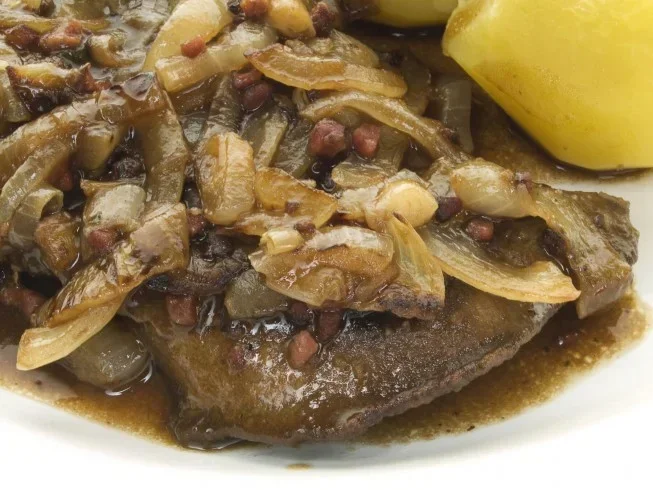
Cooking liver and onions in the oven is one of the easiest and most delicious ways to prepare this classic dish. This guide walks you through every step, from choosing the right liver to getting perfectly caramelized onions and tender, golden slices. You will learn essential tips for prep, seasoning, timing, and serving that guarantee great results.
Key Takeaways
- Oven-baked liver is simpler than stovetop cooking: It requires less active attention and produces even results.
- Choosing quality liver matters: Fresh beef or chicken liver gives the best flavor and texture.
- Soaking liver in milk removes bitterness: This is a game-changing step many people skip.
- Temperature and timing are key: Baking at 375°F for 15-20 minutes keeps liver tender and juicy.
- Caramelized onions elevate the dish: Slow-cooked onions add sweetness and depth to every bite.
- Resting the liver before serving preserves moisture: This small step makes a big difference in texture.
📑 Table of Contents
- How To Cook Liver And Onions In The Oven Step By Step
- Why Cook Liver And Onions In The Oven?
- Choosing The Right Liver
- Preparing The Liver Like A Pro
- Preparing The Onions
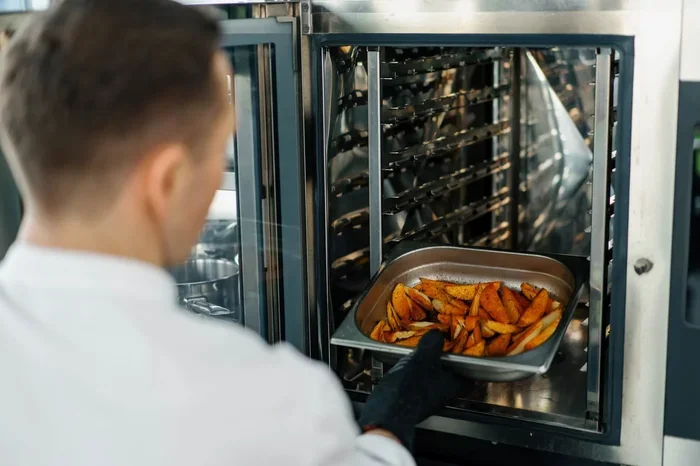
- The Oven Baking Process
- Serving And Pairing Suggestions
- Common Mistakes To Avoid
- Expert Tips For Perfect Liver Every Time
- Storing And Reheating Leftovers
- Conclusion
How To Cook Liver And Onions In The Oven Step By Step
Liver and onions is a timeless dish that has graced dinner tables for generations. Many people think of it as a stovetop recipe, but cooking liver and onions in the oven offers a hands-off approach that delivers consistent, beautiful results. Whether you are a beginner cook or someone looking for a simpler method, this oven-baked version is worth trying.
The beauty of this dish lies in its simplicity. You need just a few ingredients, a hot oven, and about 30 minutes of total time. The oven does the work for you, giving you perfectly cooked liver with golden-brown edges and onions that turn soft and sweet. In this guide, we cover every step in detail so you can nail this recipe on your very first try.
If you enjoy oven-cooked meats, you might also like learning about how to cook stuffed rouladen in the oven, which uses a similar slow-roasting approach for tender, flavorful results.
Why Cook Liver And Onions In The Oven?
There are many ways to prepare liver and onions. But the oven method has some clear advantages that make it worth trying. Here is why so many home cooks are switching to this approach.
Even Cooking Without Constant Attention
When you cook liver on the stovetop, you need to watch it closely. Liver goes from perfect to overcooked in seconds. The oven solves this problem entirely. You set the temperature, place the dish inside, and let the oven do the work. This frees you up to prep sides, set the table, or simply relax while your meal cooks.
Better Texture And Consistent Results
Oven heat surrounds the food evenly. This means every slice of liver cooks at the same rate. You avoid the hot spots that can cause uneven browning on a stovetop pan. The result is liver that is tender throughout with a gentle crust on the outside.
Simpler Cleanup
One baking dish or sheet pan handles everything. There are no splattered pans from stovetop splattering. A quick wash of a single dish makes cleanup a breeze. This is one of the reasons many busy weeknight cooks prefer oven methods.
Choosing The Right Liver
The foundation of any great liver and onions dish starts with selecting the right liver. Not all liver is created equal, and your choice affects both flavor and texture.
Beef Liver Vs Chicken Liver
Beef liver is the most traditional choice for this dish. It has a robust, mineral-rich flavor that pairs beautifully with onions. Beef liver slices are thicker, which holds up well to oven baking without drying out too quickly.
Chicken liver is another excellent option. It is milder in flavor and cooks faster. Chicken livers are smaller and tend to get tender very quickly in the oven. They work especially well if you prefer a lighter taste.
What To Look For When Buying Liver
- Freshness: Buy liver that smells mildly sweet, not bitter or ammonia-like.
- Color: Beef liver should be deep reddish-brown. Chicken liver should be a pale pinkish-tan.
- Texture: The liver should feel firm but slightly moist, not slimy or dry.
- Source: Choose liver from grass-fed beef or free-range chickens for the best flavor.
How Much Liver Per Person?
A good rule of thumb is about 4 to 6 ounces of liver per person. Liver is rich and satisfying, so a little goes a long way. Plan for about one-third of a pound per adult serving. This ensures everyone gets a generous portion without waste.
Preparing The Liver Like A Pro
Proper preparation is the secret to great-tasting oven-baked liver. Skipping prep steps is the number one reason liver turns out tough or bitter. Take the extra few minutes to prep correctly, and the results will speak for themselves.
Step 1: Rinse And Pat Dry
Start by rinsing the liver slices under cold running water. Gently pat them completely dry with paper towels. Moisture on the surface creates steam in the oven, which prevents browning. Dry liver browns beautifully and develops that lovely crispy edge.
Step 2: Soak In Milk (The Secret Step)
This is the single most important tip for delicious liver. Place the slices in a bowl of milk and refrigerate for at least 30 minutes, or up to 2 hours. The milk draws out any bitter or metallic flavors. After soaking, rinse the liver briefly and pat dry again.
Many experienced cooks swear by this technique. It transforms the taste of liver from strong and gamey to mild and smooth. If you have ever disliked liver before, this step might change your mind completely.
Step 3: Slice Evenly
Trim away any connective tissue or membranes from the liver. Slice pieces to an even thickness, about half an inch. Uniform slices cook at the same rate, so you avoid some pieces being overdone while others are underdone.
Step 4: Season Simply But Well
Keep the seasoning classic and effective. A generous pinch of salt and black pepper works wonders. Add a dusting of garlic powder and a touch of smoked paprika for extra depth. Some cooks like a light sprinkle of flour on the liver before baking, which helps create a light crust.
Preparing The Onions
Onions are not just a sidekick in this dish. They are an equal partner that deserves just as much attention as the liver. The right onion preparation makes all the difference.
Which Onions Work Best?
Yellow onions are the traditional choice. They strike the perfect balance between sweetness and sharpness when cooked slowly. Sweet Vidalia onions are another fantastic option, especially in warmer months when they are at their peak.
How To Slice And Cook The Onions
- Peel the onions and slice them into thin half-moons.
- Heat a tablespoon of butter or olive oil in your oven-safe dish before adding the onions.
- Cook the onions on the stovetop for about 5 minutes until they start to soften.
- Add a pinch of salt, which helps draw out moisture and speeds up caramelization.
- Transfer the dish to the oven and let the onions continue cooking alongside the liver.
Slow-cooked onions develop a deep sweetness that complements the rich flavor of liver perfectly. Do not rush this step. The caramelization process is what turns ordinary onions into something truly special.
The Oven Baking Process
Now comes the part where everything comes together. The oven baking process is straightforward, but a few details make all the difference between good and outstanding results.
Oven Temperature And Timing
Preheat your oven to 375°F. This is the sweet spot for liver and onions. It is hot enough to brown the surface while keeping the inside tender and juicy. If your oven runs hot, drop the temperature to 350°F and add a few extra minutes.
Bake the liver and onions for 15 to 20 minutes. Check at the 15-minute mark. The liver should feel firm but still slightly springy when you press it. Overcooked liver becomes chalky and dry, so err on the side of slightly underdone. The liver will continue to cook slightly as it rests.
Using The Right Baking Dish
A glass or ceramic oven-safe dish works best. Glass dishes heat evenly and allow you to monitor the browning from the sides. Avoid using metal pans that are too thin, as they can cause hot spots and uneven cooking.
Some people wonder about using different containers in the oven. For example, if you are curious about what is safe to use in your oven, check out our guide on whether it is safe to put a pizza box in the oven, which covers oven-safe materials in detail.
Adding Broth Or Wine For Extra Flavor
For an extra layer of flavor, add a splash of beef broth or red wine to the bottom of the dish before baking. The liquid creates steam that keeps the liver moist and builds a flavorful pan sauce. About one-quarter cup is plenty. This simple addition elevates a basic recipe into something truly restaurant-quality.
Basting For Best Results
If you have the time, baste the liver halfway through cooking. Use a spoon to pour the juices from the bottom of the dish over the top of the liver slices. This keeps the surface moist and adds flavor with every pass. It takes just 30 seconds but makes a noticeable difference.
Serving And Pairing Suggestions
Liver and onions is a complete dish on its own, but the right sides take it to the next level. Here are some tried-and-true serving ideas that complement this classic meal.
Best Side Dishes
- Creamy mashed potatoes: The classic pairing. The creamy texture and mild flavor balance the rich liver perfectly.
- Buttered egg noodles: These soak up the pan juices beautifully and add a comforting element.
- Steamed rice: A lighter option that lets the liver and onions remain the star of the show.
- Roasted vegetables: Carrots, green beans, or roasted broccoli add color and nutrition to the plate.
- Crusty bread: Perfect for mopping up every last drop of the delicious pan sauce.
A Simple Pan Sauce Recipe
Do not throw away the juices left in the baking dish. They are pure gold. Place the dish on the stovetop over medium heat. Add one cup of beef broth and stir to deglaze, scraping up all the browned bits. Let it simmer for 3 to 4 minutes until slightly thickened. A small knob of butter stirred in at the end adds richness and shine. Pour this over the liver and serve immediately.
If you are exploring different oven types for cooking meals like this, you might find our article on how to make a tandoori oven interesting for understanding how different oven designs affect your cooking results.
Wine And Drink Pairings
A medium-bodied red wine pairs wonderfully with liver and onions. Try a Cabernet Sauvignon or a Merlot. The tannins in the wine complement the richness of the liver without overpowering it. For non-drinkers, a sparkling apple cider or a dark cherry juice makes a surprisingly good alternative.
Common Mistakes To Avoid
Even experienced cooks can slip up when making liver and onions. Knowing what to avoid saves you from disappointing results.
Overcooking The Liver
This is the most common mistake by far. Liver continues to cook after you remove it from the oven. Pull it out when it still looks slightly pink in the center. It will be perfectly cooked by the time it reaches the table. Overcooked liver becomes dry, grainy, and tough to chew.
Skipping The Milk Soak
Some people skip the milk soak because they are in a hurry. Do not do this. The milk soak removes bitterness and results in a much milder, more pleasant flavor. If you have no time to soak, at least rinse the liver thoroughly and pat it very dry.
Using Cold Liver Straight From The Fridge
Let the liver come to room temperature for about 15 minutes before baking. Cold liver placed in a hot oven cooks unevenly. The outside overcooks while the center stays cold. Room temperature liver cooks evenly throughout, giving you that perfect tender bite.
Overcrowding The Pan
Give the liver slices space. Overcrowding traps steam and prevents browning. Arrange the slices in a single layer with a little room between each piece. If you need to cook more, use a second pan or bake in two batches. The extra few minutes of waiting is absolutely worth it.
Expert Tips For Perfect Liver Every Time
Here are some bonus tips from experienced cooks that will help you achieve the best possible results.
- Use a meat thermometer: Internal temperature of 160°F indicates perfectly cooked liver. This removes all guesswork.
- Rest before serving: Let the dish sit for 3 to 5 minutes after removing from the oven. This allows the juices to redistribute, making every bite more flavorful.
- Fresh herbs at the end: Sprinkle fresh parsley or thyme over the top just before serving. The brightness of fresh herbs contrasts beautifully with the rich liver.
- Double the onions: Many people underestimate how many onions they need. Use at least two medium onions for a pound of liver. The onions should generously surround the liver, not just sit on top.
- Try different fats: Switch between butter, olive oil, or even bacon grease for different flavor profiles. Each adds a unique character to the dish.
Storing And Reheating Leftovers
Liver and onions store well if you handle them correctly. Leftovers make a great next-day meal, but proper storage is essential for food safety and quality.
Let the dish cool to room temperature within two hours of cooking. Transfer the liver and onions to an airtight container. They will keep in the refrigerator for up to 3 days. Reheat gently in the oven at 300°F for about 10 minutes. Avoid microwaving, as it can make the liver rubbery and tough.
Freezing is not recommended for liver. The texture changes significantly after freezing and thawing. It is best enjoyed fresh or within a few days of cooking.
Conclusion
Cooking liver and onions in the oven is one of the simplest and most rewarding meals you can make at home. With the right liver, a proper milk soak, the perfect oven temperature, and a little patience with your onions, you will create a dish that rivals anything served in a restaurant. The oven method removes the stress of stovetop cooking and delivers consistent, beautiful results every single time.
Give this recipe a try on a quiet weeknight when you want something hearty and satisfying without spending hours in the kitchen. Once you master the basics, you can experiment with different seasonings, onion varieties, and serving styles to make the dish your own. Once you see how easy and delicious oven-baked liver can be, you will wonder why you ever cooked it any other way.
Gather your ingredients, preheat that oven, and enjoy one of the most comforting and classic meals there is. Your kitchen will smell incredible, and your taste buds will thank you.
Frequently Asked Questions
Can I use frozen liver for this recipe?
Yes, you can use frozen liver, but thaw it completely in the refrigerator overnight first. Thawing ensures even cooking and better texture. Never cook liver directly from frozen, as the outside will overcook before the inside thaws.
How do I know when liver is done in the oven?
Cooked liver should feel firm but still slightly springy when you press it. Use a meat thermometer to check for an internal temperature of 160°F. The center should still look slightly pink, which is perfectly safe and ensures tenderness.
Can I add other vegetables to the dish?
Absolutely. Bell peppers, mushrooms, and diced tomatoes all work wonderfully alongside liver and onions. Add them during the last 10 minutes of baking so they cook through without turning mushy.
Why does my liver taste bitter?
Bitter-tasting liver usually means it was not soaked in milk long enough or was overcooked. Always soak liver in milk for at least 30 minutes and remove it from the oven when it is just done, not well-done.
What is the best oven temperature for liver?
375°F is the ideal temperature for oven-baked liver. It browns the surface nicely while keeping the inside moist and tender. If your oven tends to run hot, reduce to 350°F for more gentle cooking.
How long can I store cooked liver and onions?
Store leftovers in an airtight container in the refrigerator for up to 3 days. Reheat gently in the oven rather than the microwave to maintain the best texture and flavor.