What Temp To Heat Up Food In Oven For Best Results
Knowing what temp to heat up food in oven makes all the difference between a meal that tastes fresh and one that feels dry or overcooked. The ideal reheating temperature generally falls between 250°F and 375°F depending on the type of food you are warming up. This guide covers safe temperatures, oven settings, and practical tips for reheating everything from pizza to roasted vegetables in your oven the right way.
Ever pulled leftover food out of the fridge and wondered what temp to heat up food in oven to get it tasting just right? Reheating food in the oven is one of the best ways to bring back that fresh-cooked flavor. Unlike a microwave, which can turn your meal soggy or uneven, an oven delivers gentle, consistent heat that warms food all the way through.
The right oven temperature depends on what you are reheating. A slice of pizza needs a different setting than a plate of roasted chicken or leftover pasta. Getting this right means less wasted food and more delicious meals. In this guide, we walk you through the best temperatures, settings, and techniques for every type of leftover.
We will cover safe internal temperatures, common mistakes to avoid, and simple tips that make reheating feel easy. Whether you are a beginner in the kitchen or just looking to improve your routine, this article has everything you need. Let us dive in and make your leftovers taste amazing again.
Key Takeaways
- General Reheating Range: Most foods reheat best between 250°F and 375°F in the oven.
- Low and Slow Wins: Lower temperatures around 250°F to 300°F keep food moist and prevent drying out.
- Use an Oven-Safe Dish: Always choose glass, ceramic, or metal containers that can handle oven heat safely.
- Cover with Foil: Wrapping food loosely in foil traps moisture and helps heat distribute evenly.
- Check Internal Temperature: Use a food thermometer to make sure reheated food reaches a safe 165°F internally.
- Avoid the Microwave When Possible: Oven reheating restores crispiness and texture better than a microwave.
- Preheat Your Oven: Always preheat before placing food inside for consistent and reliable results.
📑 Table of Contents
- What Temp to Heat Up Food in Oven: The General Rule
- How to Reheat Different Foods in the Oven
- Oven Settings and Tips for Perfect Reheating
- Common Mistakes People Make When Reheating Food in the Oven
- Food Safety: Keeping Your Reheated Meals Safe
- Oven vs. Microwave: Why Oven Reheating Often Wins
- Quick Tips for Better Oven Reheating
- Final Thoughts on What Temp to Heat Up Food in Oven
What Temp to Heat Up Food in Oven: The General Rule
The short answer is that most foods reheat well between 250°F and 375°F. This range works for a wide variety of dishes and helps preserve moisture while warming food evenly. Going too high can dry out your meal, while going too low may leave it cold in the center.
Why Temperature Matters for Reheating
When you reheat food, you are not just warming it up. You are restoring its texture, flavor, and moisture balance. Too much heat pushes out moisture quickly, leaving food tough and dry. Too little heat leaves cold spots that can also be a food safety concern.
Using the correct oven temperature ensures that heat moves through the food at a steady pace. This gives you that just-cooked taste without overcooking the edges. It also helps maintain the structure of baked goods, meats, and casseroles.
The Safe Internal Temperature for Reheated Food
According to food safety guidelines, reheated food should reach an internal temperature of 165°F. This applies to all leftovers, including meats, grains, and casseroles. A simple food thermometer is your best friend here. Poke it into the thickest part of the dish to confirm it is fully heated through.
Do not guess. Even if the food looks hot on the outside, the center may still be too cool. Taking a few extra seconds to check the temperature keeps your meals safe and delicious.
How to Reheat Different Foods in the Oven
Not all foods need the same oven setting or temperature. Different dishes respond better to specific heat levels. Here is a breakdown of common foods and the best way to reheat each one.
Reheating Pizza in the Oven
Pizza is one of the most popular leftovers, and the oven is the absolute best way to reheat it. Set your oven to 375°F and place the pizza slice on a baking sheet or oven-safe pan. For a crispier crust, you can place a piece of foil loosely over the top for the first few minutes.
Heat for about 8 to 10 minutes. The cheese should be melted and bubbly, and the crust should feel crispy again. Avoid using the microwave for pizza. It turns the crust rubbery and the cheese rubbery in a way that just does not work.
Reheating Roasted Meats
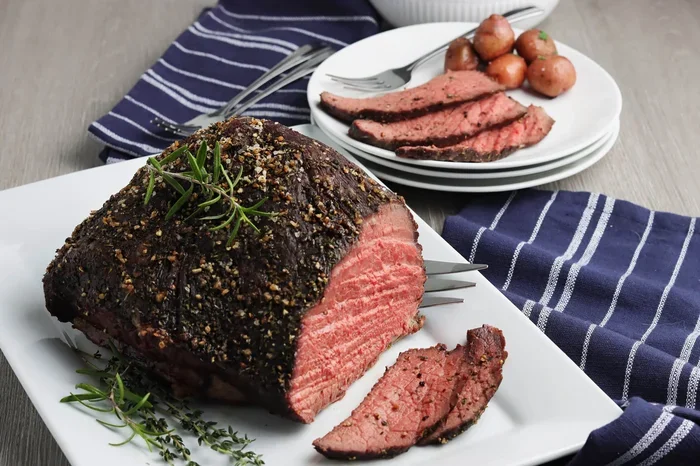
Roasted chicken, beef, or pork needs a gentler approach. Set the oven to 250°F to 300°F. Place the meat in an oven-safe dish and add a small splash of broth or water to keep it moist. Cover with foil to trap steam and heat evenly.
Heat for 15 to 25 minutes depending on the size of the cut. Use a meat thermometer to check that the internal temperature reaches 165°F. This low and slow method keeps the meat tender and juicy instead of tough and dry.
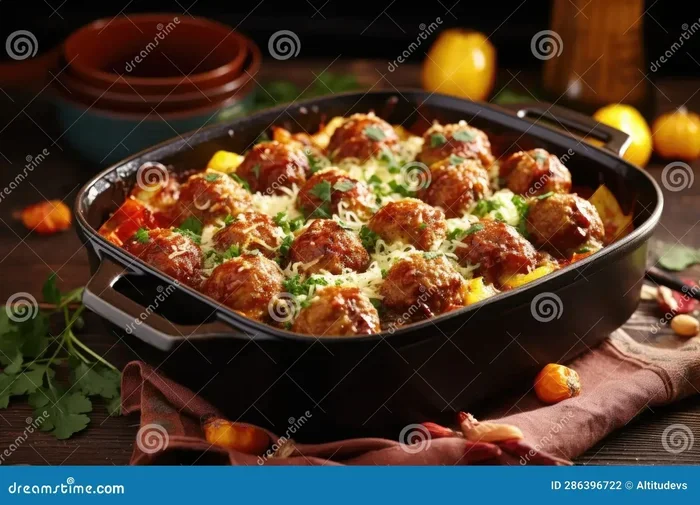
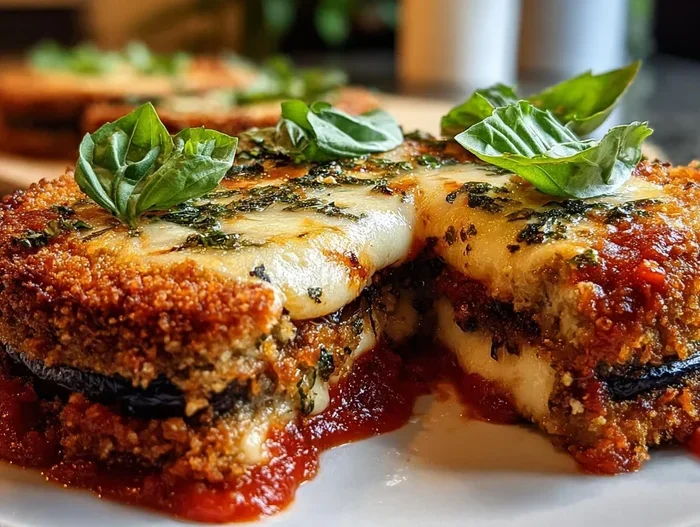
Reheating Casseroles and Baked Dishes
Casseroles, lasagna, and baked pasta dishes do well at 325°F to 350°F. Place the dish in the oven and cover it with foil for the first half of the heating time. This prevents the top from drying out or burning.
Remove the foil for the last 10 to 15 minutes to let the top warm up and get slightly crispy. Stirring halfway through can also help distribute heat more evenly in thicker dishes. Most casseroles need about 20 to 30 minutes to reheat fully.
Reheating Bread and Baked Goods
Bread, rolls, and pastries need a low temperature to stay soft. Set the oven to 300°F and wrap the item loosely in foil. Heat for 5 to 10 minutes. The foil prevents the crust from becoming too hard while the inside warms up.
For a crispy baguette or crusty bread, skip the foil and bake at 350°F for just 3 to 5 minutes. Watch it closely so it does not dry out. Freshly baked bread reheated this way tastes almost as good as the day you made it.
Reheating Roasted Vegetables
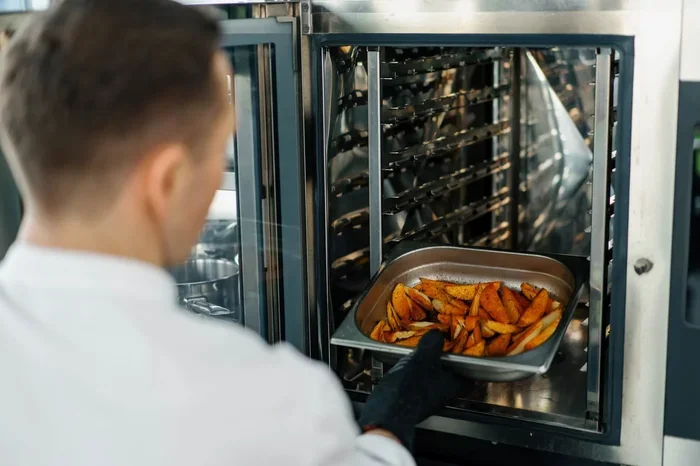
Roasted veggies like broccoli, carrots, and potatoes reheat well at 350°F to 375°F. Spread them out on a baking sheet in a single layer. This allows air to circulate around each piece and restores some of the original crispiness.
Heat for about 10 minutes and give the pan a shake halfway through. Adding a tiny drizzle of olive oil can bring back some of that roasted flavor. Avoid piling them too high or they will steam instead of roast.
Oven Settings and Tips for Perfect Reheating
Getting the temperature right is only part of the equation. How you set up your oven and prepare the food matters just as much. Here are some practical tips that make a big difference.
Always Preheat Your Oven
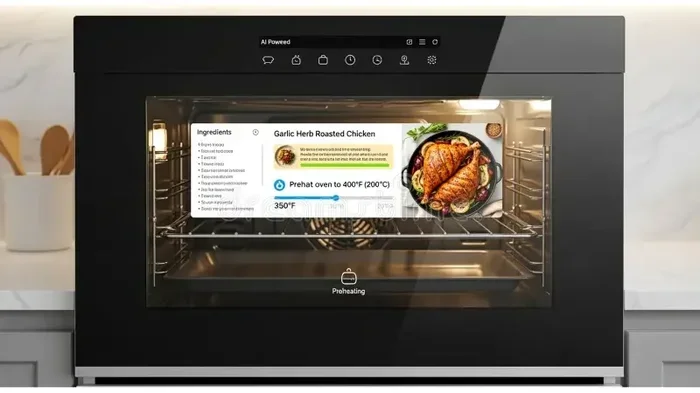
Preheating is a step many people skip when reheating, but it makes a real difference. A preheated oven starts warming your food immediately instead of waiting for the temperature to climb. This leads to more even heating and better results overall.
Give your oven at least 5 to 10 minutes to reach the target oven temperature before placing food inside. Use the oven light and window to check progress rather than opening the door too often, which lets heat escape.
Use the Right Oven-Safe Dish
Not every dish works in the oven. Glass, ceramic, and metal pans are all oven-safe options. Avoid plastic containers, melamine plates, or dishes with decorative paint that is not heat-safe.
Using the correct dish prevents cracking, melting, or chemical leaching into your food. A glass baking dish works great for casseroles, while a metal sheet pan is ideal for pizza and vegetables. Matching the dish to the food type helps you get the best results.
Cover Food with Foil for Moisture Control
Loose foil covering is one of the simplest and most effective reheating tricks. It traps steam inside the dish, which keeps food moist and helps heat reach the center faster.
Do not wrap the food tightly. A loose tent of foil works best. This still allows some air to circulate, which is important for restoring crispiness on the surface. Remove the foil during the last few minutes of heating if you want a crispy finish.
Set a Timer and Check Often
Every oven runs a little differently. Some run hot, while others run cool. Setting a timer helps you keep track of heating time and prevents overcooking.
Check the food a few minutes before the timer goes off. Look for visual cues like melted cheese, steaming edges, or warmed-through centers. Adjust the time as needed based on what you see and feel.
Common Mistakes People Make When Reheating Food in the Oven
Even with the best intentions, common mistakes can ruin your reheated food. Knowing what to avoid helps you get better results every time.
Using Too High a Temperature
This is the most common mistake. Cranking the oven up to 400°F or higher to reheat food quickly leads to dried-out edges and cold centers. High heat cooks the outside before the inside has a chance to warm through.
Stick to the recommended reheat temperature range of 250°F to 375°F. Patience pays off here. A slightly longer heating time at a lower temperature gives you much better results.
Skipping the Foil Cover
Leaving food uncovered for the entire reheating time can cause moisture loss. Meats dry out, casseroles turn crusty on top too soon, and rice or pasta becomes stiff.
Using a loose foil cover for at least part of the reheating time helps retain moisture. It is a small step that makes a noticeable difference in the final texture of your food.
Overcrowding the Pan
Stacking or piling food too high on a baking sheet blocks airflow. This leads to uneven heating and steaming instead of crisping. Food ends up soggy rather than crispy and warm.
Spread food out in a single layer whenever possible. Use multiple pans if you need to reheat a large batch. The extra effort in using more dishes pays off in better texture and more even heating.
Forgetting to Add Moisture
Some foods, especially meats and grains, benefit from a small addition of liquid before reheating. A splash of broth, water, or sauce helps replace moisture that was lost during the first cooking and storage.
This is especially important for chicken, rice, and pasta dishes. Without added moisture, these foods can turn dry and unappetizing very quickly in the oven.
Food Safety: Keeping Your Reheated Meals Safe
Reheating food is not just about taste. It is also about safety. Improperly reheated food can harbor harmful bacteria that cause foodborne illness. Following a few simple rules keeps your meals both delicious and safe.
The Two-Hour Rule for Leftovers
Do not leave cooked food sitting out at room temperature for more than two hours. Bacteria grow rapidly between 40°F and 140°F, which is known as the danger zone. Store leftovers in the fridge promptly after eating.
If food has been out longer than two hours, it is safest to throw it away. No reheating method can fully undo the bacterial growth that occurs when food sits too long at room temperature.
Proper Storage Before Reheating
Store leftovers in shallow, airtight containers. This helps them cool faster in the fridge and reduces the risk of bacterial growth. Divide large batches into smaller portions for quicker cooling.
When you are ready to reheat, take the food out of the fridge and let it sit at room temperature for about 10 to 15 minutes. This small step helps the food heat more evenly in the oven and reduces the overall reheating time.
Reheat Only Once
Repeatedly reheating food increases the risk of bacterial contamination. Only reheat the portion you plan to eat. If you have leftovers after that meal, store them fresh and do not reheat them again.
This rule applies to all reheated meals, not just oven-warmed dishes. Following this simple practice keeps your kitchen safe and your food quality high.
Oven vs. Microwave: Why Oven Reheating Often Wins
Many people default to the microwave for reheating because it is fast. But the oven offers several advantages that the microwave simply cannot match.
A microwave heats food using radiation that vibrates water molecules. This creates steam inside the food, which can make bread, pizza, and roasted items soggy and limp. The microwave also heats unevenly, leaving some parts cold while others are too hot.
An oven uses dry, convective heat that surrounds the food evenly. This restores crispiness to crusts and surfaces while warming the inside gently. The result is food that tastes much closer to freshly cooked.
The trade-off is time. Oven reheating takes longer than a microwave, usually 10 to 30 minutes depending on the dish. But for meals where texture and flavor matter, the extra time is well worth it. Think of it as a mini cook that brings your leftovers back to life.
If you need to reheat something quickly and texture does not matter much, the microwave is fine. But for pizza, roasted meats, casseroles, and baked goods, the oven is the clear winner. Using the right oven temperature for each food type is the key to unlocking the best results.
Quick Tips for Better Oven Reheating
- Preheat the oven before placing food inside for even heating from the start.
- Use a food thermometer to confirm the internal temperature reaches 165°F.
- Cover with loose foil to trap moisture and heat evenly.
- Add a splash of liquid to meats, rice, and pasta to prevent drying out.
- Use oven-safe dishes made of glass, ceramic, or metal.
- Spread food in a single layer on baking sheets for even airflow.
- Remove foil at the end for a crispy finish on casseroles and pizza.
- Let food rest for 2 to 3 minutes after removing from the oven before serving.
Final Thoughts on What Temp to Heat Up Food in Oven
Knowing what temp to heat up food in oven transforms the way you handle leftovers. Instead of risking dry, unevenly warmed meals, you can bring back the flavors and textures that make your food enjoyable again. The general range of 250°F to 375°F covers most dishes, while specific foods benefit from slight adjustments within that range.
Always remember to preheat your oven, use oven-safe dishes, and check the internal temperature with a food thermometer. These small habits add up to significantly better results every single time you reheat food. Avoid common pitfalls like using too high heat, skipping the foil cover, or overcrowding your pan.
Your oven is one of the most versatile tools in your kitchen. It does not just cook fresh meals. It also brings back the best qualities of leftovers with warmth, crispiness, and flavor. Next time you reach for that container of food in the fridge, you will know exactly what temp to heat up food in oven for the best possible results. Happy reheating!
Frequently Asked Questions
What is the best temperature to reheat food in the oven?
The best temperature depends on the food type, but most dishes reheat well between 250°F and 375°F. For pizza and crispy items, use 375°F. For meats and casseroles, a lower range of 250°F to 325°F works better. Always aim for an internal temperature of 165°F for food safety.
Can I reheat any food in the oven?
Most foods reheat well in the oven, including pizza, roasted meats, casseroles, bread, and vegetables. Avoid reheating foods in plastic containers or dishes with non-oven-safe coatings. Always use glass, ceramic, or metal oven-safe dishes for the best and safest results.
How long should I reheat food in the oven?
Reheating time varies by food type and oven temperature. Pizza takes about 8 to 10 minutes at 375°F. Meats need 15 to 25 minutes at 250°F to 300°F. Casseroles usually take 20 to 30 minutes at 325°F to 350°F. Always check the internal temperature to confirm the food is fully heated.
Is it safe to reheat food in the oven multiple times?
No, it is best to reheat food only once. Repeated reheating increases the risk of bacterial growth and foodborne illness. Only reheat the portion you plan to eat and store the rest properly in the fridge.
Why does my food dry out in the oven when reheating?
Food dries out when the oven temperature is too high or when it is left uncovered for too long. Using a lower temperature and covering food with loose foil helps retain moisture. Adding a small splash of broth or water to meats and grains also prevents drying.
Do I need to preheat the oven for reheating leftovers?
Yes, preheating is recommended. A preheated oven warms food more evenly and reduces overall reheating time. Give your oven 5 to 10 minutes to reach the target temperature before placing your food inside for the best results.
=== CONCLUSION ===
What temp to heat up food in oven is a simple question with a big impact on how your leftovers taste and feel. The right temperature range of 250°F to 375°F, combined with proper techniques like preheating, using foil, and checking internal temperatures, ensures every reheated meal comes out warm, moist, and delicious. Avoid common mistakes like using too much heat or overcrowding your pan, and always prioritize food safety by reaching 165°F internally. With these tips in hand, you will never waste a leftover again. Your oven is ready to work for you, and your meals will thank you for it.