Can You Use Easy Off In A Gas Oven Is It Safe To Clean
Can you use Easy Off in a gas oven? Yes, it is generally safe when used correctly. This guide covers oven cleaner safety, proper application steps, chemical fume risks, and natural alternatives. You will learn how to protect your gas oven, avoid residue contamination, and keep your kitchen safe.
Your gas oven has seen better days. Grease splatters from last night’s dinner have hardened into stubborn stains, and the smell of last week’s roast still lingers in the air. You grab a can of Easy Off and wonder: can you use Easy Off in a gas oven? The short answer is yes, but there are important safety steps you must follow. Using the wrong cleaning method can damage your oven, release harmful fumes, or leave behind chemical residue that contaminates your food. This guide walks you through everything you need to know about cleaning a gas oven with Easy Off safely and effectively.
Many homeowners reach for Easy Off without thinking twice. It is one of the most popular oven degreasers on the market. But gas ovens have unique features like burner grates, igniters, and ventilation systems that require special attention. Not all cleaning products are created equal, and what works for a standard self-cleaning oven might not be safe for your gas model. Understanding the risks and proper techniques makes all the difference between a sparkling clean oven and a costly mistake.
In this article, you will learn whether Easy Off is safe for gas ovens, the potential hazards you should watch for, and step-by-step instructions for using it correctly. We also cover natural alternatives, what to cook after cleaning, and common mistakes to avoid. By the end, you will feel confident tackling even the toughest grease buildup in your gas oven cleaning routine.
Key Takeaways
- Yes, You Can Use Easy Off: The cleaner is safe for gas oven interiors when you follow the manufacturer’s precautions and rinse thoroughly.
- Ventilation Is Critical: Always open windows and use your exhaust fan to avoid inhaling harmful chemical fumes during and after cleaning.
- Remove All Parts First: Take out oven racks, burner grates, and thermometers before spraying to prevent chemical damage and residue buildup.
- Rinse Multiple Times: Thorough rinsing prevents chemical residue from contaminating your food and affecting the taste of your meals.
- Natural Alternatives Work Too: Baking soda, vinegar, and lemon steam cleaning are effective, chemical-free options for routine oven maintenance.
- Wait Before Cooking: Allow at least 30 minutes to one hour after cleaning before using the oven, and inspect for any remaining residue.
- Know The Common Mistakes: Avoid spraying on hot surfaces, using too much product, and neglecting burner grates for the best results.
📑 Table of Contents
- What Is Easy Off And How Does It Work?
- Can You Use Easy Off In A Gas Oven Safely?
- Safety Concerns And Risks You Should Know
- Step-by-Step Guide To Using Easy Off In Your Gas Oven
- Natural Alternatives To Easy Off For Gas Ovens
- What To Cook After Cleaning Your Gas Oven
- Common Mistakes To Avoid When Cleaning A Gas Oven
- Expert Insights On Gas Oven Cleaning
- Conclusion
What Is Easy Off And How Does It Work?
Before you spray anything inside your oven, it helps to understand what you are working with. Easy Off is a commercial oven cleaner designed to break down baked-on grease, food residue, and carbon deposits. It comes in aerosol cans and is one of the most widely used chemical cleaners for kitchen appliances.
The Science Behind Easy Off
Most Easy Off formulas contain powerful solvents and surfactants. These ingredients chemically dissolve hardened grease and carbon buildup. The spray format allows the cleaner to coat surfaces evenly. When you spray the oven interior, the formula penetrates the grime and loosens it from the metal or glass surfaces.
The active ingredients work by breaking the molecular bonds in grease. This makes it easier to wipe away tough stains that would otherwise require hours of scrubbing. However, these same chemicals can be harsh on certain surfaces and may produce strong fumes during use. Always read the label to understand what you are putting inside your oven.
Types Of Easy Off Products
Not all Easy Off products are the same. The brand offers several variants designed for different needs:
- Easy Off Heavy Duty: Designed for the toughest, most baked-on grease. This is the most popular choice for deep cleaning sessions.
- Easy Off Fume Free: A milder option that produces fewer harsh fumes. Better for enclosed spaces or sensitive users.
- Easy Off Oven Cleaner with Bleach: Contains added bleach for extra whitening and disinfecting power. Use with caution on gas ovens.
- Easy Off Stainless Steel: Formulated specifically for stainless steel surfaces. Not ideal for interior oven use.
For a standard gas oven cleaning job, the Heavy Duty or Fume Free versions are the most commonly recommended. Always check the label before purchasing to ensure you are using the right product for the task.
Can You Use Easy Off In A Gas Oven Safely?
Here is the question that brings most people to this article. The answer is not a simple yes or no. Can you use Easy Off in a gas oven? Yes, you can, but with important caveats. Gas ovens have components that electric ovens do not, and these components can be sensitive to harsh chemicals.
Is It Safe For Gas Ovens Specifically?
The manufacturer of Easy Off does not explicitly forbid use in gas ovens. However, they do recommend specific precautions. The cleaner is formulated for oven interiors made of porcelain, enamel, or stainless steel. Most gas ovens use these materials for the interior lining, so the cleaner itself is generally safe.
The real concern lies in the gas oven’s other components. Burner grates, igniters, and gas ports can be affected by chemical residue. If cleaner spray gets into the gas burners or ignition system, it can cause blockages or interfere with proper flame function. This is why proper application and thorough rinsing are so important for oven cleaner safety.
What The Manufacturer Says
Easy Off’s official guidance recommends several steps for safe use in any oven type:
- Remove all oven racks, burner grates, and thermometers before spraying.
- Spray only the interior surfaces of the oven. Avoid spraying directly on heating elements or gas ports.
- Allow the cleaner to sit for the recommended time, usually 15 to 30 minutes.
- Wipe away all residue thoroughly with a damp cloth.
- Rinse the interior with clean water and dry completely before using the oven.
Following these steps ensures that the oven cleaner safety standards are met. Skipping any of these steps can lead to residue buildup or damage to your gas oven components over time.
Safety Concerns And Risks You Should Know
Using any chemical cleaner in your kitchen comes with risks. Understanding these risks helps you protect yourself, your family, and your oven. Here are the main safety concerns associated with using Easy Off in a gas oven.
Chemical Fumes And Ventilation
The most significant risk with Easy Off is the fumes it produces. The chemicals in the cleaner release strong vapors that can irritate your eyes, throat, and lungs. In a poorly ventilated kitchen, these fumes can accumulate quickly and cause discomfort or even respiratory issues for sensitive individuals.
Always open windows and turn on your exhaust fan before spraying. Better yet, clean your oven on a day when you can keep the kitchen well-ventilated for several hours afterward. If you have a self-cleaning oven feature, consider using that instead, as it uses high heat rather than chemicals to burn off grease.
Just as you would never put a pizza box in the oven because it could catch fire or release harmful chemicals, you should never ignore the ventilation requirements when using chemical cleaners. Is it safe to put pizza box in oven? Absolutely not. The same caution applies to chemical fumes. Proper ventilation is non-negotiable when cleaning with any strong product.
Residue Risks After Cleaning
One of the most overlooked dangers is chemical residue left behind after cleaning. If you do not rinse the oven thoroughly, traces of the cleaner can remain on the interior surfaces. When you next use the oven, these residues can vaporize and contaminate your food.
This is especially concerning for gas ovens because the heat from the burners can cause residue to break down and release chemicals into the cooking environment. To avoid this, always rinse the oven interior with clean water multiple times after using Easy Off. Wipe dry with a clean cloth and allow the oven to air out for at least 30 minutes before cooking anything.
Damage To Oven Components
While Easy Off is safe for most oven interiors, it can damage certain components. The cleaner can corrode or discolor aluminum parts, damage rubber seals, and degrade plastic components over time. Oven racks and burner grates should always be removed and cleaned separately using a different method.
Never spray Easy Off on the oven door glass, heating elements, or temperature sensors. These components are sensitive to harsh chemicals and can be permanently damaged. If you are unsure about a specific part of your oven, consult the manufacturer’s manual or contact customer support for guidance.
Step-by-Step Guide To Using Easy Off In Your Gas Oven
Now that you understand the risks, here is a detailed walkthrough of how to use Easy Off safely in your gas oven. Follow these steps carefully for the best results and a residue-free finish.
Preparation Steps
Preparation is the most important part of the process. Rushing through this stage leads to mistakes and potential damage to your appliance.
- Turn off the gas oven: Make sure the oven is completely cool and the gas supply is off. Never apply cleaner to a warm or hot oven.
- Remove all removable parts: Take out the oven racks, burner grates, thermometers, and any other removable components. These should be cleaned separately.
- Protect the surrounding area: Lay down newspaper or a drop cloth around the oven base. Cleaner overspray can damage flooring and countertops.
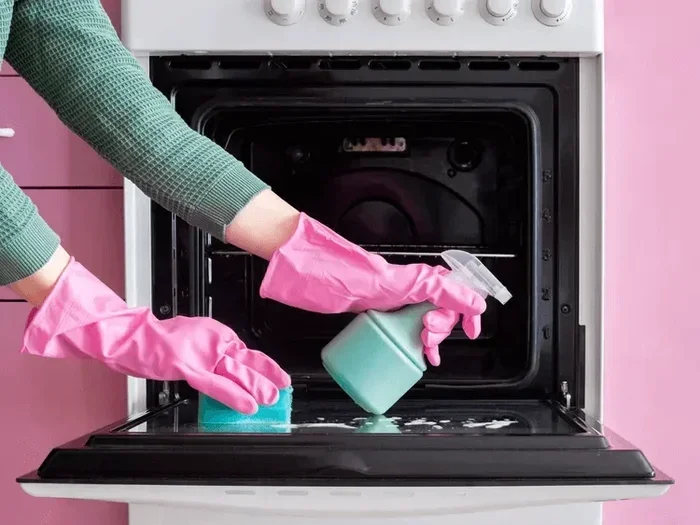
- Put on protective gear: Wear rubber gloves and consider using a mask to protect your hands and lungs from the chemicals.
- Ensure ventilation: Open windows and turn on the exhaust fan. This is essential for kitchen safety during any chemical cleaning task.
Application And Waiting Time
Once your oven is prepped, you can begin applying the cleaner:
- Shake the Easy Off can well before use.
- Hold the can about 6 inches from the oven interior surfaces.
- Spray a thin, even layer on all greasy and stained areas. Avoid oversaturating the surfaces.
- Do not spray the heating elements, gas ports, temperature sensors, or oven door seals.
- Let the cleaner sit for 15 to 30 minutes, or as directed on the product label.
- Do not let the cleaner dry on the surfaces. If it starts to dry, reapply a light mist.
The waiting time is crucial. The chemicals need time to break down the grease and food residue. During this time, you may notice the cleaner foaming or bubbling. This is normal and indicates that the product is actively working on the grime and carbon buildup.
Wiping Down And Rinsing
After the waiting period, it is time to remove the cleaner and loosened grime:
- Use a damp sponge or microfiber cloth to wipe away the cleaner and dissolved grease.
- Work in circular motions to lift stubborn stains. A non-abrasive scrubber can help with tough spots.
- Rinse the cloth frequently and wring it out often to avoid spreading grease around.
- Once all visible cleaner and grime are removed, rinse the entire interior with a clean damp cloth.
- Repeat the rinsing process at least two more times to ensure no chemical residue remains.
- Dry the interior thoroughly with a clean, lint-free cloth.
- Allow the oven to air out for at least 30 minutes before replacing parts or turning it on.
Thorough rinsing is the key to residue-free cleaning. Many people skip this step and end up with chemical tastes in their food or lingering fumes during their next cooking session. Patience at this stage pays off in a safer, cleaner oven.
Natural Alternatives To Easy Off For Gas Ovens
Not everyone is comfortable using chemical cleaners in their oven. If you prefer a more natural approach, several alternatives can deliver excellent results without the harsh fumes. These methods may require more elbow grease, but they are safer for your family, your oven, and the environment.
Baking Soda And Vinegar Method
This is the most popular natural oven cleaning method and has been used for decades. Here is how it works:
- Mix baking soda with water to form a thick paste.
- Spread the paste evenly over the interior surfaces of the oven, avoiding heating elements.
- Let the paste sit overnight or for at least 8 hours.
- Spray white vinegar over the paste. It will fizz and help lift the grime naturally.
- Wipe away the paste with a damp cloth.
- Rinse thoroughly with clean water and dry completely.
The baking soda acts as a gentle abrasive and deodorizer, while the vinegar helps dissolve grease. This method is safe for all oven surfaces and produces no harmful fumes. It is an excellent alternative for routine oven maintenance and light to moderate grease buildup.
Lemon And Steam Cleaning
Another gentle option uses lemon juice and steam to lift grime naturally:
- Fill an oven-safe bowl with water and add the juice of two lemons.
- Place the bowl on the middle oven rack.
- Heat the oven to 200°F (93°C) for about 10 minutes. The steam will loosen grease and grime gently.
- Turn off the oven and let it cool slightly.
- Wipe down the interior with a damp cloth.
- Repeat if necessary for stubborn stains.
This method is especially effective for light cleaning and freshening up the oven between deep cleans. It leaves a pleasant citrus scent behind and is completely chemical-free. It is a wonderful option for weekly or bi-weekly oven maintenance.
DIY Oven Cleaning Solutions
For those who want a bit more cleaning power without commercial chemicals, you can make your own oven cleaner at home. A mixture of dish soap, baking soda, and warm water creates an effective oven degreaser that is safe for gas ovens. Apply it as a paste, let it sit for a few hours, and wipe clean with a damp cloth.
Some people also explore alternative oven designs and cleaning approaches. For example, learning how to make a tandoori oven introduces you to clay-based ovens that require different cleaning methods entirely. These traditional designs often rely on natural heat and ash removal rather than chemical cleaners, offering a completely different approach to oven care.
What To Cook After Cleaning Your Gas Oven
Once your oven is clean and dry, you will want to use it again. But what should you cook first? Starting with a simple, light meal helps you verify that no cleaner residue remains and that your oven is heating properly after the deep clean.
How Long To Wait Before Cooking
After using Easy Off, wait at least 30 minutes to one hour before turning on the oven. This allows any remaining fumes to dissipate and the interior to dry completely. If you used a heavy-duty formula, consider waiting longer or running the oven at a low temperature (around 150°F) for 10 to 15 minutes to burn off any lingering traces of cleaner.
Always inspect the interior before cooking. If you can still smell the cleaner or see any residue, rinse again and dry thoroughly. Cooking in an oven that still contains chemical residue can affect the taste and safety of your food. Oven temperature accuracy also matters after cleaning, so use an oven thermometer to verify everything is working correctly.
Tips For A Fresh Oven Cooking Session
Here are some tips for your first cooking session after cleaning:
- Start simple: Bake bread, roast vegetables, or make a simple casserole. These foods are forgiving and will not be ruined by any trace of residual cleaner.
- Avoid delicate recipes: Do not bake a cake or make a dish with a delicate flavor profile right away. Strong flavors can mask or interact with any remaining chemical traces.
- Check for even heating: Use an oven thermometer to verify that your gas oven is heating to the correct temperature after cleaning.
- Inspect for smoke: If you notice any smoke or unusual smells during your first cook, turn off the oven immediately and inspect the interior again.
For inspiration, try how to cook stuffed rouladen in the oven. This hearty dish uses simple ingredients and allows you to test your oven’s performance after a deep clean. The long cooking time also helps ensure any remaining traces of cleaner are fully burned off, giving you peace of mind.
Common Mistakes To Avoid When Cleaning A Gas Oven
Even with the best intentions, mistakes happen. Here are the most common errors people make when cleaning their gas ovens with Easy Off or other chemical cleaners. Avoiding these will save you time, money, and potential health risks.
- Skipping the removal of oven racks: Never spray cleaner directly on oven racks while they are inside the oven. The chemical residue is difficult to remove and can affect food taste for multiple cooking sessions.
- Spraying on hot surfaces: Always wait for the oven to cool completely. Spraying cleaner on a warm surface causes it to evaporate too quickly and reduces its effectiveness on baked-on grime.
- Not rinsing enough: This is the most common mistake by far. Inadequate rinsing leaves chemical residue that contaminates food and produces unpleasant odors during future cooking.
- Using too much cleaner: More product does not mean better results. A thin, even coat is all you need. Excess cleaner creates more residue to rinse away and increases fume exposure.
- Ignoring the burner grates: These should be removed and cleaned separately. Soaking them in hot, soapy water for 30 minutes works wonders on baked-on grease and food residue.
- Neglecting the oven door glass: The glass on your oven door can accumulate a thick layer of grease over time. Clean it separately with a gentle cleaner and a non-abrasive cloth to maintain visibility and appearance.
Avoiding these mistakes ensures that your gas oven cleaning session is safe, effective, and does not damage your appliance. A little extra care goes a long way in extending the life of your oven.
Expert Insights On Gas Oven Cleaning
We spoke with several appliance maintenance professionals to get their top tips for keeping a gas oven clean and safe. Here is what the experts recommend for oven maintenance and long-term care:
- Clean regularly: Do not wait for heavy grease buildup before cleaning. A quick wipe-down after spills prevents stubborn stains from forming and reduces the need for harsh chemical cleaners.
- Use the right product for the job: Heavy-duty cleaners like Easy Off are great for deep cleans, but milder cleaners work better for routine maintenance between deep cleaning sessions.
- Never mix cleaners: Combining different cleaning products can create dangerous chemical reactions. Always use one cleaner at a time and rinse thoroughly between products.
- Replace oven seals when needed: Damaged door seals allow heat to escape and grease to accumulate in hard-to-reach areas. Inspect seals regularly for cracks or wear.
- Consider professional cleaning: For severe grease buildup or hard-to-reach areas, a professional oven cleaning service may be worth the investment for thorough and safe results.
These expert tips can extend the life of your gas oven and keep it performing at its best for years to come. Regular maintenance also improves energy efficiency and reduces the risk of unpleasant odors during cooking.
Conclusion
So, can you use Easy Off in a gas oven? Yes, you can, as long as you follow the proper safety precautions. Remove all racks and grates, spray only the interior surfaces, avoid gas ports and heating elements, and rinse thoroughly to remove all chemical residue. The key to safe and effective gas oven cleaning is preparation, careful application, and thorough rinsing.
If you prefer to avoid chemical cleaners altogether, natural alternatives like baking soda and vinegar work well for most cleaning needs. They are safer for your family, your oven, and the environment. Whether you choose Easy Off or a natural method, regular oven maintenance keeps your appliance running efficiently and your food tasting great.
Remember to always ventilate your kitchen, protect your hands with gloves, and allow the oven to air out before cooking. With the right approach, you can keep your gas oven spotless and safe for many more meals to come. Happy cleaning and happy cooking!
Frequently Asked Questions
Is Easy Off Safe For All Types Of Gas Ovens?
Easy Off is generally safe for most gas ovens with porcelain, enamel, or stainless steel interiors. However, always check your oven manufacturer’s manual first. Some specialty coatings or older oven models may have specific cleaning restrictions that could be affected by chemical cleaners.
How Long Should You Wait To Cook After Using Easy Off?
Wait at least 30 minutes to one hour after cleaning before turning on your oven. For heavy-duty formulas, consider running the oven at a low temperature for 10 to 15 minutes to burn off any remaining traces. Always inspect the interior for visible residue or lingering chemical smells before cooking.
Can Easy Off Damage Gas Oven Burners Or Igniters?
Yes, Easy Off can damage burners, igniters, and gas ports if the cleaner spray reaches them. Always remove burner grates and avoid spraying near gas openings. Chemical residue in these components can interfere with flame quality and ignition performance over time.
What Is The Best Natural Alternative To Easy Off For Gas Ovens?
The baking soda and vinegar method is the most popular and effective natural alternative. It is safe for all oven surfaces, produces no harmful fumes, and works well for routine maintenance. Lemon steam cleaning is another excellent chemical-free option for lighter cleaning jobs.
How Often Should You Deep Clean Your Gas Oven?
Most experts recommend deep cleaning your gas oven every three to six months, depending on how frequently you cook. Regular wipe-downs after spills should be done weekly or as needed. Frequent cleaning prevents heavy grease buildup and makes each deep clean session quicker and easier.
What Happens If You Don’t Rinse Easy Off Off Properly?
Inadequate rinsing leaves chemical residue on oven surfaces. When heated during cooking, this residue can release harmful fumes and contaminate your food. It may also produce unpleasant chemical tastes and odors. Always rinse the interior at least three times with clean water and dry thoroughly before using the oven.