How Long To Heat Sliced Ham In Oven For Best Results
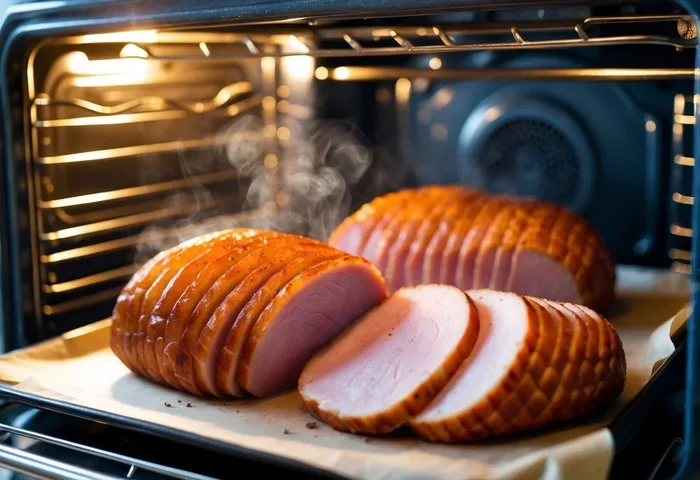
Heating sliced ham in the oven is simple when you know the right temperature and time. Most sliced hams need just 10 to 15 minutes at 325°F to warm through perfectly. This guide covers everything from oven temperature settings to glaze ideas, so your ham turns out moist and delicious every single time.
There is nothing quite like the smell of warm ham filling up your kitchen. Whether you are preparing a holiday dinner or a simple weeknight meal, how long to heat sliced ham in oven is the question that makes or breaks the dish. Too little time and the ham stays cold in the center. Too much time and you end up with dry, tough slices that nobody wants to eat.
The good news is that heating sliced ham in the oven is one of the easiest cooking tasks you can do. With the right oven temperature and a basic understanding of cook times, you will serve up perfectly warm, juicy ham every time. This guide walks you through everything you need to know, from prep work to plating.
We will cover the exact minutes and degrees you need. We will talk about glazing, foil wrapping, and how to check if your ham is ready. By the end, you will feel confident and ready to heat your ham like a pro. Let us get into it.
Key Takeaways
- Right Temperature: Always heat sliced ham at 325°F for even warming without drying it out.
- Cook Time Matters: Most sliced hams need only 10 to 15 minutes per pound in the oven.
- Use a Meat Thermometer: Check that the internal temperature reaches 140°F for food safety.
- Glaze Early: Apply your ham glaze in the last 5 to 10 minutes for a perfect caramelized finish.
- Cover with Foil: Tenting ham with aluminum foil keeps it moist during heating.
- Rest Before Serving: Let the ham sit for 5 minutes after removing it from the oven.
📑 Table of Contents
- Why Heating Sliced Ham in the Oven Works So Well
- How Long To Heat Sliced Ham In Oven: The Complete Guide
- Step-by-Step Instructions for Heating Sliced Ham
- The Best Oven Temperature for Sliced Ham
- How to Make a Delicious Ham Glaze
- Common Mistakes People Make When Heating Ham
- How to Store and Reheat Leftover Ham
- Expert Tips for Perfectly Heated Ham Every Time
- Frequently Asked Questions
Why Heating Sliced Ham in the Oven Works So Well
Many people wonder why the oven is the best way to warm up ham slices. The answer comes down to even heat distribution. Unlike a microwave, which can create hot spots and leave some slices cold, an oven surrounds the ham with gentle, consistent warmth. This keeps every piece at the same temperature.
Using an oven also gives you the chance to add a glaze or seasoning while the ham heats. The dry heat helps caramelize sugars in your glaze, creating that beautiful golden-brown finish. If you have ever wondered why oven-baked ham tastes so much better than microwaved ham, this is why.
The oven also lets you control the environment inside the cooking chamber. You can adjust the temperature, add moisture with a pan of water, or cover the ham with foil to slow down the heating process. This level of control simply does not exist with other heating methods.
Oven vs. Microwave: What Is the Difference?
A microwave heats ham fast, often in just 2 to 3 minutes. But it does so by exciting water molecules inside the meat. This can make the ham rubbery and unevenly warm. The oven takes longer, but the result is far superior in both texture and flavor.
If you are short on time, you can use a microwave for a quick reheat. But for the best results, especially when serving guests, the oven is the clear winner. Think of it this way: a microwave dries out your ham, while an oven keeps it moist and flavorful.
How Long To Heat Sliced Ham In Oven: The Complete Guide
The short answer to how long to heat sliced ham in oven depends on the thickness of your slices and the oven temperature you use. But here is a general rule of thumb that works almost every time.
For standard thin-sliced ham, preheat your oven to 325°F. Place the slices in an oven-safe dish, cover them with foil, and heat for about 10 to 15 minutes. For thicker slices or a full ham steak, you may need 20 to 25 minutes. The key is to check the internal temperature with a meat thermometer.
Your ham is ready when it reaches an internal temperature of 140°F. This ensures it is warm all the way through without overcooking the edges. Let the ham rest for about 5 minutes before serving to let the juices redistribute.
Heating Times by Ham Type
Not all hams are the same. Different types of sliced ham require slightly different heating approaches. Here is a quick breakdown to help you get it right every time.
- Thin-Cut Smoked Ham: 10 to 12 minutes at 325°F. These slices are delicate and warm up fast.
- Thick-Cut Ham Steak: 15 to 20 minutes at 325°F. The extra thickness needs more time.
- Spiral Sliced Ham: 12 to 18 minutes at 325°F. Cover loosely with foil to prevent drying.
- Honey-Glazed Ham: 10 to 15 minutes at 325°F. Add extra glaze in the last 5 minutes.
- Black Forest Ham: 10 to 14 minutes at 325°F. This dry-cured ham heats quickly.
Step-by-Step Instructions for Heating Sliced Ham
Follow these simple steps and you will have perfectly heated ham in no time. The process is straightforward and hard to mess up.
- Preheat your oven to 325°F. Let it reach the full temperature before placing the ham inside.
- Choose an oven-safe dish. A glass baking dish or aluminum pan works great. Make sure it is big enough to hold all the slices in a single layer.
- Arrange the ham slices in the dish. Do not stack them on top of each other. Even heat distribution matters.
- Add a little liquid if you want extra moisture. A splash of apple juice, chicken broth, or even water in the bottom of the dish helps keep the ham from drying out.
- Cover with foil. Tent the foil loosely over the dish. This traps steam and heats the ham gently.
- Place the dish in the oven on the middle rack. Set a timer for 10 minutes to start.
- Check the temperature after 10 minutes. Use a meat thermometer inserted into the thickest slice.
- Remove the foil for the last 5 minutes if you want a light caramelized top.
- Let the ham rest for 5 minutes before serving. This keeps the juices inside the meat.
Pro Tip: The Foil Method
The foil tent method is the secret weapon for moist ham. By covering the dish, you create a small greenhouse effect inside the oven. The heat circulates, the moisture stays trapped, and the ham warms evenly without any dry edges. Remove the foil only at the very end if you want a slightly crispy top layer.
Some people like to add a pat of butter or a drizzle of honey under the foil. This adds extra flavor and moisture. It is a small step that makes a big difference, especially with leaner ham varieties.
The Best Oven Temperature for Sliced Ham
Temperature control is the most important factor when you are learning how long to heat sliced ham in oven. Too hot and the edges will dry out before the center warms up. Too low and the ham takes forever to heat, and you risk food safety issues.
The sweet spot is 325°F. This temperature is hot enough to warm the ham in a reasonable amount of time but gentle enough to preserve moisture. It also gives the glaze time to set and caramelize if you choose to add one.
If your oven runs hot or cold, use an oven thermometer to verify the actual temperature inside. Many home ovens are off by 10 to 25 degrees, and this can throw off your cook time significantly.
What If You Want to Use a Higher Temperature?
Some recipes call for 350°F or even 375°F for a faster heat-up. You can use these higher temperatures, but you need to watch the ham closely. At 375°F, thin slices can go from perfectly warm to overcooked in just a few minutes.
If you do use a higher temperature, reduce the cook time and check the ham every 5 minutes. The internal temperature should still reach 140°F, but the ham will need less time at the higher heat. Always use a meat thermometer to be safe.
How to Make a Delicious Ham Glaze
A good glaze takes heated ham from great to unforgettable. The glaze adds sweetness, a slight caramelization, and a beautiful presentation. Making a glaze is simple and takes just a few minutes.
Here are three easy glaze ideas you can try with your heated ham:
- Classic Brown Sugar Glaze: Mix brown sugar, mustard, and a splash of pineapple juice. Spread it on during the last 5 minutes of heating.
- Honey-Bourbon Glaze: Combine honey, a splash of bourbon, and a pinch of cinnamon. Brush it on for a rich, slightly smoky flavor.
- Maple-Cloves Glaze: Maple syrup with whole cloves pressed into the ham. This is a traditional holiday favorite.
Apply the glaze during the last 5 to 10 minutes of heating. This gives the sugars time to melt and caramelize without burning. If you add the glaze too early, it can turn dark and bitter.
When to Add the Glaze
Timing is everything with a ham glaze. The sugars in most glazes caramelize quickly, so you want to add them late in the cooking process. A good rule is to add the glaze when there are about 5 to 10 minutes left on the timer.
Use a pastry brush to spread the glaze evenly over all the slices. You can also pour a thin layer of glaze into the bottom of the dish for extra flavor. The ham will absorb some of this as it heats, creating a deeper, more complex taste.
Common Mistakes People Make When Heating Ham
Even experienced cooks make mistakes when heating sliced ham. Knowing what to avoid saves you time, money, and a lot of disappointment.
Mistake 1: Skipping the Preheat
Putting cold ham into a cold oven leads to uneven heating. The outside of the ham may dry out while the center stays cold. Always preheat your oven to the correct temperature before placing the ham inside.
Mistake 2: Overheating the Ham
More time does not mean better results. Overheating sliced ham dries it out quickly. Set a timer, check the temperature, and pull the ham out as soon as it reaches 140°F internally.
Mistake 3: Stacking the Slices
Stacking ham slices blocks heat from reaching the middle pieces. Arrange them in a single layer with a little space between each slice. This ensures every piece heats evenly.
Mistake 4: Forgetting to Rest the Ham
Resting the ham after heating allows the juices to settle back into the meat. If you cut into it immediately, the juices run out and the ham feels dry. Give it 5 minutes, and the difference is noticeable.
How to Store and Reheat Leftover Ham
Leftover ham is a gift that keeps on giving. Proper storage keeps it fresh, and proper reheating keeps it tasty. Here is how to handle your leftover ham the right way.
Store leftover ham in an airtight container in the refrigerator. It will stay fresh for up to 4 days. For longer storage, wrap the ham tightly in plastic wrap and aluminum foil, then freeze it for up to 3 months.
When reheating leftover ham, follow the same steps as fresh ham. Preheat to 325°F, cover with foil, and heat for 8 to 12 minutes. Check the internal temperature and enjoy. The oven is always the best method for reheating ham, though a quick microwave session works in a pinch.
If you have leftover ham bones, do not throw them away. Ham bones make incredible stock for soups, beans, and stews. Simmer the bone in water with vegetables for a few hours, and you have a rich, smoky broth that adds depth to any dish.
Expert Tips for Perfectly Heated Ham Every Time
Here are some expert-level tips that separate good heated ham from great heated ham. These small details make a big difference in the final result.
- Bring the ham to room temperature before placing it in the oven. This reduces the heating time and promotes even cooking.
- Use a shallow baking dish. A wide, shallow dish exposes more surface area to heat, warming the ham faster.
- Add a splash of apple juice to the dish. This adds a subtle sweetness and keeps the ham moist.
- Label your leftovers with the date. Ham stored in the fridge is best within 4 days for optimal flavor and safety.
- Experiment with glazes. Try different combinations of mustard, honey, brown sugar, and spices to find your perfect flavor profile.
If you enjoy cooking with ovens, you might also be interested in learning more about other oven techniques. For instance, understanding how to make a tandoori oven at home can open up a whole new world of oven-cooked meats and breads. The principles of temperature control and even heat distribution apply across many different oven types.
Similarly, if you ever need to reheat food in its original packaging, it helps to know what is safe. For example, is it safe to put a pizza box in the oven is a common question that highlights the importance of understanding oven-safe materials. The same awareness applies when choosing the right dish for your ham.
Finally, mastering oven techniques opens the door to more complex recipes. Once you are comfortable heating ham, you might want to try something like how to cook stuffed rouladen in the oven. These techniques build on the same fundamentals of temperature control and timing that you have now learned.
Frequently Asked Questions
Can I heat sliced ham on a baking sheet instead of a dish?
Yes, you can use a baking sheet lined with parchment paper. Place the slices in a single layer and follow the same time and temperature guidelines. A baking sheet works well because it allows air to circulate around the slices, promoting even heating.
What internal temperature should sliced ham reach when heated?
Sliced ham should reach an internal temperature of 140°F when heated. Use a meat thermometer to check the thickest slice. This temperature ensures the ham is warm throughout and safe to eat.
Can I heat ham with the glaze already on it?
Yes, but it is better to add fresh glaze during the last 5 to 10 minutes of heating. Pre-applied glaze can burn at high temperatures. Adding a new layer of glaze gives you a fresh, caramelized finish without the risk of charring.
Is it safe to reheat ham more than once?
It is best to reheat ham only once. Each reheat cycle increases the risk of bacterial growth and degrades the texture. Store leftovers properly and only reheat what you plan to eat in one sitting.
How do I keep ham from drying out in the oven?
Cover the ham with foil while it heats. This traps moisture and creates a gentle steaming effect. You can also add a small amount of liquid, like apple juice or broth, to the bottom of the dish for extra humidity.
Can I use a convection oven to heat sliced ham?
Yes, a convection oven works well for heating ham. Reduce the temperature by 25°F from the standard 325°F, so use 300°F instead. The fan circulates hot air more efficiently, so check the ham a few minutes earlier than you normally would.