How Long Do You Cook Crab Legs In The Oven Perfectly
Cooking crab legs in the oven is simple, fast, and delivers amazing flavor. Most crab legs need only 10 to 15 minutes at 400°F when baked properly. Whether you have king crab, snow crab, or frozen legs, this guide covers everything you need to know. You will learn the right temperatures, timing, and step-by-step methods for juicy, tender results. Follow these tips and you will never overcook crab legs again.
Key Takeaways
- Bake at 400°F for 10-15 minutes for perfectly cooked crab legs every time.
- Thaw frozen crab legs first for even cooking and better texture.
- Use garlic butter and lemon to add incredible flavor to oven-baked crab legs.
- Do not overcook or the meat will become rubbery and dry.
- Use a meat thermometer to check that internal temperature reaches 145°F.
- Baking is easier than boiling and gives you more flavor control.
- Reheat leftover crab legs at 350°F for 5-7 minutes to keep them moist.
📑 Table of Contents
- How Long Do You Cook Crab Legs In The Oven
- Why Oven-Baked Crab Legs Are Worth It
- The Perfect Oven Temperature for Crab Legs
- Step-by-Step Guide to Baking Crab Legs
- Common Mistakes to Avoid When Baking Crab Legs
- How to Reheat Leftover Crab Legs in the Oven
- Expert Tips for the Best Oven-Baked Crab Legs
- How Long Do You Cook Crab Legs In The Oven: Final Answer
How Long Do You Cook Crab Legs In The Oven
There is something special about cracking open warm, juicy crab legs at the dinner table. Oven-baked crab legs are easier to make than most people think. You do not need a fancy kitchen or years of cooking experience. A hot oven, a little butter, and about 15 minutes is all it takes. In this guide, we will walk you through every step of the process. You will learn the exact timing, temperatures, and tricks for perfect results.
Many home cooks wonder about the crab leg cooking time in an oven. The answer depends on the type of crab legs you have. King crab legs are thicker and may need a few extra minutes. Snow crab legs are thinner and cook faster. Frozen crab legs need a little extra attention to thaw properly first. No matter which type you choose, this guide has you covered. We will also share our favorite garlic butter crab legs recipe that takes oven-baked seafood to the next level.
Why Oven-Baked Crab Legs Are Worth It
Baking crab legs in the oven has several big advantages. First, it is much easier than standing over a boiling pot. Second, you get more flavor options when you bake. Third, oven-baked cooked crab legs look beautiful on a platter for guests. Let us look at why more people are choosing the oven method.
Oven-Baked vs Boiled Crab Legs
Boiling is the traditional way to cook crab legs. It works well, but it can dilute some of the natural sweetness. Oven-baked crab legs keep more of their original flavor because the heat surrounds them evenly. When you bake, you can add garlic, butter, and herbs directly to the legs. This gives you a richer taste that boiling simply cannot match.
Here is a quick side-by-side look at both methods:
- Boiling: Faster for some types, but less flavor control. The water can wash away some natural sweetness.
- Baking: Slightly longer, but much more flavor. The oven roasts the natural juices inside the shell.
- Steaming: A middle ground that keeps moisture in. However, it does not give you the caramelized butter finish that baking does.
What Types of Crab Legs Work Best for Baking
Almost any kind of crab leg works in the oven. King crab legs are the most popular choice because of their thick, sweet meat. Snow crab legs are smaller and cook a bit faster. They are also more affordable, which makes them great for family dinners. Golden king crab legs are another excellent option that bakes beautifully.
You can use frozen crab legs just as well as fresh ones. The key is to thaw them properly before baking. We will cover thawing in detail in the next section. Whether you buy fresh or frozen, the oven method delivers outstanding results every time.
The Perfect Oven Temperature for Crab Legs
Getting the oven temperature for crab legs right is the most important step. Too low and they take forever. Too high and the outside burns before the inside heats through. The sweet spot for baking crab legs is 400°F. This temperature cooks the meat evenly while giving the outside a slight golden touch.
Temperature Guide by Crab Leg Type
Different crab legs respond slightly differently to heat. Here is a simple temperature guide to follow:
- King crab legs: Bake at 400°F for 12-15 minutes. The thick legs need a bit more time to heat all the way through.
- Snow crab legs: Bake at 400°F for 8-10 minutes. These thinner legs cook faster, so watch them closely.
- Frozen crab legs: Bake at 400°F for 15-20 minutes after thawing. The extra time accounts for the cold start temperature.
- Reheating cooked crab legs: Bake at 350°F for 5-7 minutes. Lower heat keeps them from drying out.
The internal temperature of crab legs should reach 145°F when they are fully heated through. Use a quick-read meat thermometer to check. Insert it into the thickest part of the leg without touching the shell. This simple step takes the guesswork out of baking.
Quick Tips for Temperature Success
- Always preheat your oven before placing the crab legs inside. A cold oven throws off the cooking time.
- Use the middle rack so heat circulates evenly around the legs.
- Do not open the oven door too often. Each time you open it, the temperature drops and cooking slows down.
- Let the oven do the work. Resist the urge to turn up the heat to speed things along.
Step-by-Step Guide to Baking Crab Legs
Now that you know the temperature, let us walk through the full process. This step-by-step method works for almost any type of crab legs. Follow along and you will have a restaurant-quality dish on your table.
Step 1: Thaw Your Crab Legs Properly
If you are using frozen crab legs, you must thaw them first. The best way is to place them in the refrigerator overnight. Put them in a bowl or on a plate lined with paper towels to catch any moisture. This slow thaw keeps the texture tender and prevents the meat from becoming mushy.
If you need to thaw faster, place the sealed bag in cold water for 15-20 minutes. Never use warm or hot water. That can start cooking the outer layer and ruin the texture. Thawing crab legs properly is one of the most overlooked steps, but it makes a huge difference.
Step 2: Prepare Your Flavorful Butter Mixture
The secret to amazing oven-baked crab legs is the garlic butter. Here is a simple mixture you can make in seconds:
- 4 tablespoons of melted butter
- 2 cloves of minced garlic
- 1 tablespoon of fresh lemon juice
- A pinch of salt and pepper
- A sprinkle of paprika for color
Whisk these together in a small bowl. You can also add a tiny bit of fresh dill or parsley if you like. This garlic butter crab legs mixture is what separates a boring baked dish from an unforgettable one.
Step 3: Arrange and Bake
Line a baking sheet with aluminum foil for easy cleanup. Place the thawed crab legs on the sheet in a single layer. Use tongs to gently brush the garlic butter mixture over each leg. Make sure you coat them evenly but do not drench them.
Place the baking sheet on the middle rack of your preheated oven. Bake at 400°F for the recommended time based on your crab leg type. Most king crab legs need about 12-15 minutes. Snow crab legs are done in about 8-10 minutes.
Step 4: Check and Serve
After the baking time, carefully remove the sheet from the oven. Use tongs to check one leg. The shell should be bright red and hot to the touch. The meat inside should be opaque and flake easily. If you have a thermometer, confirm the internal temperature is 145°F.
Serve immediately with extra melted butter on the side, lemon wedges, and a sprinkle of fresh herbs. Oven-baked crab legs taste best when they are hot and fresh from the oven. They pair wonderfully with a crisp salad, roasted vegetables, or crusty bread.
Common Mistakes to Avoid When Baking Crab Legs
Even simple recipes have pitfalls that can ruin the final result. Here are the most common mistakes people make when baking crab legs in the oven. Avoiding these will save you from tough, dry, or undercooked seafood.
Mistake 1: Cooking From Frozen Without Adjusting Time
Putting frozen crab legs straight into the oven is a bad idea. The outside will overcook while the inside stays cold. Always thaw first, or add at least 5 extra minutes to the baking time if you must cook from frozen. The texture suffers greatly when you skip the thawing step.
Mistake 2: Using Too High a Temperature
Some cooks crank the oven up to 450°F or higher thinking it will cook faster. This is a mistake. High heat dries out the delicate crab meat before it has a chance to warm through evenly. Stick with 400°F for the best results. Patience pays off with tender, juicy crab legs.
Mistake 3: Overcooking the Legs
Overcooking is the number one enemy of great crab legs. When you leave them in the oven too long, the meat becomes rubbery and loses its sweetness. Set a timer and check them a minute or two before the recommended time is up. Perfectly cooked crab legs are juicy and tender, never tough or dry.
Mistake 4: Skipping the Butter or Seasoning
Crab legs are naturally delicious, but a little seasoning takes them to another level. Plain baked crab legs are fine, but garlic butter makes them extraordinary. Do not skip this step. It adds moisture and flavor that the oven alone cannot provide.
Mistake 5: Crowding the Baking Sheet
Give your crab legs room to breathe. When you crowd them on the baking sheet, the heat cannot circulate properly. Some legs will be hot while others stay cold. Arrange them in a single layer with space between each leg for even baking.
How to Reheat Leftover Crab Legs in the Oven
Do you have leftover cooked crab legs from the night before? You can absolutely reheat them in the oven. In fact, the oven is the best method for reheating because it keeps the meat moist. Microwaving tends to make crab rubbery and unevenly heated.
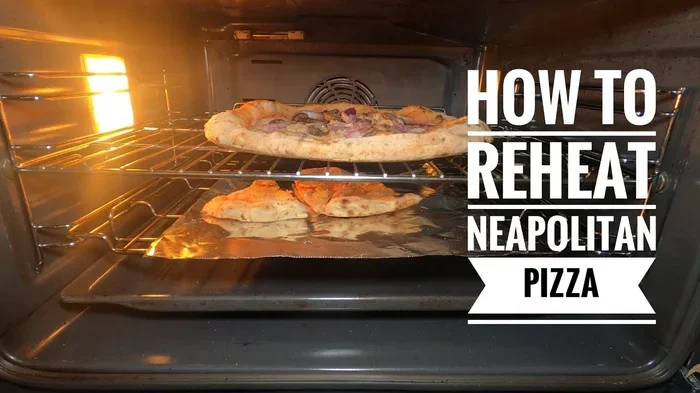
Here is how to do it right. Preheat your oven to 350°F. Wrap the crab legs loosely in aluminum foil. Place them on a baking sheet and heat for 5-7 minutes. The foil traps moisture so the meat does not dry out. Check them at the 5-minute mark. They are done when they are heated through and steaming hot.
You can also reheat baked crab legs with a fresh brush of garlic butter. This adds a nice boost of flavor and keeps the outside glossy. Leftover reheated crab legs taste almost as good as fresh, which is a testament to how well the oven method preserves moisture.
Expert Tips for the Best Oven-Baked Crab Legs
Want to take your baking crab legs game to the next level? These expert tips come from years of experience and will make a noticeable difference in your results.
Use a Meat Thermometer
This is the single best tool for perfect crab legs. A meat thermometer removes all guesswork. Insert it into the thickest part of the leg and wait for a reading of 145°F. Once you hit that temperature, pull them out immediately. This one tool prevents overcooking more than any other tip.
Add a Splash of White Wine
For an extra layer of flavor, add a tablespoon of white wine to your garlic butter mixture. The alcohol cooks off in the oven, leaving behind a subtle, sophisticated taste. This trick is common in seafood restaurants and works beautifully at home too.
Let Them Rest After Baking
Just like a steak, crab legs benefit from a short rest after coming out of the oven. Let them sit on the baking sheet for 2-3 minutes. This allows the juices to redistribute throughout the meat. When you finally crack them open, every bite will be moist and flavorful.
Pair with the Right Sides
Crab leg recipes shine when paired with complementary sides. A simple lemon-dill yogurt sauce adds a refreshing contrast. Roasted asparagus or grilled corn on the cob makes a great accompaniment. A light salad keeps the meal balanced without overwhelming the delicate crab flavor.
How Long Do You Cook Crab Legs In The Oven: Final Answer
The definitive answer to how long do you cook crab legs in the oven comes down to a few factors. For most crab legs, 10 to 15 minutes at 400°F is the perfect range. Thicker king crab legs may need the full 15 minutes. Thinner snow crab legs are done in about 8-10 minutes. Always check the internal temperature at 145°F to be sure.
The beauty of oven-baked crab legs is how forgiving the method is. You have a small window of perfection, but even if you go a minute or two over, the results are still delicious. Unlike boiling, where you have zero control over the final texture, baking gives you room to find your personal preference. Some people like their crab legs just barely warm. Others prefer a slightly more caramelized exterior. The oven lets you customize the result to your liking.
Remember to always thaw frozen legs first, use garlic butter for maximum flavor, and never walk away from the oven while they bake. With these simple rules in mind, you will serve perfectly baked crab legs every single time. Your family and guests will think you spent hours in the kitchen, but the truth is it takes just minutes of active prep and a little patience.
Oven-baked crab legs are one of the most impressive yet simplest dishes you can make. Once you master the timing and temperature, you will never go back to boiling again. The rich, buttery flavor and easy cleanup make this method a clear winner. So preheat that oven, melt some butter, and get ready to enjoy one of the best seafood experiences you can make at home.
Frequently Asked Questions
Can you cook crab legs directly from frozen in the oven?
Yes, you can, but the results are not ideal. Frozen crab legs need at least 20-25 minutes at 400°F and may cook unevenly. It is much better to thaw them first in the refrigerator overnight. Thawing ensures the meat heats through evenly and stays tender.
What is the best internal temperature for cooked crab legs?
The internal temperature of fully heated crab legs should reach 145°F. Use a meat thermometer to check the thickest part of the leg. This temperature ensures the crab is safe to eat and heated through without being overcooked.
How do you know when crab legs are done in the oven?
Done crab legs will be bright red and hot to the touch. The meat inside should be opaque and flake easily when pulled. If you have a thermometer, confirm the internal temperature is 145°F. Overcooked legs will appear dry and the meat will be tough to pull from the shell.
Is it better to boil or bake crab legs?
Baking is generally better for flavor because you can add garlic butter and seasonings directly to the legs. Boiling is faster and works well for large batches, but it can wash away some natural sweetness. Oven-baked crab legs give you more control over the final taste and texture.
Can you reheat already cooked crab legs in the oven?
Absolutely. Reheat cooked crab legs at 350°F for 5-7 minutes wrapped loosely in foil. The foil traps moisture and keeps the meat from drying out. Adding a fresh brush of butter during reheating brings back the rich flavor.
How long do baked crab legs last in the fridge?
Cooked crab legs stay fresh in the refrigerator for up to 3 days. Store them in an airtight container or wrap tightly in plastic wrap. Reheat gently in the oven at 350°F for best results. Avoid microwaving, which can make the meat rubbery.
=== CONCLUSION ===
Cooking crab legs in the oven is one of the easiest and most rewarding ways to prepare this delicious seafood. The key is getting the temperature right at 400°F and keeping an eye on the clock. Most crab legs need just 10 to 15 minutes, but the exact time depends on the type and thickness of the legs. Always thaw frozen legs first, use a flavorful garlic butter mixture, and check the internal temperature at 145°F for perfect results.
By avoiding common mistakes like overcooking and skipping the thawing step, you will consistently serve tender, juicy crab legs that impress everyone at the table. Whether you are cooking king crab legs for a special occasion or snow crab legs for a weeknight dinner, the oven method delivers outstanding flavor with minimal effort. Now that you know exactly how long to cook crab legs in the oven, it is time to put this knowledge to work. Preheat your oven, gather your ingredients, and enjoy one of the best seafood dishes you can make at home.