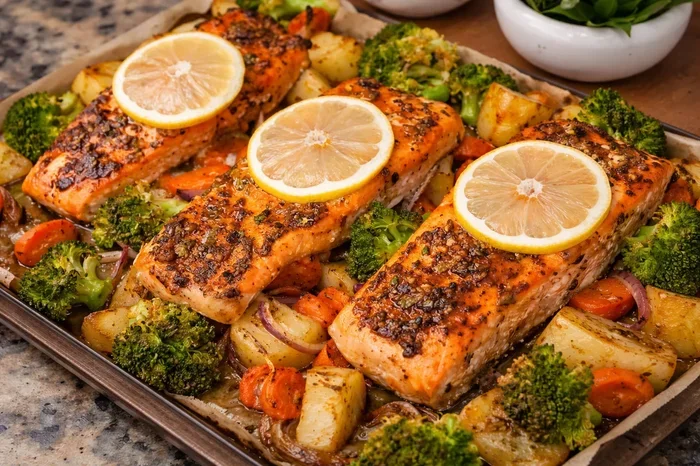
How To Properly Cook Salmon In The Oven For Dinner
Learning how to properly cook salmon in the oven is easier than you think, and the results are restaurant-quality at home. This guide covers everything from choosing the right fillet to nailing the perfect internal temperature. You will discover simple seasoning ideas, timing charts, and pro tips that make oven-baked salmon your go-to dinner recipe. Whether you are a beginner or a seasoned cook, these steps will transform your meals.
There is something magical about how to properly cook salmon in the oven. It is one of those meals that feels elegant but is surprisingly simple to make. Whether you are cooking for a weeknight family dinner or impressing guests on a weekend, oven-baked salmon never lets you down.
The beauty of this dish lies in its versatility. You can keep it plain with just salt and pepper, or go all out with herb crusts and sauces. Baked salmon pairs with nearly everything, from roasted vegetables to rice and salad. In this guide, we will walk you through every step so your salmon dinner turns out perfectly every single time.
If you have ever struggled with dry, overcooked fish, this article is for you. We will cover the right oven temperature, cooking times, seasoning ideas, and common mistakes to avoid. By the end, you will feel confident enough to make how to properly cook salmon in the oven your signature dish. Let us dive in.
Key Takeaways
- Perfect Temperature: Bake salmon at 400°F for crispy skin and juicy flesh every time.
- Timing Matters: Most fillets cook in 12 to 15 minutes, depending on thickness.
- Simple Prep: Pat dry, season well, and use parchment paper for easy cleanup.
- Flavor Boost: Lemon, garlic, and fresh herbs elevate any baked salmon recipe.
- Food Safety: Cook to an internal temperature of 145°F for safe, tender results.
- Resting Is Key: Let your salmon rest for 3 to 5 minutes before serving.
- Storage Tips: Leftover oven-baked salmon stays fresh in the fridge for up to 3 days.
📑 Table of Contents
- Why Oven-Baked Salmon Is The Best Dinner Choice
- Choosing The Right Salmon For Your Oven
- Preparing Your Salmon For Cooking
- The Best Oven Temperature And Cooking Time
- Flavorful Seasonings And Additions
- Common Mistakes To Avoid When Baking Salmon
- Serving And Storing Your Baked Salmon
- Expert Tips For Perfect Salmon Every Time
Why Oven-Baked Salmon Is The Best Dinner Choice
Oven-baked salmon has become a staple in kitchens around the world, and for good reason. It is healthy, fast, and incredibly satisfying. Unlike frying or grilling, using your oven gives you consistent results with very little effort.
Salmon is packed with omega-3 fatty acids, protein, and vitamins. It is one of the most nutritious dinner recipes you can prepare. When you properly cook salmon in the oven, you preserve all those nutrients while bringing out a rich, buttery flavor.
Health Benefits Of Eating Salmon
Salmon is often called a superfood, and it is easy to see why. A single serving provides a large dose of omega-3 fatty acids, which support heart and brain health. It is also high in protein, which helps with muscle repair and keeps you full longer.
Beyond that, salmon contains vitamin D, B vitamins, and selenium. These nutrients support your immune system and boost energy levels. When you make baked salmon a regular part of your meal plan, you are doing your body a real favor.
Why The Oven Works So Well
An oven provides gentle, even heat that cooks salmon beautifully. You do not need to flip the fillet or stand over a hot grill. Simply place it on a sheet pan, set the timer, and let the oven do the work.
The oven also allows you to roast vegetables at the same time. Toss some asparagus, broccoli, or cherry tomatoes on the same pan, and you have a complete salmon dinner ready in under 30 minutes. This makes how to properly cook salmon in the oven one of the most efficient dinner solutions you will ever find.
Choosing The Right Salmon For Your Oven
Not all salmon is created equal, and picking the right piece makes a huge difference. When you start with quality fresh salmon, the cooking process becomes much simpler and the results far better.
Fresh Vs Frozen Salmon
Both fresh and frozen salmon can produce excellent results. Fresh salmon has a firmer texture and brighter color, but frozen salmon is often flash-frozen at sea and retains great quality. If you buy frozen, thaw it overnight in the refrigerator before cooking.
Always check the label. Look for wild-caught salmon if possible, as it tends to have a richer flavor and better nutritional profile. Farmed salmon is also a good option and is usually more affordable. Either works well for oven-baked salmon.
Understanding Salmon Cuts
Salmon comes in several cuts, and each one behaves a bit differently in the oven. The most common options include fillets, steaks, and whole sides.
- Fillets: These are the most popular choice for baking. They are thin, cook evenly, and are easy to portion.
- Steaks: Thicker and more robust, steaks take a few extra minutes but hold up beautifully.
- Whole Sides: Great for feeding a crowd, but they require more precise timing.
For most home cooks, salmon fillets are the way to go. They fit perfectly on a sheet pan and cook in about 12 to 15 minutes. Choose fillets that are about one inch thick for the best results.
Preparing Your Salmon For Cooking
Preparation is the secret to great baked salmon. Taking a few extra minutes before the salmon hits the oven can mean the difference between good and outstanding.
Patting The Salmon Dry
This is the step most people skip, but it matters a lot. Use a paper towel to pat your salmon fillet completely dry on both sides. Moisture is the enemy of crispy skin and even browning. The drier the surface, the better the sear and texture you will get.
Do this right before seasoning. If you pat it dry too early, the surface will absorb moisture again. Keeping it simple and quick at this stage sets you up for success with how to properly cook salmon in the oven.
Seasoning Your Salmon
Seasoning is where you can get creative. A basic approach works beautifully for everyday meals. Start with a light coat of olive oil, then add salt and freshly ground black pepper on both sides.
For something more exciting, try these simple combinations:
- Lemon Herb: Fresh dill, lemon zest, and a squeeze of lemon juice.
- Garlic Butter: Softened butter with minced garlic and a pinch of paprika.
- Asian-Inspired: Soy sauce, sesame oil, ginger, and a touch of honey.
- Mediterranean: Olive oil, oregano, cumin, and sliced olives.
Keep your seasonings light and even. You want to enhance the natural flavor of the fish, not mask it. The best seasoned salmon tastes like the ocean with a delicious boost from your chosen flavors.
Using Parchment Paper And Pan Prep
Line your sheet pan with parchment paper before placing the salmon down. This prevents sticking and makes cleanup a breeze. You can also lightly grease the parchment with a thin layer of oil.
If you want crispy skin, place the salmon skin-side down on the pan. The direct contact with the hot surface helps the skin crisp up beautifully. For a more delicate texture, you can place it skin-side up instead.
The Best Oven Temperature And Cooking Time
This is the heart of how to properly cook salmon in the oven. Getting the temperature and timing right ensures your fish comes out moist, flaky, and full of flavor every time.
Ideal Oven Temperature
The sweet spot for baking salmon is 400°F (200°C). This temperature is hot enough to create a nice exterior while cooking the fish gently through the center. It also allows you to roast vegetables on the same pan without overcooking the salmon.
Some recipes call for 375°F for a slower, gentler cook. This works well for thicker fillets that need more time. However, 400°F is the most reliable and consistent temperature for oven-baked salmon. It gives you a beautiful golden top and perfectly cooked flesh.
Cooking Time Chart
Cooking time depends on the thickness of your fillet and whether it is skin-on or skin-off. Here is a simple guide to help you nail the timing every time.
| Fillet Thickness | Cooking Time At 400°F | Internal Temperature |
|---|---|---|
| 1/2 inch | 8 to 10 minutes | 145°F |
| 3/4 inch | 10 to 12 minutes | 145°F |
| 1 inch | 12 to 15 minutes | 145°F |
| 1.5 inches | 15 to 18 minutes | 145°F |
Always use a meat thermometer to check the internal temperature. The FDA recommends cooking fish to 145°F. At this temperature, the salmon will be fully cooked but still moist. If you prefer a slightly more translucent center, pull it off the oven at 135°F and let it rest for a few minutes. The residual heat will bring it up to the right temperature.
How To Tell When Salmon Is Done
Beyond using a thermometer, there are visual cues that tell you your baked salmon recipe is ready. The flesh should be opaque and flake easily when pressed with a fork. It should still look moist and slightly glossy in the center.
If the salmon looks dry or the flakes are falling apart, it has been in the oven too long. Do not worry if this happens the first time. With practice, you will develop a feel for exactly when your salmon dinner is perfect.
Flavorful Seasonings And Additions
One of the best things about how to properly cook salmon in the oven is how adaptable it is to different flavors. You can change the taste profile completely with a few simple additions.
Top Seasoning Combinations For Baked Salmon
Here are some tried-and-true flavor combinations that work beautifully with oven-baked salmon:
- Classic Lemon Butter: Melted butter, fresh lemon juice, garlic, and parsley. This is a timeless combination that complements the richness of the fish.
- Maple Mustard Glaze: Mix maple syrup, Dijon mustard, and a splash of soy sauce for a sweet and savory finish.
- Herb Crust: Combine breadcrumbs with fresh herbs, olive oil, and Parmesan cheese for a crunchy topping.
- Simple Mediterranean: Olive oil, cherry tomatoes, kalamata olives, and fresh basil.
- Spicy Cajun: Paprika, cayenne pepper, garlic powder, and a touch of brown sugar for a kick.
Adding Vegetables To The Pan
Roasting vegetables alongside your salmon is a smart way to create a complete salmon dinner in one go. Good options include asparagus, Brussels sprouts, zucchini, bell peppers, and cherry tomatoes.
Cut the vegetables into similar-sized pieces so they cook at the same rate. Toss them with olive oil, salt, and pepper, then spread them around the salmon on the pan. Everything will be ready at the same time, saving you cleanup and effort.
Sauces To Serve With Baked Salmon
A great sauce can take your baked salmon from simple to spectacular. Here are a few quick options:
- Dill Cream Sauce: Sour cream, fresh dill, lemon juice, and a pinch of salt.
- Mango Salsa: Diced mango, red onion, cilantro, lime juice, and jalapeno.
- Garlic Aioli: Mayonnaise, roasted garlic, lemon zest, and a dash of hot sauce.
- Honey Soy Glaze: Honey, soy sauce, rice vinegar, and sesame seeds.
Drizzle the sauce over the salmon just before serving or let your guests add their own. This keeps the fish moist and adds a burst of extra flavor to every bite.
Common Mistakes To Avoid When Baking Salmon
Even experienced cooks make mistakes with salmon preparation. Knowing what to avoid will save you from dry, overcooked, or bland results.
Starting With Wet Salmon
We mentioned this earlier, but it deserves repeating. If you do not pat your salmon dry, it will steam instead of roast. You will end up with soft, pale skin and a lack of that beautiful golden color. Always dry your fillet thoroughly before seasoning.
Overcooking The Fish
Overcooking is the number one mistake people make when baking salmon. Salmon continues to cook after you remove it from the oven, so pulling it off early is the right move. A few degrees underdone is better than overdone.
Set a timer and check the internal temperature a couple of minutes before the expected finish time. This simple habit will transform your oven-baked salmon from average to exceptional.
Skipping The Resting Period
Let your salmon rest for 3 to 5 minutes after removing it from the oven. This allows the juices to redistribute throughout the fillet. If you cut into it immediately, the juices will run out, and the fish will be drier.
Use this resting time to plate your vegetables and prepare any sauce. When you sit down to eat, your salmon dinner will be at its absolute best.
Using The Wrong Pan
Avoid using thin, dark-colored baking sheets. They can cause the bottom of the salmon to overcook or burn. Instead, use a light-colored sheet pan lined with parchment paper or a light layer of oil.
If you have a wire rack, that works too. Placing the salmon on a rack set over a sheet pan allows air to circulate underneath, resulting in more even cooking and crispier skin.
Serving And Storing Your Baked Salmon
Now that your baked salmon is perfectly cooked, it is time to think about serving and storing. A little planning goes a long way in making your salmon dinner feel complete and reducing waste.
Best Side Dishes For Baked Salmon
Oven-baked salmon pairs wonderfully with a wide range of sides. Here are some of the best options:
- Rice: Jasmine, basmati, or brown rice soaks up the juices beautifully.
- Quinoa: A lighter, protein-packed alternative to rice.
- Roasted Vegetables: Asparagus, sweet potatoes, or green beans roasted on the same pan.
- Salad: A fresh green salad with a lemon vinaigrette balances the richness of the fish.
- Mashed Potatoes: Creamy and comforting, perfect for a cozy dinner.
- Couscous: Light, fluffy, and ready in minutes.
How To Store Leftover Salmon
If you have leftovers, let the salmon cool to room temperature before storing. Place it in an airtight container and refrigerate. Properly stored oven-baked salmon stays fresh for up to 3 days in the fridge.
You can also freeze cooked salmon for up to 3 months. Wrap it tightly in plastic wrap and then in aluminum foil, or place it in a freezer-safe bag. Thaw overnight in the refrigerator before reheating gently in the oven or microwave.
Reheating Tips
Reheating salmon can be tricky because the fish can dry out quickly. The best method is to reheat it in the oven at 275°F for about 10 to 15 minutes. This gentle heat warms the fish without cooking it further. Cover it loosely with foil to trap moisture.
Avoid reheating salmon in the microwave on high power, as it tends to make the fish rubbery. If you must use a microwave, do so on low power and cover the fish with a damp paper towel.
Expert Tips For Perfect Salmon Every Time
Here are some extra tips from experienced cooks that will elevate your baked salmon game:
- Bring the salmon to room temperature before baking. Take it out of the fridge 15 to 20 minutes before cooking. This ensures more even cooking throughout the fillet.
- Score the skin with shallow cuts if it is very thick. This helps heat penetrate evenly and prevents curling.
- Use the convection setting on your oven if available. It circulates hot air for more even browning and slightly faster cooking.
- Do not overcrowd the pan. Give each fillet enough space so hot air can flow around it freely.
- Experiment with different marinades. A quick 20-minute marinade can add incredible depth of flavor to your salmon fillets.
These small adjustments make a big difference. Once you try them, you will notice an improvement in texture, flavor, and overall presentation. How to properly cook salmon in the oven becomes second nature when you build these habits into your routine.
The more you bake salmon, the more intuitive the process becomes. Start with the basics, follow the timing and temperature guidelines, and then begin experimenting with flavors and techniques. Before long, you will be able to prepare a delicious salmon dinner without even thinking about it.
Remember, cooking is about enjoying the process as much as the result. Put on some music, pour yourself a glass of wine or sparkling water, and make how to properly cook salmon in the oven a relaxing part of your evening. The kitchen should be a place of creativity and joy, not stress.
With the right temperature, the right timing, and a little confidence, you will serve flavorful salmon that rivals any restaurant. Your family and friends will ask for this salmon recipe again and again. So go ahead, preheat that oven, and make tonight your best salmon dinner yet.
Frequently Asked Questions
What Is The Best Temperature To Cook Salmon In The Oven?
The best oven temperature for baking salmon is 400°F (200°C). This heat level cooks the fish evenly while creating a lightly crispy exterior. It also works well for roasting vegetables on the same pan, making your salmon dinner preparation quick and efficient.
How Long Should I Bake Salmon At 400 Degrees?
For a one-inch thick salmon fillet, bake it at 400°F for about 12 to 15 minutes. Thinner fillets need less time, while thicker pieces may need up to 18 minutes. Always check the internal temperature with a meat thermometer to ensure it reaches 145°F for safe eating.
Should I Use Skin-On Or Skin-Off Salmon For Baking?
Skin-on salmon fillets are great for baking because the skin helps hold the fish together and adds a crispy texture. Place the salmon skin-side down on the pan for the best results. If you prefer not to eat the skin, you can easily remove it after cooking.
Can I Use Frozen Salmon For Baking?
Yes, you can bake frozen salmon, but it is best to thaw it first for more even cooking. Place the frozen fillet in the refrigerator overnight to defrost. If you cook from frozen, add a few extra minutes to the cooking time and check that the center is fully heated through.
How Do I Keep Salmon From Drying Out In The Oven?
To keep your oven-baked salmon moist, pat it dry before seasoning, do not overcook it, and let it rest after baking. Brushing the top with a little olive oil or melted butter also helps retain moisture. Pulling the fish off the oven when it reaches 135 to 140°F and letting it rest will give you perfectly tender results.
What Are The Easiest Seasonings For Baked Salmon?
The simplest and most delicious seasoning combination for baked salmon is olive oil, salt, pepper, and fresh lemon juice. From there, you can add garlic, dill, paprika, or honey for extra flavor. Keep it simple at first, and then experiment with different herbs and spices as you grow more confident in the kitchen.
=== CONCLUSION ===
How to properly cook salmon in the oven is a skill that anyone can master with a little practice and the right guidance. From choosing the perfect fillet to nailing the temperature and timing, every step matters. The results are worth the effort, delivering a healthy, delicious, and impressive salmon dinner that your whole family will love.
Remember to pat your salmon dry, season it well, and bake it at 400°F for the best results. Use a meat thermometer to check the internal temperature, and always let your fish rest before serving. Avoid common mistakes like overcooking or skipping the parchment paper, and your baked salmon will turn out beautifully every single time.
Now that you have all the tools and tips you need, it is time to head to the kitchen. Preheat your oven, pick up some fresh salmon, and try out this guide for yourself. Whether you keep it simple with lemon and herbs or go bold with a glaze, your salmon recipe will become a favorite in your home. Enjoy the process, savor the flavors, and make oven-baked salmon a regular part of your meal rotation. You have got this.