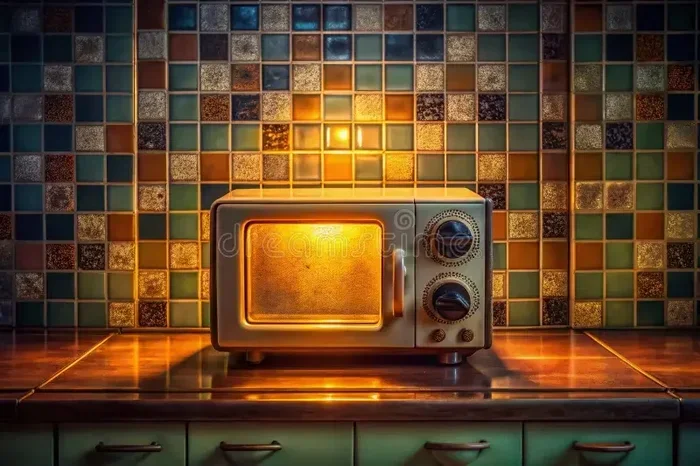
Who Made the Microwave Oven And Why It Changed Everything
The microwave oven was invented by Percy Spencer, an engineer at Raytheon, in 1945. His discovery that radar waves could heat food quickly led to the creation of the first commercial microwave oven, known as the Radarange. Today, the microwave oven is one of the most essential kitchen appliances found in homes around the world.
Key Takeaways
- Percy Spencer invented the microwave oven by accident while working on radar technology at Raytheon in 1945.
- The first commercial microwave oven was called the Radarange and weighed over 750 pounds when it launched in 1947.
- Microwave ovens use electromagnetic waves to heat food quickly and efficiently, making them a game-changer for modern kitchens.
- The microwave oven revolutionized home cooking by drastically reducing preparation and heating times for meals.
- Today’s microwave ovens come in many forms, including countertop models, over-the-range units, and built-in options.
- The technology behind microwave ovens continues to evolve, making them smarter and more energy-efficient than ever before.
📑 Table of Contents
- Who Made the Microwave Oven And Why It Changed Everything
- The Accidental Discovery by Percy Spencer
- The First Microwave Oven: The Radarange
- How the Microwave Oven Became a Household Staple
- How Microwave Ovens Work
- The Impact of the Microwave Oven on Modern Cooking
- Key Inventors and Companies in Microwave Oven History
- The Legacy of the Microwave Oven
- Conclusion
Who Made the Microwave Oven And Why It Changed Everything
Have you ever wondered who made the microwave oven? It is one of those kitchen gadgets we use every single day without giving much thought to its origin. The story behind the microwave oven is fascinating, full of surprises, and one of the greatest appliance innovations in modern history.
The microwave oven transformed the way we prepare and reheat food. Before it existed, people spent hours cooking meals on traditional ovens and stovetops. Then, almost overnight, a machine that could heat food in seconds appeared. This invention changed kitchens forever. In this article, we will explore who invented the microwave oven, how it works, and why it became such a big deal.
We will also look at how microwave technology evolved from massive radar equipment to the sleek countertop models we use today. Whether you use your microwave oven to defrost frozen meals or cook full dinners, the story of its creation is worth knowing.
Let us dive into the incredible journey of the microwave oven and discover how one accidental discovery changed the world of cooking forever.
The Accidental Discovery by Percy Spencer
Percy Spencer was an American engineer who worked at Raytheon Corporation during World War II. He was an expert in radar technology and magnetrons. Magnetrons are the devices that generate the microwaves used in radar systems. Spencer had no formal education beyond grammar school, yet he became one of the most important inventors of the 20th century.
The story of how Spencer discovered the microwave oven is one of those happy accidents that change history. In 1945, Spencer was working near an active magnetron when he noticed something strange. The chocolate bar in his pocket had melted. He was puzzled by this and began to experiment further. He pointed the magnetron at other objects, including popcorn kernels and an egg.
The popcorn popped, and the egg exploded. Spencer immediately realized that the microwave energy from the magnetron could heat food rapidly. He saw the potential for a new kind of kitchen appliance that could cook food faster than anything people had ever seen.
How Raytheon Played a Key Role
Raytheon was the company that employed Spencer, and they recognized the value of his discovery right away. They filed a patent for the microwave cooking process in 1945. The company invested heavily in developing the first commercial microwave oven. This marked the beginning of a new era in home cooking and food preparation.
Raytheon named the first product the Radarange. It was a massive machine, very different from the compact countertop oven models we use today. But the concept was the same. It used microwave radiation to heat food from the inside out, which was something no other cooking appliance could do at the time.
The First Microwave Oven: The Radarange
The first commercial microwave oven hit the market in 1947. It was called the Radarange, and it was enormous. The machine stood nearly six feet tall and weighed about 750 pounds. It needed a water-cooling system to operate. The heating element inside was a large magnetron that generated the microwave frequency needed to cook food.
The Radarange was not meant for home use. It was designed for restaurants and military operations. The price was around $5,000 in 1947, which is over $60,000 in today’s money. Clearly, the average household could not afford such a device. But the microwave oven had been born, and the appliance industry would never be the same.
Early Challenges and Limitations
The early microwave oven faced many challenges. The size was a huge problem. Most homes simply did not have the space for a machine that large. The cost was another major barrier. Only wealthy restaurants and institutions could justify the expense.
There were also concerns about food safety and radiation exposure. People were wary of a machine that used electromagnetic waves to cook food. Over time, however, Raytheon and other manufacturers worked to address these fears. They developed better shielding and safety features that made the microwave oven safer for everyday use.
By the 1950s, smaller versions of the microwave oven began to appear. These models were still expensive, but they were more practical for home kitchens. The cooking appliance industry started to take notice of the growing interest in microwave cooking.
How the Microwave Oven Became a Household Staple
The real turning point for the microwave oven came in the 1960s and 1970s. Prices dropped significantly, and the machines became smaller and more affordable. Amana, a division of Raytheon, introduced the first domestic microwave oven for home use in 1967. It was called the Amana Radarange, and it cost about $495. This was much more reasonable for average families.
As more people bought microwave ovens, the kitchen appliance market expanded rapidly. Manufacturers competed to make better, faster, and more efficient models. By the 1980s, the microwave oven had become a standard fixture in American kitchens. Today, over 90% of homes in the United States have one.
Why People Loved the Microwave Oven
There were many reasons the microwave oven became so popular. First, it saved time. What used to take 30 minutes on a traditional oven could now be done in minutes. Second, it was easy to use. You did not need special cooking skills to operate a microwave oven. Third, it was energy-efficient. A microwave oven uses less electricity than a conventional oven because it heats the food directly rather than heating the air around it.
People also loved the convenience. You could reheat leftovers, defrost frozen food, and even cook simple meals in seconds. This was a huge deal for busy families and working professionals who had limited time for cooking.
For those who also use a conventional oven for other tasks, like roasting vegetables or baking, the microwave oven became the perfect complement. It handled quick jobs while the oven tackled longer cooking projects. If you want to explore oven-based recipes, check out our guide on how to cook cauliflower steaks in the oven for a great example of using a traditional oven alongside a microwave.
How Microwave Ovens Work
Understanding how a microwave oven works helps you appreciate the genius of Percy Spencer’s invention. The core component is the magnetron, which generates microwave radiation. These microwaves are a form of electromagnetic energy that vibrates water molecules inside food.
When the microwaves hit the water molecules, they cause them to vibrate rapidly. This vibration creates friction, which produces heat. The heat then cooks the food from the inside out. This is very different from a conventional oven, which heats the air and relies on conduction to warm the food.
The microwave frequency used in most household ovens is 2.45 gigahertz. This frequency is specifically chosen because it is very effective at exciting water molecules. The metal interior of the oven reflects the microwaves, ensuring they bounce around evenly and cook the food uniformly.
Key Components of a Microwave Oven
Every microwave oven has several important parts:
- Magnetron — This generates the microwave radiation that heats the food.
- Waveguide — This channel directs the microwaves from the magnetron into the cooking chamber.
- Cooking Cavity — This is the interior space where you place your food. The metal walls reflect the microwaves.
- Turntable — This rotating glass plate helps distribute heat evenly across the food.
- Control Panel — This lets you set the cooking time, power level, and other functions.
These components work together to make the microwave oven one of the most efficient cooking appliances ever invented. If you are curious about different oven types and how they compare, our article on how to make a tandoori oven explores another fascinating oven technology that uses a different heating approach.
The Impact of the Microwave Oven on Modern Cooking
The microwave oven changed more than just how we heat food. It changed the entire food industry. Frozen meals, instant foods, and pre-packaged dinners all became possible because of microwave cooking technology. Companies like Swanson, Stouffer’s, and Lean Cuisine built their brands around microwave-ready meals.
The microwave oven also changed restaurant operations. Commercial kitchens adopted microwave technology to speed up food preparation. Bakers used microwave ovens to proof dough quickly. Even food safety practices improved because microwave ovens can heat food to safe temperatures rapidly.
Microwave Ovens vs. Conventional Ovens
While the microwave oven is incredibly convenient, it does not replace every function of a conventional oven. Each type of oven has its strengths. Here is a quick comparison:
- Speed: A microwave oven heats food in seconds to minutes. A conventional oven takes much longer to preheat and cook.
- Texture: A conventional oven produces crispy and browned textures that a microwave cannot replicate easily.
- Capacity: A conventional oven can cook large meals and multiple dishes at once. A microwave oven works best with smaller portions.
- Energy Use: A microwave oven uses significantly less energy than a conventional oven for small tasks.
Many modern kitchens now use both types of ovens to get the best of both worlds. If you are curious about oven safety, especially with unusual items, check out our guide on is it safe to put a pizza box in the oven for important safety tips.
Key Inventors and Companies in Microwave Oven History
While Percy Spencer is credited as the inventor of the microwave oven, several other people and companies played important roles in its development.
Percy Spencer was the original inventor. His background in radar technology gave him the knowledge to recognize the potential of microwave energy for cooking. He holds the patent for microwave cooking and is often called the father of the microwave oven.
Raytheon Corporation was the company that backed Spencer’s invention. They developed the first commercial microwave oven and brought it to market. Raytheon continued to innovate in microwave technology for decades.
Amana Corporation introduced the first affordable domestic microwave oven in 1967. This made the technology accessible to everyday households and sparked widespread adoption.
Other major brands like Panasonic, Samsung, LG, and Whirlpool have continued to improve microwave oven designs. They introduced features like inverter technology, convection cooking, and smart controls. These innovations made the modern microwave oven far more versatile than the original Radarange.
Evolution of Microwave Oven Designs
The microwave oven has come a long way since 1947. Early models were huge and expensive. Today, you can find compact countertop models that fit easily on any kitchen counter. There are also over-the-range microwaves that save counter space and built-in models that integrate seamlessly into kitchen cabinets.
Modern microwave ovens come with features like sensor cooking, which automatically adjusts power and time based on the food’s moisture level. Some models include convection heating, which combines microwave energy with a traditional heating element for better browning and crisping.
The Legacy of the Microwave Oven
The microwave oven is one of the most important kitchen appliances ever invented. It has saved countless hours of cooking time and made food preparation faster and more convenient. Percy Spencer’s accidental discovery in 1945 led to a revolution in how we cook and eat.
Today, the microwave oven continues to evolve. Smart microwave ovens with Wi-Fi connectivity, voice control, and app-based cooking programs are becoming more popular. The basic principle remains the same — using microwave radiation to heat food quickly — but the features keep getting better.
The story of the microwave oven is a reminder that great inventions often come from unexpected places. Percy Spencer was not a trained chef or a kitchen designer. He was a radar engineer who noticed a melted chocolate bar. That small observation led to a cooking appliance that now sits in nearly every kitchen in the world.
If you love exploring different oven types and cooking techniques, you might also enjoy our guide on what temperature to cook hamburger steak in the oven for perfectly cooked steaks every time.
Conclusion
The microwave oven has come a long way since Percy Spencer’s accidental discovery in 1945. From the massive Radarange to today’s sleek and smart countertop models, the microwave oven has truly changed everything about how we cook and eat. It made food preparation faster, easier, and more accessible for millions of people around the world.
Understanding who made the microwave oven gives us a deeper appreciation for this everyday kitchen appliance. Percy Spencer, Raytheon, Amana, and countless other innovators all contributed to making the microwave oven what it is today. The next time you use your microwave oven to reheat last night’s dinner or cook a quick meal, remember the incredible journey that brought this remarkable cooking appliance into your kitchen.
The microwave oven is more than just a convenience. It is a testament to human ingenuity and the power of curiosity. A melted chocolate bar changed the world of cooking forever, and the microwave oven continues to evolve and improve with each passing year.
Frequently Asked Questions
Who invented the microwave oven?
Percy Spencer, an engineer at Raytheon Corporation, invented the microwave oven in 1945. He discovered that microwave radiation from a magnetron could heat food quickly. His accidental discovery while working on radar technology led to the first commercial microwave oven.
When was the first microwave oven introduced for home use?
The first domestic microwave oven was introduced by Amana in 1967. It was called the Amana Radarange and cost about $495 at the time. This made microwave cooking accessible to everyday households for the first time.
How does a microwave oven heat food?
A microwave oven uses a magnetron to generate microwave radiation. These microwaves cause water molecules in food to vibrate rapidly, creating friction and heat. This process cooks food from the inside out, which is much faster than a conventional oven that heats the air around the food.
Is it safe to use a microwave oven?
Yes, modern microwave ovens are completely safe when used according to the manufacturer’s instructions. They are designed with shielding that prevents microwave radiation from escaping. As long as you use microwave-safe containers, there is no risk of harmful exposure.
Can a microwave oven replace a conventional oven?
A microwave oven is excellent for quick heating, defrosting, and simple cooking tasks. However, it cannot fully replace a conventional oven for tasks that require browning, crisping, or baking. Many kitchens benefit from having both types of cooking appliances for different purposes.
What are the different types of microwave ovens available today?
Today, you can find several types of microwave ovens, including countertop models, over-the-range units, built-in microwaves, and combination convection microwave ovens. Each type offers different features and benefits to suit various kitchen sizes and cooking needs.