What To Put On Bottom Of Oven To Keep Your Oven Clean
Keeping your oven bottom clean starts with the right protector. Oven liners, silicone mats, aluminum foil, and baking sheets are the best options to catch grease and food splatter. Using the right bottom of oven solution saves you time, effort, and keeps your oven running efficiently.
Have you ever opened your oven and felt your stomach drop at the sight of a greasy, burnt mess on the bottom? You are not alone. Every home cook deals with this problem eventually. The good news is that there is a simple fix.
Putting something on the bottom of oven is one of the easiest ways to keep your oven clean. It saves you from scrubbing for hours and protects your appliance from damage. In this guide, we will walk you through the best options, how to choose the right one, and how to maintain a spotless oven bottom every single time.
Whether you bake weekly or just reheat pizza, a clean oven bottom makes a huge difference. Let us dive into the solutions that actually work.
Key Takeaways
- Oven liners are the #1 solution: They sit on the bottom of oven floor and catch all drips and spills before they burn on.
- Silicone mats offer heat resistance: They handle high temperatures and are reusable, making them a great long-term investment.
- Aluminum foil works as a budget option: It reflects heat and catches grease, but needs frequent replacement.
- Baking sheets double as protectors: They are easy to swap out and clean, making them a convenient choice.
- Regular cleaning is essential: Even with protectors, you should clean the bottom of oven every few weeks.
- Avoid wax paper and plastic: These materials can melt or catch fire at high oven temperatures.
- DIY solutions work too: A simple homemade grease catcher can be made from foil or parchment paper.
📑 Table of Contents
- Why Your Oven Bottom Gets So Dirty
- Best Things To Put On The Bottom Of Your Oven
- DIY Solutions For Oven Bottom Protection
- How To Choose The Right Protector For Your Oven
- How To Clean The Bottom Of Your Oven
- Common Mistakes People Make With Oven Bottoms
- Benefits Of Keeping Your Oven Bottom Clean
- How Often Should You Replace Your Oven Protector?
- Final Thoughts On Oven Bottom Protection
Why Your Oven Bottom Gets So Dirty
Understanding the problem is the first step toward solving it. Your oven bottom takes a beating every time you cook. Here is why it gets so dirty and why you should care about protecting it.
What Causes The Mess On Your Oven Floor
Every time food cooks, it releases grease, oil, and tiny food particles. These things drip down to the bottom of oven and hit the hot surface. What happens next is not pretty. The grease burns onto the oven floor, creating black, sticky stains that are tough to remove.
Food splatter is another big culprit. When you bake chicken, roast vegetables, or cook casseroles, juices and sauce can fly out of your dish. They land on the oven floor and carbonize over time. This buildup does not just look bad. It can also affect how your oven heats and even create smoke while you cook.
Why Regular Cleaning Matters
A dirty oven bottom can cause real problems. Built-up grease can produce unpleasant odors when you turn on the oven. It can also smoke, which affects the taste of your food. In worst cases, heavy grease buildup becomes a fire hazard.
Regular cleaning keeps your oven safe and efficient. But scrubbing the bottom of oven after every use is not practical for most people. That is where protectors come in. They catch the mess before it becomes a baked-on nightmare.
Quick Tip: Wipe your oven bottom with a damp cloth after every use. This simple habit reduces buildup dramatically, even without a protector.
Best Things To Put On The Bottom Of Your Oven
Now let us get to the good stuff. There are several options for protecting your oven bottom, and each has its own benefits. Here are the top choices that real people use every day.
Oven Liners And Mats
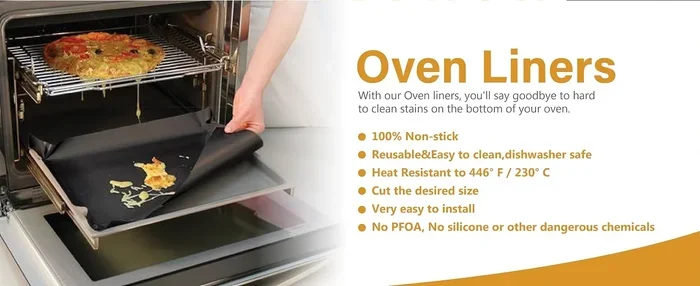
Oven liners are probably the most popular solution. These are flat sheets that sit directly on the bottom of oven, right above the heating elements. They catch all drips and spills, keeping your oven floor spotless.
Most oven liners are made from fiberglass or silicone. They are heat resistant and reusable. You just lift them out, wipe them clean, and put them back. Some brands even make oven bottom protectors with non-stick surfaces that make cleanup a breeze.
When shopping for an oven liner, look for these features:
- Heat resistance up to 500 degrees Fahrenheit or higher
- Non-stick coating for easy cleaning
- Exact fit for your oven model
- Durable material that does not curl or warp
Aluminum Foil Solutions
Aluminum foil is a classic budget-friendly option. You can lay a sheet of foil on the bottom of oven to catch drips. It reflects heat back up, which can help your food cook more evenly.
Here is how to use foil properly:
- Tear off a sheet that covers the entire oven floor
- Leave a small gap near the heating elements for airflow
- Replace the foil after every few uses
- Do not let foil touch the sides of the oven
The downside of foil is that it is not reusable. You have to replace it regularly. Also, if you press the foil too tightly against the oven walls, it can block heat circulation and affect cooking performance.
Baking Sheet And Tray Method
A simple baking sheet placed on the bottom rack works surprisingly well. It catches all the drips and spills from whatever you are cooking above. When it gets dirty, you just throw it in the dishwasher or wash it by hand.
This method is great because you probably already have a baking sheet in your kitchen. It costs nothing extra, and it is very easy to replace. The only thing to watch out for is making sure the baking sheet does not block the bottom heating element.
Silicone Oven Protectors
Silicone oven mats are a premium option that lasts a long time. They are flexible, heat resistant, and easy to clean. You can find them in custom sizes that fit perfectly on the bottom of oven.
Silicone protectors are more expensive than foil or basic liners, but they pay for themselves over time. A good silicone mat can last for years with proper care. They also do not affect the taste of your food or the way your oven heats.
DIY Solutions For Oven Bottom Protection
Not everyone wants to spend money on specialty products. The good news is that you can make effective oven bottom protectors from things you already have at home.
Homemade Grease Catchers
A simple piece of aluminum foil shaped into a tray works as a DIY grease catcher. Just fold a sheet of foil into a shallow pan shape and place it on the bottom of oven. The grease collects in the foil, and you throw it away after cooking.
Another DIY option is to use a piece of parchment paper on the bottom rack. Parchment paper can handle temperatures up to about 450 degrees Fahrenheit. It works well for catching crumbs and small drips during shorter cooking sessions.
Natural Cleaning Barriers
Some people like to use a combination approach. They place a layer of foil on the bottom of oven for grease protection, then put a piece of parchment paper on top for easier cleanup. This double-layer method catches everything and makes disposal simple.
Expert Insight: According to appliance care specialists, the best DIY bottom of oven setup combines a foil base with a parchment paper layer on top. This gives you maximum protection without blocking heat flow.
How To Choose The Right Protector For Your Oven
With so many options available, choosing the right protector can feel overwhelming. Here is a simple guide to help you pick the best solution for your needs.
Material Considerations
The material you choose matters a lot. Different materials handle heat differently and last for different amounts of time. Here is a quick comparison of the most common materials used on the bottom of oven:
| Material | Heat Resistance | Reusable? | Cost | Best For |
|---|---|---|---|---|
| Fiberglass Oven Liner | Up to 500 F | Yes | Low to Medium | Daily use and heavy cooking |
| Silicone Mat | Up to 500 F | Yes | Medium to High | Long-term investment |
| Aluminum Foil | Up to 600 F | No | Very Low | Budget-friendly quick fix |
| Parchment Paper | Up to 450 F | No | Low | Short cooking sessions |
| Baking Sheet | Up to 500 F | Yes | Low | Easy cleanup and versatility |
Size And Fit Guide
Measure the bottom of your oven before buying any protector. You want the liner or mat to fit snugly without covering the heating elements. Most standard ovens need a liner that is about 12 by 16 inches, but sizes vary. Always check your oven manual for the exact dimensions of the oven floor.
For oven bottom protection, the fit matters more than you might think. A protector that is too small will leave gaps where grease can slip through. One that is too big might block airflow or touch the heating elements, which is a safety concern.
Heat Resistance Ratings
Always check the heat resistance rating before purchasing any oven bottom protector. Most products are rated for temperatures between 400 and 500 degrees Fahrenheit. If you frequently cook at very high temperatures, make sure your protector can handle the heat.
Using a protector that is not heat rated for your cooking temperature can be dangerous. It may warp, release harmful fumes, or even catch fire. Always read the product specifications carefully.
Key Takeaways
- Measure your oven floor before buying any protector.
- Check the heat rating to ensure safety at your cooking temperatures.
- Leave space near heating elements to maintain proper airflow.
- Choose reusable options for long-term savings and less waste.
How To Clean The Bottom Of Your Oven
Even with a protector, your oven bottom will need cleaning from time to time. The good news is that it is much easier when you have been using a liner or mat. Here is how to keep things spotless.
Step-By-Step Cleaning Process
Follow these steps for a clean oven bottom that looks brand new:
- Remove the protector or liner from the bottom of oven.
- Inspect the oven floor for any remaining grease or food residue.
- Make a cleaning paste using baking soda and water. Mix three parts baking soda with one part water until it forms a thick paste.
- Spread the paste evenly over the oven floor. Avoid the heating elements.
- Let it sit for at least 30 minutes, or overnight for tough stains.
- Wipe clean with a damp cloth or sponge. Use a plastic scraper for stubborn spots.
- Spray with vinegar to neutralize the baking soda and lift remaining grime.
- Wipe dry with a clean towel before replacing your protector.
When To Call A Professional
Sometimes the bottom of oven gets so dirty that home cleaning methods are not enough. If you have heavy baked-on grease that does not respond to baking soda paste, it may be time to call a professional oven cleaning service. They have industrial-strength tools and cleaners that can handle even the worst buildup.
Professional cleaning is also a good idea if you have a self-cleaning oven but the automatic cycle has not done the job. Some ovens have stubborn residue that requires manual attention even after a self-cleaning cycle.
Common Mistakes People Make With Oven Bottoms
There are several mistakes that people make when trying to keep their oven bottom clean. Avoiding these errors will save you time, money, and frustration.
Using The Wrong Material
The biggest mistake is using materials that do not belong in a hot oven. Wax paper, plastic wraps, and paper bags can melt or catch fire at oven temperatures. Never put these on the bottom of oven, no matter how tempting it might seem.
Another common error is using regular paper towels or newspaper as oven liners. These are flammable and can start a fire in minutes. Always use materials that are specifically designed for high-heat environments.
Skipping Regular Maintenance
Even the best oven bottom protector will not work if you never clean it. Grease and food particles build up on liners and mats over time. If you do not clean them regularly, the buildup can drip back onto your oven floor or even start to smoke.
Make it a habit to clean your oven protector at least once a month. If you cook frequently, you may need to clean it every two weeks. Staying on top of maintenance makes the whole process much easier.
Blocking Airflow And Heating Elements
One mistake that many people do not realize they are making is covering the heating elements. The bottom of oven needs proper airflow to distribute heat evenly. If your protector covers the heating elements, your food may not cook properly.
Always leave the center area of the oven floor clear. This allows hot air to circulate and ensures even cooking. It also prevents heat from building up in one spot, which can damage your oven over time.
Expert Insight: Appliance repair technicians report that blocking the bottom heating element is one of the most common causes of uneven cooking and overheating issues. Always keep the center of the oven floor open.
Benefits Of Keeping Your Oven Bottom Clean
Protecting the bottom of oven does more than just save you cleaning time. There are real benefits that affect your cooking and your health.
A clean oven heats more efficiently. Grease buildup acts as an insulator that traps heat and forces your oven to work harder. This means higher energy bills and longer cooking times. When you keep the bottom of oven clean, your appliance runs more efficiently and uses less electricity or gas.
Clean ovens also taste better. Old grease and food residue can create smoke and odors that transfer to your food. This is especially noticeable when you bake bread or roast delicate foods. A fresh oven bottom means cleaner, better-tasting meals every time.
Finally, keeping your oven bottom clean extends the life of your appliance. Grease corrosion can damage the oven floor and heating elements over time. With proper oven bottom protection, your oven will last longer and perform better for years to come.
How Often Should You Replace Your Oven Protector?
The frequency of replacement depends on the type of protector you use. Aluminum foil should be replaced after every use or every few uses. It is not designed for long-term reuse and can tear or develop holes over time.
Fiberglass oven liners typically last for several months with regular use. Inspect them regularly for tears or holes. Once a liner is damaged, grease can pass through and reach the oven floor.
Silicone mats are the most durable option. A high-quality silicone oven mat can last for one to two years with proper care. Wash it after each use, store it flat, and avoid cutting directly on its surface.
Baking sheets are easy to replace whenever they become too warped or stained. Most home cooks keep a few backup baking sheets on hand for this purpose.
Final Thoughts On Oven Bottom Protection
Keeping the bottom of oven clean does not have to be a chore. With the right protector in place, you can spend less time scrubbing and more time enjoying your cooking. Whether you choose a silicone mat, a simple foil liner, or a DIY parchment paper setup, the key is to find what works best for your cooking habits.
Remember that even the best protector needs regular cleaning and occasional replacement. Pair your bottom of oven protection with routine maintenance, and your oven will stay in great shape for years. Start with one simple solution today, and you will wonder how you ever cooked without it.
Your oven works hard for you every day. Give it the protection it deserves, and it will reward you with better performance, cleaner cooking, and a longer lifespan. Take a few minutes right now to measure your oven floor and pick up a protector. Your future self will thank you every time you open that oven door.
Frequently Asked Questions
Can I use aluminum foil on the bottom of my oven?
Yes, you can use aluminum foil on the bottom of oven to catch drips and spills. Make sure the foil does not touch the heating elements or the sides of the oven. Replace the foil after a few uses for best results.
What is the best oven liner for the bottom of the oven?
Silicone oven liners and fiberglass oven liners are the most popular and effective options. Look for liners that are heat resistant up to 500 degrees Fahrenheit and fit your oven model snugly. Reusable liners save money and reduce waste over time.
Is it safe to put parchment paper on the bottom of the oven?
Parchment paper is safe for the bottom of oven up to about 450 degrees Fahrenheit. It works well for catching crumbs and small drips during shorter cooking sessions. Do not use parchment paper for high-temperature broiling or long cooking sessions.
How often should I clean the bottom of my oven?
You should clean the bottom of oven at least once a month if you use a protector. Without a protector, cleaning every two weeks is recommended. Regular cleaning prevents grease buildup and keeps your oven running efficiently.
Can a dirty oven bottom cause smoke or odors?
Yes, a dirty oven bottom can absolutely cause smoke and unpleasant odors. Burnt grease and food residue produce smoke when heated, which can affect the taste of your food and trigger smoke alarms. Keeping the bottom of oven clean prevents these issues.
Do oven liners affect cooking performance?
Oven liners that are properly placed do not affect cooking performance. However, liners that cover the heating elements or block airflow can cause uneven heating. Always leave the center of the oven floor clear and make sure the liner fits within the oven walls.
=== CONCLUSION ===
Protecting the bottom of oven is one of the simplest and most effective ways to keep your kitchen clean and your oven running well. Whether you choose a silicone mat, aluminum foil, a baking sheet, or a dedicated oven liner, the right protector catches grease and food splatter before they become a nightmare to clean.
Combine your bottom of oven protection with regular maintenance, and you will spend less time scrubbing and more time enjoying your cooking. Start with one of the solutions we covered today, and make it a regular part of your kitchen routine. Your oven will stay clean, your food will taste better, and your appliance will last longer. Take action now and experience the difference a clean oven bottom makes.