What Oven Temp To Bake Meatballs Perfectly Every Time
The best oven temp to bake meatballs is 400°F (200°C) for a perfect balance of crispy edges and juicy centers. What Oven Temp To Bake Meatballs depends on size and recipe, but 400°F works for most meatball baking needs. This guide covers temperatures, times, and pro tips so you can bake meatballs flawlessly every time.
Key Takeaways
- 400°F is the sweet spot: This temperature gives meatballs a golden crust while keeping the inside moist.
- Size matters for timing: Smaller meatballs bake faster; larger ones need a few extra minutes.
- Use a meat thermometer: Internal temp of 165°F ensures they’re safe and juicy.
- Don’t crowd the pan: Space meatballs for even airflow and proper browning.
- Rest before serving: Let them sit for 5 minutes to lock in juices.
- Adjust for frozen meatballs: Add 5–10 minutes to the bake time.
- Oven rack position: Middle rack promotes even cooking.
📑 Table of Contents
What Oven Temp To Bake Meatballs The Right Way
Baking meatballs in the oven is one of the easiest ways to get a perfect batch. You get even cooking, a beautiful brown crust, and juicy centers without standing over a hot stove. But the question that trips up most home cooks is simple: what oven temp to bake meatballs?
The answer is not a single magic number. It depends on the size of your meatballs, the type of meat you use, and whether they are fresh or frozen. However, there is a clear sweet spot that works for almost every situation. In this guide, I will walk you through the exact oven temperature for meatballs, how long to bake them, and the small tweaks that take your oven-baked meatballs from good to restaurant-quality.
Whether you are making classic Italian meatballs, lean turkey versions, or bite-sized appetizers, the principles stay the same. I have tested dozens of meatball recipes in different ovens, and I will share what I have learned. By the end, you will know exactly how to bake meatballs perfectly every time, with no guesswork left behind.
Why Temperature Is Everything
Temperature controls two things at once: safety and texture. Meatballs need to reach a safe internal temperature to kill harmful bacteria. At the same time, the oven heat must be high enough to trigger the Maillard reaction. That is the chemical process that creates a golden-brown crust and rich flavor.
If your oven is too cool, the meatballs will steam instead of roast. They will turn pale, feel rubbery, and lose their juicy appeal. If the heat is too high, the outside will burn before the inside cooks through. That is why nailing the meatball baking temperature is the single most important step.
A good oven thermometer is a cheap tool that removes all doubt. Many ovens run a little hot or cold. Placing a thermometer on the middle rack gives you the real temperature. This small habit changes everything. It ensures your baked meatballs cook evenly and turn out exactly as you want.
The Ideal Oven Temperature for Meatballs
So, what is the best oven temp to bake meatballs? For standard-sized meatballs (about 1.5 inches in diameter), the answer is 400°F (200°C). This temperature strikes the ideal balance. It is hot enough to brown the surface quickly, sealing in juices, but not so hot that the edges dry out before the center is done.
Why 400°F Is the Gold Standard
At 400°F, meatballs spend just the right amount of time in the high-heat zone. The outside develops a flavorful crust in about 10–15 minutes. Meanwhile, the inside gently cooks to a safe 165°F. This method works beautifully with ground beef, pork, and a mix of meats.
I always preheat the oven fully before the meatballs go in. A fully heated oven gives an immediate burst of heat. That is what creates the beautiful browning you see in restaurant-style meatballs. If you put meatballs into a cold oven, they will slowly release moisture and turn gray. Nobody wants that.
What If You Want a Lower Temp?
Some cooks prefer a gentler approach. Baking at 350°F (175°C) works well for very large meatballs or for a more tender, steamed texture. The trade-off is time. Lower temps add 10–15 minutes to the bake. The surface also browns less deeply. If you choose this route, cover the pan with foil for the first half of cooking to keep the meatballs moist.
I do not recommend going below 350°F for standard meatballs. The low heat causes them to sit in their own juices too long. The result is a soggy exterior and a dense, heavy bite. Stick with 400°F for the best meatball texture.
How Long to Bake Meatballs (Time Guide)
Time and temperature are partners. Once you know the right oven temp to bake meatballs, you need the right time. The table below gives you a quick reference for common scenarios.
| Meatball Size | Oven Temp | Fresh Bake Time | Frozen Bake Time | Internal Temp |
|---|---|---|---|---|
| Small (1 inch) | 400°F (200°C) | 12–15 min | 18–22 min | 165°F |
| Medium (1.5 inch) | 400°F (200°C) | 18–22 min | 25–30 min | 165°F |
| Large (2 inch) | 400°F (200°C) | 22–25 min | 30–35 min | 165°F |
| Jumbo (2.5 inch) | 375°F (190°C) | 28–32 min | 38–42 min | 165°F |
These times are for meatballs placed on a wire rack over a baking sheet. The rack allows hot air to circulate underneath. Without a rack, add 2–3 minutes because the bottom traps steam. I always use a meat thermometer to check the internal temperature. It is the only way to know for sure that the meatballs are done.
Baking Times for Different Sizes
The size of your meatballs changes everything. A tiny appetizer meatball bakes in a flash. A large, golf-ball-sized meatball needs more time in the oven-baked meatballs process. Here is a simple rule of thumb. For every quarter-inch increase in diameter, add about 2–3 minutes at 400°F.
I like to make uniform meatballs so they cook evenly. Using a cookie scoop or a small ice cream scoop ensures every ball is the same size. This trick saves you from pulling out some meatballs raw while others are overdone. Consistency is the secret to a perfect batch.
Frozen vs. Fresh Meatballs
Frozen meatballs need extra time. The frozen core acts as a heat sink. The oven must work harder to bring the center up to a safe temperature. I recommend adding 5–10 minutes to the standard bake time. Check the internal temp at the minimum time. Then add more minutes if needed.
Never thaw frozen meatballs on the counter before baking. That creates a dangerous temperature zone where bacteria can grow. Bake them straight from the freezer. The surface will still brown nicely at 400°F. The inside will reach 165°F by the time they are done. It is safe and convenient.
Tips for Juicy, Golden Meatballs
Getting the right oven temp to bake meatballs is only half the battle. Technique makes a big difference too. Follow these simple tips, and your meatballs will come out with a gorgeous golden color and a tender bite every time.
Don’t Overmix the Meat
The biggest mistake home cooks make is mixing the meat mixture too much. Overworking the protein creates a tight, rubbery texture. The meatball recipe should come together with gentle hands. Use your fingertips or a fork to blend the ingredients just until they stick.
I like to add cold water or milk to the mixture. This technique, called a panade, keeps the meatballs moist during baking. The liquid evaporates slowly in the oven, creating steam inside the meatball. That steam is what gives you a tender, juicy interior. It is a simple trick that makes a huge difference.
Use a Wire Rack
Place meatballs on a wire rack set over a baking sheet. The hot air flows all around each meatball. This promotes even browning on all sides. If you place meatballs directly on a flat pan, the bottoms will steam and turn pale. The rack solves that problem instantly.
Line the baking sheet with foil or parchment for easy cleanup. The rack also prevents meatballs from sitting in their own drippings. That keeps the texture light and airy. You will notice the difference in the first bite.
Add Breadcrumbs Wisely
Breadcrumbs act as a binder, but too much makes meatballs dense. Use about 1/3 cup of fine breadcrumbs per pound of meat. Soak the breadcrumbs in milk or broth before mixing them in. This creates a softer, more tender result. I always use fresh breadcrumbs for the best meatball texture.
Some recipes call for dry breadcrumbs. I prefer the wet method because it adds moisture. The meatballs stay soft even after they cool. If you are using ground pork or a lean mix, the wet breadcrumb trick is essential. It prevents dry, crumbly meatballs.
Common Mistakes That Ruin Meatballs
Even with the perfect oven temp to bake meatballs, small errors can ruin the batch. Here are the most common mistakes I see, and how to avoid them.
Overcrowding the Pan
It is tempting to fit as many meatballs as possible on the sheet. But when meatballs touch, they steam each other. The result is a soggy exterior with no browning. Leave at least half an inch of space between each meatball. If you need to bake a large batch, use two sheet pans and rotate them halfway through.
Good airflow is the secret to a golden crust. Think of the oven like a little sauna. The meatballs need room for the hot air to move around them. Give them that space, and they will thank you with a beautiful, even brown color.
Skipping the Rest
Meatballs need a short rest after they come out of the oven. The internal juices redistribute during this time. If you cut into a meatball right away, the juices run out onto the plate. The meatball tastes dry and less flavorful. Let them rest for 5 minutes on the rack. The carryover heat will bring the center to the perfect 165°F.
I always tent the meatballs loosely with foil during the rest. This keeps them warm without trapping too much steam. The foil tent also keeps the crust crisp. It is a small step that makes a noticeable difference in every bite.
Guessing the Temp
Never guess the internal temperature. An oven thermometer and a meat thermometer are non-negotiable tools. Ovens vary wildly in temperature accuracy. A dial that says 400°F might actually be 375°F or 425°F. That difference changes the bake time and the final texture.
I keep a probe thermometer in my kitchen at all times. I insert it into the thickest part of a meatball, avoiding the pan or the rack. The reading should be 165°F for beef, pork, and poultry blends. Once you reach that number, the meatballs are safe and perfectly juicy.
Meatball Variations and Oven Adjustments
Not all meatballs are the same. Different meats and flavors require slight adjustments to the oven temp to bake meatballs. Here are a few popular variations and how to handle them.
Italian-Style Meatballs
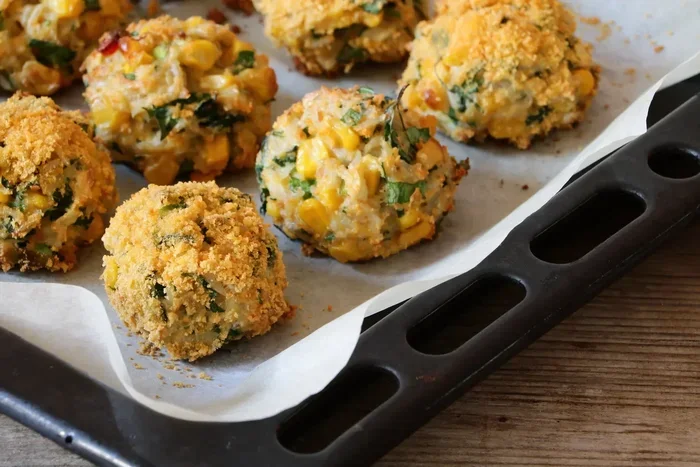
Classic Italian meatballs rely on Italian seasoning, grated Parmesan, and fresh parsley. The fat content in a beef-and-pork blend gives them rich flavor. Bake these at 400°F for 18–22 minutes. The Parmesan and breadcrumbs help form a firm crust. These meatballs are great for subs, pasta, or serving with marinara sauce.
Pork and Beef Mix
A 50/50 mix of ground pork and ground beef is my favorite for oven baking. The pork adds fat and moisture, which prevents drying. These meatballs do well at 400°F for about 20 minutes. The higher fat content means they brown faster. Watch them closely after the 15-minute mark to prevent over-browning.
Turkey Meatballs
Turkey meatballs are leaner, so they dry out more easily. I lower the oven temp to 375°F (190°C) for turkey. The gentler heat gives the meat time to cook through without losing moisture. Add extra breadcrumbs and an egg to help bind the lean meat. Bake for 22–25 minutes, and always check the internal temperature. Turkey reaches 165°F just like other meats.
Mini Meatballs for Appetizers
Tiny meatballs (1 inch) bake in just 12–15 minutes at 400°F. They are perfect for skewers or a party platter. Because they are so small, they can overcook quickly. Pull them out as soon as they hit 165°F inside. Serve them with a sweet chili sauce or a tangy barbecue dip for a crowd-pleasing appetizer.
Conclusion
Baking meatballs in the oven is simple when you know the right oven temp to bake meatballs. The magic number is 400°F (200°C) for most standard-sized batches. This temperature gives you a golden crust, a juicy interior, and a safe internal temperature of 165°F. Use a wire rack, space the meatballs properly, and let them rest for five minutes after baking. These small steps make a huge difference.
Remember that size, frozen state, and meat type all play a role. The table and tips in this guide help you adjust for every situation. Whether you are making a weeknight dinner or a party appetizer, you now have the knowledge to bake meatballs flawlessly. Trust the process, use a thermometer, and enjoy the delicious results. Your oven-baked meatballs will be crispy on the outside, tender on the inside, and absolutely perfect every time.
Frequently Asked Questions
Can I bake meatballs at 350°F instead of 400°F?
Yes, you can bake meatballs at 350°F, but it will take longer. The lower temperature gives a softer crust and a more steamed texture. If you choose 350°F, add about 10 minutes to the bake time and cover the pan with foil for the first half to keep them moist.
How do I know when meatballs are done without a thermometer?
The safest way is to use a meat thermometer. If you do not have one, cut into the largest meatball. The inside should be white with no pink remaining, and the juices should run clear. However, a thermometer ensures perfect results every time and removes any guesswork.
Should I flip meatballs while baking?
No, you do not need to flip meatballs in the oven. The hot air circulates around them and browns all sides evenly when placed on a wire rack. Flipping can break the crust and cause the meatballs to lose their shape.
Can I bake meatballs on a baking sheet without a rack?
Yes, you can place meatballs directly on a lined baking sheet. The downside is that the bottoms will steam instead of crisp up. To get a golden crust all around, a wire rack is the best tool. It also makes cleanup easier because drips fall below the meatballs.
How long do baked meatballs keep in the fridge?
Cooked meatballs stay fresh in the refrigerator for 3–4 days when stored in an airtight container. You can also freeze them for up to 3 months. Reheat leftover meatballs in the oven at 350°F for 10–15 minutes to keep their texture.
What is the best meat for oven-baked meatballs?
A blend of ground beef and ground pork gives the best flavor and moisture. Beef adds richness, and pork adds fat that keeps the meatballs tender. If you prefer a leaner option, ground turkey or chicken works well at a slightly lower temperature of 375°F.