What Can You Cook In A Halogen Oven You Will Be Surprised
A halogen oven is one of the most versatile countertop appliances you can own. You can cook meats, vegetables, baked goods, breakfasts, and even desserts inside it. From crispy roast chicken to moist cakes, the halogen oven handles it all with speed and ease. It uses rapid convection technology to cook food up to 40% faster than a traditional oven. Whether you are a beginner or a seasoned cook, the halogen oven recipes you can try will surprise you.
This is a comprehensive guide about What Can You Cook In A Halogen Oven.
Key Takeaways
- Versatile Cooking: A halogen oven can handle meats, vegetables, baked goods, breakfasts, and desserts.
- Fast Cooking: Food cooks up to 40% faster than a traditional oven thanks to convection technology.
- Healthier Meals: You can cook crispy food with little to no added oil, making it great for low fat cooking.
- Energy Efficient: Halogen ovens use less electricity than full-size ovens, saving you money on bills.
- Beginner Friendly: Simple controls and quick cooking times make it perfect for those new to countertop ovens.
- Easy Cleanup: Most parts are dishwasher safe, so post-cooking cleanup is a breeze.
- Surprising Recipes: You can bake cakes, roast whole chickens, and even make pizza in a halogen oven.
[FEATURED_IMAGE_PLACEHOLDER]
What Is a Halogen Oven and Why Is It So Popular
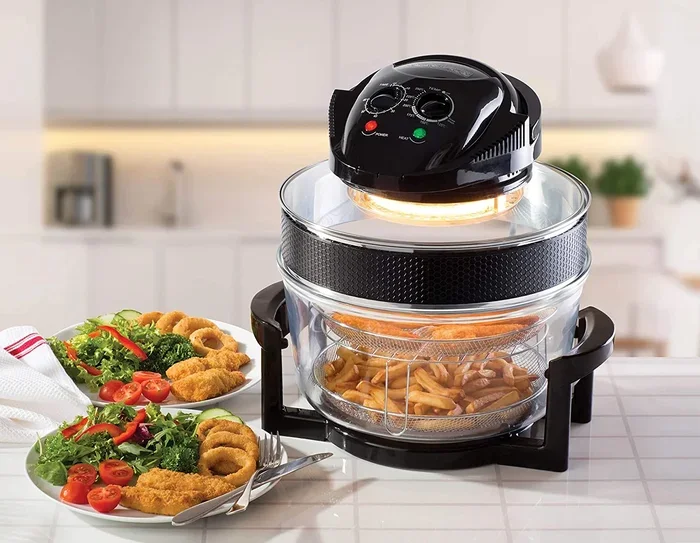
A halogen oven is a countertop cooking appliance that uses a halogen bulb, a fan, and a glass bowl to cook food. The bulb produces intense heat, and the fan circulates that hot air around the food. This process is called convection cooking, and it works incredibly well.
People love halogen ovens because they heat up fast. There is no waiting around for a full-size oven to preheat. You can start cooking within seconds of turning the machine on. This makes them perfect for busy weeknights when you want a hot meal on the table quickly.
The halogen oven vs air fryer debate comes up often. Both appliances use hot air to cook food, but a halogen oven typically has a larger cooking capacity. You can fit a whole chicken or a large tray of vegetables inside. An air fryer is usually smaller and better for individual portions.
How Does a Halogen Oven Actually Work
Inside a halogen oven, you will find three main parts. There is a halogen light bulb at the top, a fan in the middle, and a glass bowl where you place your food. The bulb glows with intense heat, and the fan blows that heat evenly over the food.
This creates a cooking environment that is very similar to a traditional oven. But because the heat surrounds the food from all sides, cooking happens much faster. The glass bowl also lets you watch your food as it cooks, which is a nice bonus.
Most halogen ovens come with a temperature control and a timer. You can set the heat anywhere from about 120 degrees to 250 degrees Celsius. This wide range means you can bake in a halogen oven, roast, grill, and even defrost food.
Why So Many People Are Switching to Halogen Ovens
There are several reasons why halogen oven for beginners has become such a popular phrase. First, these ovens are compact. They sit right on your kitchen counter and do not take up much space. This is a huge plus for people who live in small apartments or homes without a big kitchen.
Second, they are energy efficient. A traditional oven heats up a large cavity and uses a lot of electricity. A halogen oven only heats the food directly. Studies show that halogen ovens use up to 75% less energy than conventional ovens. That is great for your wallet and the environment.
Third, they are incredibly fast. A meal that takes 45 minutes in a regular oven might take only 25 minutes in a halogen oven. This speed makes cooking less of a chore and more of a quick, enjoyable task.
Best Foods to Cook in a Halogen Oven
The real magic of a halogen oven is the wide variety of foods you can prepare. Once you start exploring, you will realize that what can you cook in a halogen oven is a much bigger question than you might think. Let us break it down by food category.
Meats and Poultry
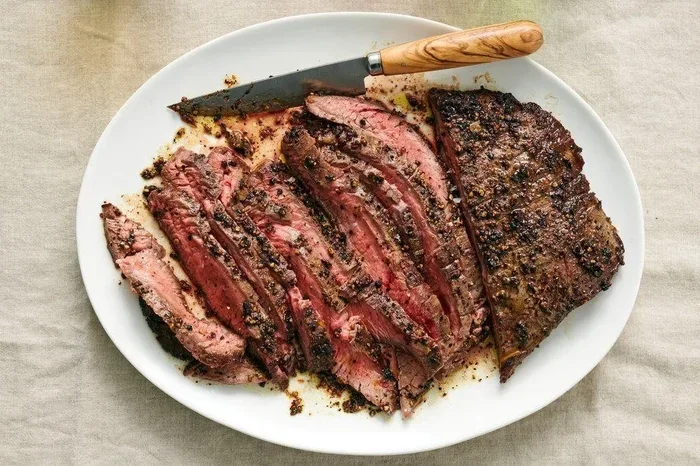
Roasting meat is one of the strongest suits of a halogen oven. You can cook a whole chicken, pork chops, beef steaks, lamb chops, and even small roasts. The hot air circulates around the meat, creating a beautiful golden crust on the outside while keeping the inside juicy.
Here are some popular meat dishes you can try:
- Roast chicken: A whole chicken cooks in about 40 to 50 minutes. The skin comes out crispy and delicious.
- Beef roast: A small beef roast with root vegetables makes a complete meal in under an hour.
- Pork chops: Thick-cut pork chops cook quickly and stay tender when you use the right temperature.
- Sausages and burgers: These cook in just 10 to 15 minutes and come out nicely browned.
Vegetables and Sides
Vegetables love the halogen oven. The hot air gives them a lovely crispiness without needing lots of oil. This is perfect for anyone who wants to enjoy low fat cooking without sacrificing taste.
Try these vegetable dishes in your halogen oven:
- Roasted potatoes: Cut them into wedges, add a little oil and seasoning, and roast until crispy.
- Steamed vegetables: Use the steaming rack that comes with most models. Broccoli, carrots, and green beans turn out perfectly tender.
- Grilled vegetables: Bell peppers, zucchini, and eggplant get beautiful char marks and smoky flavor.
- Sweet potato fries: A healthier alternative to deep-fried fries that still come out crunchy.
Baking and Desserts
Yes, you can bake in a halogen oven! Many people are surprised to learn that cakes, bread, and pastries turn out wonderfully inside a halogen oven. The even heat distribution helps baked goods rise properly and brown evenly.
Here are some dessert ideas to try:
- Vanilla sponge cake: Use a small round tin that fits inside the glass bowl.
- Banana bread: A quick and easy treat that bakes in about 25 minutes.
- Muffins: A batch of muffins cooks in 15 to 20 minutes. Perfect for a weekend treat.
- Apple crumble: A warm, comforting dessert that is ready in 30 minutes.
Breakfast Foods
Starting your morning with a hot breakfast is easy when you have a halogen oven. You can cook bacon, sausages, eggs, and even toast-like items all at once.
Popular breakfast options include:
- Bacon rashers: Lay them on the rack and let the hot air do the work. No splattering oil needed.
- Eggs: You can poach, fry, or bake eggs using the accessories that come with the oven.
- English muffins or bagels: Toast them with a little butter for a quick start to the day.
- Mini frittatas: Whisk eggs with vegetables, pour into a small dish, and bake for 10 minutes.
Halogen Oven vs Traditional Oven: What Is the Difference
Understanding the difference between a halogen oven and a traditional oven helps you use your appliance more effectively. Let us look at the key differences.
Speed and Cooking Time
A halogen oven preheats almost instantly. A traditional oven can take 10 to 15 minutes just to reach the right temperature. Once cooking starts, the halogen oven works much faster because the fan pushes hot air directly onto the food.
For example, a roast chicken might take 90 minutes in a conventional oven but only 50 minutes in a halogen oven. That is a huge time saving, especially on busy evenings.
Energy Use and Cost
Because halogen ovens are smaller and cook faster, they use significantly less electricity. A full-size oven can consume 2,000 to 5,000 watts per hour. A halogen oven typically uses between 1,000 and 1,300 watts. Over time, this adds up to real savings on your energy bills.
Cooking Results
Both ovens produce great results, but they do have different strengths. A traditional oven is better for very large meals or dishes that need long, slow cooking. A halogen oven excels at smaller to medium meals that benefit from fast, even heating. The convection fan in a halogen oven also creates crispier results on foods like roast potatoes and chicken skin.
| Feature | Halogen Oven | Traditional Oven |
|---|---|---|
| Preheat Time | Almost instant | 10 to 15 minutes |
| Cooking Speed | Up to 40% faster | Standard speed |
| Energy Use | 1,000 to 1,300 watts | 2,000 to 5,000 watts |
| Capacity | Small to medium | Large |
| Best For | Quick meals, small roasts, baking | Large meals, slow cooking |
| Portability | Yes, countertop friendly | No, built-in or heavy |
Easy Halogen Oven Recipes for Beginners
If you are new to using a halogen oven, starting with simple recipes is the best approach. Here are some beginner-friendly ideas that deliver great results every time.
Quick Weeknight Meals
On a busy evening, you want dinner on the table fast. A halogen oven makes this possible. Try a simple sheet pan meal: place chicken pieces and chopped vegetables on the tray, add olive oil and seasoning, and cook at 200 degrees for 20 to 25 minutes. That is it. One tray, minimal cleanup, and a delicious meal.
Another quick option is a halogen oven pizza. Use store-bought pizza dough, add your favorite toppings, and bake at 220 degrees for 10 to 12 minutes. The crust gets crispy and the cheese melts perfectly. It tastes almost as good as a pizzeria pizza.
Healthy Cooking Options
One of the biggest benefits of a halogen oven is healthy cooking. Because the hot air circulates so well, you do not need to deep fry or add excessive oil. You can achieve crispy textures with just a light spray of oil.
Try this healthy meal idea: place skinless chicken breast on the rack, surround it with broccoli and bell pepper slices, spray lightly with olive oil, season with herbs, and cook at 190 degrees for 15 to 20 minutes. You get a complete, balanced meal with minimal fat.
Cooking for One or Two
Halogen ovens are perfect for small households. You do not need to heat up a big oven for just yourself or your partner. A single pork chop with a side of roasted asparagus takes only 12 minutes. A personal-sized quiche bakes in about 15 minutes. These small portions make the halogen oven ideal for quick meals every day.
Tips for Getting the Best Results from Your Halogen Oven
To get the most out of your halogen oven, follow these practical tips. They will help you cook better food with less effort.
Temperature and Timing
Getting the halogen oven temperature right is essential. Because halogen ovens cook faster than traditional ovens, you should reduce the recommended temperature by about 10 to 20 degrees. For example, if a recipe says 200 degrees, try 180 degrees in your halogen oven.
Always start checking food a few minutes before the suggested cooking time. Every halogen oven is slightly different, and the size and thickness of your food also matter. Use a meat thermometer for roasts to make sure the inside is cooked to a safe temperature.
Using Accessories and Racks
Most halogen ovens come with a rack, a tray, and sometimes a steaming basket. Using these accessories properly makes a big difference. The rack allows hot air to flow underneath food, creating even browning. The tray catches drips and keeps the bowl clean.
For best results, do not overcrowd the bowl. Leave space between pieces of food so the hot air can circulate freely. Overcrowding leads to uneven cooking and soggy results.
Defrosting and Reheating
Your halogen oven is not just for cooking from scratch. It is also excellent for defrost food quickly and safely. You can defrost frozen meat, vegetables, and even bread in minutes using a low temperature setting.
Reheating leftovers is another great use. Pizza, fries, and roasted vegetables come out crispy again when reheated in a halogen oven. Unlike a microwave, which can make food soggy, the halogen oven restores that fresh-from-the-oven texture.
Cleaning and Maintenance
Keeping your halogen oven clean ensures it lasts for years. Most glass bowls and racks are dishwasher safe, so cleanup is easy. Wipe down the interior after each use while it is still warm. This prevents grease buildup and keeps the oven performing at its best.
Common Mistakes to Avoid When Cooking with a Halogen Oven
Even though halogen ovens are user friendly, there are some common mistakes that can affect your results. Avoiding these will help you cook better food every time.
One mistake is adding too much oil. Because the halogen oven uses hot air, you need far less oil than you think. A light spray or a small brush of oil is usually enough. Adding too much oil can make food greasy instead of crispy.
Another mistake is opening the lid too often. Every time you lift the glass lid, heat escapes and cooking time increases. Try to resist the urge to peek too frequently. Trust the process and check your food only when the timer goes off.
Some people also forget to preheat. While halogen ovens heat up much faster than traditional ovens, giving them 2 to 3 minutes before adding food still helps. This small step improves browning and cooking consistency.
Finally, using the wrong accessories can be risky. Never use plastic or wooden items inside the halogen oven. Stick to the metal racks, glass bowls, and heat-safe trays that come with the appliance or are specifically designed for it.
Frequently Asked Questions About Cooking in a Halogen Oven
Can you bake a cake in a halogen oven?
Yes, you absolutely can bake a cake in a halogen oven. Use a small round cake tin that fits inside the glass bowl. Reduce the temperature by about 10 degrees from what a regular recipe suggests and check for doneness a few minutes early. Most sponge cakes and muffins bake beautifully in a halogen oven.
Is cooking in a halogen oven healthy?
Cooking in a halogen oven is generally healthier than deep frying or using a traditional oven with excess oil. The hot air circulation cooks food evenly with very little added fat. This makes it a great choice for low fat cooking and preparing nutritious meals for your family.
Can you cook frozen food directly in a halogen oven?
Yes, you can cook frozen food directly in a halogen oven. In fact, it is one of the best appliances for this task. Just increase the cooking time by a few minutes and make sure the food reaches the proper internal temperature. Frozen vegetables, chicken nuggets, and even ready meals work well.
What accessories do I need for a halogen oven?
Most halogen ovens come with a glass bowl, a metal rack, and a drip tray. Some models also include a steaming basket and a pizza tray. You can buy additional accessories like skewer sets, baking pans, and extra racks to expand your cooking options. Always check that accessories are heat safe before using them.
How long does it take to cook a whole chicken in a halogen oven?
A whole chicken typically takes about 40 to 55 minutes in a halogen oven at 190 degrees Celsius. The exact time depends on the size of the chicken. Always make sure the thickest part of the thigh reaches 74 degrees Celsius on a meat thermometer to ensure it is fully cooked.
Can you use aluminum foil in a halogen oven?
Yes, you can use aluminum foil in a halogen oven, but use it sparingly. Covering food with foil traps steam and can make things soggy. If you use foil, leave some space for the hot air to circulate. Never let foil touch the halogen bulb directly, as this can cause damage.
Final Thoughts
So, what can you cook in a halogen oven? The answer is almost everything. From juicy roast chicken and crispy roast potatoes to moist cakes and quick breakfasts, the halogen oven proves itself to be one of the most versatile kitchen appliances you can own.
It is fast, energy efficient, and incredibly easy to use. Whether you are cooking for one or feeding a family, the halogen oven recipes available to you are nearly endless. You can roast, bake, grill, steam, and reheat with confidence.
If you have been curious about getting a halogen oven, now is the perfect time to start. The results will surprise you. Once you experience the speed and quality of convection cooking at home, you will wonder how you ever managed without one. Give it a try, experiment with different foods, and enjoy the journey of discovering all the delicious meals your halogen oven can create.
Frequently Asked Questions
What is What Can You Cook In A Halogen Oven?
What Can You Cook In A Halogen Oven is an important topic with many practical applications.