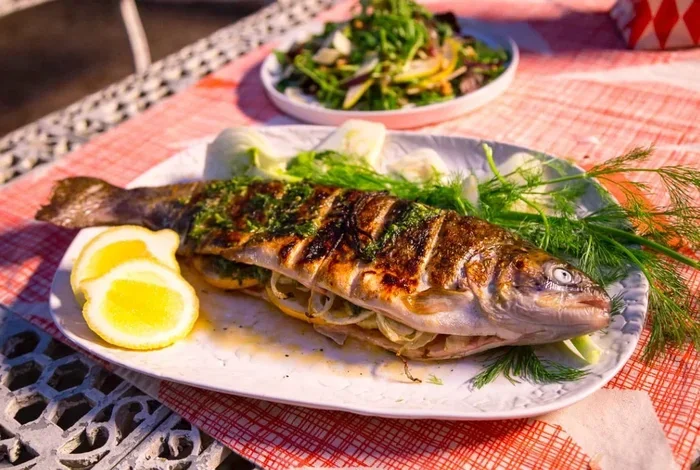
How To Cook Whole Trout In Oven For A Delicious Meal
Cooking whole trout in the oven is one of the simplest and most impressive ways to prepare fresh fish. This guide walks you through every step, from selecting the right trout to achieving golden, crispy skin and perfectly flaky meat. You will learn the best temperatures, timing, seasoning ideas, and pro tips that make oven-baked trout foolproof every single time.
There is something truly special about putting a whole fish in the oven and pulling out a stunning, golden dinner. How to cook whole trout in oven is a question many home cooks ask, and the answer is simpler than you might think. Whole trout bakes beautifully, stays incredibly moist, and looks impressive on the plate. Whether you are a beginner or a seasoned cook, this method delivers consistent, delicious results every time.
The beauty of oven-baked whole trout lies in its simplicity. You need very few ingredients, minimal prep work, and about 25 minutes of oven time. The fish cooks gently in its own juices, and the skin becomes perfectly crispy. Once you master this technique, you will make it again and again. Let us dive into everything you need to know.
Key Takeaways
- Whole trout cooks beautifully in the oven: It stays moist, develops crispy skin, and requires minimal active preparation time.
- Preheat to 400°F (200°C): This temperature cooks the fish evenly while crisping the skin without drying out the flesh.
- Season simply but effectively: Fresh herbs, lemon, garlic, and butter create a restaurant-quality flavor at home.
- Score the skin before baking: This helps heat penetrate evenly and gives the trout a beautiful presentation.
- Cook for 20-25 minutes: The fish is done when it reaches an internal temperature of 145°F and flakes easily with a fork.
- Rest the trout before serving: Letting it sit for a few minutes keeps the juices locked inside for a more flavorful bite.
- Avoid common mistakes: Overcooking, skipping the scoring, and using a cold pan are the top errors home cooks make.
📑 Table of Contents
- Why Cook Whole Trout in the Oven?
- Choosing the Right Trout for Oven Baking
- Preparing Whole Trout for the Oven
- The Best Oven Temperature and Cooking Time
- Trout Cooking Comparison Table
- Expert Tips for Perfect Oven-Baked Trout
- Common Mistakes to Avoid When Baking Whole Trout
- Serving Suggestions and Side Dishes
- Frequently Asked Questions
- Conclusion
Why Cook Whole Trout in the Oven?
Baking whole trout in the oven is one of the best ways to prepare this delicate fish. The method is gentle, and it lets the natural flavor shine through. Here are some reasons why this approach works so well.
It Keeps the Fish Moist
Oven baking surrounds the trout with even, gentle heat. Unlike grilling or pan-frying, the oven traps moisture inside the fish. The result is tender, succulent flesh that falls apart with a fork. You do not need to worry about the fish drying out if you keep an eye on the temperature and timing.
It Requires Very Little Effort
Unlike cooking a whole turkey or a large roast, trout cooks quickly. You can have a beautiful, restaurant-quality meal on the table in under 45 minutes. The prep work is minimal, and cleanup is a breeze. This makes oven-baked trout a perfect weeknight dinner option.
It Looks Stunning on the Table
A whole roasted trout makes an incredible centerpiece. The golden skin, fresh herbs, and lemon slices create a beautiful presentation. Your guests will think you spent hours in the kitchen, but the truth is it only took minutes of active preparation. Whole fish in oven recipes are perfect for dinner parties and family gatherings.
It Is Incredibly Healthy
Trout is packed with protein, omega-3 fatty acids, and essential vitamins. Baking it in the oven requires little to no added fat, making it a heart-healthy choice. It is one of the cleanest ways to prepare fish without losing its nutritional value. Trout dinner recipe options that use the oven are some of the healthiest meals you can make at home.
Choosing the Right Trout for Oven Baking
Picking the right trout makes a huge difference in your final dish. Not all fish are created equal, and knowing what to look for will set you up for success.
Fresh vs. Frozen Trout
Fresh trout is always the best choice for oven baking. Look for fish with clear, bright eyes, shiny scales, and a clean, mild smell. The flesh should be firm and spring back when pressed. Fresh trout from a local fish market or grocery store will give you the best flavor and texture.
That said, frozen trout works too. If you use frozen fish, thaw it completely in the refrigerator overnight. Pat it very dry with paper towels before seasoning. Frozen trout can sometimes release more water, so removing excess moisture is key to getting crispy skin.
Whole Trout vs. Fillets
Cooking whole trout in oven has advantages over fillets. The bones help keep the fish moist during baking, and the shape holds seasoning beautifully. A whole fish also presents better on the plate. However, if you prefer fillets, you can bake trout fillets in the oven as well. Fillets cook faster, usually in 12 to 15 minutes at the same temperature.
How Big Should Your Trout Be?
For oven baking, aim for trout that weighs between 1 and 2 pounds. Fish in this size range cook evenly and thoroughly without drying out. Smaller trout may overcook quickly, while very large ones can take longer and risk uneven cooking. A trout fillet in oven approach works well for smaller portions, but a whole fish gives the best results for a family meal.
Preparing Whole Trout for the Oven
Proper preparation is the secret to perfect oven-baked trout. Taking a few extra minutes here makes a big difference in the final result.
Cleaning the Trout
If you buy a whole trout, you will need to clean it before cooking. Start by rinsing the fish under cold running water. Remove the scales by scraping from tail to head with the back of a knife. Gut the fish and remove the gills, as they can add a bitter taste. Rinse the cavity thoroughly and pat the fish completely dry with paper towels.
Some fishmongers will clean the trout for you when you buy it. Do not be shy about asking them to do this. A clean fish cooks better and tastes much fresher.
Scoring the Skin
Scoring is one of the most important steps for whole fish in oven recipes. Use a sharp knife to make shallow diagonal cuts on both sides of the fish. Space the cuts about one inch apart. Scoring allows heat to penetrate the thickest parts of the fish evenly. It also helps the seasoning work its way into the flesh. Additionally, scored skin looks beautiful and crispy when it comes out of the oven.
Seasoning Your Trout
The seasoning for oven-baked trout should be simple but flavorful. Here are some classic combinations that work beautifully:
- Classic Lemon Herb: Fresh dill, parsley, lemon slices, and a drizzle of olive oil. This is the most popular trout with lemon and herbs combination.
- Garlic Butter: Softened butter mixed with minced garlic, salt, and pepper. Spread it inside the cavity and over the skin for rich flavor.
- Mediterranean Style: Add capers, olives, sliced tomatoes, and fresh oregano for a bold, Mediterranean twist.
- Simple and Clean: Just salt, pepper, a squeeze of lemon, and a few fresh thyme sprigs. Let the natural flavor of the baked trout fillet or whole fish speak for itself.
When seasoning, be generous with the salt and pepper. Do not forget to season inside the cavity and on both sides of the skin. Place lemon slices and fresh herbs inside the fish as well. This infuses the flesh with flavor as it cooks.
The Best Oven Temperature and Cooking Time
Getting the temperature and timing right is the most critical part of how to cook whole trout in oven. Too high and the outside burns while the inside stays raw. Too low and the fish takes too long and dries out. Here is what you need to know.
Recommended Temperature
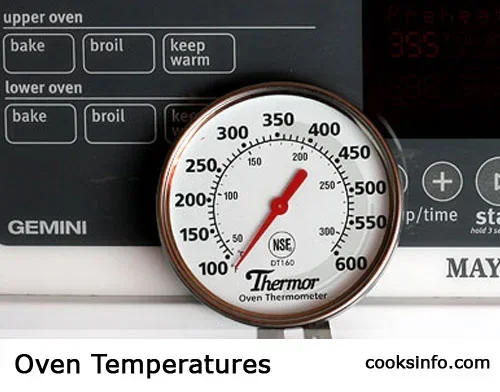
Preheat your oven to 400°F (200°C). This is the sweet spot for baking whole trout. At this temperature, the skin crisps up nicely while the inside cooks through gently. Trout cooking temperature at 400°F ensures even cooking without overcooking the delicate flesh.
If you prefer a slightly lower temperature, 375°F (190°C) also works well. It gives you a bit more time and a gentler cook. This can be helpful if your trout is on the larger side. However, 400°F is the most reliable and widely recommended temperature for oven roasted trout.
How Long to Bake Whole Trout
Cooking time depends on the size of the fish. Here is a general guide:
- 1-pound trout: 18 to 20 minutes
- 1.5-pound trout: 22 to 25 minutes
- 2-pound trout: 25 to 30 minutes
The best way to check if your trout cooking time is done is to insert a fork into the thickest part of the flesh near the spine. If it flakes easily and the flesh is opaque white, it is ready. Using a meat thermometer is even more reliable. The trout internal temperature should reach 145°F (63°C) at the thickest point.
Should You Cover the Trout?
Most whole trout recipe experts recommend baking the fish uncovered. Leaving it uncovered allows the skin to crisp up and the moisture to evaporate slightly, concentrating the flavor. However, if you find your trout drying out, you can cover it loosely with aluminum foil for the first 15 minutes and then remove the foil to finish cooking uncovered. This gives you the best of both worlds.
Trout Cooking Comparison Table
Here is a quick comparison of different oven-baked trout approaches to help you choose the best method for your needs.
| Method | Temperature | Time (1.5 lb fish) | Skin Texture | Best For |
|---|---|---|---|---|
| Whole trout, uncovered | 400°F (200°C) | 22-25 minutes | Very crispy | Best overall flavor and texture |
| Whole trout, foil-covered first | 400°F (200°C) | 25-28 minutes | Soft, tender | Leaner fish or beginners |
| Trout fillets, uncovered | 400°F (200°C) | 12-15 minutes | Crispy edges | Quick weeknight meals |
| Trout with vegetables | 400°F (200°C) | 25-30 minutes | Crispy | One-pan family dinners |
| Trout with stuffed cavity | 375°F (190°C) | 28-32 minutes | Crispy | Special occasions and presentation |
Expert Tips for Perfect Oven-Baked Trout
Even though baking trout is straightforward, a few expert tips can elevate your results from good to outstanding. These are the details that make the biggest difference.
Bring the Fish to Room Temperature
Take the trout out of the refrigerator 15 to 20 minutes before baking. A fish that starts at room temperature cooks more evenly than one that goes straight from the fridge into a hot oven. This simple step prevents cold spots in the center and ensures the baked trout fillet or whole fish cooks uniformly.
Dry the Skin Thoroughly
Moisture is the enemy of crispy skin. After cleaning and scoring the fish, pat every surface completely dry with paper towels. The drier the skin, the crispier it will get in the oven. This is one of the most important trout oven recipe tips that many home cooks overlook.
Use a Wire Rack
Place the trout on a wire rack set over a baking sheet. The rack allows hot air to circulate around the entire fish, cooking it evenly on all sides. It also prevents the bottom from sitting in liquid and becoming soggy. A wire rack is a small investment that makes a big difference for oven roasted trout.
Add Butter at the End
For extra richness, dot a few small pieces of butter over the fish during the last 5 minutes of baking. The butter melts into the skin and adds a luxurious flavor and golden color. This trick works wonders for crispy trout skin and takes the dish to the next level.
Let It Rest Before Serving
Once the trout is out of the oven, let it rest for 3 to 5 minutes. This allows the juices to redistribute throughout the flesh. Cutting into the fish immediately causes those juices to run out, leaving the meat less moist. Resting is a small step that makes a noticeable difference in every bite.
Common Mistakes to Avoid When Baking Whole Trout
Even experienced cooks can make mistakes when preparing whole trout in oven. Knowing what to avoid saves you from disappointing results.
Overcooking the Fish
This is the number one mistake people make. Trout is a delicate fish that dries out quickly once it passes the ideal doneness. The flesh should be opaque white and flake easily with a fork, but it should still have a slight moisture. If you are unsure, check the fish a few minutes early. You can always put it back for a few more minutes, but you cannot undo an overcooked fillet.
Skipping the Scoring Step
Some cooks skip scoring to save time, but this is a mistake. Unscored trout can cook unevenly, with the outside overcooking before the inside is done. Scoring ensures heat reaches the thickest parts of the fish. It also improves presentation and helps the skin crisp up evenly.
Not Preheating the Oven
Putting trout into a cold oven leads to uneven cooking and longer bake times. Always preheat your oven to 400°F before placing the fish inside. A properly preheated oven ensures the skin starts crisping immediately, locking in moisture from the start.
Using Too Much Seasoning
Trout has a delicate, mild flavor. Heavy spice blends can overpower it. Keep the seasoning simple and let the natural taste of the fish shine. Fresh herbs, a squeeze of lemon, salt, and pepper are all you need for a delicious trout meal that tastes authentic and clean.
Serving Suggestions and Side Dishes
Once your whole trout in oven is done, it is time to think about what to serve alongside it. The right sides complement the delicate flavor of the fish without overwhelming it.
Best Side Dishes for Baked Trout
- Roasted vegetables: Asparagus, zucchini, cherry tomatoes, and carrots roasted at 400°F alongside the trout make an easy one-pan meal.
- Garlic mashed potatoes: Creamy, buttery mashed potatoes are a classic pairing that complements trout perfectly.
- Fresh green salad: A light salad with a lemon vinaigrette adds freshness and balance to the meal.
- Rice or quinoa: A simple bed of steamed rice or quinoa soaks up the juices from the fish beautifully.
- Sourdough bread: Warm, crusty bread is perfect for mopping up the lemon butter sauce from the pan.
Sauces That Pair Well with Baked Trout
A good sauce can transform baked trout into an extraordinary dish. Here are some top choices:
- Lemon butter sauce: Melt butter with lemon juice, a pinch of salt, and fresh dill. Drizzle it over the fish just before serving.
- Hollandaise: A classic and rich sauce that pairs beautifully with the mild flavor of trout.
- Tartar sauce: A tangy, creamy sauce made with capers, pickles, and mayonnaise adds a nice contrast.
- Mango salsa: For a tropical twist, fresh mango salsa with red onion, cilantro, and lime juice is a vibrant option.
The right side dish and sauce can turn a simple trout dinner recipe into an memorable meal. Keep the sides light and fresh to let the trout remain the star of the plate.
Frequently Asked Questions
Can I bake whole trout from frozen?
Yes, you can, but it is not ideal. Frozen trout takes longer to cook and may release more moisture, which can make the skin less crispy. If you must bake from frozen, thaw the fish in the refrigerator overnight first. Pat it completely dry before seasoning and baking. This ensures the best texture and flavor for your whole trout in oven recipe.
What is the best way to know when trout is done?
The most reliable way is to use a meat thermometer. Insert it into the thickest part of the fish near the spine. The trout internal temperature should read 145°F (63°C). You can also check by gently pressing the flesh with a fork. If it flakes easily and appears opaque white throughout, it is ready. Avoid cutting into the fish too early, as this releases valuable juices.
Do I need to flip the trout while baking?
No, you do not need to flip a whole trout when baking it in the oven. The oven heats evenly from all sides, and the fish cooks on its own. If you are using a wire rack, the hot air circulates underneath as well. Flipping can break the delicate flesh and is unnecessary for oven-baked trout recipes.
Can I add vegetables inside the trout cavity?
Absolutely! Adding thinly sliced lemon, onion, fennel, or fresh herbs inside the cavity infuses the fish with extra flavor as it cooks. The vegetables steam gently inside the fish and create a beautiful aroma. This is a popular technique in whole fish in oven recipes and works wonderfully with trout.
How do I get crispy skin on baked trout?
The secret to crispy skin is drying the fish thoroughly before baking and scoring the skin properly. Make sure the skin is completely patted dry with paper towels. Bake at 400°F uncovered, and avoid moving the fish during cooking. If you want extra crispiness, brush the skin lightly with olive oil before baking. Following these steps will give you crispy trout skin every time.
Is it safe to eat the bones in baked trout?
The small bones in trout are edible and soft after baking, but most people prefer to remove them. To do this, use a fork and knife to gently pull the flesh away from the spine in portions. The bones will come out easily with the spine. If you are serving children or elderly guests, deboning the fish before serving is a thoughtful and safe practice. This is a common step in professional trout oven recipe preparations.
Conclusion
How to cook whole trout in oven is a skill that anyone can master with a little practice and the right guidance. From selecting the freshest fish to seasoning it simply and baking it at the perfect temperature, every step is straightforward and rewarding. The result is a moist, flavorful, beautifully crispy fish that looks stunning on the table and tastes even better.
Remember to dry the skin, score it before baking, and keep a close eye on the temperature and timing. Avoid common mistakes like overcooking or skipping the resting period. With these tips, your oven-baked trout will be consistently delicious every time you make it.
Once you try this method, you will wonder why you ever cooked trout any other way. It is fast, healthy, and incredibly satisfying. So preheat your oven, grab a fresh trout, and get ready to enjoy one of the best trout dinner recipe experiences you will ever have. Your kitchen — and your taste buds — will thank you.