How High Can An Oven Go And Why Max Temperature Matters
So, how high can an oven go? Most home ovens reach between 500°F and 550°F, while some commercial units go much higher. Your oven’s max temperature affects everything from crispy pizza crusts to proper broiling. Understanding your oven’s heat limits helps you cook safer and better every single day.
Have you ever wondered how high can an oven go? Maybe you are trying to bake a pizza at home and want that perfect crispy crust. Or perhaps you are broiling a steak and need serious heat. Either way, knowing your oven’s max temperature is more important than most people think.
The max temperature of your oven shapes what you can cook, how fast you can cook it, and how safe your kitchen stays. A home oven typically reaches between 500°F and 550°F. But commercial ovens and specialized units like a pizza oven can go way beyond that. In this guide, we will break down everything you need to know about oven heat limits, why they matter, and how to get the most from your appliance.
Whether you are a casual baker or a weekend cook who loves high heat cooking, this article has you covered. We will walk through oven types, temperature accuracy, safety tips, and practical cooking advice. By the end, you will understand your oven’s capabilities like never before.
Key Takeaways
- Most home ovens max out at 500°F to 550°F: This is the standard temperature range for residential cooking.
- Max temperature matters for cooking quality: High heat creates better browning, crispier crusts, and faster cooking times.
- Convection ovens often run hotter: The fan-assisted heat distribution can raise effective cooking temperatures.
- Always use an oven thermometer: Your dial settings may not match the true oven temperature inside.
- Safety first at high heat: Exceeding your oven’s thermal limit can damage the appliance or create fire risks.
- Different oven types have different limits: A pizza oven or commercial oven can reach 700°F to 900°F or more.
- Know your broil setting and self-cleaning cycle temperatures: These special modes push your oven to its upper limits.
📑 Table of Contents
What Is the Maximum Temperature of a Home Oven?
Most standard home ovens are built to reach a max temperature of around 500°F to 550°F. That is the upper ceiling for most residential cooking. But not all ovens are the same. Let us look at what drives this limit and what it means for your daily cooking.
Standard Home Oven Temperature Range
A typical oven temperature dial goes from about 175°F up to 500°F or 550°F. The lowest setting is great for slow roasting and warming. The highest setting is designed for broiling, pizza baking, and flash cooking. Most manufacturers set this upper limit based on safety testing and material durability.
Here is a quick look at common oven settings and what they mean:
- Low (175°F to 250°F): Perfect for slow cooking and warming leftovers.
- Medium (250°F to 375°F): Great for baking cookies, casseroles, and roasted vegetables.
- High (375°F to 450°F): Ideal for bread, pastries, and most everyday baking.
- Very High (450°F to 550°F): Used for pizza, searing, and broiling tasks.
The temperature range your oven offers depends on its design, insulation, and heating elements. Cheaper models sometimes cap at 475°F, while premium home ovens push closer to 550°F.
What the Dial Numbers Really Mean
Here is something many people do not realize. The number on your dial is not always the exact oven temperature inside. There can be a difference of 25°F or more. This is why an oven thermometer is one of the best tools you can own.
Your oven’s thermostat controls the heating element, but it is not perfectly precise. Hot spots, uneven heat distribution, and age can all throw off the actual temperature. A simple oven thermometer placed on the middle rack gives you a clear picture of what is really happening inside.
Why Does Max Temperature Matter?
The max temperature of your oven is not just a number on the dial. It directly affects your cooking results, the types of meals you can make, and even your kitchen’s safety. Let us dig into why this matters so much.
High Heat Cooking Techniques
Some cooking methods simply need serious heat. Think about Neapolitan-style pizza, which cooks in a wood-fired pizza oven at 800°F to 900°F. At home, you cannot reach that extreme, but you still need high heat to get a decent crust.
When you cook at high temperatures, the Maillard reaction kicks in. This is the chemical process that creates browning and complex flavors. Without enough heat, your food steams instead of searing. That is why high heat cooking makes such a big difference in texture and taste.
Other techniques that rely on high cooking temperature include:
- Broiling meats and vegetables for caramelization
- Baking artisan bread with a crispy crust
- Roasting vegetables at high heat for charring
- Making flatbreads and naan on a hot baking stone
The Role of Thermal Limit
Every oven has a thermal limit. This is the maximum heat the appliance can safely produce and maintain. Going beyond this limit is not possible in most cases, because the design simply does not allow it.
The thermal limit depends on several factors:
- The type and quality of insulation materials
- The wattage and power of the heating elements
- The oven’s overall build and construction
- Safety certifications and regulatory standards
Manufacturers set the max temperature after extensive testing. They want to ensure the oven can handle sustained high heat without cracking, warping, or becoming a fire hazard. Respecting this limit is part of basic oven safety.
Different Types of Ovens and Their Heat Limits
Not all ovens are created equal. The type of oven you own or are considering has a big impact on its max temperature. Let us compare the most common types.
Convection Oven vs. Traditional Oven
A convection oven uses a fan to circulate hot air around the food. This creates more even heat distribution and can cook food faster. Many convection models also reach slightly higher oven temperature ranges than traditional ovens.
Because the fan moves hot air continuously, a convection oven often feels hotter at the same dial setting. Some cooks reduce their baking temperature by 25°F when using a convection mode. This prevents over-browning while still getting great results.
Here is a quick comparison of common oven types and their typical max temperatures:
- Standard home oven: 500°F to 550°F
- Convection oven: 500°F to 550°F (with more even heat)
- Toaster oven: 400°F to 475°F (smaller and more limited)
- Pizza oven (wood-fired): 700°F to 900°F
- Commercial oven: 500°F to 1000°F+ depending on the model
Pizza Oven and Commercial Oven Heat
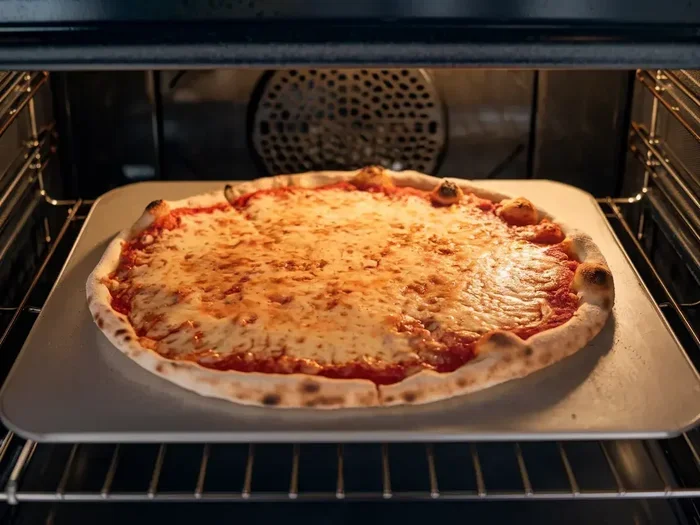
If you have ever eaten at a great pizzeria, you know the crust is something special. That comes from extreme heat. A traditional pizza oven reaches 700°F to 900°F, cooking a pizza in just 60 to 90 seconds.
Commercial ovens used in restaurants can go even higher. Deck ovens, for example, can reach 800°F to 1000°F. These ovens are built with heavy-duty materials and powerful heating elements that residential models simply cannot match.
For home cooks, a baking stone or pizza stone can help simulate some of this effect. Preheating the stone at your oven’s highest oven setting gives you a hotter cooking surface, which improves crust quality.
Toaster Ovens and Their Limits
Toaster ovens are compact and convenient, but they have lower max temperatures than full-size ovens. Most toaster ovens top out at 400°F to 475°F. This is fine for reheating, small-batch baking, and broiling thin cuts of meat.
If you are trying to make pizza or roast a large bird in a toaster oven, you will hit its thermal limit quickly. Understanding this helps you choose the right tool for the job.
How to Know Your Oven’s True Temperature
One of the most overlooked aspects of oven use is temperature accuracy. Your dial says 450°F, but is the inside really 450°F? Let us talk about how to find out.
Using an Oven Thermometer
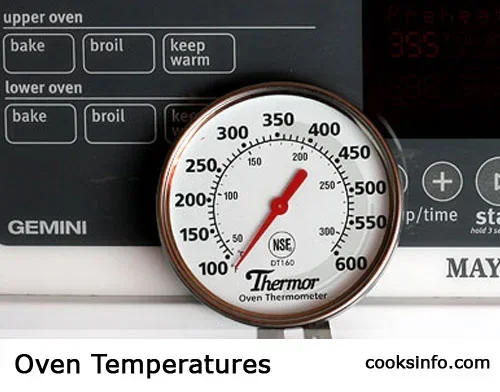
An oven thermometer is the single best investment you can make for better cooking. These inexpensive tools sit inside your oven and show the actual temperature. You will likely be surprised by what you find.
Place the thermometer on the middle rack. Preheat your oven to 350°F and wait at least 15 minutes. Check the reading. You may see 325°F or 375°F instead. This gap is normal and very common across all oven brands.
Knowing your oven’s true temperature helps you adjust cooking temperature and oven settings for better results every time.
Common Temperature Accuracy Issues
Several factors can throw off your oven’s accuracy:
- Age of the oven: Older ovens often lose calibration over time.
- Thermostat wear: The thermostat can drift, causing uneven heating.
- Door seals: Worn seals let heat escape, lowering the internal temperature.
- Rack position: Upper racks run hotter, lower racks run cooler.
- Self-cleaning cycle: This mode pushes the oven to its highest thermal limit, which can affect long-term calibration.
If you notice big swings in temperature, consider recalibrating your oven or replacing the thermostat. Many modern ovens have a calibration setting hidden in the control panel.
Tips for Cooking at High Heat
Cooking at or near your oven’s max temperature can produce amazing results. But it requires some know-how. Here are practical tips to help you cook safely and deliciously at high heat.
Best Oven Settings for High Heat
When you want the hottest possible oven temperature, use the broil setting or the highest bake setting on your oven. The broil setting focuses heat from the top element, creating intense direct heat perfect for searing and browning.
For baking at high heat, preheat your oven for at least 20 to 30 minutes. This ensures the walls, racks, and any baking stones are fully heated. A preheated baking stone or pizza stone stores extra heat and transfers it directly to your food.
Rack Position and Heat Distribution
Where you place the oven rack matters a lot at high temperatures. The top rack receives more direct radiant heat from the upper element. The bottom rack gets more heat from the lower element. The middle rack offers the most balanced heat distribution.
For pizza and flatbreads, place the rack as close to the top element as safely possible. For roasting, the middle rack works best for even cooking.
Quick Tips for High Heat Cooking
Here are some fast tips to improve your high-heat cooking:
- Always preheat for at least 20 minutes before cooking at high temperatures
- Use a pizza stone or baking steel to store and transfer extra heat
- Keep the oven door closed as much as possible to maintain consistent oven temperature
- Use light-colored baking sheets to avoid excess browning on the bottom
- Rotate your food halfway through for even cooking
- Never leave a high-heat oven unattended
Safety Tips When Using High Oven Temperatures
High heat is powerful, and with power comes responsibility. Oven safety should always be a priority, especially when you are pushing your oven close to its max temperature.
Understanding Oven Safety
Every oven has a designed thermal limit for a reason. Exceeding it can damage the heating elements, melt internal components, or in worst-case scenarios, start a fire. Never modify your oven to exceed its factory-rated max temperature.
The self-cleaning cycle is one of the highest-heat modes in a home oven. It typically runs at 800°F to 900°F to burn off food residue. While this is safe when used as designed, it produces a lot of smoke and odor. Make sure your kitchen is well-ventilated before starting a self-cleaning cycle.
Common Mistakes to Avoid
Here are mistakes that can cause problems when cooking at high heat:
- Overcrowding the oven: Blocking airflow reduces heat distribution and creates hot spots.
- Using the wrong cookware: Some plastics, adhesives, and non-stick coatings cannot handle high oven temperature limits.
- Ignoring the oven thermometer: Relying solely on the dial can lead to undercooking or burning.
- Leaving the oven on high unattended: Especially during broiling or self-cleaning cycles.
- Placing flammable items near the oven: Oven mitts, towels, and paper products should stay well away from the hot surface.
Following these simple oven safety practices keeps your food cooking right and your kitchen safe.
Conclusion
So, how high can an oven go? For most home ovens, the answer is between 500°F and 550°F. For specialized units like pizza ovens and commercial ovens, the number can climb much higher. Understanding your oven’s max temperature is essential for great cooking and safe kitchen practices.
The max temperature affects everything from your baking temperature choices to your broil setting performance. It shapes what you can cook, how it turns out, and how safely you can prepare it. By using an oven thermometer and following the tips in this guide, you can make the most of every degree your oven provides.
Take a moment to learn your oven’s limits. Check its manual, test its accuracy, and experiment with high-heat cooking. You will be amazed at the difference it makes in your everyday meals. Your oven is a powerful tool, and now you know exactly how to use it to its full potential.
Frequently Asked Questions
What is the average max temperature for a home oven?
Most standard home ovens reach a max temperature of 500°F to 550°F. Some budget models cap at 475°F, while premium ovens may push closer to 550°F. Always check your oven’s manual for the exact temperature range.
Can you exceed your oven’s max temperature?
No, you should never try to exceed your oven’s thermal limit. The max temperature is set by the manufacturer based on safety testing and material limits. Going beyond it can damage the oven, void the warranty, or create a fire hazard.
Why does my oven not reach 500°F?
If your oven struggles to reach its rated max temperature, the heating element may be failing, the thermostat could be worn out, or the door seal might be damaged. An oven thermometer can help you diagnose the real issue. Contact a technician if needed.
Is the broil setting the hottest oven mode?
Yes, the broil setting typically uses the upper heating element at full power and can reach temperatures near or at your oven’s max temperature. It provides intense direct heat from above, making it ideal for searing and browning.
How does a pizza oven get so much hotter than a home oven?
A pizza oven is built with specialized insulation, refractory materials, and powerful burners designed for extreme high heat cooking. Wood-fired pizza ovens can reach 700°F to 900°F, far beyond what a home oven can achieve.
Do I need an oven thermometer if my oven has a digital display?
Yes, even digital oven settings can be off by 25°F or more. An oven thermometer gives you an independent check on the actual oven temperature inside. It is a small investment that leads to much better cooking results.
=== CONCLUSION ===
How high can an oven go is a question with a clear answer for most cooks: between 500°F and 550°F for a home oven. But the real takeaway goes beyond just a number. Your oven’s max temperature shapes your cooking possibilities, your food quality, and your kitchen safety.
Use an oven thermometer to know your true temperature. Respect the thermal limit of your appliance. Choose the right oven settings for the job. And never be afraid to explore high-heat cooking techniques like broiling and pizza baking.
Now that you understand your oven’s heat limits, you are ready to cook with more confidence and better results. Apply these tips today and taste the difference in your next meal.