How To Toast Coconut In Toaster Oven With Perfect Results
Toasting coconut in a toaster oven is the easiest way to get perfectly golden, crunchy coconut at home. You will learn the exact temperature, timing, and techniques that deliver evenly toasted coconut every single time. This guide covers everything from preparation to storage so you can enjoy fresh homemade toasted coconut whenever you want it.
There is something incredibly satisfying about pulling a tray of golden, toasted coconut out of the oven. The smell alone can transform your entire kitchen into a tropical paradise. Whether you are sprinkling it over a smoothie bowl, folding it into cookie dough, or using it as a stunning cake topper, toasted coconut adds a depth of flavor and crunch that raw coconut simply cannot match.
Many people assume you need a full-size oven or a specialty kitchen tool to get great results. That is simply not true. A toaster oven is one of the best tools for this job. It heats up fast, uses less energy, and gives you incredible control over the toasting process. In this guide, we will walk you through how to toast coconut in toaster oven with perfect results every single time.
By the end of this article, you will know the right temperature, the perfect timing, common mistakes to avoid, and dozens of creative ways to use your freshly toasted coconut. Let us get started.
Key Takeaways
- Use 325°F for even toasting: This temperature works perfectly for both sweetened and unsweetened coconut without burning.
- Stir halfway through: Pausing to flip the coconut ensures all pieces turn golden brown at the same rate.
- Watch closely in the last 2 minutes: Coconut goes from perfectly toasted to burnt very quickly, so stay nearby.
- Cool completely before storing: Residual heat keeps cooking the coconut, and storing it warm causes moisture and sogginess.
- A rimmed baking sheet is essential: It prevents coconut flakes from falling through the oven rack and burning.
- Toasted coconut keeps for up to 2 weeks: Proper storage in an airtight container maintains that perfect crunch.
- You can use frozen coconut: Spread it straight from the freezer for even toasting without clumping.
📑 Table of Contents
Why Toast Coconut in a Toaster Oven?
You might wonder why we are focusing specifically on the toaster oven when a regular oven works just fine. The truth is, a toaster oven offers several unique advantages for this particular task. Understanding these benefits will help you appreciate why this method has become a favorite among home bakers and cooks.
Speed and Efficiency
A toaster oven preheats in a fraction of the time a full-size oven does. Instead of waiting 15 to 20 minutes, your toaster oven is often ready in 5 minutes or less. This matters because toasting coconut takes only 5 to 10 minutes total. The quick preheat means you spend more time enjoying your creation and less time waiting.
Better Control Over Heat
Toaster ovens tend to have more concentrated heat around the food because the cooking chamber is smaller. This creates a more even toasting environment. You can also easily monitor the coconut through the glass door without opening the oven and losing heat. This visibility is a game-changer because it lets you catch the perfect golden moment before anything goes too far.
Energy Savings
Using a toaster oven for small batches of coconut saves a significant amount of energy compared to heating a large oven. If you are only toasting a cup or two of coconut, firing up the big oven just does not make sense. The toaster oven is the smarter, greener choice for this job.
Perfect for Small Batches
Most recipes call for just a handful of toasted coconut. A toaster oven handles these small quantities beautifully without overcrowding the tray. Overcrowding leads to uneven toasting, and nobody wants half-burnt, half-raw coconut flakes on their dessert.
What You Will Need to Toast Coconut
Getting ready to toast coconut is simple. You do not need a long list of ingredients or fancy equipment. Here is everything you need to have on hand before you begin.
Ingredients
- Shredded coconut or coconut flakes — unsweetened works best for savory uses, while sweetened coconut is great for desserts
- A light coating of neutral oil like coconut oil or melted butter (optional but recommended)
- A pinch of salt (optional)
- A sprinkle of brown sugar or cinnamon for extra flavor (optional)
Equipment
- A toaster oven — any standard model will work
- A rimmed baking sheet or toaster oven tray
- Parchment paper or a silicone baking mat
- A spatula or spoon for spreading
- A cooling rack for after toasting
That is it. No special gadgets required. The simplicity of this process is part of what makes it so appealing. You can go from raw coconut to perfectly toasted coconut in under 15 minutes total.
Step-by-Step Guide to Toast Coconut in Toaster Oven
Now let us get into the heart of the matter. This is the exact process we use every time we want to achieve perfectly toasted coconut in a toaster oven. Follow these steps closely and you will get amazing results.
Step 1: Preheat Your Toaster Oven
Set your toaster oven to 325°F (163°C). This is the sweet spot for toasting coconut. It is hot enough to drive off moisture and develop flavor, but not so hot that it burns the coconut before the inside dries out. Some recipes suggest 350°F, but 325°F gives you a much wider window and reduces the risk of burning.
Give the oven at least 3 to 5 minutes to fully preheat. Toaster ovens can be inconsistent with their temperature readings, so if you have an oven thermometer, use it. Knowing your actual oven temperature helps you fine-tune future batches.
Step 2: Spread the Coconut on the Baking Sheet
Line your baking sheet with parchment paper or a silicone mat. Spread the coconut in a single, even layer across the sheet. Do not pile the coconut up or stack it in any way. You want each piece to have direct contact with the hot air circulating in the oven.
If you are toasting more than one cup of coconut, consider using two sheets or doing it in batches. Overcrowding the pan is the number one reason people end up with unevenly toasted coconut. A single thin layer ensures every flake gets the same amount of heat exposure.
Step 3: Add Oil or Butter (Optional)
For extra flavor and a richer golden color, toss the coconut with a small amount of melted coconut oil or butter. About one teaspoon per cup of coconut is plenty. This step is completely optional, but it makes a noticeable difference in the final texture and taste.
If you are going for a savory coconut topping, skip the sweetener and just use a tiny bit of oil and salt. For sweet applications, a light drizzle of honey or a sprinkle of brown sugar works beautifully.
Step 4: Place in the Toaster Oven and Set a Timer
Slide the baking sheet into the center of the toaster oven. Set your timer for 5 minutes. The total toasting time usually falls between 5 and 10 minutes depending on your oven, the type of coconut, and how dark you like it.
Set a gentle alarm so you do not forget about it. Coconut can go from perfectly golden to burnt in under a minute during the final stages of toasting.
Step 5: Stir and Flip at the 5-Minute Mark
After 5 minutes, open the oven and use a spatula to stir and flip the coconut pieces. This is the most important step for achieving even toasting. The pieces on the edges and bottom of the pan tend to toast faster, so flipping them moves the slower pieces into direct heat.
Spread the coconut back into an even layer and slide the tray back in. Set another timer for 3 to 5 minutes.
Step 6: Watch Carefully Until Golden Brown
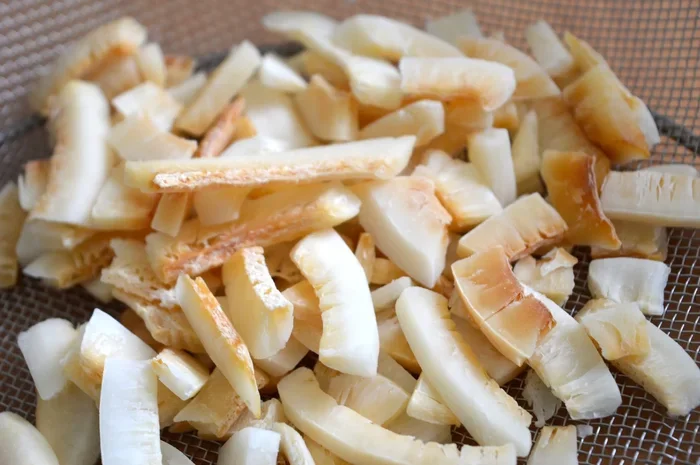
During the final minutes, keep a close eye on the coconut. You are looking for a uniform golden brown color throughout. The edges should be slightly darker than the center, and the coconut will feel dry and light when you lift a piece with the spatula.
Remove the tray as soon as you reach your desired color. Remember that the coconut will continue to darken slightly as it cools on the hot baking sheet. Pull it off a touch early and you will be perfectly rewarded.
Step 7: Cool Completely Before Using or Storing
Transfer the toasted coconut to a cooling rack or a separate plate. Spread it out in a thin layer to release any trapped steam. Let it cool for at least 15 to 20 minutes before storing or using in recipes.
Do not skip this step. Storing warm coconut traps moisture inside the container, which leads to sogginess and shortens the shelf life. Cooling completely is what gives you that satisfying, long-lasting crunch.
Tips for Perfectly Toasted Coconut Every Time
Even though toasting coconut is straightforward, a few pro tips can take your results from good to absolutely perfect. Here are the insights that experienced bakers swear by.
Use Unsweetened Coconut for the Best Results
Unsweetened coconut toasts more evenly because it has no added sugars that can caramelize unevenly or burn quickly. If you only have sweetened coconut on hand, reduce the oven temperature by 10 degrees and keep a very close watch during the last few minutes.
Frozen Coconut Works Great
If you keep your coconut in the freezer, you can toast it straight from frozen. Just spread it out on the baking sheet and increase the toasting time by about 2 minutes. The frozen coconut will not clump together during toasting, which is a nice bonus.
Line Your Pan Properly
Parchment paper or a silicone baking mat prevents the coconut from sticking and makes cleanup effortless. Avoid using bare metal pans without a liner because the coconut sugars can bond directly to the surface and create a mess.
Rotate the Pan Halfway Through
Most toaster ovens have hot spots. Rotating the pan 180 degrees at the halfway point ensures all sides of the coconut receive equal heat exposure. This simple move eliminates uneven browning and guarantees consistent results batch after batch.
Store in an Airtight Container
Once completely cooled, transfer your toasted coconut to an airtight jar or container. Store it at room temperature away from direct sunlight. Properly stored toasted coconut stays fresh and crunchy for up to two weeks.
Make It Ahead of Time
Toasted coconut keeps well, so feel free to make a larger batch. You can use it throughout the week in smoothies, on oatmeal, in baked goods, or as a garnish for virtually any dessert. Having pre-toasted coconut on hand makes healthy snacking and baking so much more convenient.
Common Mistakes to Avoid When Toasting Coconut
Even simple tasks like toasting coconut have pitfalls. Learning what not to do is just as important as learning the right technique. Here are the most common mistakes people make and how to avoid them.
Using Too High a Temperature
It is tempting to crank the heat up to save time, but high temperatures burn the outside of the coconut before the inside dries out. 325°F is the ideal balance between speed and control. Trust the process and let the low, steady heat do its work.
Skipping the Stirring Step
If you set the timer and walk away, you will end up with unevenly toasted coconut. Some pieces will be dark brown while others remain pale and chewy. Stirring halfway through is not optional. It is essential for uniform results.
Overcrowding the Pan
Piling coconut onto the baking sheet creates steam pockets that prevent proper toasting. The coconut ends up chewy and pale instead of crispy and golden. Give each piece room to breathe. A single flat layer is the key to success.
Not Paying Attention in the Final Minutes
Coconut transitions from perfectly toasted to burnt remarkably fast. During the last 2 to 3 minutes of toasting, stay in the kitchen and watch through the oven door. Set a timer for every interval, and never rely on memory alone.
Storing While Still Warm
This is the mistake that ruins even the best toasting job. Warm coconut trapped in a sealed container creates condensation, which makes the coconut soft and chewy. Always let it cool completely on a rack before sealing it up for storage.
Creative Ways to Use Toasted Coconut
Now that you know how to toast coconut in toaster oven perfectly, let us talk about what to do with it. Toasted coconut is incredibly versatile and adds flavor and texture to a wide range of dishes and treats.
On Breakfast Bowls
Sprinkle toasted coconut over yogurt, oatmeal, or acai bowls for an instant tropical twist. The crunch pairs beautifully with creamy textures and fresh fruits. It turns an ordinary breakfast into something that feels special and indulgent.
In Baked Goods
Fold toasted coconut into cookie dough, muffin batter, or cake mixtures. It adds a nutty depth and pleasant chewiness. Coconut macaroons, coconut bars, and coconut flour pancakes all benefit from using freshly toasted coconut as a key ingredient.
As a Dessert Topping
Use toasted coconut as a finishing touch on ice cream, puddings, fruit salads, or chocolate mousse. The contrast between the cold dessert and the warm, crunchy coconut creates a delightful sensory experience that elevates any simple dish into something restaurant-quality.
In Smoothies and Drinks
Blend a spoonful of toasted coconut into smoothies or blend it into coconut milk for tropical beverages. The toasted flavor adds a rich, caramel-like complexity that raw coconut simply does not have. It pairs especially well with mango, pineapple, and banana.
In Savory Dishes
Do not limit toasted coconut to sweet applications. Sprinkle it over curries, stir-fries, or rice bowls for added texture and a subtle nutty flavor. In Southeast Asian cooking, toasted coconut is a common garnish that brings balance and crunch to rich, spicy dishes.
As a Standalone Snack
Sometimes the best use for toasted coconut is simply eating it by the handful. It is a satisfying, naturally sweet snack that requires zero preparation beyond what you have already done. Keep a jar of toasted coconut on the counter for an easy, healthy grab-and-go option.
Conclusion
Toasting coconut in a toaster oven is one of the simplest and most rewarding kitchen skills you can learn. With just a few minutes of active attention, you transform plain coconut into a golden, crunchy topping that enhances virtually any dish. The process is fast, energy-efficient, and requires minimal equipment.
Remember the key points: use 325°F, spread the coconut in a single layer, stir halfway through, and watch it carefully in the final minutes. Avoid the common mistakes we covered, and you will never end up with burnt or uneven coconut again.
Once you start making toasted coconut at home, you will wonder how you ever lived without it. The flavor is infinitely better than store-bought toasted coconut, and the satisfaction of creating it yourself is hard to beat. So preheat your toaster oven, grab some coconut, and give it a try today. You will not be disappointed.
Frequently Asked Questions
Can I toast sweetened coconut in a toaster oven?
Yes, you absolutely can. Sweetened coconut works well in a toaster oven, but you should reduce the temperature slightly to 320°F and watch it more carefully. The added sugar caramelizes faster and can burn more quickly than unsweetened coconut.
How long does toasted coconut last?
When stored in an airtight container at room temperature, toasted coconut stays fresh and crunchy for up to two weeks. If you need to keep it longer, you can refrigerate it for up to a month or freeze it for up to three months.
Can I use a microwave instead of a toaster oven?
While you can microwave coconut, the results are not as consistent or satisfying. A microwave tends to create hot spots and uneven texture. A toaster oven delivers the gentle, even heat that produces uniformly golden and crispy coconut flakes every time.
What is the best type of coconut for toasting?
Unsweetened shredded coconut or large coconut flakes work best for toasting. They toast evenly and provide a satisfying crunch. Avoid coconut that has been sitting out for too long, as older coconut has less moisture and can burn more easily.
Do I need to add oil when toasting coconut?
No, oil is completely optional. Plain coconut will toast beautifully on its own at 325°F. However, adding a small amount of coconut oil or melted butter enhances the flavor and promotes a more even, golden browning.
Can I toast coconut at a higher temperature to save time?
We do not recommend going above 350°F. Higher temperatures cause the outside to burn before the inside dries out properly. The 325°F temperature strikes the perfect balance between efficient toasting and foolproof results. The extra few minutes are well worth it for consistent, golden coconut.