How To Cook Corned Beef Brisket In Dutch Oven The Easy Way
Cooking corned beef brisket in a Dutch oven is the simplest way to get tender, juicy, and flavorful meat at home. This easy method uses low heat and a rich braising liquid to turn a tough cut into a melt-in-your-mouth classic comfort food. You will learn the full recipe, essential tips, and common mistakes to avoid. Whether you are a beginner or a seasoned home cook, this guide covers everything you need. Follow along and enjoy restaurant-quality corned beef brisket with minimal effort.
Key Takeaways
- Rinse the brisket: Always rinse corned beef brisket under cold water before cooking to remove excess salt from the curing process.
- Sear for flavor: A quick sear on the stovetop before braising adds a rich, brown crust that enhances the overall taste.
- Cook low and slow: Use 325°F and let the meat braise for 3 to 4 hours. This breaks down collagen and creates tender, juicy results.
- Use a meat thermometer: The internal temperature should reach at least 190°F for the best texture and food safety.
- Rest before slicing: Let the meat rest for 15 to 20 minutes after cooking so the juices redistribute and the slices stay moist.
- Cut against the grain: Always slice perpendicular to the muscle fibers for the most tender bite.
- Save the liquid: The braising liquid is flavorful gold. Use it for reheating, making gravy, or as a soup base.
📑 Table of Contents
- What Is Corned Beef Brisket and Why Cook It in a Dutch Oven?
- Essential Ingredients for the Perfect Corned Beef Brisket
- Step-by-Step Instructions for Cooking Corned Beef Brisket
- Tips for Getting Tender, Flavorful Corned Beef Every Time
- Serving Suggestions and Side Dishes
- Common Mistakes to Avoid When Cooking Corned Beef Brisket
- Expert Insights on Dutch Oven Corned Beef
- Key Takeaways
- Conclusion
What Is Corned Beef Brisket and Why Cook It in a Dutch Oven?
Corned beef brisket is a salt-cured cut of beef that comes from the breast or lower chest area of the cow. The curing process uses large grains of salt, which is where the name “corned” comes from. People have been eating this dish for centuries, especially in Irish and Jewish traditions.
A Dutch oven is a heavy, thick-walled pot with a tight-fitting lid. It is made of cast iron or enameled steel. This type of pot traps heat and moisture very well. That makes it perfect for slow-cooking tough cuts of meat like corned beef brisket. The even heat distribution prevents hot spots, and the lid keeps all the flavor locked inside.
When you cook corned beef brisket in a Dutch oven, you are essentially braising it. Braising means cooking meat slowly in liquid at a low temperature. This breaks down the tough fibers and turns chewy meat into something incredibly tender. The result is a rich, savory dish that feels like a warm hug on a cold day.
Many people think this dish is hard to make. But the truth is, it is one of the easiest slow-cooked meals you can prepare. You just need a few ingredients, a Dutch oven, and a little patience. This guide will walk you through every step so you get perfect results.
Essential Ingredients for the Perfect Corned Beef Brisket
The Corned Beef Brisket Itself
Start with a good-quality corned beef brisket. You can find these at most grocery stores, usually in the meat section near the pickles and mustard. They come in two main cuts: the point cut and the flat cut. The flat cut is leaner and easier to slice evenly. The point cut has more fat and is juicier. Either one works well in a Dutch oven.
Look for a brisket that weighs between 3 and 5 pounds. This size fits perfectly in most standard Dutch ovens. A bigger piece may need more cooking time, while a smaller one can dry out if you are not careful.
Aromatics and Seasonings
The flavor of your corned beef brisket depends heavily on what you add to the pot. Here are the key aromatics you will need:
- Yellow onion — adds a sweet, savory base flavor.
- Garlic cloves — gives the meat a deep, aromatic kick.
- Bay leaves — contribute a subtle herbal note.
- Whole black peppercorns — add gentle heat.
- Mustard seeds — bring a tangy, slightly spicy flavor.
- Coriander seeds — add a warm, citrusy aroma.
- Fresh thyme — lifts the overall flavor profile.
The Braising Liquid
The braising liquid is what turns a tough cut of meat into something silky and tender. For a classic Dutch oven corned beef recipe, you will use a mix of beef broth and water. Some cooks add a splash of apple cider vinegar or beer for extra depth.
The liquid should cover at least two-thirds of the meat. You do not need to submerge it completely. As the meat cooks, it releases its own juices, which mix with the braising liquid and create a rich, flavorful broth.
Vegetables to Add
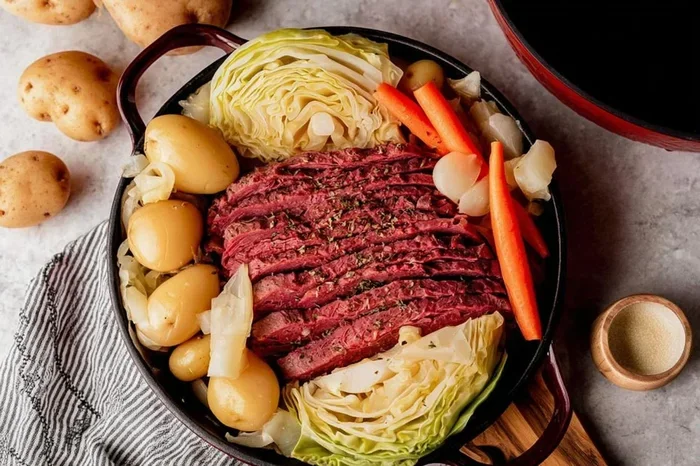
Adding vegetables is optional but highly recommended. Carrots, potatoes, and cabbage are the traditional choices. They absorb the savory juices and become incredibly flavorful themselves. You can add them in the last 45 minutes of cooking so they do not turn to mush.
Step-by-Step Instructions for Cooking Corned Beef Brisket
Step 1: Rinse and Prep the Meat
Before you cook, take the corned beef brisket out of its packaging. Rinse it under cold water to remove excess salt from the curing process. Pat it dry with paper towels. This step is important because the brine can make the final dish too salty if you skip it.
Some people like to soak the meat in water for a few hours or overnight. This is a good idea if the packaging included a lot of extra brine. Just drain and rinse again before cooking.
Step 2: Sear the Meat for Flavor
Preheat your oven to 325°F. Place your Dutch oven on the stovetop over medium-high heat. Add a small amount of oil to the pot. Once the oil is hot, place the brisket flat-side down into the pot. Let it sear for about 3 to 4 minutes on each side.
Searing is not strictly necessary, but it adds a wonderful layer of flavor. The Maillard reaction creates a brown crust on the outside of the meat. This crust traps juices inside and gives the final dish a richer taste. Do not rush this step. Let the pot do the work.
Step 3: Add Aromatics and Liquid
After searing, remove the meat and set it aside. In the same pot, add your chopped onion, garlic, and spices. Stir them around for about one minute until they become fragrant. Pour in the beef broth and water. Stir to combine everything.
Place the seared brisket back into the pot. The liquid should reach about halfway up the side of the meat. If it does not, add a little more broth or water.
Step 4: Cover and Braise Low and Slow
Cover the Dutch oven with its lid. Place it in the preheated oven. Cook the corned beef brisket at 325°F for about 3 to 4 hours. The exact time depends on the size of your cut. A 3-pound brisket will take closer to 3 hours. A 5-pound piece may need the full 4 hours or even a bit longer.
The key is to cook it at a low temperature. You want a gentle simmer, not a rolling boil. The meat is done when a fork slides in and out with almost no resistance. The internal temperature should reach at least 190°F for the best texture.
Step 5: Rest and Slice
Once the cooking is done, remove the pot from the oven. Let the corned beef brisket rest for at least 15 to 20 minutes. This allows the juices to redistribute throughout the meat. If you slice it right away, the juices will run out and the meat will be drier.
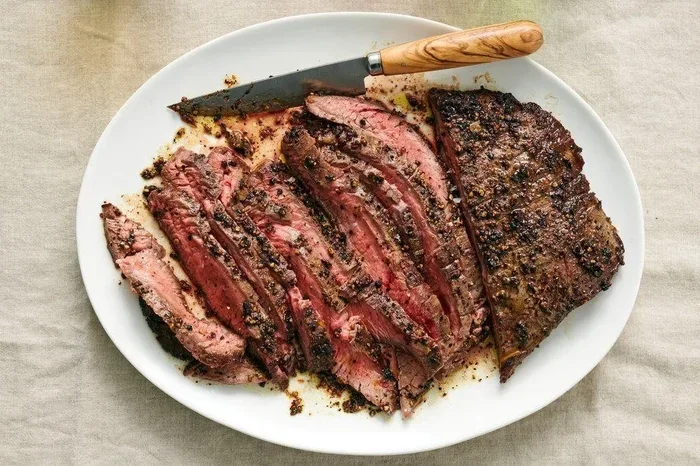
When you are ready to serve, remove the meat from the pot. Use a sharp knife and cut against the grain. Cutting against the grain shortens the muscle fibers, making each slice easier to chew. Slice the fat on the side as well, but keep it separate so people can add it to their liking.
Tips for Getting Tender, Flavorful Corned Beef Every Time
Keep the Temperature Low
The biggest secret to tender corned beef brisket is low and slow cooking. High heat toughens the muscle fibers and squeezes out the moisture. A steady temperature of 325°F gives the collagen in the meat time to break down into gelatin. This is what creates that silky, fall-apart texture.
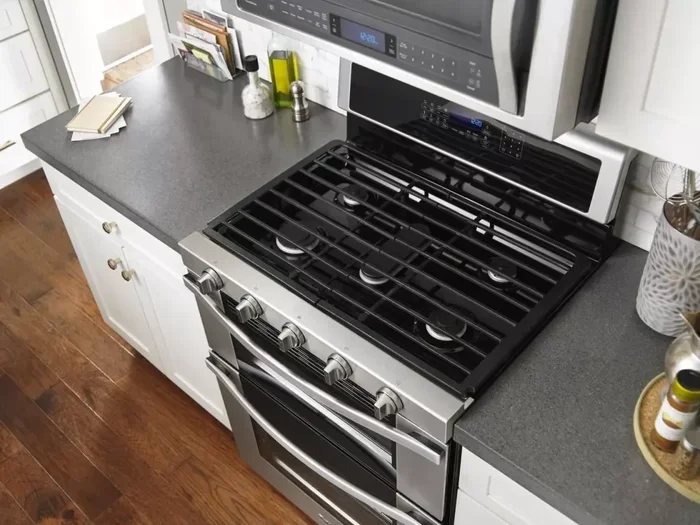
If you are using a gas oven, make sure the flame does not touch the bottom of the Dutch oven directly. If it does, use a heat diffuser. This prevents the bottom of the meat from burning while the top stays undercooked.
Do Not Skip the Resting Step
Resting the meat after cooking is just as important as the cooking itself. During resting, the internal temperature equalizes, and the fibers relax. This means more juice stays inside the meat instead of pooling on the cutting board. A good rest of 15 to 20 minutes makes a noticeable difference.
Save the Cooking Liquid
Do not throw away the liquid left in the pot after cooking. It is packed with flavor from the meat, vegetables, and spices. Strain it and use it as a base for soup or gravy. You can also warm up slices of corned beef brisket in this liquid to keep them moist and flavorful.
Use a Meat Thermometer
A meat thermometer takes the guesswork out of cooking corned beef brisket. Insert it into the thickest part of the meat, avoiding any bone or large fat deposits. You want the internal temperature to hit at least 190°F for fork-tender results. Going above 200°F is fine too, as long as you have enough liquid in the pot.
Choose the Right Size Pot
Your Dutch oven should be large enough to hold the brisket comfortably. A 6-quart pot works well for a 3 to 4-pound brisket. If the meat is too crowded, it will not cook evenly. If the pot is too big, the liquid will not cover enough of the meat, and the result will be drier.
Serving Suggestions and Side Dishes
Classic Pairings
Corned beef brisket pairs beautifully with simple, comforting sides. Here are some classic options:
- Boiled cabbage — the traditional pairing. Cook it in the same pot juices for extra flavor.
- Buttered potatoes — creamy and filling, they soak up the braising liquid perfectly.
- Carrots — naturally sweet and colorful on the plate.
- Irish soda bread — perfect for soaking up every last drop of broth.
- Mustard sauce — a tangy yellow mustard-based sauce adds a sharp contrast to the rich meat.
Sandwich Option
One of the most popular ways to serve corned beef brisket is on a sandwich. Use a good crusty rye bread. Pile on the sliced meat, add some sauerkraut or pickled peppers, and spread a little deli mustard on the bread. This makes a fantastic lunch the next day, too. The flavors actually get better after a night in the fridge.
Leftover Ideas
Do not let leftover corned beef brisket go to waste. Here are some quick ideas:
- Chop it up and fry it with eggs for a hearty breakfast.
- Add it to a hash with diced potatoes and onions.
- Toss it into a quesadilla with cheese and peppers.
- Simmer it in broth with noodles for a quick soup.
Common Mistakes to Avoid When Cooking Corned Beef Brisket
Cooking at Too High a Temperature
This is the number one mistake people make. Cranking the oven up to 400°F or higher will give you tough, dry meat. Corned beef brisket needs gentle, low heat to break down properly. Stick with 325°F and be patient. The long cooking time is what creates the tenderness.
Overcooking the Vegetables
If you add potatoes, carrots, and cabbage at the start of cooking, they will turn into mush by the time the meat is done. Add them during the last 45 minutes to an hour of cooking. This way, they stay firm enough to hold their shape while still absorbing all that wonderful flavor.
Not Rinsing the Meat
Skipping the rinse step can lead to an overly salty final dish. The curing process leaves a lot of salt on the surface of the meat. A good rinse under cold water washes away excess brine and gives you more control over the seasoning.
Cutting With the Grain
Slicing corned beef brisket with the grain makes it chewy and tough, no matter how well you cooked it. Always look for the direction of the muscle fibers and cut perpendicular to them. This shortens the fibers and makes each bite tender and easy to chew.
Using Too Little Liquid
If the liquid level drops too low during cooking, the meat will steam instead of braise. Steaming does not produce the same rich, tender results. Check the pot occasionally and add more broth or water if needed. The meat should always be partially submerged.
Expert Insights on Dutch Oven Corned Beef
Why Cast Iron Dutch Ovens Work Best
A cast iron Dutch oven is the gold standard for cooking corned beef brisket. The thick walls hold heat evenly, and the heavy lid creates a tight seal. This seal traps moisture inside, which is exactly what braising needs. Enameled cast iron is easier to clean and does not react with acidic ingredients, so it is a great choice for most kitchens.
If you do not have a cast iron Dutch oven, a stainless steel or ceramic version will also work. Just avoid thin, lightweight pots. They do not retain heat well and can cause uneven cooking.
The Role of Collagen in Tender Meat
Brisket is a tough cut because it contains a lot of collagen. Collagen is a protein that holds muscle fibers together. When you cook it slowly at a low temperature, the collagen breaks down into gelatin. This gelatin gives the meat a silky, succulent texture and thickens the braising liquid naturally. This is why low and slow is the mantra of every great corned beef brisket cook.
How Brining Time Affects the Final Dish
The curing time of the brisket before you buy it also matters. Briskets that have been cured for longer tend to be saltier. If your corned beef brisket tastes too salty after cooking, you may have bought a heavily cured piece. Soaking the meat overnight before cooking can help draw out some of the excess salt.
Key Takeaways
- Rinse the brisket: Always rinse corned beef brisket under cold water before cooking to remove excess salt from the curing process.
- Sear for flavor: A quick sear on the stovetop before braising adds a rich, brown crust that enhances the overall taste.
- Cook low and slow: Use 325°F and let the meat braise for 3 to 4 hours. This breaks down collagen and creates tender, juicy results.
- Use a meat thermometer: The internal temperature should reach at least 190°F for the best texture and food safety.
- Rest before slicing: Let the meat rest for 15 to 20 minutes after cooking so the juices redistribute and the slices stay moist.
- Cut against the grain: Always slice perpendicular to the muscle fibers for the most tender bite.
- Save the liquid: The braising liquid is flavorful gold. Use it for reheating, making gravy, or as a soup base.
Conclusion
Cooking corned beef brisket in a Dutch oven is one of the most rewarding things you can do in the kitchen. It is a simple, hands-off method that produces deeply flavorful, fork-tender meat. You do not need fancy equipment or advanced cooking skills. A good Dutch oven, a few pantry staples, and a little time are all you need.
Follow the steps in this guide, avoid the common mistakes, and you will have a dish that rivals any deli or restaurant. The rich braising liquid, the tender slices, and the comforting aroma that fills your kitchen — it is all worth it.
Whether you are cooking for a family dinner, a holiday feast, or just a quiet weekend meal, corned beef brisket never disappoints. It is classic comfort food at its finest. Try this recipe today and discover just how easy it is to make a truly memorable meal right in your own kitchen.
Frequently Asked Questions
Can I cook corned beef brisket in a Dutch oven on the stovetop instead of the oven?
Yes, you absolutely can. Place the Dutch oven on the stovetop over low heat and let it simmer gently for 3 to 4 hours. Stir occasionally and check the liquid level. Stovetop cooking works well, but an oven provides more even heat distribution, which is why it is the preferred method for most cooks.
How long does it take to cook corned beef brisket in a Dutch oven?
A 3 to 4 pound brisket typically takes 3 to 4 hours at 325°F. Larger cuts may need closer to 5 hours. The best indicator is not the clock but the tenderness of the meat. When a fork slides in easily and the internal temperature reaches 190°F, it is done.
Should I buy a point cut or a flat cut for Dutch oven cooking?
The flat cut is leaner and easier to slice uniformly, making it a great choice for beginners. The point cut has more intramuscular fat, which makes it juicier and more flavorful. Both work beautifully in a Dutch oven, so choose based on your preference for leanness versus richness.
Can I use beer instead of water in the braising liquid?
Absolutely. Adding a bottle of dark beer to the braising liquid gives the corned beef brisket a deeper, more complex flavor. The acidity in beer also helps tenderize the meat. Just replace half of the water with beer and adjust the seasoning if needed.
Is corned beef brisket the same as pastrami?
They start from the same cut of meat, but the seasoning and preparation differ. Corned beef is cured in a brine with salt, sugar, and spices. Pastrami is typically rubbed with a spice mix that includes more black pepper, coriander, and sometimes smoked. Both can be cooked in a Dutch oven, but the flavors will be distinct.
Can I freeze leftover corned beef brisket?
Yes, leftover corned beef brisket freezes very well. Slice the meat, place the slices in a single layer on a baking sheet to freeze individually, then transfer them to a freezer bag. They will keep for up to 3 months. Reheat slices gently in the reserved braising liquid to keep them moist.
=== KEY TAKEAWAYS ===
Key Takeaways
- Rinse the brisket: Always rinse corned beef brisket under cold water before cooking to remove excess salt from the curing process.
- Sear for flavor: A quick sear on the stovetop before braising adds a rich, brown crust that enhances the overall taste.
- Cook low and slow: Use 325°F and let the meat braise for 3 to 4 hours. This breaks down collagen and creates tender, juicy results.
- Use a meat thermometer: The internal temperature should reach at least 190°F for the best texture and food safety.
- Rest before slicing: Let the meat rest for 15 to 20 minutes after cooking so the juices redistribute and the slices stay moist.
- Cut against the grain: Always slice perpendicular to the muscle fibers for the most tender bite.
- Save the liquid: The braising liquid is flavorful gold. Use it for reheating, making gravy, or as a soup base.