Can You Deep Fry In An Enameled Dutch Oven Without The Risk
Yes, you can deep fry in an enameled Dutch oven without the risk, as long as you follow a few simple safety rules. An enameled Dutch oven holds heat evenly and gives you great control over oil temperature. This guide covers everything from choosing the right oil to avoiding thermal shock. You will learn how to fry safely, clean properly, and get restaurant-quality results at home. Read on to become a confident Dutch oven fryer.
Key Takeaways
- Safe to Use: An enameled Dutch oven works well for deep frying when you follow basic safety guidelines.
- Even Heat Distribution: The heavy bottom and walls keep oil at a steady temperature for consistent frying.
- Right Oil Matters: Using oils with high smoke points prevents damage and keeps food tasting great.
- Avoid Thermal Shock: Never plunge a cold pot into hot oil or vice versa to protect the enamel coating.
- Easy Cleanup: The smooth enamel surface makes post-fry cleaning much simpler than bare cast iron.
- Watch the Oil Level: Fill only halfway to prevent boil-overs and splatter accidents.
- Temperature Control Is Key: Use a thermometer and stay within the safe range of 350°F to 375°F.
📑 Table of Contents
- Can You Deep Fry in an Enameled Dutch Oven?
- Benefits of Using an Enameled Dutch Oven for Deep Frying
- How to Deep Fry Safely in an Enameled Dutch Oven
- Best Oils for Deep Frying in an Enameled Dutch Oven
- Common Mistakes to Avoid When Deep Frying in an Enameled Dutch Oven
- Quick Tips for Perfect Deep Frying in an Enameled Dutch Oven
- Enameled Dutch Oven vs. Traditional Deep Fryer
- Expert Insights on Deep Frying with Enameled Cookware
- How to Care for Your Enameled Dutch Oven After Frying
- Conclusion
Can You Deep Fry in an Enameled Dutch Oven?
Many home cooks wonder about deep frying in an enameled Dutch oven. The short answer is yes. You absolutely can. But there are a few things you need to know first. This article walks you through everything step by step.
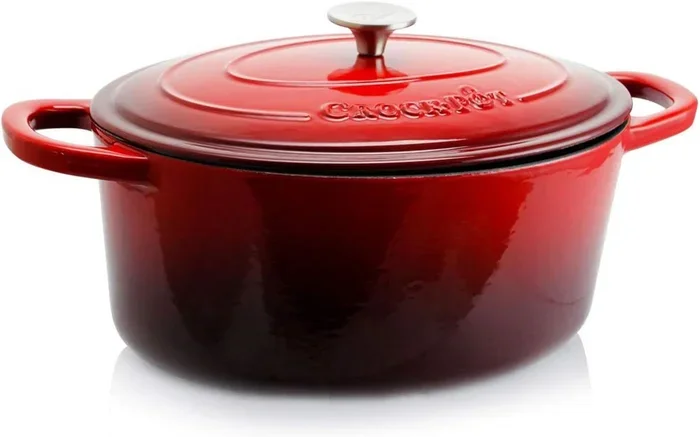
An enameled Dutch oven is a heavy cooking pot with a porcelain or glass coating on the inside and outside. It sits on a cast iron core. This combination gives you the heat retention of cast iron with a non-reactive, easy-to-clean surface. That makes it a popular choice for soups, stews, bread, and yes, deep frying too.
When you deep fry in an enameled Dutch oven, you get several advantages. The heavy walls hold heat well. The lid helps control splatter. And the deep shape keeps oil contained. But safety always comes first. Let us explore how to do this the right way.
Why Enameled Dutch Ovens Work for Deep Frying
Not all pots are created equal for frying. Thin pans lose heat fast. That causes uneven cooking. An enameled Dutch oven solves this problem. The thick walls and heavy base keep the oil temperature stable. This means your food fries evenly. You get a crispy outside and a juicy inside.
The enamel coating also plays a big role. It creates a smooth surface that does not react with acidic oils. Bare cast iron can interact with certain oils over time. The enamel layer prevents this. Your oil stays cleaner longer. And your food tastes better too.
Another benefit is the shape. A round Dutch oven holds a lot of oil in a contained space. This is perfect for frying chicken, potatoes, or doughnuts. The tall walls also help contain oil splatter. That means fewer messes and safer cooking.
Benefits of Using an Enameled Dutch Oven for Deep Frying
Switching from a traditional deep fryer to an enameled Dutch oven has many perks. Let us break them down.
Superior Heat Retention
Cast iron is famous for holding heat. The enamel coating does not change this. When you heat oil in a Dutch oven, it stays at a steady temperature. This is crucial for deep frying. If the oil drops too low, food absorbs grease. If it gets too hot, it burns. A Dutch oven keeps things in the sweet spot.
Better Oil Capacity
Most Dutch ovens hold between 5 and 7 quarts. That is plenty of oil for frying a whole chicken or a batch of fries. You do not need to refill mid-cook. This saves time and keeps the temperature consistent.
Versatile Kitchen Tool
One pot can do it all. Use it for soups on Monday. Bake bread on Tuesday. Deep fry on Wednesday. An enameled Dutch oven is a true kitchen essential. It replaces the need for multiple specialty pans. This saves counter space and money.
Easy to Clean
After deep frying, cleanup can be a chore. But enameled surfaces are much easier to scrub than bare cast iron. The smooth coating prevents food from sticking. A quick soak and a soft sponge do the trick. No need for harsh scrubbing pads.
How to Deep Fry Safely in an Enameled Dutch Oven
Safety is the most important part of deep frying. Oil and high heat can be dangerous. But with the right approach, you can fry with confidence. Follow these steps every time.
Step 1: Choose the Right Oil
Not all cooking oils handle high heat well. For deep frying, you need an oil with a high smoke point. This is the temperature at which oil starts to break down. Below are some of the best options:
- Peanut Oil: Smoke point around 450°F. Great for frying. Neutral flavor.
- Vegetable Oil: Smoke point around 400°F. Affordable and widely available.
- Canola Oil: Smoke point around 400°F. Light and healthy option.
- Sunflower Oil: Smoke point around 450°F. Excellent for high-heat frying.
Avoid olive oil for deep frying. It has a low smoke point and a strong flavor. It will burn quickly and affect the taste of your food.
Step 2: Fill the Pot Correctly
Do not overfill your Dutch oven with oil. A good rule is to fill it no more than halfway. This leaves room for the food you are adding. When food goes into hot oil, the level rises. Overfilling causes dangerous boil-overs. Keep your oil level safe and manageable.
Step 3: Heat the Oil Slowly
Place your Dutch oven on the burner. Set the heat to medium. Let the oil warm up gradually. Use a cooking thermometer to monitor the temperature. You want to reach between 350°F and 375°F for most frying tasks. Never walk away from hot oil.
Step 4: Fry in Small Batches
Adding too much food at once drops the oil temperature. This leads to soggy, greasy food. Fry in small batches instead. Wait for the oil to recover its temperature between batches. This keeps every piece crispy and delicious.
Step 5: Monitor the Temperature
Keep your oil temperature in the 350°F to 375°F range. If it drops below 325°F, your food will absorb too much grease. If it goes above 400°F, the oil can smoke or even ignite. A thermometer is your best friend here. Check it often.
Step 6: Drain and Cool Properly
When your food is done, lift it out with a slotted spoon or spider strainer. Place it on a wire rack or paper towel-lined plate. Let excess oil drain off. Let the oil cool completely before storing or disposing of it.
Best Oils for Deep Frying in an Enameled Dutch Oven
The oil you choose matters a lot. It affects flavor, safety, and how many times you can reuse it. Here is a closer look at the top options.
| Oil Type | Smoke Point | Flavor | Best For |
|---|---|---|---|
| Peanut Oil | 450°F | Neutral | Fried chicken, french fries |
| Vegetable Oil | 400°F | Neutral | General frying |
| Canola Oil | 400°F | Light | Health-conscious frying |
| Sunflower Oil | 450°F | Neutral | High-heat frying |
| Avocado Oil | 520°F | Mild | Premium frying |
Each of these oils works well in an enameled cast iron Dutch oven. They all have high smoke points and neutral flavors. Pick one that fits your budget and taste preferences. Peanut oil is a crowd favorite for a reason. It fries beautifully and is easy on the wallet.
Can You Reuse Frying Oil?
Yes, you can reuse oil. This saves money and reduces waste. After frying, let the oil cool completely. Strain it through a fine mesh sieve or cheesecloth to remove food particles. Store it in a clean, sealed container. Good oil can be reused 3 to 4 times. If it smells off or smokes at lower temperatures, throw it out. Using old oil affects the taste and safety of your food.
Common Mistakes to Avoid When Deep Frying in an Enameled Dutch Oven
Even experienced cooks make mistakes. Here are the most common ones and how to avoid them.
Mistake 1: Skipping the Thermometer
Many people guess the oil temperature. This is a risky habit. Without a thermometer, you have no idea what temperature you are at. Invest in a simple oil thermometer or a candy thermometer. It costs a few dollars and could save you from a dangerous situation.
Mistake 2: Overfilling the Pot
We mentioned this earlier, but it bears repeating. Overfilling causes oil to overflow. Hot oil on a stove is a fire hazard. Always fill no more than halfway. And remember, the food will raise the oil level too.
Mistake 3: Frying Wet Food
Wet food causes oil to splatter violently. Always pat your food dry with paper towels before frying. This is especially important for battered items. Excess moisture turns to steam instantly. That creates dangerous popping and splashing.
Mistake 4: Ignoring Thermal Shock
Thermal shock happens when you expose the pot to sudden temperature changes. For example, placing a cold Dutch oven on a hot burner. Or adding cold food to very hot oil. This can crack the enamel coating. Always let your pot warm up gradually. And always dry your food before it hits the oil.
Mistake 5: Using the Wrong Burner Size
A Dutch oven needs a burner that matches its size. If your pot is wider than the burner, the heat will not distribute evenly. This creates hot spots. Hot spots cause uneven frying and can damage the enamel over time. Use a burner that covers at least the bottom of the pot.
Mistake 6: Never Cleaning After Frying
Letting oil residue sit in your Dutch oven makes cleanup much harder. It can also damage the enamel over time. Clean your pot soon after frying. Use warm water and a gentle dish soap. Avoid abrasive scrubbers that can scratch the enamel surface.
Quick Tips for Perfect Deep Frying in an Enameled Dutch Oven
Here are some quick tips to help you get the best results every time:
- Preheat the oil slowly. Give it 10 to 15 minutes to reach the right temperature.
- Use a wire basket. This makes it easier to lower and lift food safely.
- Keep a lid nearby. If oil catches fire, smothering it with a lid can help. Never use water on an oil fire.
- Fry at the right temperature. 350°F to 375°F is the sweet spot for most foods.
- Let oil cool before storing. Never pour hot oil down the drain. It can clog pipes and cause fires.
- Season your Dutch oven. Even though enameled pots do not need seasoning like bare cast iron, keeping the enamel in good shape matters.
- Use a splatter screen. This reduces mess and keeps oil drops from causing burns.
Enameled Dutch Oven vs. Traditional Deep Fryer
You might be wondering how an enameled Dutch oven compares to a dedicated deep fryer. Both have their strengths. Here is a quick comparison.
- Cost: A Dutch oven costs about the same as a basic deep fryer. But a Dutch oven does double duty as a soup pot, baking vessel, and more.
- Oil Capacity: Most Dutch ovens hold enough oil for a full batch of fried food. Deep fryers vary widely in capacity.
- Temperature Control: Electric deep fryers have built-in thermostats. Dutch ovens require a separate thermometer. But many cooks prefer the hands-on control.
- Cleanup: Dutch ovens are generally easier to clean than deep fryers. The smooth enamel surface resists sticking.
- Storage: A Dutch oven takes up less storage space than a bulky deep fryer.
For most home cooks, an enameled Dutch oven is the better choice. It is versatile, affordable, and delivers excellent frying results. A deep fryer is a single-purpose tool. A Dutch oven is a multi-purpose workhorse.
Expert Insights on Deep Frying with Enameled Cookware
Professional chefs often swear by Dutch ovens for deep frying. The heavy construction gives them precise control. Chef Thomas Keller has spoken about the value of a heavy pot for frying. The principle is simple: more thermal mass means more stable temperatures.
Home cooks also benefit from this approach. When you fry in a lightweight pan, the temperature swings wildly every time you add food. A Dutch oven absorbs that shock. The temperature dips slightly but recovers quickly. This is the secret to consistently crispy, golden fried food.
One more tip from the pros: do not overcrowd the pot. Give each piece of food room to float freely in the oil. Crowding lowers the temperature and causes food to steam instead of fry. You end up with soggy results instead of crispy ones.
How to Care for Your Enameled Dutch Oven After Frying
Proper care extends the life of your Dutch oven. After deep frying, follow these steps:
- Let the oil cool completely before removing it.
- Strain and store the oil for future use.
- Wash the pot with warm water and mild dish soap.
- Use a non-abrasive sponge to avoid scratching the enamel.
- Dry the pot thoroughly with a towel.
- Store it in a dry place to prevent moisture buildup.
Never put a hot Dutch oven in cold water. This causes thermal shock and can crack the enamel. Always let it cool to room temperature before washing. With proper care, your enameled Dutch oven will last for decades.
Conclusion
Deep frying in an enameled Dutch oven is safe, effective, and incredibly rewarding. You get even heat, great oil capacity, and easy cleanup. The key is to follow a few simple rules. Use the right oil. Monitor the temperature. Never overfill the pot. And always practice caution around hot oil.
Whether you are frying chicken, french fries, or doughnuts, an enameled Dutch oven delivers fantastic results. It is a versatile tool that every kitchen should have. Start with small batches. Build your confidence. And soon, you will be frying like a pro in your own kitchen.
The beauty of this approach is its simplicity. You do not need an expensive deep fryer. You do not need special equipment. Just a good enameled Dutch oven, the right oil, and a thermometer. That is all it takes to make delicious, crispy fried food at home. So go ahead. Give it a try. Your taste buds will thank you.
Frequently Asked Questions
Is it safe to deep fry in an enameled Dutch oven?
Yes, it is safe as long as you follow basic precautions. Use a thermometer to monitor oil temperature. Do not overfill the pot. Keep the temperature between 350°F and 375°F. Always stay attentive when frying with hot oil.
What temperature should I set my enameled Dutch oven to for deep frying?
The ideal range is 350°F to 375°F for most fried foods. Use a cooking thermometer to check the temperature. Adjust your burner as needed to maintain this range throughout the frying process.
Can I use my enameled Dutch oven on an electric stovetop for deep frying?
Absolutely. Enameled Dutch ovens work on electric, gas, and induction stovetops. Make sure the burner size matches the pot base for even heating. This prevents hot spots and ensures consistent frying results.
How much oil do I need to deep fry in a Dutch oven?
You need enough oil to fully submerge the food. For most 5- to 7-quart Dutch ovens, this means about 3 to 4 quarts of oil. Never fill the pot more than halfway to prevent dangerous boil-overs.
Can I reuse the frying oil after using it in my enameled Dutch oven?
Yes, you can reuse oil 3 to 4 times. Let it cool completely, then strain it through a fine mesh sieve. Store it in a clean, sealed container. Discard the oil if it becomes dark, smoky, or smells off.
What foods are best to deep fry in an enameled Dutch oven?
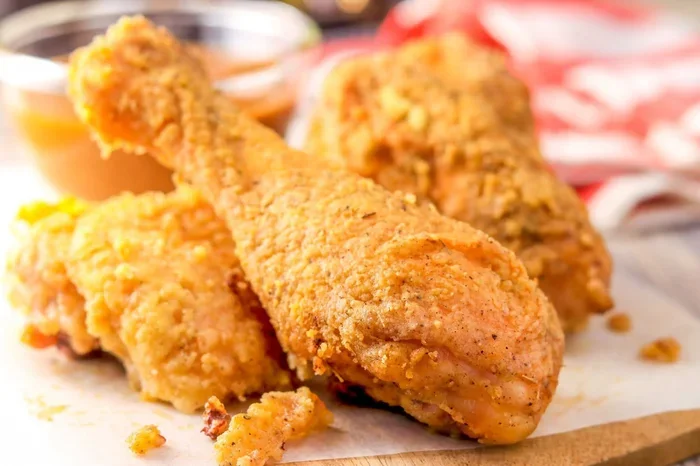
Almost anything works well. Fried chicken, french fries, chicken wings, doughnuts, fish, and vegetables are all excellent choices. The heavy construction of a Dutch oven ensures even cooking and a crispy finish on every item.