How To Cook Wild Turkey In The Oven With These Tips
This guide shows you exactly how to cook wild turkey in the oven for perfectly juicy results every time. You’ll learn simple brining tricks, the best oven temperature, and how to avoid dry meat. By the end, you’ll have a foolproof method for tender, flavorful wild turkey that everyone will love.
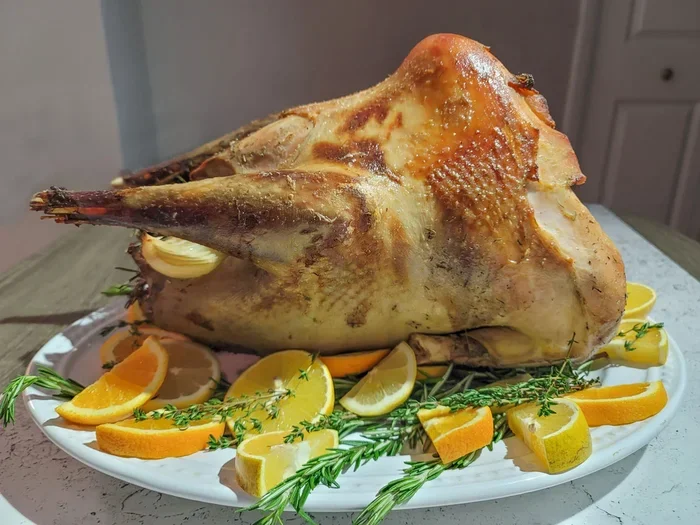
There’s something special about how to cook wild turkey in the oven and pulling a golden, juicy bird out of the heat. Wild turkey tastes different from the store-bought kind. It’s leaner, more flavorful, and carries a hint of the wild. But that leanness can also be a challenge. Without the right technique, wild turkey can turn dry and tough.
That’s exactly why I put this guide together. I want to show you the easiest, most reliable way to get tender, moist results every single time. Whether you’re a seasoned hunter or cooking wild game for the first time, these tips will make a big difference.
In this article, you’ll learn how to prep your bird, the best oven temperature, and the exact roasting time. I’ll share my favorite brine recipe, seasoning ideas, and a step-by-step roasting method. By the end, you’ll feel confident enough to roast a whole wild turkey like a pro.
Key Takeaways
- Brining is essential: Soak the wild turkey overnight in a saltwater solution to keep it moist.
- Use a meat thermometer: Cook until the internal temperature reaches 165°F in the thickest part.
- Low and slow works best: Roast at 325°F for even cooking and tender meat.
- Let it rest: Allow the turkey to rest for 20 minutes before carving to lock in juices.
- Season generously: Use herbs, garlic, and citrus to enhance the natural flavor of wild turkey.
- Choose the right cut: Breast or whole bird? Each requires slightly different timing and technique.
📑 Table of Contents
- Why Wild Turkey Is Different from Farm Turkey
- How To Prep Your Wild Turkey for the Oven
- The Best Oven Temperature and Baking Time
- Step-by-Step Roasting Guide for Wild Turkey
- Keeping Your Wild Turkey Juicy and Flavorful
- Common Mistakes to Avoid When Cooking Wild Turkey
- Conclusion: Mastering How To Cook Wild Turkey In The Oven
Why Wild Turkey Is Different from Farm Turkey
Before we get into the oven, it helps to understand what makes wild turkey unique. Farm turkeys are bred for size and quick growth. They have more fat, which keeps them moist during cooking. Wild turkeys, on the other hand, are active animals. They run, fly short distances, and forage for food. This builds lean muscle and gives the meat a richer, more complex flavor.
But that leanness means less fat to protect the meat from drying out. A farm turkey can handle high heat and longer cooking times. A wild turkey needs more care. The good news? With the right approach, you can get a juicy wild turkey that tastes far better than anything from the grocery store.
The Lean Meat Challenge
Wild turkey breast is especially lean. It can become dry in as little as 20 minutes if you’re not careful. The dark meat—thighs and legs—has a bit more fat and holds up better. Still, even dark meat benefits from smart cooking techniques. The key is to add moisture back into the meat before and during roasting. This is where brining and careful temperature control come in.
Farm Turkey vs Wild Turkey
Here’s a quick comparison to keep in mind:
- Farm turkey: More fat, milder flavor, forgiving in the oven, often pre-brined.
- Wild turkey: Leaner, gamier taste, needs brining or marinating, cooks faster due to smaller size.
When you know these differences, you can adjust your cooking method. That’s the first step to oven-baked turkey perfection.
| Feature | Farm Turkey | Wild Turkey |
|---|---|---|
| Fat Content | Higher | Lower |
| Flavor | Mild | Rich, gamey |
| Cooking Time | Longer, forgiving | Shorter, needs care |
| Brining Need | Often not needed | Highly recommended |
| Texture | Softer | Firmer, denser |
How To Prep Your Wild Turkey for the Oven
Preparation is the most important step in how to cook wild turkey in the oven. Skipping this step is the number one reason people end up with dry meat. I always take my time here. It makes a huge difference.
Brining Basics
Brining soaks the turkey in a saltwater solution. It adds moisture and seasons the meat deep down. You don’t need a fancy brine. A simple mix works wonders.
Here’s a basic wild turkey brine recipe:
- 1 gallon of cold water
- 1 cup of kosher salt
- ½ cup of brown sugar
- Bay leaves, peppercorns, and a few sprigs of fresh thyme
Submerge the turkey in the brine for 12 to 24 hours. Keep it in the refrigerator or a cooler with ice. After brining, rinse the bird and pat it completely dry. This step alone will transform your wild turkey breast and legs.
Seasoning and Marinades
After brining, you can add extra flavor with a simple rub or marinade. I like a mix of garlic powder, smoked paprika, onion powder, and a little black pepper. For a brighter taste, add some lemon zest and a drizzle of olive oil. If you want a richer crust, make a garlic butter paste and spread it under the skin of the breast.
Some hunters prefer a citrus marinade. A mix of orange juice, olive oil, and fresh herbs works beautifully. It tenderizes the meat and adds a subtle sweetness that complements the wild flavor. You can also use a citrus marinade with lemon and rosemary for a fresh, aromatic taste.
Quick Prep Tips
- Always let the turkey sit at room temperature for about 30 minutes before roasting.
- Pat the bird dry inside and out for crispier skin.
- Remove the backbone if you want to flatten the turkey for faster, more even cooking.
- Use herbs for turkey like sage, thyme, and rosemary for a classic flavor profile.
The Best Oven Temperature and Baking Time
Getting the heat right is crucial for roast wild turkey. Too hot, and the outside burns before the inside cooks. Too low, and the meat dries out. I recommend a steady 325°F (165°C) for most whole birds and larger cuts.
Setting the Right Heat
A moderate oven temperature gives the heat time to penetrate the meat evenly. It also allows the fat to render slowly, keeping the turkey juicy. If you’re in a rush, you can start at 425°F for the first 15 minutes to get a nice sear. Then drop the heat to 325°F for the rest of the cooking time. This two-stage method gives you crispy skin and tender meat.
Baking Time for Different Cuts
Cooking time depends on the size of the bird and the cut you’re using. Here’s a general guide:
- Whole wild turkey (8–12 lbs): About 3 to 3.5 hours at 325°F.
- Turkey breast only (2–4 lbs): 1.5 to 2 hours at 325°F.
- Turkey thighs and legs: 45 minutes to 1 hour at 375°F.
These times are approximate. The real secret is the internal temperature. Use a meat thermometer and check the thickest part of the thigh without touching bone. The target is 165°F (74°C).
| Cut | Weight Range | Oven Temp | Approx. Time |
|---|---|---|---|
| Whole Turkey | 8–12 lbs | 325°F | 3–3.5 hours |
| Breast Only | 2–4 lbs | 325°F | 1.5–2 hours |
| Thighs & Legs | 1–2 lbs | 375°F | 45–60 min |
Expert Insight: Many people overcook wild turkey because they rely on time alone. Always trust the thermometer. A few degrees can mean the difference between tender and dry.
Step-by-Step Roasting Guide for Wild Turkey
Now that your bird is prepped and the oven is heated, it’s time to roast. I’ll walk you through the process so there’s no guesswork.
Prep the Pan
Place a rack inside a turkey roasting pan. Add a cup of water or broth to the bottom of the pan. This creates steam, which keeps the oven humid and prevents the turkey from drying out. If you have vegetables like onions, carrots, and celery, toss them in the pan too. They’ll add flavor to the drippings and make a great base for gravy.
Roasting Process
Set the turkey breast-side up on the rack. Tuck the wing tips under the body. This prevents them from burning. Roast the turkey in the center of the oven. Avoid opening the door too often, as it lets heat escape and can increase cooking time.
About halfway through cooking, check the liquid in the pan. If it’s evaporating, add a little more hot water or broth. Some cooks like to baste the turkey every 45 minutes. I find that optional. If you do baste, use a spoon or bulb baster to spoon the pan juices over the breast. This adds flavor and helps the skin brown evenly.
Checking Doneness
Use your meat thermometer to check the temperature in the innermost part of the thigh and the thickest part of the breast. Both should reach 165°F. The juices should run clear, not pink. If the breast is done but the thighs need more time, tent the breast loosely with foil and keep roasting. This simple trick protects the lean breast meat while the darker legs finish cooking.
Keeping Your Wild Turkey Juicy and Flavorful
Once the turkey comes out of the oven, the job isn’t quite done. How you handle the bird right after roasting affects the final result.
Resting the Meat
This is the step most people skip, and it’s the biggest mistake. Resting turkey allows the juices to redistribute throughout the meat. If you cut too soon, the juices run out onto the cutting board instead of staying in the slices. Let the bird rest for at least 20 minutes before carving. I like to cover it loosely with foil during this time. The foil holds in heat without trapping steam, which could soften the crispy skin.
Carving Tips for Wild Turkey
Carving a wild turkey is a bit different from a farm turkey. The breast meat is smaller and can be drier if not handled gently. Use a sharp carving knife and slice against the grain. For the legs, cut through the joint to separate the thigh from the drumstick. Serve the dark meat first—it stays moist longer. If you’re serving a whole bird, consider carving at the table. It’s a great way to show off your roast and keep the meat warm.
Saving the Pan Drippings
Don’t throw away those delicious drippings! They make an incredible gravy. Just pour them through a strainer, let the fat rise to the top, and use the flavorful liquid to make a simple pan sauce. Add a splash of broth, a squeeze of lemon, and a pinch of herbs for a quick flavorful turkey gravy that everyone will love.
Common Mistakes to Avoid When Cooking Wild Turkey
Even experienced cooks can run into trouble with wild game. Here are the most common mistakes I see, and how to fix them.
Overcooking the Turkey
Wild turkey has less fat, so it dries out faster. The temptation is to cook it longer to be safe, but that’s a trap. Always rely on the meat thermometer. Once it hits 165°F, pull the bird out. The carryover heat will raise the temperature a few more degrees while it rests. This slow roast approach keeps the meat tender.
Skipping the Brine
I know brining takes time, but it’s worth it. A brine adds moisture and seasoning to the lean meat. If you’re short on time, a dry brine works too. Just rub the turkey with salt and let it sit uncovered in the fridge for a few hours. This draws out moisture, which then gets reabsorbed along with the salt, creating a juicier bird.
Using Too Much Heat
High heat can sear the outside quickly, but it leaves the inside undercooked or dry. Stick to moderate temperatures for even cooking. If you want a crispy skin, increase the heat only for the last 10–15 minutes. This high heat sear technique gives you the best of both worlds.
Not Letting the Turkey Rest
As I mentioned, resting is non-negotiable. Cutting into a hot turkey immediately releases all the juices. Give it time, and you’ll be rewarded with moist, tender slices. This step is just as important as the brine or the seasoning.
Common Mistake Alert: Never skip the rest. It’s the easiest way to ruin an otherwise perfect roast.
Conclusion: Mastering How To Cook Wild Turkey In The Oven
Cooking wild turkey in the oven doesn’t have to be intimidating. With the right prep, temperature, and timing, you can serve a meal that’s juicy, flavorful, and worthy of any holiday table. Remember to brine your bird, use a meat thermometer, and let it rest before carving. These simple steps will elevate your wild turkey recipe from good to great.
Wild game is a gift. It connects us to nature and provides some of the most delicious meat you can eat. By following the tips in this guide, you’ll honor that gift and impress everyone at the table. So fire up your oven, grab your turkey roasting pan, and give it a try. You’ll be glad you did.
Frequently Asked Questions
How long does it take to cook wild turkey in the oven?
A whole wild turkey takes about 3 to 3.5 hours at 325°F, depending on the size. Always use a meat thermometer to check for doneness rather than relying solely on time.
Should I brine wild turkey before roasting?
Yes, brining is highly recommended. It adds moisture and flavor to the lean meat, preventing dryness during cooking and resulting in a much juicier turkey.
What is the best oven temperature for wild turkey?
325°F is the ideal temperature for even cooking. You can start at 425°F for a quick sear if you prefer, but finish at 325°F for the best results.
How do I know when wild turkey is done?
The internal temperature should reach 165°F in the thickest part of the thigh and breast. Juices should run clear, not pink, when you pierce the meat.
Can I cook wild turkey breast without brining?
Yes, but brining helps keep it moist. If you skip brining, use a marinade or rub with garlic butter and cook carefully to avoid drying out the lean meat.
What’s the best way to carve wild turkey?
Let the turkey rest for 20 minutes, then slice the breast against the grain. Separate the legs by cutting through the joint, and serve the dark meat first for the best texture.