How To Slow Bake Ribs In Oven And Get Perfect Tender Meat
This guide shows you how to slow bake ribs in oven for juicy, tender meat that falls right off the bone. You’ll master the low-and-low method, perfect dry rubs, and the foil-wrap technique for oven-baked ribs that taste smoked. Follow these steps and you’ll never order takeout again.
There’s something magical about slow bake ribs in oven. The kitchen fills with a smoky aroma, and the meat turns tender and juicy. You don’t need a smoker or a backyard grill to get restaurant-quality ribs. Your home oven can do the same job with a little patience.
This guide will walk you through every step. From picking the right rack to nailing the perfect temperature, I’ll share everything I know. You’ll learn why low and slow is the secret to fall-off-the-bone tender ribs. By the end, you’ll feel confident enough to make them for a crowd.
I’ll also cover common mistakes and pro tips that separate good ribs from great ones. Whether you prefer pork spare ribs or baby back ribs, this method works. Let’s get started.
Key Takeaways
- Low and slow is essential: Baking ribs at 225–275°F breaks down collagen for tender meat.
- Choose the right cut: Pork spare ribs and baby back ribs both work well for oven baking.
- The foil wrap speeds cooking: It traps steam and keeps ribs moist, a method called the Texas Crutch.
- Build a flavorful dry rub: Brown sugar, paprika, garlic powder, and onion powder create a great bark.
- Use a meat thermometer: Internal temperature of 195–203°F means the ribs are done.
- Glaze at the end: Apply barbecue sauce in the last 30 minutes to avoid burning.
- Rest before slicing: Let ribs rest 10–15 minutes for juicier results.
📑 Table of Contents
Slow Bake Ribs In Oven: The Low And Slow Method
Why Low And Slow Works
Ribs are packed with collagen, a tough protein that turns into gelatin when heated gently. High heat shrinks the muscle fibers and squeezes out moisture. Low heat gives the collagen time to melt, creating a silky, tender texture. This is the heart of low and slow cooking.
When you slow bake ribs in oven, the gentle warmth surrounds the meat evenly. The fat renders slowly, basting the meat from within. The result is a rack that bends easily and almost falls apart. That’s the texture every rib lover craves.
No Smoker? No Problem.
Many people think ribs need a smoker. An oven can produce equally tender meat. The difference is the smoky flavor. You can add that flavor with a few simple tricks. Use a liquid smoke in your rub, or add wood chips to a foil pouch on the oven rack. The oven gives you control and consistency.
Quick Tip: Always preheat your oven before placing the ribs inside. A stable temperature from the start helps the meat cook evenly.
Choosing The Right Ribs For Oven Baking
Pork Spare Ribs Vs Baby Back Ribs
Pork spare ribs come from the belly area. They are fattier and have more connective tissue. This makes them perfect for long, slow cooking. Baby back ribs come from the top of the ribcage. They are leaner and cook a bit faster. Both work well for oven-baked ribs, but spare ribs are more forgiving for beginners.
Baby back ribs tend to be more tender and slightly sweeter. Spare ribs have a richer, porkier flavor. If you want a classic barbecue taste, spare ribs are a great choice. If you prefer a leaner, quicker cook, go with baby backs.
St. Louis Style Ribs
St. Louis style ribs are spare ribs that have been trimmed into a neat, rectangular shape. The sternum bone, cartilage, and rib tips are removed. This creates a uniform rack that cooks evenly. Many pitmasters prefer this cut because it’s easier to handle and looks great on a plate.
What To Look For At The Store
When buying ribs, look for meat that is pink and moist. Avoid ribs with a grayish color or dry edges. The fat should be creamy white, not yellow. Check the label for the type of pork. Pork spare ribs and baby back ribs are the most common. You can also ask your butcher to remove the membrane for you.
Quick Tip: If the membrane is still on, slide a butter knife under one corner and peel it off. Removing it lets the rub penetrate deeper and gives you a better bark.
Building The Perfect Dry Rub
Essential Rub Ingredients
A great rib rub is the foundation of flavorful ribs. Most rubs use a mix of brown sugar, salt, pepper, and spices. The sugar caramelizes in the oven, creating a sweet, sticky bark. The spices add depth and aroma.
Here are the key ingredients for a classic dry rub:
- Brown sugar – adds sweetness and helps form the bark.
- Paprika – gives color and a mild, smoky flavor.
- Garlic powder – adds a savory, aromatic base.
- Onion powder – boosts the overall depth of flavor.
- Cumin – adds a warm, earthy note.
- Chili powder – brings gentle heat and complexity.
- Mustard powder – adds a sharp, tangy kick.
A Simple Dry Rub Recipe
Mix together ½ cup brown sugar, 2 tablespoons paprika, 1 tablespoon garlic powder, 1 tablespoon onion powder, 1 teaspoon cumin, 1 teaspoon chili powder, 1 teaspoon mustard powder, and 1 teaspoon salt. Add ½ teaspoon black pepper. This makes enough for a full rack of ribs. Adjust the salt to your taste.
Wet Rub Option
If you prefer a wet rub, you can mix the dry ingredients with a little apple cider vinegar, Worcestershire sauce, or mustard. A wet rub sticks to the meat better and creates a deeper flavor. Some cooks also add a splash of apple juice to keep the ribs moist during the bake.
Expert Insight: Let the rub sit on the ribs for at least 30 minutes before cooking. This gives the spices time to penetrate the surface. For even better results, refrigerate the ribs with the rub overnight.
Slow Bake Ribs In Oven: Step By Step
Prep The Ribs
Remove the membrane from the back of the ribs. Pat the meat dry with paper towels. This helps the rub stick. Apply the rub generously on all sides. Press it into the meat so it adheres well. Let the ribs sit at room temperature for 30 minutes while the oven preheats.
Set The Oven Temperature
The temperature you choose affects the cook time and texture. Lower temperatures take longer but produce more tender meat. Higher temperatures speed things up but can dry out the ribs. Here is a quick comparison of common oven temperatures for slow bake ribs in oven:
| Oven Temp | Time | Best For |
|---|---|---|
| 225°F | 4–5 hours | Maximum tenderness, smoky flavor |
| 250°F | 3.5–4.5 hours | Balance of speed and tenderness |
| 275°F | 3–4 hours | Faster cook, slightly firmer bite |
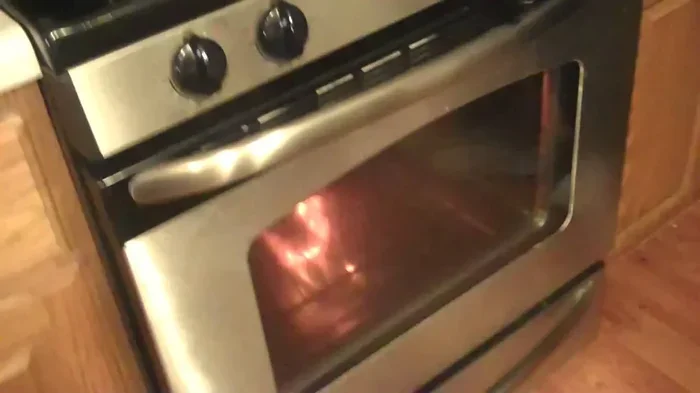
For the most tender result, I recommend 225°F or 250°F. Place the ribs meat-side up on a rack set inside a baking sheet. This allows air to circulate around the meat. The fat will render and drip away, preventing the ribs from sitting in grease.
The Foil Wrap Method
After 2.5 hours of baking, remove the ribs from the oven. Wrap them tightly in a double layer of heavy-duty foil. Add a splash of apple cider vinegar or apple juice to the foil before sealing. This creates a braising environment that steams the meat and keeps it juicy. Return the wrapped ribs to the oven for another 1.5 to 2 hours.
Quick Tip: If you want a firmer bark, skip the foil wrap. Unwrapped ribs will develop a thicker crust. Just check them more often to prevent drying out.
Unwrapping And Glazing
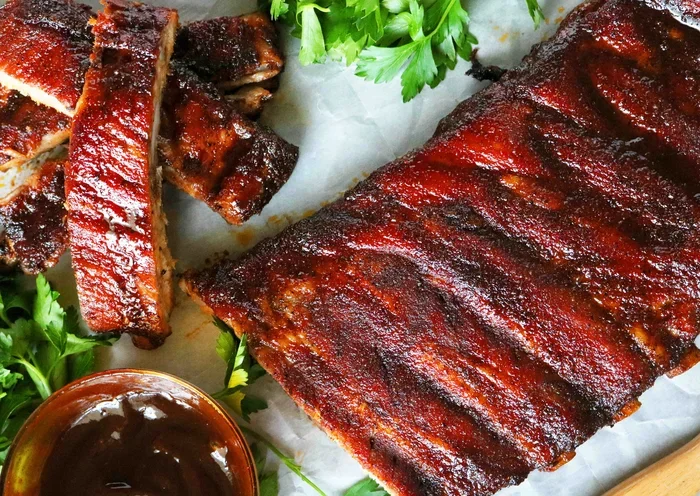
When the ribs are done, carefully remove the foil. The meat should pull away from the bone easily. Increase the oven temperature to 325°F or turn on the broiler. Brush a thin layer of your favorite barbecue sauce on both sides of the ribs. Return them to the oven for 10–15 minutes. This caramelizes the sauce and creates a glossy glaze.
Watch the ribs closely during this step. The sugar in the sauce can burn quickly. You want a dark, sticky glaze, not blackened edges.
The Foil Wrap (Texas Crutch) Explained
Why Foil Helps
The foil wrap is a technique borrowed from barbecue pits. It is often called the Texas Crutch. Wrapping the ribs in foil traps steam and accelerates the breakdown of tough connective tissue. The meat finishes faster and stays moist. This method is especially helpful for thicker cuts like pork spare ribs.
Some cooks worry that foil prevents smoke flavor. Since you are using an oven, there is no smoke anyway. The foil actually helps the rub flavors meld into the meat. The steam carries the spice compounds deeper into the fibers.
When To Unwrap
Unwrap the ribs when the internal temperature reaches 165–170°F. At this point, the collagen has started to break down, but the meat still needs time to absorb the glaze. Unwrapping also allows the surface to dry out slightly, which helps the sauce adhere better. If you prefer a very soft, fall-off-the-bone texture, you can leave the ribs wrapped until the very end.
Common Mistake: Do not skip the resting step after unwrapping. Cutting into hot ribs releases all the juices onto the cutting board. Let them rest for 10–15 minutes under a loose tent of foil. This redistributes the juices and makes every bite moist.
Slicing, Serving, And Storing Your Ribs
Resting The Meat
Resting is one of the most important steps. When ribs come out of the oven, the juices are under high pressure. Cutting immediately lets those juices escape, leaving the meat dry. A 10–15 minute rest allows the muscle fibers to relax and reabsorb the moisture. The result is a juicier, more flavorful bite.
Slicing Against The Grain
Always slice ribs against the grain. Look at the direction of the muscle fibers and cut perpendicular to them. This shortens the fibers, making the meat easier to chew. For spare ribs, the grain runs lengthwise along the rack. Slice between the bones, not through them, for clean portions.
Quick Tip: Use a sharp knife or a pair of heavy-duty kitchen shears. A dull blade will tear the meat and make it harder to serve.
Reheating Leftovers
Leftover ribs reheat best in the oven or on the stovetop. Wrap them in foil with a splash of apple juice and warm them at 250°F for 20–30 minutes. This prevents the meat from drying out. Avoid microwaving, which can make the ribs rubbery and tough.
Common Mistake: Many people overcook ribs in the oven by raising the temperature to finish faster. This dries out the meat. Stick to the low and slow approach. Patience is the secret ingredient.
Conclusion
Slow bake ribs in oven is one of the most rewarding cooking techniques you can master. The low and slow method transforms tough cuts into tender, flavorful ribs that will impress everyone. Follow the steps in this guide, and you’ll enjoy oven-baked ribs that taste just like they came from a pit.
Start with quality pork spare ribs or baby back ribs. Build a balanced dry rub with brown sugar, paprika, and garlic powder. Bake at 225–250°F for several hours. Use the foil wrap to keep the meat moist, then glaze with barbecue sauce at the end. Rest the ribs before slicing, and serve them with your favorite sides.
Once you nail this method, you’ll never go back to takeout. Oven-baked ribs are a weeknight-friendly way to enjoy barbecue classics. The process is simple, but the results are extraordinary. Pull up a chair, grab a napkin, and dig in.
Frequently Asked Questions
What temperature should I slow bake ribs in oven?
The ideal temperature range is 225°F to 275°F. Lower temperatures like 225°F produce the most tender results, while 275°F cooks faster. Choose the temperature that fits your schedule, and avoid going above 300°F to keep the meat moist.
How long does it take to slow bake ribs in oven?
At 225°F, plan for 4 to 5 hours. At 250°F, the time drops to 3.5 to 4.5 hours. Baby back ribs cook faster than spare ribs. Always use a meat thermometer to check for doneness. The internal temperature should reach 195–203°F for tender, fall-off-the-bone meat.
Should I wrap ribs in foil when oven baking?
Wrapping in foil, also called the Texas Crutch, helps retain moisture and speeds up cooking. It is optional but highly recommended for beginners. If you prefer a firmer bark, you can skip the foil and bake the ribs uncovered for the entire cook.
What is the best dry rub for oven-baked ribs?
A classic dry rub includes brown sugar, paprika, garlic powder, onion powder, cumin, chili powder, and mustard powder. The brown sugar caramelizes in the oven, creating a sweet, sticky bark. You can adjust the spices to your taste, but keep the salt and sugar as the base.
Can I use beef ribs for slow baking in the oven?
Yes, beef ribs work well with this method. They are larger and fattier, so they need even more time. Plan for 5 to 6 hours at 225°F. Beef ribs benefit from a wet rub or a simple salt-and-pepper seasoning to let the rich beef flavor shine.
How do I know when ribs are done in the oven?
Look for three signs: the meat has pulled back from the bone tips by about ¼ inch, the rack bends and cracks slightly when you pick it up with tongs, and the internal temperature reads 195–203°F. The meat should feel tender when you poke it with a fork.