How To Heat Up Frozen Lasagna In Oven For Best Results
There’s nothing better than a homemade lasagna, but when you’re short on time, frozen lasagna saves the day. If you’ve ever wondered how to heat up frozen lasagna in oven for that perfect bubbly cheese and crispy top, you’re in the right place. This guide walks you through every step, from preheating to the final golden crust.
Frozen lasagna is a true lifesaver on busy weeknights. Whether you made it from scratch or bought it from the store, having a ready-to-heat meal in the freezer is a game-changer. But not all reheating methods are created equal, and the oven remains the best way to bring a frozen lasagna back to life.
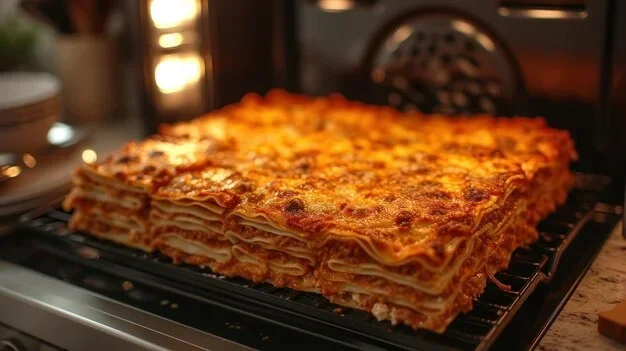
When you heat up frozen lasagna in oven correctly, you get a bubbly cheese crust, a rich sauce, and perfectly cooked pasta layers. The microwave might be faster, but it often leaves the edges soggy and the center cold. The oven’s dry, surrounding heat warms the dish evenly, preserving the texture of every layer.
In this guide, I’ll walk you through the exact steps to reheat frozen lasagna in the oven. I’ll cover the ideal temperature, how long to bake it, and the small tricks that make the difference between good and great. You’ll learn how to get a golden, crispy top without drying out the cheesy interior. By the end, you’ll feel confident pulling that frozen tray out of the freezer and knowing exactly what to do.
Key Takeaways
- Preheat your oven to 375°F: This temperature ensures even heating without drying out the lasagna.
- Keep it frozen while preheating: Placing a frozen lasagna directly into a hot oven prevents the cheese from becoming rubbery.
- Cover with foil for the first half: Trapping steam keeps the pasta layers moist and prevents the top from burning.
- Remove foil and broil briefly: Uncovering for the last 10-15 minutes creates a golden, crispy crust.
- Check the internal temperature: The center should reach 165°F for food safety and perfect doneness.
- Let it rest for 10 minutes: Resting allows the cheese to set, making slicing easier and cleaner.
- Use an oven-safe dish: Glass or ceramic pans distribute heat more evenly than metal.
📑 Table of Contents
Why Oven Reheating Works Best for Frozen Lasagna
The oven is the gold standard for reheating a frozen lasagna. Unlike a microwave, which uses radiation to vibrate water molecules, an oven uses convection and radiation to surround the dish with gentle, consistent heat. This means every layer warms up at a similar rate. The pasta stays al dente, the sauce rehydrates without boiling, and the cheese melts into a silky, bubbly blanket.
One of the biggest advantages is moisture control. A microwave traps steam inside, which can turn the top layer of pasta into a rubbery mess. An oven allows that steam to escape slowly, especially if you use foil. The result is a crispy top and a moist, flavorful center. This method also works beautifully for both homemade frozen lasagna and store-bought frozen lasagna.
The Science of Even Heat Distribution
When you preheat the oven, the air inside becomes hot. This hot air circulates around the baking dish, transferring heat to all surfaces at once. A frozen lasagna needs this external warmth to slowly penetrate through the frozen block. If you start with a cold oven, the outside will overcook before the inside thaws. Starting with a hot oven ensures the baking time is efficient and the internal temperature rises evenly.
Avoiding a Soggy Center
A soggy center is the most common complaint when reheating frozen lasagna. This happens when moisture from the sauce and cheese has nowhere to go. In an oven, that steam can escape if you leave the dish uncovered for part of the baking time. The foil traps just enough steam to keep the pasta soft, but removing it later lets the surface dry out and brown. This balance is what gives you that perfect bubbly cheese layer on top.
Step-by-Step: How to Heat Up Frozen Lasagna in Oven
Follow this simple method to get restaurant-quality results every time. The process is straightforward, but the details matter. Here is the exact sequence I use for a standard 9×13-inch frozen lasagna.
Preheat and Prep
- Preheat your oven to 375°F (190°C). Use the conventional bake setting, not convection, unless you adjust the time.
- Remove the lasagna from the freezer. Do not thaw it. Cooking from frozen prevents the cheese from weeping and becoming grainy.
- Take off any plastic wrap or cardboard lid. Leave the lasagna in its aluminum pan or transfer it to an oven-safe dish. Glass or ceramic works best because they heat evenly.
- If your dish is metal, line the top with a sheet of aluminum foil. This prevents the edges from burning before the center warms through.
The Baking Time and Temperature
Place the covered lasagna on the middle oven rack. The middle position allows hot air to flow around the dish equally. Bake for 45 minutes with the foil on. This first phase is all about thawing and heating the interior gently.
After 45 minutes, remove the foil. The lasagna will look pale and wet on top. Now it needs another 15 to 25 minutes uncovered to develop color and texture. The total baking time usually ranges from 60 to 70 minutes. A deep dish with lots of layers may need the full 70 minutes, while a thinner portion might be done in 55.
Checking for Doneness
Insert an oven thermometer or an instant-read thermometer into the center of the lasagna. The internal temperature must reach 165°F (74°C) for food safety. If the top is browning too fast, tent it loosely with a fresh piece of foil. The cheese should be melted and bubbling at the edges, and a knife inserted into the center should meet no resistance from cold pasta.
Convection vs. Conventional Oven
If you have a convection oven, you can speed up the process. Convection ovens use a fan to circulate hot air, which reduces cooking time and promotes even browning. However, the fan can sometimes blow the foil around or dry out the top layer if you’re not careful. Here is how to adjust for each type.
| Oven Type | Temperature | Time (Covered) | Time (Uncovered) | Result |
|---|---|---|---|---|
| Conventional | 375°F (190°C) | 45 minutes | 15-25 minutes | Even heat, golden top, moist layers |
| Convection | 350°F (175°C) | 35-40 minutes | 10-15 minutes | Faster browning, watch for drying edges |
| Toaster Oven | 375°F (190°C) | 30-35 minutes | 10-15 minutes | Great for single portions, crispier edges |
For a convection oven, reduce the temperature by 25°F. The moving air transfers heat faster, so the lasagna needs less time overall. If you’re using a toaster oven, a single-serving frozen lasagna works perfectly. Just keep an eye on it because the elements are closer to the dish.
Pro Tips for a Perfectly Crispy Top
The top of a reheated lasagna can make or break the experience. You want a layer of golden, slightly crunchy cheese that contrasts with the creamy interior. These small techniques will help you achieve that.
Using Foil vs. Uncovering
Always start with a loose foil tent. Do not wrap the foil tightly around the dish. You want steam to escape slightly so the moisture doesn’t condense back into the cheese. When you remove the foil for the final phase, do it gently to avoid burning your fingers from the escaping steam.
The Broiler Finish
If your lasagna is fully heated but the top is still pale, switch the oven to the broil setting. Place the uncovered dish on the top rack, about 4-6 inches from the broiler element. Broil for 2-4 minutes, watching it constantly. The intense top-down heat will brown the cheese quickly without overcooking the center. This trick works wonders for leftover lasagna that needs a visual boost.
Common Mistakes to Avoid
Even with the best intentions, it is easy to ruin a frozen lasagna. Here are the most common errors and how to prevent them.
Skipping the Rest Time
As soon as the timer goes off, your instinct might be to cut into the lasagna. Resist that urge. The cheese melt needs a few minutes to set. When you slice too early, the layers slide apart and the sauce runs out. Let the lasagna rest on the counter for 10 minutes. This also allows the sauce moisture to redistribute, so every bite is equally flavorful.
Using the Wrong Dish
Not all oven-safe dishes are created equal. Thin aluminum pans can warp and cause uneven heating. Dark-colored metal pans absorb more heat and can burn the bottom. Glass and ceramic are ideal because they heat slowly and hold warmth evenly. If you are using a disposable aluminum tray, place it on a baking sheet for stability and to catch any drips.
Overheating the Edges
Because the oven heats from the outside in, the edges of a large lasagna can become dry and overcooked while the center is still frozen. To prevent this, you can cover the edges of the dish with a strip of aluminum foil during the first 30 minutes. This shields the perimeter and focuses the heat on the middle. Remove the edge foil when you take off the top foil for the final bake.
How to Store and Reheat Leftover Lasagna Safely
Once you have successfully reheated your frozen lasagna, you might have leftovers. Proper storage ensures you can enjoy it again without risking foodborne illness.
Freezer Storage Tips
If you are freezing a homemade lasagna for the first time, wrap it tightly in plastic wrap followed by a layer of aluminum foil or a freezer bag. Remove as much air as possible. A well-wrapped frozen lasagna keeps for up to 3 months without significant freezer burn. Label it with the date so you can rotate your stock.
Reheating Individual Portions
For a single serving, you can use the same oven method but reduce the time. A portion in a small oven-safe ramekin will heat through in about 20-25 minutes at 375°F. Cover it with foil for the first 10 minutes. This is a great way to enjoy leftover lasagna without heating the entire family-sized pan.
Quick Tips
- Use an oven thermometer: Oven dials can be inaccurate. A cheap thermometer ensures your oven temperature is exactly right.
- Add a splash of water: If your frozen lasagna looks very dry, sprinkle 1-2 tablespoons of water or broth over the top before covering with foil.
- Let it sit for 10 minutes: This resting period makes slicing clean and keeps the layers intact.
- Rotate the dish halfway: Most ovens have hot spots. Turning the pan 180 degrees ensures even browning.
- Don’t skip the foil phase: The covered phase is what steams the pasta and prevents a dry, overcooked center.
Expert Insights
Many home cooks ask if they can thaw frozen lasagna before baking. The answer is yes, but it is not necessary. Thawing adds an extra step and can make the pasta layers mushy if they sit too long. Cooking from frozen gives you the best texture because the pasta cooks in the steam released by the sauce and cheese.
If you are using a store-bought frozen lasagna, check the package for specific instructions. Some brands are designed to be baked from frozen, while others suggest a thaw first. When in doubt, the 375°F method with a foil cover works universally. For extra flavor, sprinkle a little fresh Parmesan or breadcrumbs on top before the final uncovered bake. This creates a delightful crunch that elevates the dish.
One final piece of advice from experienced cooks: do not rush the process. A frozen lasagna needs time to thaw and heat through evenly. Cutting corners by increasing the temperature will only burn the outside and leave the inside cold. Patience is the secret ingredient in the best reheated lasagna.
Key Takeaways
Heating up frozen lasagna in the oven is simple once you know the right technique. Preheat to 375°F, keep it covered for the first half, and uncover for the final golden finish. Always check that the center reaches 165°F. Let it rest for 10 minutes before serving. With these steps, your frozen lasagna will taste just as good as the day you made it. You will never need to settle for soggy, unevenly heated leftovers again.
Frequently Asked Questions
Can I reheat frozen lasagna without thawing it first?
Yes, you can cook a frozen lasagna directly from the freezer. In fact, keeping it frozen until the oven is fully preheated helps the cheese maintain its texture. Simply add 10-15 extra minutes to the baking time and make sure the center reaches 165°F.
What temperature should I reheat frozen lasagna to?
The ideal oven temperature is 375°F (190°C). This setting allows the lasagna to heat through gently without drying out the edges. If you are using a convection oven, drop the temperature to 350°F to account for the fan’s efficiency.
How long does it take to reheat frozen lasagna in the oven?
Total baking time is typically 60 to 70 minutes for a standard 9×13-inch pan. The first 45 minutes are covered with foil, and the last 15 to 25 minutes are uncovered. Individual portions may be done in 20-25 minutes.
Can I use a microwave instead of an oven?
A microwave will reheat a frozen lasagna faster, but the results are inferior. The edges become hot and rubbery while the center stays cold or soupy. For the best cheese melt and pasta texture, the oven is always the preferred method.
How do I keep frozen lasagna from drying out?
The key is to keep it covered with aluminum foil for at least the first half of the baking time. The foil traps steam, which keeps the pasta layers moist. Also, avoid overheating the edges by shielding them with a strip of foil if needed.
Is it safe to reheat frozen lasagna more than once?
From a food safety perspective, it is best to reheat only the portion you plan to eat. Repeatedly cooling and reheating leftover lasagna increases the risk of bacterial growth. Store any uneaten reheated lasagna in the refrigerator within two hours and consume it within three days.