How Hot Does Your Oven Need To Be For Pizza Perfection
Getting the right oven temperature is the single most important step to making great pizza at home. Most home ovens need to reach between 475°F and 550°F for a crispy, well-baked pizza. Whether you prefer a thin Neapolitan-style crust or a thick, cheesy deep-dish, understanding your oven temperature for pizza will transform your results instantly.
There is nothing quite like a fresh, hot pizza straight from the oven. The crispy crust, the bubbly cheese, the perfectly cooked toppings — it is a meal that brings everyone together. But here is the thing many home cooks get wrong. How hot does your oven need to be for pizza? The answer can make or break your entire pizza night.
If you have ever pulled a pizza out of the oven and found a soggy crust or cheese that did not melt quite right, the temperature was probably the culprit. Baking homemade pizza is not just about following a pizza recipe. It is about understanding heat. And once you get the oven temperature for pizza dialed in, you will never look back.
This guide covers everything you need to know about bake pizza at home like a pro. From ideal temperatures to common mistakes, we have got you covered. Let us dive in.
Key Takeaways
- High Heat Is Key: Most pizzas bake best between 475°F and 550°F for a crispy crust and perfectly melted cheese.
- Different Styles Need Different Temperatures: Thin-crust Neapolitan pizza needs higher heat than thick-crust or deep-dish styles.
- Preheat Thoroughly: Always preheat your oven for at least 30 to 45 minutes before baking pizza.
- Pizza Stones and Steels Help: These tools absorb and radiate heat, mimicking a professional pizza oven at home.
- Rack Position Matters: Placing the rack in the lower third of the oven helps achieve a crispy bottom crust.
- Avoid Common Mistakes: Skipping preheating, using the wrong rack, and overloading toppings are the top errors home bakers make.
📑 Table of Contents
- Why Oven Temperature Matters So Much for Pizza
- The Ideal Oven Temperature for Different Pizza Styles
- Comparison Table: Pizza Styles and Ideal Temperatures
- How to Preheat Your Oven the Right Way
- Pizza Stone vs Pizza Steel: Which Works Better for Home Ovens
- Where to Place the Rack for Best Results
- Common Mistakes That Ruin Your Pizza
- How to Tell When Your Pizza Is Done
- Reheating Leftover Pizza: Don’t Skip This
- Can You Use a Toaster Oven for Pizza
- Conclusion
Why Oven Temperature Matters So Much for Pizza
Temperature is the engine behind every great pizza. It affects the crust texture, the cheese melt, and even how your pizza toppings cook. When you preheat oven for pizza correctly, magic happens inside that oven.
Too low, and your crust turns out flat and doughy. Too high, and the cheese burns before the crust cooks through. The sweet spot is where the dough puffs up, the pizza crust turns golden, and the cheese melts into that perfect bubbly layer we all love.
Think of it this way. A wood-fired oven can reach 800°F or more. That is why Neapolitan pizzas cook in just 60 to 90 seconds. Home ovens cannot do that — yet. But by getting as close as possible to the right high-heat baking range, you can still achieve fantastic results.
What Happens When Temperature Is Wrong
Let us talk about what goes wrong when the heat is off. If your oven runs too cool, several things happen at once:
- The pizza dough does not rise properly in the oven.
- The crust becomes soggy instead of crispy.
- Cheese releases too much moisture and turns greasy.
- Toppings do not cook evenly.
- The bottom of the crust stays pale and soft.
On the flip side, an oven that is too hot can scorch the top before the bottom is done. This is why understanding oven temperature for pizza is not just helpful. It is essential.
Quick Tips for Temperature Success
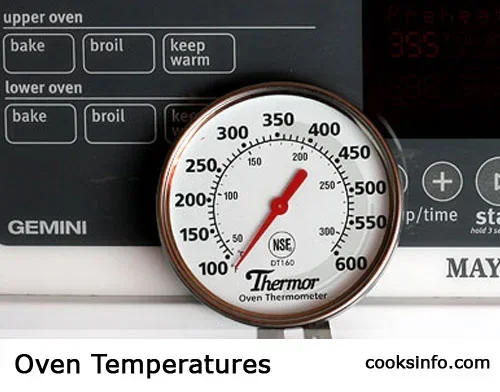
- Always use an oven thermometer. Built-in dials can be inaccurate by 25°F or more.
- Place the thermometer on the middle rack to get a true reading.
- Know that every oven has hot spots. Rotate your pizza halfway through baking.
The Ideal Oven Temperature for Different Pizza Styles
Not all pizza is created equal. A thin, crispy Margherita needs a different pizza oven temperature than a thick, loaded Detroit-style pie. Here is a breakdown of what works best for each style.
Thin-Crust and Neapolitan-Style Pizza
If you love a thin, slightly charred crust with a soft center, you want your oven as hot as it can go. The ideal range is 500°F to 550°F. Some dedicated home bakers push their ovens to 550°F or even higher with a pizza stone or steel inside.
This style mimics the intense heat of a Neapolitan-style pizza oven. The high heat creates that signature leopard-spotted char on the crust while keeping the inside airy and light. Baking time is short — usually about 8 to 12 minutes.
Thick-Crust and Pan Pizza
For a thick, bready crust like Chicago deep-dish or pan pizza, you do not need extreme heat. A temperature of 425°F to 450°F works perfectly. The thicker dough needs more time to cook through, so a lower temperature prevents the top from burning before the center is done.
Thick-crust pizzas typically bake for 20 to 30 minutes. The lower heat allows the pizza dough to rise fully and develop that dense, satisfying texture.
Standard Homemade Pizza
For a classic homemade pizza with a medium-thin crust, 475°F to 500°F is the sweet spot. This is the most common range for bake pizza at home recipes. It gives you a crisp bottom, a fully melted cheese layer, and well-cooked toppings.
At this temperature, most pizzas bake in 10 to 15 minutes. It is forgiving and works well with almost any pizza recipe you choose.
Comparison Table: Pizza Styles and Ideal Temperatures
| Pizza Style | Ideal Temperature | Baking Time | Crust Texture |
|---|---|---|---|
| Thin-Crust / Neapolitan | 500°F – 550°F | 8 – 12 minutes | Crispy, charred edges |
| Standard Homemade | 475°F – 500°F | 10 – 15 minutes | Golden, slightly chewy |
| Thick-Crust / Pan | 425°F – 450°F | 20 – 30 minutes | Dense, bready |
| Deep-Dish Chicago Style | 400°F – 425°F | 25 – 35 minutes | Buttery, layered |
| Reheating Leftover Pizza | 375°F – 400°F | 5 – 8 minutes | Crispy revival |
These temperatures are guidelines. Every oven behaves differently, so always use an oven thermometer and adjust as needed.
How to Preheat Your Oven the Right Way
Preheating is the step most people rush through. But when it comes to how hot does your oven need to be for pizza, preheating is everything. A properly preheated oven ensures even cooking and a crispy crust from the moment your pizza goes in.
Here is what you need to know about preheating oven for pizza:
- Start early. Give your oven at least 30 to 45 minutes to reach the target temperature. Many ovens have a preheat signal that goes off too early. The walls and floor of the oven need time to absorb heat.
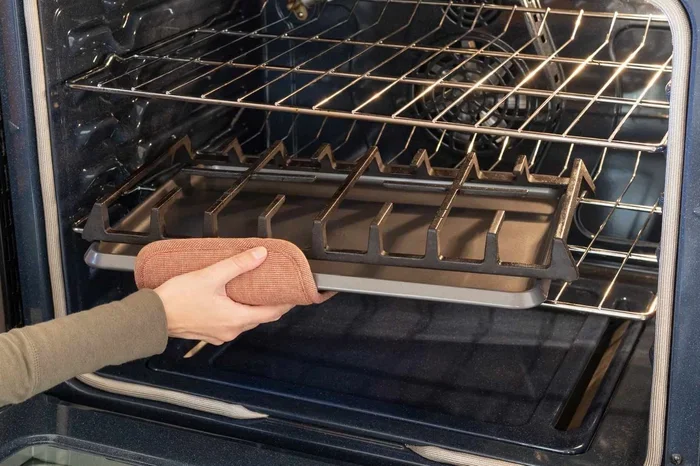
- Place your pizza stone or steel inside while preheating. This is a game-changer. A hot stone or steel mimics the floor of a professional pizza oven and gives you that crispy bottom crust.
- Use the upper and lower heating elements. If your oven has a convection setting, you can use it for more even heat distribution. However, some pizza purists prefer conventional heat for better top browning.
- Check with a thermometer. Do not trust the oven dial. A simple oven thermometer costs a few dollars and removes all guesswork from the equation.
Expert Insight
Professional pizzaiolos often say that a stone or steel should be in the oven for at least 45 minutes at full temperature before the pizza goes in. The stone needs to store enough heat to immediately start cooking the bottom of the crust. This single tip can elevate your homemade pizza from average to outstanding.
Pizza Stone vs Pizza Steel: Which Works Better for Home Ovens
If you are serious about bake pizza at home, you need to know the difference between a pizza stone and a pizza steel. Both tools help you achieve better heat transfer, but they work in different ways.
What Is a Pizza Stone
A pizza stone is made from porous ceramic or cordierite material. It absorbs moisture from the dough as it bakes, which helps create a crispy crust. Pizza stones are affordable and widely available.
However, pizza stones are fragile. They can crack if you expose them to sudden temperature changes. They also take longer to heat up and do not retain heat as well as steel.
What Is a Pizza Steel
A pizza steel is made from solid steel — usually conductive steel or stainless steel. It conducts heat faster and stores more heat than a stone. This means your pizza crust gets crispier, faster.
Pizza steels are more durable and can handle the thermal shock of a very hot oven. They are the preferred tool for many home pizza enthusiasts who want Neapolitan-style pizza results from a home oven.
Which Should You Choose
For most home bakers, a pizza steel is the better investment. It heats up faster, crisps the crust better, and lasts longer. But a pizza stone works perfectly fine for standard homemade pizza at 475°F to 500°F. Either way, both tools dramatically improve your results.
Where to Place the Rack for Best Results
The position of your oven rack matters more than most people realize. Placing your pizza in the wrong spot can lead to an uneven bake — crispy on one side, soggy on the other.
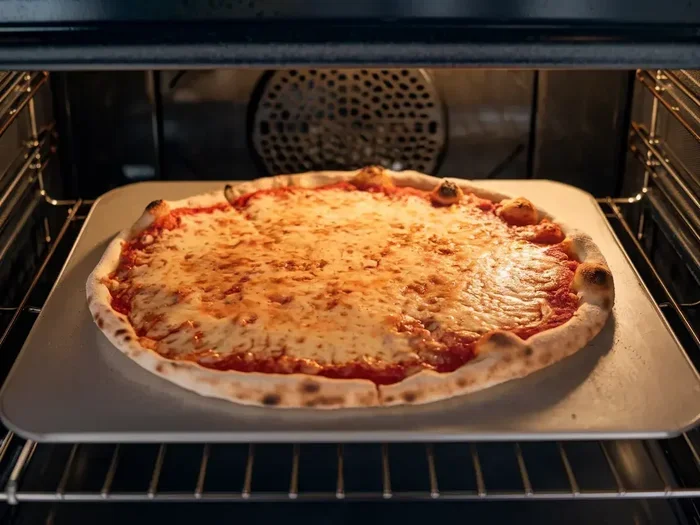
For most pizza oven temperature settings, place the rack in the lower third of the oven. This positions the pizza closer to the bottom heating element, which helps crisp the crust from below. The top element then browns the cheese and toppings evenly.
If you are using the broiler setting to finish your pizza, move the rack to the upper third during the last 1 to 2 minutes. This gives you that beautiful golden-brown bubbly top without overcooking the bottom.
Quick Tips for Rack Positioning
- Always bake on the lowest rack position for crispy bottoms.
- If your oven has a convection fan, center the rack for even airflow.
- Use a pizza peel or inverted baking sheet to slide the pizza onto the hot stone or steel safely.
- Never place a cold pizza dough directly on a cold pan. The thermal shock will prevent proper browning.
Common Mistakes That Ruin Your Pizza
Even the best pizza recipe can fail if you make basic mistakes. Here are the most common errors home bakers make when trying to achieve the perfect oven temperature for pizza.
Not Preheating Long Enough
This is the number one mistake. Many people set the oven to the right temperature and slide the pizza in after only 10 minutes. The oven has not reached the target temperature yet, and the stone or steel has not absorbed enough heat. Always wait at least 30 minutes, and ideally 45.
Overloading Toppings
Too many toppings trap moisture and prevent the crust from crisping. This is especially true for high-heat baking where the pizza cooks fast. Keep toppings light and evenly distributed for the best results.
Using the Wrong Bakeware
A dark, thick baking pan absorbs more heat and can burn the bottom of your crust. A thin pan does not conduct heat well enough. If you do not have a pizza stone or steel, use a light-colored baking sheet or an inverted baking tray.
Opening the Oven Door Too Often
Every time you open the oven door, you lose heat. This drops the internal temperature and can cause the crust to deflate and become soggy. Check your pizza through the oven window instead of opening the door repeatedly.
Ignoring Your Oven’s Hot Spots
Most home ovens have uneven heat distribution. The back of the oven is usually hotter than the front. Rotate your pizza 180 degrees halfway through baking to ensure even cooking.
Expert Insight
Many experienced home pizza makers recommend placing a second baking sheet on the rack above your pizza. This acts as a shield, preventing the top from burning while the bottom crisps up. It is a simple trick that makes a noticeable difference in melt cheese perfectly results.
How to Tell When Your Pizza Is Done
Knowing the right pizza oven temperature is only half the battle. You also need to know when to pull the pizza out. Underbaked pizza is soggy. Overbaked pizza is dry and burnt.
Here are the signs that your homemade pizza is ready:
- The crust is golden brown and firm to the touch.
- The cheese is fully melted and has light golden-brown spots.
- The edges of the crust are slightly puffed and charred in spots.
- The bottom of the crust sounds hollow when you tap it.
- The toppings look cooked and vibrant, not raw or wilted.
If you are unsure, use a food thermometer. The internal temperature of a baked pizza should reach about 165°F in the center. This ensures the pizza dough is fully cooked and safe to eat.
Remember, practice makes perfect. Every time you bake, you will learn more about how your specific oven behaves. Keep notes on what temperature and timing work best for your setup.
Reheating Leftover Pizza: Don’t Skip This
What about leftover pizza? Reheating is another area where temperature matters. The best way to reheat pizza is in the oven at 375°F to 400°F for 5 to 8 minutes. This restores the crispy crust and melts the cheese back to its gooey perfection.
Avoid reheating pizza in the microwave. It makes the crust rubbery and the cheese rubbery. The oven temperature for pizza reheat is low and slow, which brings back that fresh-baked feel.
Can You Use a Toaster Oven for Pizza
Yes, you can! A toaster oven works surprisingly well for personal-sized pizzas. Set it to 450°F to 500°F and use a small pizza stone or a perforated pizza pan. Because toaster ovens are smaller, they preheat faster and concentrate heat more efficiently.
The key difference is that toaster ovens have less space for heat circulation. Place the pizza in the center and watch it closely. A personal pizza usually bakes in 8 to 12 minutes at this pizza oven temperature range.
Quick Tips for Toaster Oven Pizza
- Use a small pizza stone designed for toaster ovens.
- Preheat for at least 10 to 15 minutes.
- Keep an eye on the pizza — toaster ovens can burn toppings quickly.
- A perforated pan helps air circulate under the crust for extra crispiness.
Conclusion
Getting the perfect pizza oven temperature at home is easier than you think. The key is understanding that different pizza styles need different heat levels. For most homemade pizza, aim for 475°F to 550°F. Preheat for at least 30 to 45 minutes. Use a pizza stone or pizza steel to get that crispy bottom crust. And always place your pizza on the lower rack for the best results.
Avoid the common mistakes that trip up so many home bakers. Do not rush preheating. Do not overload toppings. Do not skip the oven thermometer. These small changes make a huge difference in your bake pizza at home experience.
Now that you know how hot does your oven need to be for pizza, you have everything you need to make restaurant-quality pizza in your own kitchen. Fire up that oven, grab your favorite pizza recipe, and enjoy the process. The perfect crispy pizza crust is just one hot oven away.
Frequently Asked Questions
What is the best temperature to cook pizza in a regular home oven?
The best temperature for most homemade pizza is between 475°F and 500°F. This range works well for standard thin-crust and medium-crust pizzas. If you want a crispier, Neapolitan-style crust, push your oven to 500°F or higher. Always preheat for at least 30 minutes before baking.
Can I bake pizza at 400 degrees?
Yes, you can bake pizza at 400°F, especially for thick-crust or deep-dish styles. However, 400°F is on the lower end for thin-crust pizza. At this temperature, the crust may not get as crispy, and baking times will be longer. For best results with thin crust, aim for at least 450°F.
How long should I preheat my oven for pizza?
You should preheat your oven for at least 30 to 45 minutes when making pizza. This gives the oven walls, the racks, and any pizza stone or steel enough time to absorb and radiate heat. A properly preheated oven ensures your pizza starts cooking immediately, which is essential for a crispy crust.
Do I need a pizza stone to make good pizza at home?
A pizza stone is not strictly necessary, but it makes a big difference. A hot pizza stone absorbs moisture from the dough and transfers heat quickly, giving you a crispier bottom crust. If you do not have a stone, a pizza steel works even better. You can also use an inverted baking sheet as a budget-friendly alternative.
What rack position is best for baking pizza?
The lower third rack is the best position for baking pizza. This places the pizza closer to the bottom heating element, which helps crisp the crust from below. If you want to use the broiler to brown the top at the end, move the pizza to the upper rack for the last 1 to 2 minutes only.
Can I use a convection oven for pizza?
Yes, a convection oven works great for pizza. The fan circulates hot air evenly, which helps the crust bake uniformly. You can reduce the temperature by about 25°F when using convection mode. Keep an eye on your pizza, as convection ovens can sometimes brown the top faster than a conventional oven.
=== CONCLUSION ===
How hot does your oven need to be for pizza is one of the most important questions any home cook can ask. The answer is clear: aim for high heat, between 475°F and 550°F for most styles, and always give your oven enough time to preheat fully. With the right pizza oven temperature, a good pizza stone or pizza steel, and a little practice, you can make homemade pizza that rivals your favorite pizzeria.
Remember the key points. Preheat for at least 30 minutes. Place your rack in the lower third. Use an oven thermometer to verify the temperature. And avoid overloading your pizza with toppings. These simple steps will transform your pizza baking results every single time.
Now it is your turn. Preheat that oven, roll out some pizza dough, and create your perfect pie. The path to pizza perfection starts with the right heat. Enjoy every bite.