Is Oven Cleaner Acidic And Why It Really Matters To You
So, is oven cleaner acidic? The answer is both yes and no. Some oven cleaners use acidic formulas to tackle mineral deposits and rust, while most popular brands rely on alkaline (basic) ingredients to dissolve tough grease and baked-on food. Understanding the pH level of your oven cleaner helps you use it safely and effectively. This guide breaks down everything you need to know about oven cleaner chemistry, safety tips, and how to choose the right product for your kitchen.
You have a dirty oven. The grease is baked on. The food residue is stuck to the walls. You reach for that bottle of oven cleaner, spray it all over, and walk away. But then a question pops into your head. Is oven cleaner acidic? And does it even matter?
The short answer is that it depends on the product. Some oven cleaners are acidic. Most are alkaline. And knowing the difference can completely change how you clean your oven safely. This article dives deep into the science behind oven cleaner pH levels, what makes them work, and how to pick the right one for your kitchen. By the end, you will feel confident about every cleaning decision you make.
Let us get one thing straight. Cleaning your oven is not fun. Nobody wakes up excited to scrub baked-on cheese at 10 PM on a Friday. But understanding what is in that bottle you are spraying can protect your health, your surfaces, and your family. Chemical composition matters more than most people realize. And it is way simpler to understand than you might think.
Key Takeaways
- Most oven cleaners are alkaline, not acidic: The majority of commercial oven cleaners use basic (alkaline) chemicals to break down grease and food residue.
- Acidic oven cleaners exist for specific tasks: Some formulas use acid to target mineral buildup, rust, and hard water stains inside ovens.
- pH level determines how a cleaner works: Knowing the pH helps you match the right cleaner to the right mess.
- Safety is critical with any oven cleaner: Both acidic and alkaline cleaners can cause chemical burns if misused.
- Natural alternatives work well too: Baking soda and vinegar offer safer, effective cleaning options for everyday oven maintenance.
- Always ventilate your kitchen: Fumes from oven cleaners can be harmful regardless of their pH level.
- Read labels carefully: Understanding ingredients helps you make informed and safe choices for your household.
📑 Table of Contents
- What Makes Oven Cleaner Acidic or Alkaline?
- Why the pH of Oven Cleaner Really Matters
- Common Types of Oven Cleaners and Their Formulas
- Is Oven Cleaner Acidic? The Products That Use Acid
- Safety Tips for Using Oven Cleaner
- Natural Alternatives to Chemical Oven Cleaners
- Expert Insights on Oven Cleaner Chemistry
- Common Mistakes People Make When Cleaning Their Oven
- How to Choose the Right Oven Cleaner for Your Needs
- Conclusion
What Makes Oven Cleaner Acidic or Alkaline?
Every cleaning product has a pH level. The pH scale runs from 0 to 14. A value of 7 is neutral. Anything below 7 is acidic. Anything above 7 is alkaline or basic. This pH level determines how the cleaner interacts with dirt, grease, and grime.
How Acidic Cleaners Work
Acidic cleaners have a pH below 7. They are great at dissolving mineral deposits, hard water stains, and rust. When you spray an acidic oven cleaner, the acid reacts with calcium and mineral buildup. This breaks the bond between the residue and the oven surface. Acidic formulas are often used for specific jobs like removing rust from oven racks or tackling hard water spots.
Common acidic ingredients include citric acid, phosphoric acid, and hydrochloric acid. These are strong substances. They work fast on mineral-based messes. But they can also damage certain surfaces if left too long. Always test a small area first.
How Alkaline Cleaners Work
Alkaline cleaners have a pH above 7. Most commercial oven cleaners fall into this category. They are designed to dissolve grease and organic food buildup. Alkaline substances break down fats and proteins through a process called saponification. This is the same reaction that turns fat into soap.
Common alkaline ingredients include sodium hydroxide, potassium hydroxide, and ammonia. These are powerful degreasers. They dissolve baked-on food quickly and effectively. This is why most people reach for alkaline grease remover products when their oven needs a deep clean.
| Feature | Acidic Cleaners | Alkaline Cleaners |
|---|---|---|
| pH Level | Below 7 | Above 7 |
| Best For | Mineral deposits, rust, hard water stains | Grease, baked-on food, organic residue |
| Common Ingredients | Citric acid, phosphoric acid | Sodium hydroxide, potassium hydroxide |
| Surface Safety | Can damage metal and stone | Can damage painted surfaces if overused |
| Fume Level | Moderate | High, especially with lye-based formulas |
| Typical Use Case | Rust removal, descaling | Deep oven cleaning, degreasing |
Why the pH of Oven Cleaner Really Matters
You might wonder why the pH of your surface cleaner matters so much. The answer is simple. Using the wrong type of cleaner can cause damage. It can leave residue. It can even create dangerous chemical reactions. Understanding pH helps you clean smarter and safer.
When you use an alkaline cleaner on a greasy oven, the formula breaks down the fat molecules. The grime lifts away easily. When you use an acidic cleaner on mineral deposits, the acid dissolves the buildup. Each type of cleaner is designed for a specific job. Using the wrong one can mean poor results or damaged surfaces.
Food safety is another big reason pH matters. Residue from oven cleaners can contaminate your food if not rinsed properly. Alkaline cleaners, especially those containing lye, can leave harmful chemical traces. Acidic cleaners can also leave residues that affect taste and safety. Always rinse your oven thoroughly after cleaning, regardless of the product type.
Common Types of Oven Cleaners and Their Formulas
The oven cleaning aisle at your local store can be overwhelming. There are so many brands and formulas. Let us break down the most common types and what makes them tick.
Aerosol Spray Cleaners
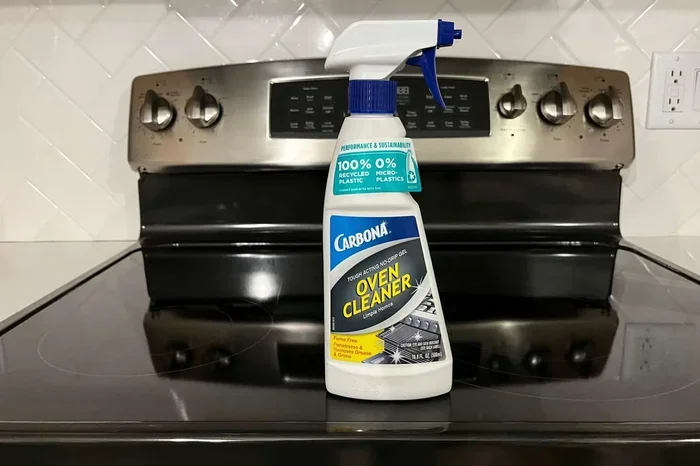
Aerosol oven cleaner sprays are the most popular option. Brands like Easy-Off and Mr. Muscle dominate the shelves. Most of these are alkaline-based. They contain sodium hydroxide or potassium hydroxide as the active ingredient. These chemicals are incredibly effective at dissolving baked-on grease and food.
The spray format makes application easy. You spray the inside of the oven, close the door, and let it sit for hours. The formula works on the grime while you go about your day. However, these products produce strong fumes. Always use them in a well-ventilated area. Wearing gloves is a must.
Foaming Cleaners
Foaming oven cleaners cling to vertical surfaces better than sprays. They do not drip and run. This makes them ideal for oven walls and doors. Many foaming formulas are alkaline but some newer versions use a balanced pH to be gentler on surfaces.
Foam cleaners are great for regular maintenance. They work well on light to moderate grease buildup. They are less aggressive than heavy-duty aerosol sprays. This makes them a good choice for people who clean their oven frequently.
Natural and DIY Cleaners
Not everyone wants harsh chemicals in their kitchen. Natural oven cleaners have become increasingly popular. The most common DIY approach uses baking soda and water. Baking soda is a mild alkaline substance. It safely lifts grease and grime without producing toxic fumes.
Another popular method combines baking soda with vinegar. The vinegar is acidic. When it reacts with the alkaline baking soda, it creates a fizzing action. This helps lift dirt from surfaces. However, the cleaning power of this combination is milder than commercial products. It works best for regular maintenance, not heavy-duty jobs.
Is Oven Cleaner Acidic? The Products That Use Acid
So we have established that most oven cleaners are alkaline. But acidic oven cleaners do exist. They are less common but serve an important purpose. Let us look at when and why you might need an acidic formula.
When to Use an Acidic Oven Cleaner
Acidic cleaners shine when you are dealing with mineral buildup. If you live in a hard water area, your oven may have white, chalky deposits. These are mineral stains. Alkaline cleaners cannot dissolve them effectively. An acidic formula is the right tool for this job.
Rust is another enemy of oven racks and interior surfaces. Acidic cleaners dissolve rust effectively. They break down the iron oxide that forms rust. This restores metal surfaces to their original condition. If your oven racks have rust spots, an acidic cleaner or a soak in a citric acid solution can work wonders.
Popular Acidic Oven Cleaning Products
Some brands specifically formulate acidic oven cleaners for descaling and rust removal. These products often contain citric acid or phosphoric acid as the primary active ingredient. They are clearly labeled as acidic on the product packaging. Always read the label before purchasing.
One important tip. Do not mix acidic and alkaline cleaners. Combining them can create dangerous fumes. It can also neutralize both products, making them ineffective. Use one type at a time and rinse thoroughly between uses.
Safety Tips for Using Oven Cleaner
Whether your cleaner is acidic or alkaline, safety must come first. Oven cleaners are powerful chemicals. They can cause burns, irritation, and respiratory problems if not used correctly. Here are essential safety tips every homeowner should follow.
- Always wear gloves: Chemical burns are a real risk. Protective gloves prevent skin contact with harsh ingredients.
- Ventilate your kitchen: Open windows and turn on the exhaust fan. Fumes from oven cleaners can irritate your lungs and eyes.
- Avoid skin and eye contact: If the cleaner splashes on your skin, rinse immediately with plenty of water.
- Keep children and pets away: Store oven cleaners in a secure location out of reach.
- Never mix different cleaners: Mixing chemicals can produce toxic gases. This is especially dangerous with bleach and ammonia-based products.
- Rinse thoroughly after cleaning: Any residue left behind can contaminate food. Run a clean cycle or wipe the oven with water before cooking.
- Follow the manufacturer instructions: Every product has specific usage guidelines. Read them carefully before you start cleaning.
What to Do If You Accidentally Inhale Fumes
If you experience dizziness, nausea, or difficulty breathing while using oven cleaner, move to fresh air immediately. These symptoms indicate fume inhalation. Open all doors and windows. If symptoms persist, seek medical attention. Do not return to the area until the space is fully ventilated.
Natural Alternatives to Chemical Oven Cleaners
Not everyone is comfortable using harsh chemicals inside their oven. Natural cleaning methods offer a safer alternative. They may require more elbow grease, but they are effective and non-toxic. Here are some of the best options.
Baking Soda Paste Method
Mix baking soda with water to form a thick paste. Spread it over the inside of your oven. Let it sit overnight. The paste works gently to loosen grease and food residue. The next day, wipe it away with a damp cloth. For tough spots, add a little more baking soda and scrub gently.
Steam Cleaning
Steam is a powerful natural cleaner. Fill a baking dish with water and add a splash of vinegar. Place it in the oven and heat it to 200 degrees Fahrenheit for 30 minutes. The steam loosens grime and makes it easy to wipe away. This method works great for light cleaning and regular maintenance.
Lemon Water Method
Cut a lemon in half and squeeze the juice into a bowl of water. Place the bowl in the oven and heat it at 200 degrees for 30 minutes. The citric acid in lemon helps dissolve light grease. The steam softens baked-on food. Afterward, wipe the interior with a damp cloth.
Expert Insights on Oven Cleaner Chemistry
Cleaning professionals agree that understanding your cleaner’s chemistry is the key to great results. Here is what the experts have to say.
According to cleaning specialists, alkaline cleaners are the go-to choice for most oven cleaning tasks. They are designed to handle the type of mess most people encounter. Baked-on grease, food spills, and organic residue respond best to alkaline formulas. This is why the vast majority of commercial products use this approach.
However, experts also recommend acidic cleaners for specific situations. If you notice white mineral deposits or rust forming inside your oven, an acidic formula is the right solution. The key is identifying the type of mess you are dealing with before choosing a product.
Professional cleaners also emphasize the importance of ventilation. Even the best kitchen cleaning products produce fumes that can be irritating. Working in a well-ventilated space reduces health risks significantly. This simple step makes a big difference in your safety and comfort.
Common Mistakes People Make When Cleaning Their Oven
Even with the right cleaner, mistakes can happen. Here are the most common errors and how to avoid them.
- Not reading the label: Every oven cleaner is different. The label tells you exactly how to use it safely and effectively.
- Leaving the cleaner on too long: Over-exposure can damage oven surfaces. Follow the recommended time on the product label.
- Skipping the rinse: Chemical residue can contaminate your food. Always rinse the oven thoroughly after cleaning.
- Using the wrong type of cleaner: Using an acidic cleaner on a grease mess or an alkaline cleaner on mineral deposits leads to poor results.
- Ignoring ventilation: Working in a closed kitchen with oven cleaner fumes is a health risk. Always open windows and use the fan.
- Skipping protective gear: Gloves and eye protection are not optional. They protect you from chemical burns and irritation.
How to Choose the Right Oven Cleaner for Your Needs
Choosing the right oven cleaner depends on several factors. Consider what type of mess you are dealing with. Consider your sensitivity to chemicals. And consider how often you clean your oven.
For heavy grease buildup, choose a strong alkaline aerosol cleaner. For light maintenance, a foaming cleaner or natural baking soda method works well. For mineral deposits and rust, an acidic formula is your best bet. Always match the cleaner to the task for the best results.
If you have children or pets at home, consider natural or low-toxicity options. Products labeled as “eco-friendly” or “non-toxic” are safer choices for households with sensitive family members. They may not be as powerful as heavy-duty chemical cleaners, but they handle regular cleaning tasks effectively.
Conclusion
So, is oven cleaner acidic? The answer depends on the product you are using. Most commercial oven cleaners are alkaline, designed to dissolve grease and baked-on food. Some specialized cleaners use acidic formulas to tackle mineral deposits and rust. Understanding the chemical composition of your cleaner helps you use it safely and effectively.
Your kitchen cleaning routine should always prioritize safety. Read labels, wear protective gear, ventilate your space, and rinse thoroughly. Whether you choose a commercial product or a natural method, the goal is the same. A clean oven that is safe to cook in.
Now that you understand the science behind oven cleaner pH levels, you can make informed decisions. You know when to reach for an alkaline degreaser and when to use an acidic formula. You know how to protect yourself and your family from harmful fumes and residues. This knowledge makes you a smarter, safer, and more effective home cook.
Take what you have learned here today. Apply it to your next oven cleaning session. Your oven will thank you. And so will your family.
Frequently Asked Questions
Is oven cleaner acidic or basic?
Most commercial oven cleaners are basic (alkaline), not acidic. They use alkaline ingredients like sodium hydroxide to break down grease and food residue. However, some specialized products are formulated with acidic ingredients to target mineral deposits and rust.
What happens if you use an acidic cleaner in your oven?
Using an acidic cleaner on mineral buildup and rust is effective and safe. However, using an acidic cleaner on grease will not work as well because acid does not dissolve fats efficiently. Always match the cleaner type to the type of mess you are cleaning.
Can acidic and alkaline oven cleaners be mixed?
No. Mixing acidic and alkaline cleaners is dangerous. It can produce toxic fumes and neutralize both products, making them ineffective. Always use one type of cleaner at a time and rinse thoroughly before switching.
Are natural oven cleaners as effective as chemical ones?
Natural cleaners like baking soda and vinegar work well for regular maintenance and light cleaning. They are not as powerful as heavy-duty chemical cleaners for tough, baked-on grease. For deep cleaning, a commercial alkaline cleaner is usually more effective.
How do I know if my oven cleaner is acidic?
Check the product label for the active ingredients. If it lists citric acid, phosphoric acid, or hydrochloric acid, it is acidic. If it lists sodium hydroxide, potassium hydroxide, or ammonia, it is alkaline. The label will also usually state whether the product is acidic or alkaline.
Is it safe to use oven cleaner around food?
Oven cleaners are not food-safe. Chemical residues can contaminate food and cause health issues. Always rinse the oven thoroughly after cleaning. It is best to remove all racks and trays, clean them separately, and wipe down the interior multiple times with clean water before cooking again.
=== CONCLUSION ===
Is oven cleaner acidic? Now you know the full answer. Most are alkaline, some are acidic, and each serves a specific purpose. Understanding this simple science empowers you to clean smarter, safer, and more effectively. Keep this guide handy for your next cleaning session and share it with anyone who needs help making sense of their oven cleaner.