Can Glass Baking Dishes Go In The Oven Without Breaking
Yes, glass baking dishes can go in the oven, but only if they are labeled oven-safe and you follow a few simple rules. Tempered glass and Pyrex handle heat well, but sudden temperature changes cause thermal shock that leads to cracks. This guide shows you exactly how to use your glass baking dish safely, what temperatures to avoid, and how to prevent breakage.
If you have ever wondered, Can Glass Baking Dishes Go In The Oven, you are not alone. Many home cooks own a beautiful glass casserole dish and worry about using it in the oven. The good news is that glass baking dishes can indeed go in the oven, but only when you follow a few important guidelines. Using the wrong type of glass or mishandling temperature changes can lead to a cracked dish or even a dangerous mess. This article will explain everything you need to know about safely using glass baking dishes in the oven.
Baking with glass has many perks. Glass pans heat evenly, allow you to see the browning on the bottom, and look gorgeous when you serve food directly at the table. However, not all glass is created equal. Some glassware is designed to withstand high oven temperatures, while other glass will shatter if exposed to heat. Understanding the difference between oven-safe glass and regular glass is the first step toward stress-free baking. In the sections below, we will cover the science behind glass and heat, safe temperature limits, common mistakes, and expert tips to keep your glass baking dish in perfect condition for years.
Key Takeaways
- Always check the label: Only use oven-safe glass bakeware that explicitly states it can handle oven heat.
- Avoid thermal shock: Never place a cold glass dish into a hot oven or add cold liquid to a hot pan.
- Stick to safe temperatures: Most glass baking dishes are safe up to 350–450°F, but always verify the manufacturer’s limit.
- Preheat the oven first: Place the dish in a cold oven and let it heat up gradually with the oven.
- Glass vs. metal matters: Glass heats slower and browns differently than metal, which affects cooking times and results.
- Handle with care: Use dry oven mitts and set hot glass on a heat-resistant surface to prevent cracking.
- Know your glass type: Tempered glass and borosilicate (like Pyrex) are far more durable than ordinary soda-lime glass.
📑 Table of Contents
- What Are Glass Baking Dishes and Why Do People Love Them?
- The Science Behind Glass and Oven Heat
- Can Glass Baking Dishes Go In The Oven? Temperature Guidelines
- Glass vs. Metal Baking Dishes: A Side-by-Side Comparison
- Common Mistakes That Cause Glass Baking Dishes to Break
- Quick Tips and Expert Insights for Perfect Glass Baking
- Conclusion
What Are Glass Baking Dishes and Why Do People Love Them?
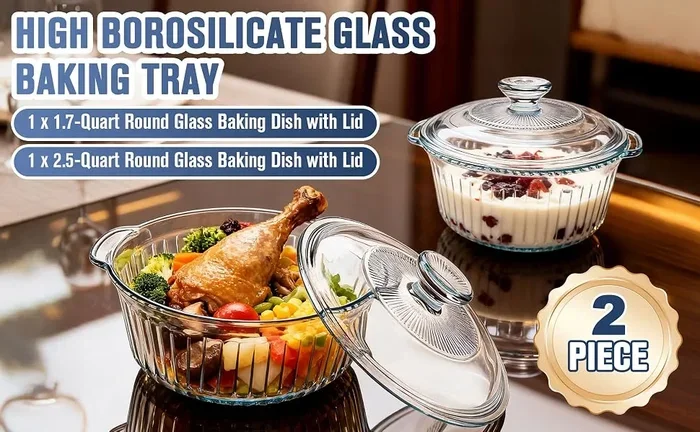
A glass baking dish is a pan made from glass that you can use for casseroles, lasagnas, roasted vegetables, baked eggs, and desserts. They come in many shapes and sizes, from deep rectangular pans to round gratin dishes. The most popular brands include Pyrex, which uses tempered glass or borosilicate glass that can handle high heat. You will also find glass cookware made from soda-lime glass, which is less heat-resistant and not always oven-safe.
Types of Glass Used in Baking Dishes
Not all glass bakeware is the same. Here are the main types you will encounter:
- Tempered glass: This glass is treated with heat or chemicals to make it much stronger. It can withstand sudden temperature changes better than regular glass. Most modern Pyrex products in the US are made from tempered glass.
- Borosilicate glass: This is the traditional Pyrex formula used in many countries. It has a very low coefficient of thermal expansion, meaning it resists thermal shock extremely well. It can handle extreme temperature swings.
- Soda-lime glass: This is the most common and inexpensive type of glass. It is used for everyday drinking glasses and some bakeware. It is not oven-safe unless specifically labeled.
Benefits of Using Glass for Baking
There are several reasons why home bakers reach for a glass pan again and again:
- You can see the bottom: Glass allows you to monitor browning without opening the oven door and losing heat.
- Even heat distribution: A good glass baking dish heats up steadily, which reduces hot spots.
- Serve directly: You can take the dish from the oven to the table, which saves you from transferring food to a serving platter.
- Non-reactive surface: Glass does not react with acidic foods like tomatoes or citrus, so your dish will not have a metallic taste.
- Easy to clean: Most glass bakeware is dishwasher safe and does not stain easily.
The Science Behind Glass and Oven Heat
Understanding how glass reacts to heat helps you avoid accidents. Glass is a solid material, but it is not completely immune to temperature changes. When glass heats up, it expands. When it cools down, it contracts. If one part of the glass expands faster than another part, internal stress builds up. This stress can cause the glass to crack or shatter. This phenomenon is called thermal shock.
How Glass Reacts to Heat
When you place a glass baking dish in a cold oven and turn the heat on, the glass warms up slowly and evenly. This gradual expansion is safe. The danger happens when you create a big temperature difference across the dish. For example, if you take a room-temperature glass pan and put it on a hot stovetop burner, the bottom of the pan expands rapidly while the top stays cool. That uneven expansion creates stress that can break the glass instantly.
The same thing happens if you put a hot glass dish on a cold, wet surface or splash cold water on it. The sudden cooling causes the outer surface to contract quickly while the inside is still hot. The result is often a loud pop and a shower of sharp glass pieces. This is why learning how to manage oven temperature and avoiding sudden shocks is so important.
Understanding Thermal Shock and Why It Matters
Thermal shock is the number one enemy of glass bakeware. It is the rapid change in temperature that causes different parts of the glass to expand or contract at different rates. Oven-safe glass is designed to resist thermal shock much better than regular glass. The materials used in tempered glass and borosilicate glass have a special chemical makeup that allows them to handle greater temperature swings without cracking.
Even with oven-safe glass, you should still follow some basic rules. Never preheat the oven with a glass dish already inside. Do not move a hot glass dish from the oven to a cold countertop or sink. Always let the dish cool on a dry, heat-resistant surface like a wooden board or a silicone mat. By respecting these limits, you can enjoy baking with glass for a long time.
Can Glass Baking Dishes Go In The Oven? Temperature Guidelines
The short answer is yes, but the temperature limit depends on the type of glass. Most manufacturers print a maximum oven-safe temperature on the bottom of the dish or on the packaging. The general rule is that glass baking dishes are safe for temperatures between 350°F and 450°F. Some high-quality borosilicate glass can handle even higher temperatures, but it is always best to check the label.
Safe Oven Temperatures for Glass Pans
Here is a quick guide to help you understand safe temperature ranges for different types of glass bakeware:
- Standard tempered glass (Pyrex): Safe up to 425–450°F. This is the most common glass baking dish found in American kitchens.
- Borosilicate glass (traditional Pyrex): Safe up to 450–500°F. This type is more resistant to thermal shock.
- Soda-lime glass: Not recommended for oven use unless it is explicitly labeled as oven-safe. Most decorative glassware falls into this category.
- Glass lids: Many glass lids for glass cookware are oven-safe up to 350–400°F, but always check the manufacturer’s guidance.
When you are baking a casserole or a deep-dish pizza, 350°F is a very common and safe temperature. If you are roasting vegetables at 425°F, make sure your glass pan is rated for that heat. Exceeding the maximum temperature can cause the glass to warp, discolor, or break.
How to Preheat and Place Glass Dishes Safely
Placement matters just as much as temperature. Follow these steps to keep your glass baking dish safe:
- Place the empty glass dish on a cold oven rack before you turn on the oven.
- Put the dish on a middle rack where air can circulate evenly.
- Avoid placing the dish too close to the top heating element, which can cause uneven browning and stress the glass.
- Do not place the dish directly on a stove burner or under a broiler unless the manufacturer says it is safe.
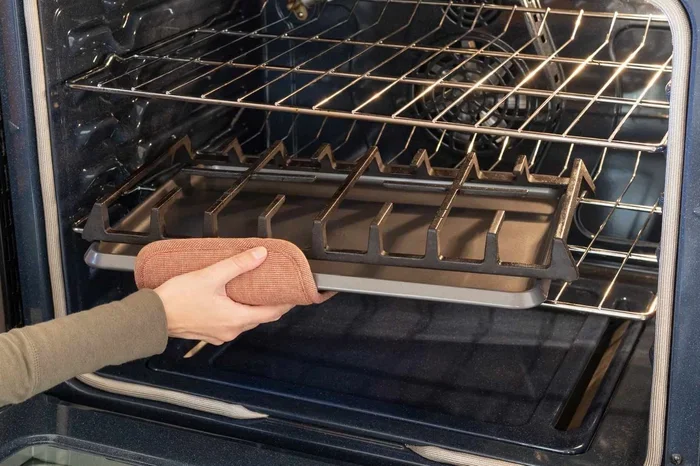
- When the baking time is over, use dry oven mitts to remove the dish. Set it on a trivet, wooden board, or folded towel.
Glass vs. Metal Baking Dishes: A Side-by-Side Comparison
Many bakers wonder whether to use a glass baking dish or a metal pan. Each material has its own strengths. The choice often comes down to what you are cooking and the result you want. Below is a quick comparison of glass vs metal baking to help you decide.
| Feature | Glass Baking Dish | Metal Baking Dish |
|---|---|---|
| Heat conductivity | Slower to heat up, but retains heat well | Heats up quickly and transfers heat fast |
| Browning | Bottom browns more slowly; edges may brown less | Promotes faster and darker browning on the bottom |
| Temperature safety | Check the label; usually safe up to 425–450°F | Most metal pans can handle 500°F or higher |
| Thermal shock risk | Higher risk if you ignore temperature rules | Lower risk; metal handles sudden changes better |
| Serving style | Can go from oven to table directly | Usually needs a transfer to a serving dish |
| Reactivity | Non-reactive; safe with acidic foods | Can react with acidic foods if not coated (e.g., aluminum) |
| Weight | Heavier than metal | Lighter and easier to handle |
When to Choose Glass Over Metal
Choose a glass pan when you want to see the bottom of your dish for perfect browning. Glass is excellent for casseroles, lasagnas, and cobblers where you want a steady, gentle heat. Glass is also ideal when you want to serve the dish right at the table without dirtying an extra platter. If you are baking something acidic like a tomato-based bake, glass will not alter the flavor. Metal is better for foods that need a fast, intense burst of heat, such as cookies or a quick roast.
Common Mistakes That Cause Glass Baking Dishes to Break
Even the best oven-safe glass can break if you make these common errors. Learning what not to do is just as important as knowing what to do.
The “No Cold Water” Rule
This is the most important rule to remember. Never add cold liquid to a hot glass baking dish. If you just pulled a hot pan out of the oven, let it cool for a few minutes before rinsing or washing it. Do not place a hot glass dish in the sink filled with cold water. The sudden temperature drop will almost certainly cause the glass to crack. The same rule applies to moving a hot dish from the oven to a cold granite countertop. Always use a heat-safe trivet or a wooden cutting board.
Overheating and Sudden Shocks
Another mistake is placing a glass dish under a broiler or on a direct stovetop flame. Most glass bakeware is not designed for direct, high-intensity heat from above or below. The broiler can superheat the top of the dish while the bottom stays cooler, creating uneven stress. Also, never leave an empty glass dish in a preheating oven. The empty pan can overheat quickly and shatter when you later add cold food.
Using the Wrong Glass
Not every glass dish belongs in the oven. A beautiful glass serving bowl or a decorative vase might look like a casserole dish, but it is likely made from soda-lime glass that cannot handle oven heat. Always check the bottom of the dish for an oven-safe symbol or text. If there is no marking, do not assume it is safe. When in doubt, choose a pan specifically designed for baking.
Quick Tips and Expert Insights for Perfect Glass Baking
Even experienced bakers can learn something new about using glass baking dishes. Here are some practical tips and expert insights that will make your oven time safer and more successful.
Quick Tips for Oven-Safe Glass Use
- Always read the manual: The manufacturer knows the limits of their glass cookware. Follow the instructions for maximum temperature and care.
- Grease the pan lightly: Glass has a naturally non-stick surface, but a thin layer of butter or oil helps with release and easy cleanup.
- Reduce oven temperature by 25°F: Because glass heats more slowly than metal, some bakers lower the oven temperature by 25°F to prevent over-browning on the top while the inside finishes cooking.
- Check for cracks before use: Inspect your glass baking dish for any small chips or cracks before putting it in the oven. A damaged dish is more likely to break under heat.
- Use two oven mitts: Glass pans can get very hot, especially on the sides. Grab the dish firmly with two dry oven mitts to keep it steady.
Expert Insight from Professional Chefs
Many professional chefs prefer glass bakeware for certain dishes because it gives them visual control over the cooking process. Chef Maria Lopez, a seasoned home-kitchen instructor, often tells her students, “A glass baking dish lets you see the golden crust forming on the bottom. You can adjust the rack position or pull the dish early if you see it browning too fast. That kind of feedback is hard to get from a dark metal pan.” She also emphasizes the importance of gradual temperature changes. “Never shock your glass,” she says. “Treat it like a guest at a dinner party—welcome it in slowly.”
Chef David Chen adds that glass cookware is wonderful for one-pot meals. “I love using a glass casserole dish for baked pasta because the dish goes straight from the oven to the table. It looks beautiful and it saves me from washing an extra pan. I just make sure I set it on a silicone mat when I take it out, so the bottom does not touch a cold surface.”
How to Clean and Store Your Glass Baking Dish
Proper care extends the life of your glass baking dish. Let the dish cool completely before washing it. Hand washing with warm soapy water is gentlest, but most oven-safe glass is dishwasher safe. Avoid using abrasive scouring pads that can scratch the surface. Store the dish in a cabinet where it will not bump against other hard items. Placing a cloth or paper towel between stacked glass dishes prevents scratches that can weaken the glass over time.
What to Do If a Glass Dish Cracks or Breaks
If a glass baking dish breaks in the oven, turn off the heat and let the oven cool completely before opening the door. Do not try to remove the broken dish with your bare hands. Once the oven is cool, carefully remove the pieces using thick gloves and place them in a sturdy cardboard box for disposal. Check the oven interior for any small glass shards before using it again. Never use a damaged glass pan, even if it seems to hold together. A cracked dish is a safety risk and can break further during baking.
Conclusion
So, can glass baking dishes go in the oven? Absolutely. With the right oven-safe glass and a little care, you can bake casseroles, roasts, and desserts with confidence. The key is to respect the limits of your glass baking dish. Always check the manufacturer’s temperature rating, avoid sudden temperature changes, and handle hot glass with dry oven mitts. Understanding the difference between tempered glass, borosilicate glass, and ordinary glass helps you make smart choices in the kitchen. By following the simple tips in this guide, you will prevent breakage, keep your family safe, and enjoy the many benefits of baking with glass. Treat your glass baking dishes well, and they will serve you beautifully for years to come.
Frequently Asked Questions
Can I put a glass baking dish in a preheated oven?
Yes, but place the dish in the oven before you preheat it. Putting a cold glass dish into a preheated oven increases the risk of thermal shock. Instead, set the empty dish on a cold rack, then turn the oven on and let both the dish and the oven heat up together.
What temperature can glass baking dishes handle?
Most glass baking dishes are safe up to 425–450°F. Always check the bottom of the dish or the packaging for the exact maximum temperature. Soda-lime glass and decorative glassware are usually not designed for oven use.
Is it safe to put boiling water in a glass baking dish?
No. Pouring boiling water into a cold glass dish can cause it to shatter from thermal shock. If you need to thaw a dish or warm it up, let it come to room temperature first, then add warm—not boiling—water gradually.
Can I use a glass dish under the broiler?
Most glass baking dishes are not safe under a direct broiler. The intense top heat can cause the glass to overheat and break. Check the manufacturer’s instructions, but unless the dish is explicitly labeled broiler-safe, keep it away from the broiler element.
Why did my Pyrex dish explode in the oven?
Even oven-safe Pyrex can break if it experiences thermal shock. Common causes include placing a hot dish on a cold surface, adding cold liquid to a hot pan, or setting a cold dish on a hot oven rack. Always let glass cool gradually and avoid sudden temperature changes.
Can I bake a cake in a glass baking dish?
Yes, you can bake a cake in a glass baking dish. Glass heats more slowly than metal, so you may need to increase the baking time slightly or reduce the oven temperature by 25°F. Check the cake with a toothpick to ensure it is done in the center.