What Oven Temperature To Reheat Pizza For Crispy Results
Reheating pizza in the oven at the right temperature brings back the crispy crust and melted cheese that make leftover pizza taste almost as good as fresh. The ideal oven temperature to reheat pizza is between 375°F and 400°F, which warms the slice evenly without burning the toppings. Using a pizza stone or aluminum foil can take your reheated pizza to the next level. This guide covers everything you need to know about getting perfect results every single time.
There is nothing quite like biting into a slice of leftover pizza and getting that perfect crunch. But let us be honest. Sometimes reheating pizza turns it into a soggy, sad mess. The microwave might be fast, but it does not do justice to that crispy crust you loved the night before. If you want to bring your leftover pizza back to life, the oven is your best friend. And knowing the right oven temperature to reheat pizza is the secret to unlocking that crispy, golden perfection.
Whether you have a whole pizza box from Friday night or just a single slice from yesterday lunch, this guide will show you exactly how to get it right. We will cover the best temperatures, timing, tools, and common mistakes so your reheated pizza tastes almost as good as the first time around. Let us dive in and make your pizza reheating game seriously strong.
Key Takeaways
- 375°F to 400°F is the sweet spot: This range delivers crispy crust and perfectly melted cheese every time.
- A pizza stone makes a huge difference: It absorbs moisture and crisps the bottom of your pizza slice.
- Avoid the microwave: It makes pizza soggy and ruins the texture of the crust.
- Timing matters: Reheat for 8 to 12 minutes for the best results.
- Preheat your oven first: Never put cold pizza into a cold oven if you want crispy results.
- Convection mode helps: It circulates hot air for even heating and a crunchier finish.
- Line your tray with foil: This prevents cheese from sticking and makes cleanup a breeze.
📑 Table of Contents
- The Best Oven Temperature To Reheat Pizza
- Step-by-Step Guide To Reheating Pizza In The Oven
- Why Oven Reheating Beats Other Methods
- Tips For Getting The Crispiest Crust Every Time
- Common Mistakes To Avoid When Reheating Pizza
- Expert Tips From Professional Pizza Makers
- How Long Should You Reheat Pizza In The Oven?
- Quick Tips Summary
- Frequently Asked Questions
- Final Thoughts
The Best Oven Temperature To Reheat Pizza
Getting the pizza oven temperature right is the single most important step. Too low and your pizza will dry out. Too high and the cheese will burn while the crust stays cold in the middle. The magic number falls between 375°F and 400°F. This range gives you even heating without destroying the texture of your pizza crust.
Why 375°F to 400°F Works Best
This temperature range does three things really well. First, it heats the cheese gently so it melts evenly without turning greasy or rubbery. Second, it warms the sauce and toppings without overcooking them. Third, and most importantly, it crisps up the crust so it has that satisfying snap when you bite through it.
At 375°F, you get a gentler, slower reheat that works great for thicker crusts. At 400°F, the heat is a bit more intense, which is perfect for thin crust pizza. If you are unsure, start at 375°F and check after 8 minutes. You can always add a couple more minutes if needed.
Temperature Differences by Pizza Type
Not all pizza is created equal. The pizza reheating temperature can shift slightly depending on the style of crust and toppings you are dealing with. Here is a quick breakdown:
- Thin crust pizza: 400°F for 8 to 10 minutes. The higher heat crisps up the delicate base quickly.
- Thick crust pizza: 375°F for 10 to 12 minutes. The lower heat gives the thick dough time to warm through without burning the top.
- Deep dish pizza: 375°F for 12 to 15 minutes. Deep dish needs more time because of all that cheese and chunky toppings.
- Stuffed crust pizza: 375°F for 10 to 12 minutes. Keep an eye on the crust edges so they do not over-brown.
The key takeaway here is simple. Match your pizza oven settings to the style of pizza you are reheating. A little attention to detail goes a long way toward getting restaurant-quality results at home.
Step-by-Step Guide To Reheating Pizza In The Oven
Now that you know the right oven temperature to reheat pizza, let us walk through the actual process. Follow these steps and you will never settle for soggy microwave pizza again.
Step 1: Preheat Your Oven
Always preheat your oven before putting the pizza inside. This might sound obvious, but many people skip it. Preheating ensures the oven reaches the right pizza warmth level before the slice even goes in. Set your oven to 375°F or 400°F and give it at least 10 minutes to heat up fully.
Step 2: Prepare Your Baking Tray
Grab a baking sheet or an oven-safe tray. Line it with a piece of aluminum foil or parchment paper. This prevents cheese from sticking to the tray and makes cleanup super easy. Some people like to place a wire rack on top of the tray. This allows air to circulate underneath the pizza, which helps crisp up the bottom crust even more.
Step 3: Place the Pizza on the Tray
Set your pizza slice directly on the prepared tray. If you are reheating multiple slices, place them side by side with a small gap between each one. Overcrowding the tray traps steam, which leads to a soft crust instead of a crispy one.
Step 4: Add a Splash of Water (Optional)
Here is a trick many pizza lovers swear by. Place a small oven-safe dish of water on the rack below the pizza. The steam helps keep the toppings moist while the dry heat crisps up the crust. It sounds counterintuitive, but it works wonders for pizza texture.
Step 5: Bake and Check
Put the tray in the oven and set a timer for 8 minutes. Check the pizza at the 8-minute mark. The cheese should be melted and bubbling, and the crust should look golden brown. If it needs more time, add 2 to 3 more minutes. Keep a close eye on it so nothing burns.
Step 6: Let It Cool Briefly
Once the pizza looks perfect, pull it out and let it rest for 2 to 3 minutes. This cooling period allows the cheese to set slightly, making it easier to cut and eat without everything sliding off. Then enjoy your crispy, delicious reheated pizza.
Why Oven Reheating Beats Other Methods
If you are wondering whether the best way to reheat pizza is really worth the extra time compared to a microwave, the answer is a definite yes. Let us compare the main methods so you can see why oven reheating comes out on top every time.
The Microwave Problem
The microwave is fast. There, we said it. But speed comes at a cost. When you reheat pizza in microwave, the microwaves heat the water molecules in the toppings and cheese. This creates steam, which gets trapped under the pizza and soaks into the crust. The result is a limp, chewy, soggy mess that barely resembles the crispy pizza you started with.
The microwave also heats unevenly. You end up with hot spots and cold spots. The cheese might be boiling in one area while the crust is still cool in another. It is not a great experience for anyone who loves good pizza.
The Skillet Method
A cast iron skillet is actually a solid second option for pizza reheating. You can heat a skillet on the stovetop, add a little bit of water to the pan, place the pizza slice in, and cover it with a lid. The steam helps melt the cheese while the direct heat crisps the bottom. This method works well for a single slice, but it is not practical for multiple slices or a whole pizza.
The Oven Advantage
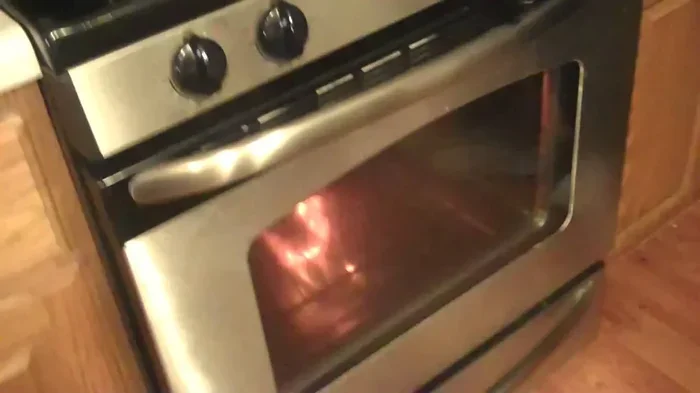
The oven uses dry, even heat that surrounds the entire pizza. This method crisps the crust while melting the cheese gently and warming the toppings thoroughly. The oven-baked pizza result is far superior to any other method. Yes, it takes 8 to 12 minutes instead of 30 seconds, but the difference in taste and texture is enormous.
Air Fryer Option
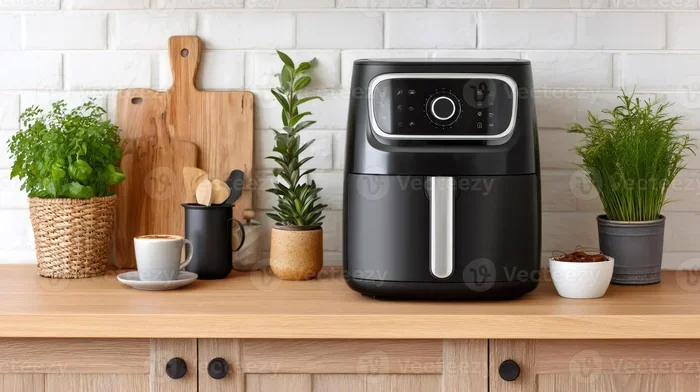
If you have an air fryer, it can also produce excellent results. Set it to 350°F and reheat for 3 to 5 minutes. The hot circulating air creates a crispy crust similar to what you get in a regular oven. It is faster than the oven and works great for one or two slices. However, for a whole pizza, the oven still wins.
Tips For Getting The Crispiest Crust Every Time
Getting that perfect crispy pizza crust is all about small details. Here are some expert tips that will elevate your pizza reheating game to the next level.
Use a Pizza Stone or Baking Steel
A pizza stone absorbs moisture from the crust as it heats up. This is the single best tool for achieving a crispy bottom. Place the stone in the oven while it preheats, then put your pizza directly on the hot stone. The result is a crust that tastes almost freshly baked. If you do not have a pizza stone, a baking steel works just as well.
Don’t Skip the Foil or Parchment
Lining your baking tray with aluminum foil or parchment paper serves two purposes. It prevents sticking, and it reflects heat back onto the bottom of the pizza for extra crispiness. Some people even crinkle up a sheet of foil and place it on the tray. The uneven surface creates air pockets that crisp up the crust from below.
Keep an Eye on the Cheese
Everyone has had the experience of pulling pizza out of the oven only to find burnt cheese on top and a cold center. To avoid this, watch the pizza closely during the last few minutes of baking. The cheese is your visual indicator. Once it is fully melted and starting to get those golden brown spots, pull it out immediately.
Let the Pizza Come to Room Temperature First
Take your leftover pizza out of the fridge about 10 minutes before reheating. Letting it warm up slightly reduces the cooking time and helps the pizza toppings heat more evenly. Cold pizza going into a hot oven creates a temperature shock that can lead to uneven heating and a less satisfying texture.
Use the Top Rack for Even Melting
Placing your pizza on the top rack of the oven allows the heat to hit the cheese and toppings first. This is especially helpful for pizzas with thicker toppings or extra cheese. The bottom rack works better if your main goal is crisping up a soggy crust.
Common Mistakes To Avoid When Reheating Pizza
Even with the right temperature, some common mistakes can ruin your leftover pizza. Here is what to watch out for.
Using the Microwave as Your Go-To
We have already covered this, but it deserves repeating. The microwave is the enemy of crispy pizza. It might be convenient, but it sacrifices texture completely. If you have even five extra minutes, use the oven instead. Your taste buds will thank you.
Overcrowding the Pan
Packing too many slices onto one tray creates steam between them. That steam softens the crust and prevents it from crisping up. Give each slice room to breathe. If you need to reheat a whole pizza, consider doing it in two batches.
Setting the Temperature Too High
Some people think cranking the oven up to 450°F or 500°F will speed things up. It does not. At those high temperatures, the cheese burns and the toppings dry out long before the crust has a chance to warm through evenly. Stick with 375°F to 400°F and be patient.
Forgetting to Preheat
Putting cold pizza into a cold oven means the slice heats up slowly and unevenly. The crust absorbs moisture from the toppings instead of crisping up. Always preheat first. It is a small step that makes a massive difference in your pizza oven temperature results.
Skipping the Water Trick
If your leftover pizza has dried out toppings or a stiff crust, adding a small dish of water to the oven can rescue it. The steam keeps the toppings moist while the dry heat crisps the crust. Do not skip this simple trick if your pizza has been in the fridge for more than a day.
Expert Tips From Professional Pizza Makers
Professional pizza makers know a thing or two about pizza reheating. Here are some insights from the experts that will help you get the best results at home.
Start with a Hot Surface
Many pizzeria experts recommend heating your tray or stone before placing the pizza on it. A hot surface immediately starts crisping the bottom of the crust. This mimics the environment of a pizza oven and gives you that authentic, freshly baked feel.
Less Is More with Toppings
If you are reheating a heavily loaded pizza, the toppings can trap moisture and prevent the crust from crisping. Professional pizzaiolos suggest removing some of the heavier toppings if possible, or at least distributing them more evenly so the heat can reach the crust.
Use Convection Mode When Available
If your oven has a convection setting, use it for reheating pizza. The fan circulates hot air around the pizza, cooking it more evenly and creating a crispier crust. Reduce the temperature by about 25°F when using convection mode, so aim for 350°F to 375°F.
Fresh Herbs at the End
Here is a pro move that takes reheated pizza to a whole new level. After pulling the pizza out of the oven, sprinkle on some fresh basil, a drizzle of olive oil, or a pinch of red pepper flakes. The fresh ingredients add brightness and flavor that was lost during storage. It is a small touch that makes a big difference.
Know When to Let It Go
Even with the best technique, pizza that has been in the fridge for more than three days may not reheat as well. The toppings lose their freshness, and the crust can become too dry. For the best results, try to reheat leftover pizza within two days of storing it in the fridge.
How Long Should You Reheat Pizza In The Oven?
Timing is just as important as temperature. The general rule is 8 to 12 minutes at 375°F to 400°F. But several factors can change this. A single thin crust slice might be ready in 6 to 8 minutes. A thick deep dish pizza might need the full 15 minutes. Always check the pizza at the minimum time and adjust from there. The visual cues are your best guide. Look for melted, bubbling cheese and a golden brown crust. That is your signal to pull it out.
Another factor is how cold the pizza was to start with. Pizza straight from the fridge will take longer than pizza that has been sitting at room temperature for a while. Factor in that extra time if needed, and remember that a slightly shorter reheat is always better than an overcooked one. You can always put it back in for another minute or two.
Quick Tips Summary
- Always preheat the oven to 375°F or 400°F before adding the pizza.
- Use a pizza stone or baking steel for the crispiest crust.
- Line your tray with foil or parchment paper for easy cleanup.
- Place a small dish of water in the oven to keep toppings moist.
- Reheat for 8 to 12 minutes, checking at the 8-minute mark.
- Use convection mode if your oven has it, and reduce the temperature slightly.
- Let the pizza come to room temperature before reheating for more even results.
- Avoid the microwave at all costs if you want crispy pizza.
Frequently Asked Questions
Can I reheat pizza at 450°F instead of 375°F to 400°F?
You can, but it is not recommended. At 450°F, the cheese and toppings can burn before the crust has time to warm through evenly. Stick with 375°F to 400°F for the best pizza reheating temperature results. If you do use a higher temperature, keep a very close eye on the pizza and reduce the time to 5 to 7 minutes.
Is it better to reheat pizza on foil or parchment paper?
Both work well. Parchment paper is slightly better for preventing sticking and browning, while foil is more durable and can be reused. If you want the crispiest bottom, try using a crumpled sheet of foil on your baking tray. The uneven surface lifts the pizza slightly and allows hot air to circulate underneath the crust.
Can I reheat a whole pizza instead of individual slices?
Yes, you absolutely can. Just make sure to preheat the oven to 375°F and place the whole pizza on a large baking sheet or directly on a pizza stone. Reheat for 10 to 15 minutes. You may want to rotate the pizza halfway through to ensure even heating. A whole pizza takes slightly longer than individual slices because of the extra mass.
How do I keep reheated pizza from drying out?
The key is to not overcook it. Follow the recommended time and temperature guidelines. Adding a small dish of water to the oven creates steam that keeps the toppings moist. Also, never reheat pizza for longer than 15 minutes, as this will dry out the crust and make the cheese rubbery. If your pizza has already dried out in the fridge, the water trick becomes even more important.
Can I use a toaster oven to reheat pizza?
Absolutely. A toaster oven works great for reheating one or two slices. Set it to 375°F and reheat for 5 to 8 minutes. The smaller space in a toaster oven actually helps concentrate the heat, which can produce an even crispier crust than a full-size oven. Just watch the pizza closely since toaster ovens can heat up faster than you expect.
What is the best way to store leftover pizza so it reheats well?
Store leftover pizza in an airtight container in the refrigerator. This keeps moisture in and prevents the crust from drying out. You can also wrap individual slices tightly in aluminum foil before placing them in the fridge. Proper storage makes a huge difference when it comes time to reheat. Pizza stored well will reheat much better and maintain its pizza texture far longer than pizza left uncovered in the fridge.
Final Thoughts
Knowing the right oven temperature to reheat pizza transforms leftover pizza from a boring afterthought into a delicious meal that rivals the original. The magic range of 375°F to 400°F, combined with a little patience and the right technique, gives you crispy crust, perfectly melted cheese, and warmed toppings every single time.
Skip the microwave. Invest a few extra minutes in your oven. Use a pizza stone if you have one. Follow the simple steps we have outlined, and you will never look at leftover pizza the same way again. The best way to reheat pizza is in the oven, and now you know exactly how to do it right.
Your leftover pizza deserves better than a soggy microwave disaster. Give it the crispy, golden finish it was born to have. Next time you pull that pizza box from the fridge, preheat the oven, set your timer, and enjoy the process. A little effort goes a long way toward bringing back that perfect pizza oven temperature experience. Now go reheat that pizza and enjoy every last crispy bite.