How Long To Broil Flounder Fillets In Oven Perfectly
Wondering how long to broil flounder fillets in oven for a perfect, flaky result? This guide gives you the exact time, temperature, and tips to get golden, juicy flounder every time. You’ll learn the best oven broiling method for thin fillets, how to avoid overcooking, and simple seasoning ideas.
Broiling flounder is one of the easiest ways to cook this delicate white fish. The high heat of the oven quickly creates a golden crust while keeping the inside tender and juicy. Many home cooks wonder how long to broil flounder fillets in oven to get that perfect, flaky texture every time.
The answer depends on fillet thickness, your oven’s broiler strength, and how close the fish sits to the heat source. With the right broiling technique, you can serve a restaurant-quality meal in under 15 minutes. This guide covers everything from prep to plating, so you can cook broiled flounder with confidence.
You’ll find exact timing, temperature settings, and common mistakes to avoid. Whether you’re a beginner or a seasoned cook, these tips will help you achieve oven-broiled fish that’s full of flavor and never dry. Let’s dive into the details.
Key Takeaways
- Broil thin flounder fillets for 4–6 minutes: Thin fillets under 1/2 inch cook fast and stay tender.
- Thick fillets need 8–10 minutes: Keep the oven rack 4–6 inches from the heat for even browning.
- Always preheat the broiler: A hot oven ensures a golden crust without sticking.
- Use a broiler pan or lined baking sheet: This prevents the fish from sitting in grease and burning.
- Check internal temperature: Flounder is done at 145°F and flakes easily with a fork.
- Simple seasonings work best: Lemon butter, garlic herb, or a light sprinkle of salt and pepper highlights the delicate flavor.
- Avoid overcooking: Flounder dries out quickly, so watch it closely and remove it as soon as it’s done.
📑 Table of Contents
How Long To Broil Flounder Fillets In Oven: Timing and Tips
The broiling time for flounder is short because the fish is thin and delicate. A hot broiler cooks the top quickly, giving you a golden crust while the inside stays moist. The key is to watch the fish closely and use a timer.
What Affects Broiling Time?
Several factors change how long your flounder fillets need in the oven. Understanding these helps you adjust the cooking time perfectly every time.
- Fillet thickness: Thin fillets cook in 4–6 minutes; thick fillets take 8–10 minutes.
- Oven broiler power: Gas broilers often run hotter than electric ones, so check your fish a minute early.
- Rack position: Placing the pan 4–6 inches from the top element gives the best golden crust without burning.
- Starting temperature: Room-temperature fillets cook more evenly than cold ones straight from the fridge.
- Pan type: A broiler pan allows air to circulate, while a dark baking sheet can cause over-browning.
Exact Timing for Thin vs. Thick Fillets
Use this quick reference when you’re planning how long to broil flounder fillets in oven. The table below shows the ideal broiling time based on fillet size.
| Fillet Thickness | Approximate Broiling Time | Expected Result |
|---|---|---|
| Thin (under 1/2 inch) | 4–6 minutes | Lightly golden, very flaky |
| Medium (1/2 to 3/4 inch) | 6–8 minutes | Golden top, juicy inside |
| Thick (3/4 inch or more) | 8–10 minutes | Golden crust, tender flakes |
Always check the fish at the lower end of the time range. Overcooked flounder becomes dry and tough, which ruins the delicate texture. A thin fillet can go from perfect to overdone in just one minute.
Oven Temperature and Setup for Broiling Flounder
Setting up your oven correctly is just as important as the timing. The right oven temperature and rack position make a big difference in the final result.
Preheat and Rack Position
Always preheat the broiler for 5–10 minutes before the fish goes in. This ensures the top element is fully hot and ready to sear the flounder fillets. Place the oven rack so the top of the fillets sits 4–6 inches below the heating element. Too close and the fish burns; too far and you lose that beautiful golden crust.
If your oven has a broiler setting, use it on high. Some ovens have low and high broil options—choose high for flounder. The intense heat quickly cooks the surface and locks in moisture.
Using a Broiler Pan vs. Baking Sheet
A broiler pan is the best choice because it lifts the fish above the drippings, allowing hot air to circulate evenly. This prevents the bottom from steaming and turning mushy. If you don’t have a broiler pan, line a baking sheet with foil or parchment and place a wire rack on top. This mimics a broiler pan and keeps the fillets elevated.
Avoid using dark, non-stick baking sheets directly on the oven rack. Dark pans absorb more heat and can scorch the delicate white fish. A light-colored or shiny pan reflects heat and promotes even broiling.
How to Prep Flounder Fillets for the Broiler
Proper prep takes just a few minutes but makes a huge difference. Pat the fillets dry with paper towels before seasoning. Moisture on the surface creates steam instead of a crisp golden crust.
Seasoning Ideas for Flavor
Flounder is a delicate white fish with a mild flavor. Simple seasonings let the natural taste shine. Here are some easy ideas:
- Lemon butter: Melt butter with lemon juice and a pinch of salt. Brush it over the fillets for a classic finish.
- Garlic herb: Mix minced garlic, dried oregano, thyme, and olive oil. Sprinkle evenly over the fish.
- Citrus dill: Zest of one lemon, fresh dill, and a drizzle of olive oil. Perfect for a light summer meal.
- Simple salt and pepper: Sometimes less is more. A sprinkle of sea salt and black pepper enhances the natural flavor.
These seasoning ideas add depth without overpowering the fish. Keep the amounts light—a little goes a long way with delicate fish like flounder.
Marinating Tips
A quick 10-minute marinade works well for broiling fish. Whisk together olive oil, lemon juice, garlic, and your favorite herbs. Place the fillets in a shallow dish, pour the marinade over, and let them sit for 5–10 minutes.
Do not marinate flounder for more than 15 minutes. The acid in lemon juice can start to “cook” the fish and change its texture. For a flounder recipe, keep the marinade light and fresh.
Step-by-Step: Broiling Flounder Fillets
Follow these simple steps for perfectly oven-broiled fish every time. The process is quick, so have everything ready before you turn on the broiler.
Placing the Fillets
- Preheat the broiler on high for 5–10 minutes.
- Pat the flounder fillets dry and brush both sides lightly with oil.
- Season with salt, pepper, and your chosen seasonings.
- Place the fillets skin-side down on the broiler pan or prepared baking sheet.
- Set the pan on the middle or upper oven rack, 4–6 inches from the heat source.
Watching for Doneness
Set a timer for the recommended cooking time based on fillet thickness. Thin fillets need 4–6 minutes; thick fillets need 8–10 minutes. After 4 minutes, open the oven and check the top. You’re looking for a golden crust and slight charring at the edges.
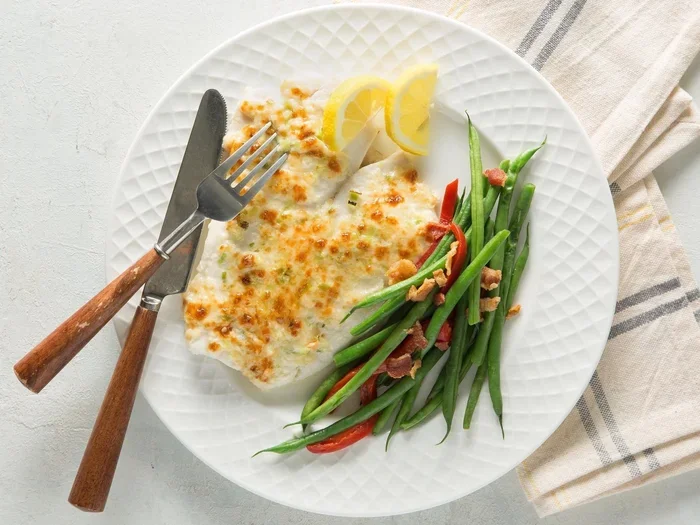
The fish is done when it reaches an internal temperature of 145°F and flakes easily with a fork. The flesh should be opaque and moist, not translucent or mushy. Juicy fillets will have a slight give when pressed gently with your finger.
Remove the pan from the oven immediately. The residual heat continues to cook the fish, so pulling it out a little early is better than waiting too long. Serve the broiled flounder right away for the best texture and flavor.
Common Mistakes That Ruin Broiled Flounder
Even experienced cooks can make small errors that affect the result. Avoid these pitfalls to get perfect oven-broiled fish every time.
Overcooking the Fish
The biggest mistake with broiling fish is leaving it in too long. Flounder is very thin and dries out quickly. Overcooked flounder fillets become tough and chalky. Use a timer and check the fish a minute before the recommended broiling time ends. If the fish flakes easily and is opaque throughout, it’s done.
Skipping the Preheating Step
A cold oven means the fish steams instead of broils. Always preheat the broiler for at least 5 minutes. This ensures the top element is fully hot and ready to sear the surface, creating that appealing golden crust without sticking.
Using the Wrong Pan
Dark pans absorb too much heat and can burn the delicate white fish. Stick to a light-colored broiler pan or a shiny baking sheet lined with foil. If you’re using a baking sheet, elevate the fillets on a wire rack for better air circulation.
Not Drying the Fillets
Excess moisture on the surface creates steam, which prevents a crisp exterior. Always pat the flounder fillets dry with paper towels before seasoning and placing them in the oven. This simple step makes a noticeable difference in the final texture.
Serving and Storing Broiled Flounder
Broiled flounder is delicious on its own, but pairing it with the right sides elevates the meal. Here are some ideas for serving and storing leftovers.
Best Side Dishes
- Roasted asparagus: Toss asparagus with olive oil, salt, and pepper, then roast at 400°F for 10 minutes.
- Lemon rice: Cook white rice with lemon zest and a splash of lemon juice for a bright, light side.
- Quinoa pilaf: Quinoa with diced cucumber, cherry tomatoes, and fresh herbs adds a healthy, crunchy contrast.
- Mixed greens salad: A simple salad with a light vinaigrette balances the rich, buttery flavor of the fish.
- Steamed vegetables: Broccoli, green beans, or zucchini steamed until tender make a quick, nutritious pairing.
Keep the sides light and fresh to complement the delicate flounder recipe. Heavy sauces or rich casseroles can overwhelm the subtle taste of the fish.
Leftover Storage Tips
Store leftover broiled flounder in an airtight container in the refrigerator. It stays fresh for up to 2 days. Reheat gently in the oven at 300°F for 5–8 minutes, or warm it in a skillet with a little oil over low heat. Avoid microwaving, which can make the fish rubbery and dry.
If you have a large batch, consider freezing the cooked fillets. Place them in a single layer on a baking sheet, freeze until solid, then transfer to a freezer bag. Use within 2 months for the best quality. Thaw overnight in the refrigerator before reheating.
Final Thoughts
Mastering how long to broil flounder fillets in oven is easier than you think. With the right timing, a hot broiler, and a few simple seasonings, you can enjoy a delicious, healthy meal any night of the week. The key is to watch the fish closely, use a timer, and pull it out as soon as it flakes easily.
Try this broiled flounder recipe tonight and taste the difference that proper broiling technique makes. Whether you’re cooking for one or feeding a family, oven-broiled fish is a quick, elegant solution for busy evenings. Your family will ask for it again and again.
Now that you know the exact broiling time and setup, you’re ready to create perfect flaky fillets every time. Happy cooking!
Frequently Asked Questions
Can I broil flounder fillets from frozen?
It’s best to thaw flounder fillets before broiling. Frozen fish cooks unevenly and may release excess moisture, which prevents a crispy golden crust. Thaw the fillets overnight in the refrigerator or use the cold-water method for quicker defrosting.
What temperature should the oven be set to for broiling flounder?
Set the oven to broil on high. Most ovens run at around 500–550°F on the broil setting. The intense top heat quickly sears the surface of the flounder fillets, creating a beautiful crust while keeping the inside tender.
How do I know when broiled flounder is done?
The fish is done when it reaches an internal temperature of 145°F and flakes easily with a fork. The flesh should be opaque and moist, not translucent. The top should look golden and slightly caramelized.
Can I use a regular baking sheet instead of a broiler pan?
Yes, but line the baking sheet with foil or parchment and place a wire rack on top. This elevates the fish and prevents it from sitting in grease, which can cause burning. A broiler pan is ideal, but a rack on a baking sheet works well too.
Is broiled flounder healthy?
Absolutely. Broiling is a low-fat cooking method that doesn’t require added oil. Flounder is a lean white fish rich in protein and low in calories. Pair it with vegetables and whole grains for a balanced, nutritious meal.
How long can I store leftover broiled flounder?
Store leftover broiled flounder in an airtight container in the refrigerator for up to 2 days. Reheat gently in the oven at 300°F to keep the fish moist. Avoid microwaving, which can dry out the delicate flaky fillets.