Are Aluminum Trays Oven Safe Heres What You Need To Know
Are aluminum trays oven safe? The answer is yes, but with some important conditions. Using aluminum trays oven safe practices ensures your food cooks evenly and your trays last longer. This guide covers everything you need to know about aluminum trays oven safe temperatures, benefits, risks, and best practices.
You have an aluminum tray sitting in your kitchen. Maybe it came with a takeout order. Maybe it is a disposable baking pan you grabbed at the store. And now you are staring at your oven, wondering, “Can I put this in there?”
Are aluminum trays oven safe? The short answer is yes. But the full answer is a little more nuanced than a simple yes or no. There are temperature limits, material differences, and a few safety tips you should know before you slide that tray into your oven safe cooking setup.
This guide breaks down everything you need to know. We will cover how aluminum trays handle heat, what the benefits are, what risks to watch out for, and exactly how to use them safely. By the end, you will feel confident about your next bake or roast.
Aluminum trays are everywhere. They are in our kitchens, our restaurants, and our takeout bags. They are lightweight, affordable, and surprisingly versatile. But versatility does not always mean safety, especially when heat is involved. Let us dive into the details so you can cook with confidence.
Key Takeaways
- Yes, aluminum trays are oven safe: They can handle typical baking and roasting temperatures up to 400-450 degrees Fahrenheit.
- Check the manufacturer’s guidelines: Not all aluminum trays are created equal, and some have specific temperature limits.
- Avoid acidic foods for long cooking times: Tomatoes and citrus can react with aluminum and affect taste.
- Watch for warping: Thin trays may deform at high temperatures, causing uneven cooking.
- Use parchment paper or silicone mats: These prevent sticking and protect the tray surface.
- Discard damaged trays: Bent, dented, or deeply scratched trays should be replaced for safety.
📑 Table of Contents
- What Are Aluminum Trays and Why Are They So Popular
- Are Aluminum Trays Oven Safe? The Definitive Answer
- Benefits of Using Aluminum Trays for Baking
- Potential Risks and Safety Concerns to Know
- Best Practices for Using Aluminum Trays in the Oven
- Types of Aluminum Trays and Their Oven Suitability
- Final Verdict: Are Aluminum Trays Worth Using
What Are Aluminum Trays and Why Are They So Popular
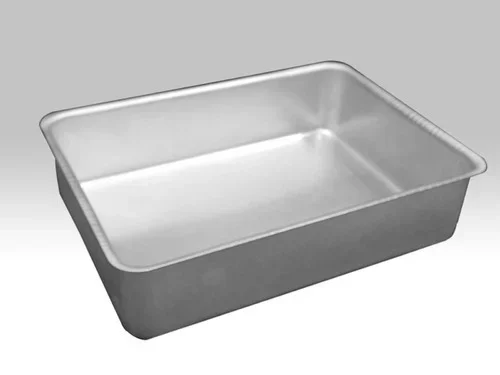
Aluminum trays are shallow, flat containers made from aluminum metal. They come in all shapes and sizes. You will find them as disposable baking pans, reusable roasting trays, and even fancy aluminum baking dish options for serious home cooks.
They are popular for a few key reasons. First, they are incredibly lightweight. You can carry a full tray of food without straining your wrist. Second, they conduct heat very well. Aluminum spreads heat evenly across the surface, which means your food cooks more consistently. Third, they are affordable. You can buy a pack of disposable aluminum trays for just a few dollars.
People use aluminum trays for all kinds of cooking tasks. You might use one for roasting vegetables, baking cookies, cooking a casserole, or even grilling fish. Their aluminum tray uses are wide and varied. And because they are available at almost every grocery store, they are incredibly convenient.
But convenience does not always equal safety. That is why it is so important to understand exactly how aluminum trays behave in the oven. Not every tray is the same, and not every oven is the same either.
Are Aluminum Trays Oven Safe? The Definitive Answer
Are aluminum trays oven safe? Yes, most aluminum trays are perfectly safe to use in the oven. They are one of the most common oven safe cookware options available. But there is a catch. The safety of your tray depends on several factors, including the tray’s thickness, the oven temperature, and how long you plan to cook.
The general rule of thumb is that standard aluminum trays can handle temperatures up to 400 to 450 degrees Fahrenheit. This covers most baking and roasting needs. However, some thinner disposable trays may start to warp or lose their shape at higher temperatures. Always check the manufacturer’s label if one is available.
Understanding Oven-Safe Temperatures for Aluminum
Not all aluminum trays are built the same way. Thicker, heavy-duty aluminum trays can withstand higher oven temperatures than thin, flimsy ones. Here is a simple breakdown:
- Standard disposable aluminum trays: Safe up to about 400 degrees Fahrenheit. These are the thin trays you often get with takeout food.
- Heavy-duty aluminum baking pans: Safe up to 450 to 500 degrees Fahrenheit. These are thicker and more rigid.
- Commercial-grade aluminum trays: Can handle even higher temperatures, sometimes up to 550 degrees Fahrenheit.
If you are unsure about your tray’s limit, stick to temperatures below 400 degrees Fahrenheit. This is a safe range for almost any aluminum tray. Going above that without knowing your tray’s limits can lead to warping or, in rare cases, leaching.
Why Temperature Matters for Aluminum Trays
Aluminum is a great conductor of heat, but it is also soft compared to metals like stainless steel. At very high temperatures, thin aluminum trays can warp. Warping means the tray bends or buckles, which causes uneven cooking. Your food might burn on one side and stay raw on the other.
Warping is not a safety hazard in most cases, but it is frustrating. You will end up with unevenly cooked food and a tray that no longer sits flat in your oven. To avoid this, always place your tray on a baking sheet or oven rack that supports the edges evenly.
Benefits of Using Aluminum Trays for Baking
Using aluminum trays oven safe methods comes with several real advantages. Here is why so many home cooks reach for aluminum trays.
Excellent Heat Conductivity
Aluminum heats up quickly and spreads that heat evenly. This means your food cooks more uniformly compared to some other materials. When you place a tray of cookies in the oven, the aluminum ensures every cookie gets the same amount of heat. No hot spots, no cold corners.
Lightweight and Easy to Handle
One of the biggest advantages of aluminum is how light it is. A full tray of roasted chicken or baked pasta is easy to move from the oven to the counter. This is especially helpful when you are cooking for a crowd and need to juggle multiple dishes.
Affordable and Disposable Options
Disposable aluminum trays are incredibly cheap. You can buy a large pack for just a few dollars. This makes them perfect for casual entertaining, potlucks, and meal prep. You use them once and toss them out. No washing, no scrubbing, no storage headaches.
Recyclable and Eco-Friendly
Aluminum is one of the most recyclable materials on the planet. Even if you use a disposable tray, you can recycle it after use. This makes aluminum trays a more environmentally friendly choice compared to plastic containers that often end up in landfills.
Versatile Cooking Options
You can use aluminum trays for baking, roasting, grilling, and even broiling. They work in conventional ovens, convection ovens, and even on the grill. This versatility makes them a staple in many kitchens, both home and professional.
Potential Risks and Safety Concerns to Know
While aluminum trays are generally safe, there are a few risks you should be aware of. Knowing these risks helps you use your trays more safely and get better results.
Warping and Deformation at High Heat
As mentioned earlier, thin aluminum trays can warp at high temperatures. A warped tray wobbles in the oven and cooks food unevenly. In some cases, a warped tray can also spill hot liquid, which is a burn risk.
To prevent warping, avoid placing thin trays directly on the oven rack without support. Use a baking sheet underneath for stability. Also, avoid sudden temperature changes, like putting a cold tray straight into a hot oven. Let the tray come to room temperature first.
Chemical Leaching with Acidic Foods
This is one of the most talked-about concerns with aluminum. When you cook acidic foods like tomatoes, lemon juice, or vinegar-based sauces in aluminum for a long time, the acid can react with the metal. This reaction can cause a small amount of aluminum to leach into your food.
Now, before you panic, the amount is generally very small. The food safe aluminum standards consider this level safe for most people. However, if you have concerns about aluminum exposure, you can take simple precautions. Line your tray with parchment paper or use a silicone baking mat. This creates a barrier between the food and the aluminum surface.
Reactive vs. Non-Reactive Aluminum
Most standard aluminum trays are reactive, meaning they can interact with acidic or alkaline foods. Anodized aluminum trays are different. The anodizing process creates a hard, non-reactive surface that resists corrosion and prevents leaching. Anodized trays are a great option if you want to cook acidic foods safely.
If you are unsure whether your tray is anodized, check the packaging or product description. Anodized aluminum trays are often labeled as “hard anodized” or “non-reactive.”
Burn Risks from Thin Edges
Thin aluminum trays can heat up very quickly, especially at the edges. If you grab a tray without oven mitts, you can easily burn your hands. Always use thick oven mitts or heat-resistant gloves when handling aluminum trays straight from the oven.
Best Practices for Using Aluminum Trays in the Oven
Using aluminum trays safely is not complicated. A few simple habits can make a big difference in both safety and cooking quality.
Preheat Your Oven Before Adding the Tray
Never place a cold aluminum tray into a preheated oven. The sudden temperature change can cause the tray to warp. Instead, put the tray in the oven first, then turn on the heat. Or let the tray sit at room temperature while the oven preheats.
Use Parchment Paper or Silicone Mats
Lining your aluminum tray with parchment paper or a silicone baking mat does two things. It prevents food from sticking, and it creates a barrier that reduces any potential aluminum leaching. This is especially important when you are baking acidic foods like tomato-based casseroles or lemon bars.
Avoid Overcrowding the Tray
Overcrowding leads to uneven cooking. Give your food some space so heat can circulate properly. For roasted vegetables, spread them out in a single layer. For baked goods, follow the recipe instructions for spacing.
Do Not Use Damaged or Warped Trays
If your aluminum tray is bent, dented, or deeply scratched, it is time to replace it. A damaged tray can cook unevenly and may not sit flat in the oven. In extreme cases, a warped tray can tip over and spill hot food.
Keep an Eye on Cooking Times
Because aluminum heats up quickly, food can sometimes cook faster than you expect. Set a timer and check your food a few minutes before the recommended cooking time. This helps prevent overcooking or burning.
Hand Wash Reusable Trays
If you have a reusable aluminum tray, hand wash it with mild soap and warm water. Avoid using abrasive scouring pads, as they can scratch the surface. Scratches can make the tray more prone to reacting with food and can also affect its appearance over time.
Types of Aluminum Trays and Their Oven Suitability
Not all aluminum trays are the same. Understanding the different types helps you choose the right one for your cooking needs.
Disposable Aluminum Foil Trays
These are the lightweight, thin trays you often find at grocery stores or delis. They are great for short-term cooking and reheating. They are safe for oven use at moderate temperatures, but they are not ideal for very high heat or long cooking times. They can warp easily and may not hold up well under heavy food loads.
Heavy-Duty Aluminum Baking Pans
These are thicker, sturdier trays designed for repeated use. They can handle higher temperatures and are much less likely to warp. If you bake regularly, investing in a good heavy-duty aluminum baking pan is a smart move. Look for pans that are at least 0.03 inches thick for the best performance.
Anodized Aluminum Trays
Anodized trays are treated to create a hard, non-reactive surface. They are the safest option for cooking acidic foods and are more durable than standard aluminum. They are also easier to clean and maintain. If you use your aluminum trays frequently, anodized options are worth the extra cost.
Aluminum Foil Sheets
You can also use regular aluminum foil to line a baking sheet or create a custom tray shape. Foil is safe for oven use up to about 400 degrees Fahrenheit. However, avoid using foil to line the bottom of your oven, as it can trap heat and damage the oven’s heating elements.
Comparison Table: Types of Aluminum Trays
Here is a quick comparison to help you choose the right tray for your needs.
- Disposable Foil Trays: Best for reheating and short cooks. Thin, lightweight, and affordable. Not ideal for high heat.
- Heavy-Duty Baking Pans: Best for regular baking and roasting. Thick, durable, and reusable. Handles high temperatures well.
- Anodized Aluminum Trays: Best for cooking acidic foods. Non-reactive surface, very durable. Pricier but long-lasting.
- Aluminum Foil Sheets: Best for lining and wrapping. Flexible and disposable. Good for wrapping food for grilling or roasting.
Final Verdict: Are Aluminum Trays Worth Using
Are aluminum trays oven safe? Yes, they absolutely are. Aluminum trays are one of the most practical and versatile tools you can have in your kitchen. They heat up fast, cook evenly, and are easy to use. Whether you are baking cookies, roasting vegetables, or reheating last night’s dinner, aluminum trays get the job done.
The key is to use them wisely. Stick to recommended temperatures, avoid cooking acidic foods for extended periods, and replace trays that are damaged or warped. With these simple precautions, your aluminum trays will serve you well for many meals to come.
Aluminum trays oven safe cooking is not just possible, it is common practice in kitchens around the world. The trick is knowing your tray, understanding your oven, and following a few basic safety guidelines. Once you do, you can cook with confidence and enjoy great results every time.
So the next time you pull an aluminum tray out of your cabinet, do not hesitate. Pop it in the oven and get cooking. Just remember what you have learned here, and you will be perfectly fine. Happy cooking!
Frequently Asked Questions
Can I put an aluminum tray in a convection oven?
Yes, aluminum trays are safe to use in convection ovens. The fan in a convection oven circulates hot air, which actually helps cook food more evenly on aluminum surfaces. Just make sure your tray is not so thin that the fan’s airflow causes it to tip or slide on the rack.
Is it safe to cook tomatoes in an aluminum tray?
It is generally safe for short cooking times, but acidic foods like tomatoes can react with aluminum over long periods. For best results, line your tray with parchment paper or use an anodized aluminum tray. This prevents any metallic taste and keeps your food tasting fresh.
What temperature is too hot for aluminum trays?
Most standard aluminum trays are safe up to 400 to 450 degrees Fahrenheit. Going above 500 degrees Fahrenheit with thin trays can cause warping or damage. Always check the manufacturer’s guidelines and avoid sudden temperature changes.
Can I reuse disposable aluminum trays?
You can reuse disposable aluminum trays if they are not too damaged. However, they are thinner and more prone to warping than heavy-duty trays. For best results and safety, use them a few times at most and replace them when they show signs of wear.
Why does my aluminum tray turn black in the oven?
Discoloration is normal and happens from repeated heating. It does not affect the safety of the tray. However, if the tray is deeply scratched or has rough, flaking spots, it is best to replace it. Build-up on the surface can affect cooking performance.
Are aluminum trays safe for baby food or sensitive diets?
For most people, cooking in aluminum trays is perfectly safe. However, if you are preparing food for someone with a specific health condition or dietary concern, you may want to use anodized aluminum or line the tray with parchment paper. This minimizes any potential aluminum transfer to the food.