Oven Smells Burnt When Turned On And How To Fix It Now
An oven that smells burnt when turned on is a common problem with several easy-to-fix causes. Whether it’s leftover food, burning plastic, or a faulty heating element, understanding the source is the first step. This guide covers every reason your oven might smell burnt and gives you clear, actionable fixes you can do right now. You will learn how to remove stubborn odors, prevent future smells, and know when to call a professional. Read on to make your kitchen fresh and safe again.
Nothing ruins a good cooking mood faster than opening your oven and getting hit with a strong burnt smell. You just turned it on, and suddenly your kitchen feels like you scorched a pizza crust to a crisp. The good news is that this problem is incredibly common, and in most cases, it is easy to fix.
When your oven smells burnt when turned on, it usually means something inside needs attention. It could be a simple food spill you forgot about. Or it might be something more serious like a damaged heating element or a piece of plastic left on the oven floor. Either way, ignoring the smell is not a good idea. A persistent burnt odor can affect the taste of your food and, in worst cases, point to a safety hazard.
This guide walks you through every possible reason your oven gives off a burnt smell. You will find clear, step-by-step fixes for each cause. We also share prevention tips so the problem does not come back. Whether your oven is brand new or has been in your kitchen for years, you will find answers here.
Key Takeaways
- Food Residue Is the #1 Culprit: Spills and crumbs left inside the oven are the most common reason for a burnt smell when you turn it on.
- New Ovens Need Prep: A burning smell from a new oven is normal and usually goes away after a few preheat cycles.
- Plastic and Rubber Mean Stop Using It: If you smell burning plastic or rubber, turn off the oven immediately and inspect for foreign objects.
- Regular Cleaning Prevents Odors: A simple cleaning routine after every use keeps burnt smells from building up over time.
- Some Problems Need a Pro: Electrical burning smells or gas odors are serious and require professional attention right away.
- Natural Deodorizers Work Wonders: Vinegar and baking soda are safe, effective ways to neutralize lingering oven odors.
- Preheating Empty Ovens Helps: Running a clean oven at high heat before cooking removes residual smells from manufacturing.
📑 Table of Contents
Why Your Oven Smells Burnt When Turned On
A burning smell from oven use can come from many different places. Before you try any fix, it helps to understand what is causing it. Each cause has a distinct smell and a different level of urgency. Let us break them down so you can identify the problem fast.
Food Residue and Grease Buildup
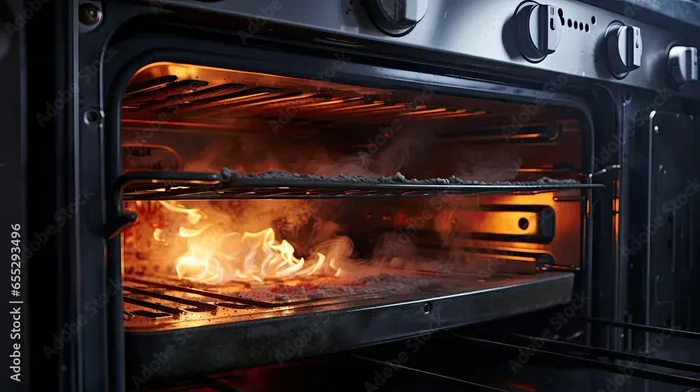
This is the number one reason ovens smell burnt. Over time, tiny food particles and grease splatters coat the inside of your oven. When you turn the oven on, these residues heat up and burn. The result is that familiar acrid, smoky smell that fills your kitchen.
Even if you wipe down your oven after every use, tiny bits of food stick to the walls and floor. These bits build up slowly. One day you turn on the oven, and boom, there is that burnt smell again. This is especially common after roasting or broiling, which tend to produce more drips and spills than baking.
Burning Plastic or Rubber
If your oven smells like burning plastic, that is a different story. Plastic packaging, oven bags, or even a piece of a utensils left on the oven floor can melt and produce a sharp, chemical-like smell. This smell is often stronger and more unpleasant than food-related burning.
Rubber seals around the oven door can also be a source. Over time, the heat can cause the rubber to degrade and give off a burnt rubber odor. While this is usually not an emergency, it does mean something needs to be removed or replaced.
Electrical Burning Smell
This is the most serious cause of a burnt smell from oven use. An electrical burning smell often smells sharp, metallic, or like hot wiring. It usually means something is wrong with the oven’s internal wiring, the control board, or the heating element itself.
If you notice this type of smell, turn off the oven immediately. Do not keep using it. Electrical issues can lead to fire hazards, and they are not something you should try to fix yourself unless you are a trained technician.
New Oven Smell
If you just bought a new oven, a slight burning smell during the first few uses is completely normal. Manufacturing residues, oils from the production process, and protective coatings on the interior surfaces can all produce a smoky odor when heated for the first time.
This new oven smell typically goes away after three to five preheat cycles at a high temperature. It is not harmful and usually fades quickly. However, if the smell persists beyond the first few uses, contact the manufacturer or check for any packaging materials left inside the oven cavity.
Burning Dust After Storage
Ovens that have been sitting unused for a while tend to collect dust on the heating elements and interior walls. When you first turn the oven on after a long break, that dust burns off and creates a smoky smell. This is very common in seasonal ovens or after long periods of non-use.
The smell usually goes away within 15 to 20 minutes of preheating. If it does not, there may be something else going on that is worth investigating further.
Common Causes of a Burnt Smell From Your Oven
Now that you know the main categories, let us look at the specific causes in more detail. Understanding exactly what triggers the smell helps you choose the right fix.
Spilled Food During Cooking
Sauces, oils, and sugary foods can drip onto the oven floor or bottom walls. When these spills hit the hot surface, they carbonize and burn. This is one of the most frequent reasons people experience an oven burning smell during or after cooking.
Foods like pasta sauce, cheese, and sugary marinades are the worst offenders. They stick to the surfaces and turn into hard, blackened residue that burns easily the next time you use the oven.
Clogged or Dirty Heating Elements
The heating elements at the top and bottom of your oven can collect food debris and grease over time. When these elements get hot, they burn off whatever is stuck to them. This produces a strong burnt smell that can linger for a while.
If your oven smells like burning food every time you preheat, dirty heating elements are a likely suspect. Cleaning them regularly can make a huge difference in how your oven smells during use.
Self-Cleaning Cycle Residue
Many modern ovens have a self-cleaning feature that heats the interior to extremely high temperatures to burn off food residue. While this is effective, it can sometimes leave behind a smoky smell. The ash left behind after a self-cleaning cycle can produce a faint burnt odor if not wiped away properly.
Some ovens also smell worse during the self-cleaning cycle than they do normally. This is because the extreme heat is burning off everything at once, which releases more smoke and odor than a gradual buildup would.
Faulty Oven Insulation
Over time, the insulation inside your oven door can break down. When this happens, it may produce a burning smell that smells like insulation or fiberglass. This is a sign that the oven needs repair, and it should not be ignored.
A damaged insulation layer can also reduce the oven’s efficiency, causing it to use more energy and heat unevenly. If you suspect this is the issue, it is time to call in a professional.
How To Fix a Burnt Smell in Your Oven
Now for the part you have been waiting for, how to actually fix the problem. Below are practical solutions for each type of burnt smell. You can try most of these yourself with items you already have at home.
Step 1: Clean the Interior Thoroughly
The first and most important fix is a deep clean. Remove the oven racks and soak them in warm, soapy water. Use a non-abrasive cleaner to wipe down the interior walls, floor, and ceiling of the oven. Pay special attention to the areas around the heating elements where food residue tends to build up the most.
For tough, baked-on grime, make a paste out of baking soda and water. Apply it to the stained areas, let it sit for 15 to 20 minutes, then scrub gently with a damp cloth. This natural cleaner is safe for your oven and very effective at cutting through grease and carbonized food.
Step 2: Run a Vinegar and Water Steam Clean
After scrubbing, place a heat-safe bowl filled with equal parts white vinegar and water on the oven floor. Heat the oven to 200 degrees Fahrenheit for about 30 minutes. The steam will loosen any remaining residue and help neutralize odors.
This trick is one of the best ways to remove a lingering burnt smell from oven interiors. The vinegar acts as a natural deodorizer and leaves your oven smelling fresh instead of smoky.
Step 3: Check the Heating Elements
Inspect the top and bottom heating elements for damage. Look for cracks, discoloration, or areas where the element is glowing unevenly. A damaged heating element should be replaced. You can buy replacement elements online or from your local appliance store, and many models are easy to swap out yourself.
Before replacing any element, always unplug the oven or turn off the circuit breaker. Safety comes first when working with electrical appliances.
Step 4: Remove Any Foreign Objects
Check the oven floor, corners, and around the door seal for any bits of plastic, foil, or packaging material. Even a small piece of aluminum foil touching a heating element can melt and produce a strong burning plastic smell.
Also check the area around the oven vent. Sometimes small items fall behind or beside the oven and get heated up, causing an unexpected odor.
Step 5: Ventilate Your Kitchen
After cleaning or fixing the source of the smell, open your windows and turn on the exhaust fan. Fresh air circulation helps clear out any remaining odor quickly. If the smell persists after cleaning, running a fan and opening windows for an hour or two usually does the trick.
Comparison: DIY Fixes vs. Professional Help
| Issue | DIY Fix | Call a Pro |
|---|---|---|
| Food residue and grease | Deep clean with baking soda and vinegar | Not usually needed |
| Burning plastic smell | Remove the object and wipe down | If plastic has melted into vents |
| Electrical burning smell | Turn off the oven immediately | Always call a professional |
| New oven smell | Run 3-5 preheat cycles | If smell persists after 5 cycles |
| Damaged heating element | Replace the element yourself | If you are not comfortable with electrical work |
| Broken insulation | Not a DIY fix | Call a professional immediately |
Preventing Burnt Smells in Your Oven
Prevention is always easier than fixing a problem after it happens. A few simple habits can keep your oven smelling clean and fresh every time you use it.
Clean After Every Use
Get into the habit of wiping down your oven after each use. While you do not need to do a deep clean every time, a quick wipe of any spills or splatters goes a long way. Use a damp cloth and a mild cleaner to remove fresh residue before it has a chance to bake on.
This simple habit prevents the buildup that causes most burnt smells. Five minutes of cleaning after cooking can save you from a 30-minute deep clean later on.
Use Oven Liners and Mats
Oven liners are thin, heat-resistant mats that sit on the bottom of your oven. They catch drips and spills before they reach the oven floor, making cleanup much easier. These liners are inexpensive and can be washed and reused dozens of times.
Just make sure the liner you buy is rated for your oven’s maximum temperature. Never place a liner on or near the heating elements, as this can cause it to melt and create a whole new burning smell problem.
Preheat with a Clean Oven
Before using a new oven or after a thorough cleaning, run an empty preheat cycle at 400 degrees Fahrenheit for about 30 minutes. This helps burn off any remaining manufacturing residues or cleaning product traces.
Many people skip this step and wonder why their new oven smells a bit off during the first cook. A single empty preheat cycle makes a big difference and is one of the best oven maintenance tips you can follow.
Avoid Overcrowding the Oven
Overcrowding your oven traps steam and prevents proper air circulation. This can cause food to burn more easily and create more spills and drips. Give your dishes enough space so hot air can flow around them freely.
As a rule of thumb, leave at least two inches of space between pans and the oven walls. This not only reduces burning but also helps your food cook more evenly.
Regularly Inspect Door Seals and Elements
Check the rubber seals around your oven door every few months. If they look cracked, worn, or discolored, it is time to replace them. Damaged seals let heat escape and can cause hot spots that lead to burning smells.
Also, visually inspect the heating elements every few months. Look for any signs of wear, cracking, or discoloration. Catching these issues early prevents bigger problems down the road.
When To Call a Professional
Most burnt oven smells are harmless and easy to fix at home. But some situations require the expertise of a trained appliance technician. Knowing when to call for help can keep you safe and prevent minor issues from becoming major repairs.
If you ever smell something like burning electrical insulation, stop using the oven immediately. This type of smell often indicates a wiring problem or a failing control board. Continuing to use the oven in this condition is dangerous and can lead to electrical fires.
Another reason to call a pro is if you smell gas. A gas leak smell is very different from a burnt smell. If you detect a sulfur or rotten egg odor near your oven, evacuate the area and contact your gas company right away. Do not flip any switches or use any electrical appliances until the leak has been confirmed as resolved.
Also, if you have tried all the DIY fixes and the burnt smell persists for more than a week, it is time to schedule a professional inspection. A technician can identify hidden issues like internal wiring problems, damaged insulation, or faulty sensors that are not visible from the outside.
Expert Insight: According to appliance repair professionals, most oven burning smell complaints are caused by simple neglect, not serious mechanical failure. A consistent cleaning routine resolves the issue in over 80% of cases. Regular maintenance not only prevents odors but also extends the life of your oven significantly.
Quick Tips and Common Mistakes
Quick Tips to Eliminate Oven Odors Fast
- Use lemon water: Place a bowl of water with sliced lemons in the oven and heat at 200 degrees for 20 minutes. This leaves a fresh citrus scent behind.
- Keep a box of baking soda in the oven: When not in use, an open box of baking soda absorbs lingering odors naturally.
- Never use abrasive scrubbers on the interior: Scratches can trap food particles and make odors worse over time.
- Clean the drip tray regularly: The drip tray collects all the debris that falls from your food. Emptying it frequently prevents burnt buildup.
- Run a steam clean before the self-clean cycle: A quick steam clean loosens grime so the self-cleaning cycle works more effectively.
Common Mistakes People Make
Mistake 1: Ignoring the smell. Many people notice a burnt odor and just open a window and wait it out. While this works temporarily, it does not address the root cause. The smell will come back every time you use the oven until you fix the underlying problem.
Mistake 2: Using harsh chemical cleaners inside the oven. Strong chemical cleaners can leave behind a residue that produces its own fumes when heated. Stick to mild, food-safe cleaners like baking soda and vinegar for the interior.
Mistake 3: Not checking for foreign objects. It is easy to forget that a piece of aluminum foil or a plastic bag wrapper might be sitting on the oven floor. Always do a quick visual check before turning the oven on, especially if you have just finished cooking.
Mistake 4: Skipping the self-cleaning aftermath. After a self-clean cycle, many people close the oven door and move on. But the ash left behind needs to be wiped out. If you leave it, the next time you heat the oven, that ash can produce a smoky smell.
Mistake 5: Using the wrong oven liner. Not all oven liners are heat-resistant enough for every oven. Using a liner that melts at a lower temperature than your oven can reach will create a whole new set of problems, including a persistent burnt plastic smell.
The bottom line: An oven that smells burnt when turned on is almost always fixable. The key is identifying the cause quickly and taking action. Whether it is a simple cleaning job, a new oven break-in period, or a sign of a more serious issue, you now have the knowledge to handle it confidently.
Conclusion
A burnt smell from oven use is frustrating, but it is rarely a sign of something irreversible. Most of the time, the culprit is simple food residue, grease buildup, or a forgotten piece of foil. With the cleaning methods and prevention tips shared in this guide, you can eliminate the odor and keep your oven smelling fresh.
Remember to clean your oven regularly, inspect the heating elements, and never ignore a strong electrical or gas smell. These are your cues to call a professional. For everything else, the DIY fixes in this article should get the job done quickly and safely.
Your oven is one of the most-used appliances in your home, and it deserves regular care. A little maintenance goes a long way in preventing burnt smells and keeping your kitchen a pleasant place to cook. Take action today, and your nose will thank you the next time you turn on that oven for your favorite recipe.
Frequently Asked Questions
Why does my oven smell burnt even after I clean it?
Even after cleaning, burnt smells can linger if food residue is stuck in hard-to-reach areas like behind the heating elements or under the oven floor. Try a steam clean with vinegar and water to lift hidden grime. Also, check if the heating elements themselves are dirty or damaged, as they can continue to produce odors even when the interior looks clean.
Is it safe to use an oven that smells like burning plastic?
No, it is not safe to keep using the oven if you smell burning plastic. Turn it off immediately and let it cool. Inspect the interior for any melted plastic, packaging material, or foreign objects. If you find melted plastic stuck to the heating elements or interior walls, do not attempt to scrape it while the oven is hot. Let it cool completely, then clean carefully or call a professional if needed.
How long does the new oven smell last?
A new oven smell typically lasts for the first three to five uses. Run the oven empty at 400 degrees Fahrenheit for 30 minutes to speed up the process. The odor comes from manufacturing oils and residues that burn off during initial heating. If the smell persists beyond five cycles, contact the manufacturer for guidance.
Can I use oven cleaner to remove a burnt smell?
Yes, commercial oven cleaners can be effective for removing built-up grime that causes burnt smells. However, always choose a cleaner that is safe for food-contact surfaces and make sure to rinse thoroughly. Residue from harsh cleaners can produce its own fumes when the oven is heated. For a safer alternative, baking soda and vinegar work just as well without the chemical fumes.
What should I do if my oven smells like electrical burning?
An electrical burning smell is a serious warning sign. Turn off the oven immediately and unplug it or switch off the circuit breaker. Do not attempt to use the oven again until a qualified technician has inspected it. Electrical burning smells can indicate damaged wiring, a failing control board, or an overheating component. These issues are fire hazards and should never be ignored.
How often should I clean my oven to prevent burnt smells?
A light wipe-down after every use is ideal. A deep clean every one to three months, depending on how often you cook, will keep burnt smells at bay. If you use your oven frequently for roasting or broiling, you may need to clean it more often. Regular maintenance is the best way to prevent odor buildup and keep your oven running efficiently.
=== KEY TAKEAWAYS ===
Key Takeaways
- Food Residue Is the #1 Culprit: Spills and crumbs left inside the oven are the most common reason for a burnt smell when you turn it on.
- New Ovens Need Prep: A burning smell from a new oven is normal and usually goes away after a few preheat cycles.
- Plastic and Rubber Mean Stop Using It: If you smell burning plastic or rubber, turn off the oven immediately and inspect for foreign objects.
- Regular Cleaning Prevents Odors: A simple cleaning routine after every use keeps burnt smells from building up over time.
- Some Problems Need a Pro: Electrical burning smells or gas odors are serious and require professional attention right away.
- Natural Deodorizers Work Wonders: Vinegar and baking soda are safe, effective ways to neutralize lingering oven odors.
- Preheating Empty Ovens Helps: Running a clean oven at high heat before cooking removes residual smells from manufacturing.