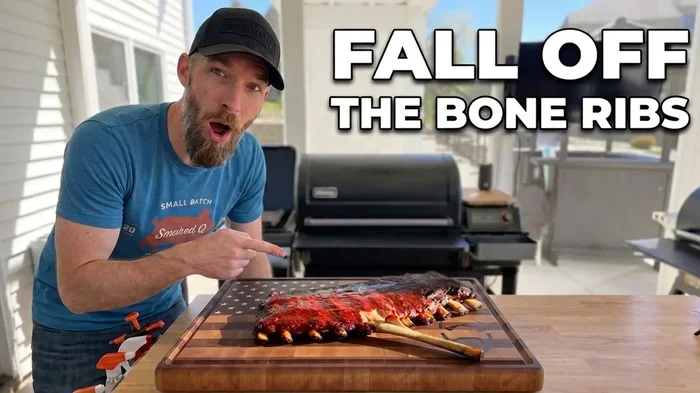
How To Make Soft Ribs In The Oven And Fall Off The Bone
Discover the secrets to making incredibly soft ribs in the oven that literally fall off the bone. This guide covers everything from choosing the right rack of ribs to nailing the low-and-slow oven temperature. You will learn the best rib rub recipes, foil-wrapping tricks, and timing tips for tender, juicy ribs at home.
There is nothing quite like pulling a rack of ribs out of the oven and watching them fall apart at the slightest touch. Soft ribs in the oven are a game-changer for home cooks who want restaurant-quality results without firing up a smoker. Whether you are a beginner or a seasoned griller, learning how to make soft ribs in the oven will change your weeknight dinner routine forever.
The beauty of oven-baked ribs is simplicity. You do not need expensive equipment or hours of babysitting a grill. With the right oven temperature, a solid rib rub, and a little patience, you can create fall-off-the-bone ribs that rival any barbecue joint. This guide walks you through every step so you get consistent, juicy, and tender results every single time.
Key Takeaways
- Low and slow cooking is the key: Baking ribs at 275°F to 300°F ensures tender, fall-off-the-bone results every time.
- Remove the membrane first: Peeling the thin membrane off the back of the ribs allows better flavor absorption and a more tender bite.
- Foil wrapping matters: Wrapping ribs in foil partway through cooking locks in moisture and speeds up the tenderizing process.
- Use a meat thermometer: Internal temperature of 195°F to 205°F is the sweet spot for perfectly soft ribs.
- Rest your ribs before cutting: Letting ribs rest for 15 to 20 minutes redistributes juices and improves texture.
- A good rib rub makes all the difference: A blend of brown sugar, paprika, garlic powder, and salt creates a flavorful crust.
- Apple cider vinegar adds moisture: Spritzing ribs with a vinegar mixture during cooking keeps them juicy and prevents drying out.
📑 Table of Contents
- Why Oven-Baked Ribs Turn Out So Tender
- Choosing the Right Ribs for Soft Results
- The Best Rib Rub Recipe for Soft Oven Ribs
- Step-by-Step Oven Rib Method
- Tips for Fall-Off-The-Bone Texture
- Common Mistakes to Avoid
- Expert Insights on Oven Ribs
- Pairing Your Soft Ribs with Sides
- How to Know Your Ribs Are Done
- Frequently Asked Questions
- Final Thoughts
Why Oven-Baked Ribs Turn Out So Tender
Understanding the science behind slow cooked ribs helps you appreciate why the oven method works so well. When you cook ribs at a low temperature for a long time, the collagen in the connective tissue breaks down slowly. This transformation is what gives you that tender rib texture you love.
Grilling ribs over high heat can dry them out quickly. The oven, on the other hand, surrounds the meat with gentle, even heat. This oven-braised ribs approach keeps moisture locked inside while the flavors from your rub penetrate deep into the meat. The result is ribs that are soft, juicy, and packed with flavor from edge to edge.
The Role of Collagen in Ribs
Ribs contain a lot of connective tissue, especially around the bones. When you cook them slowly, this collagen converts into gelatin. Gelatin is what gives braised ribs their silky, melt-in-your-mouth quality. If you cook ribs too fast, the collagen does not have time to break down, and you end up with tough, chewy meat.
This is exactly why low and slow cooking is the golden rule for tender ribs. Patience is your best ingredient here. Give the oven time to do its work, and the ribs will reward you.
Choosing the Right Ribs for Soft Results
Not all ribs are created equal. The type of rib you choose affects cooking time, texture, and overall flavor. Let us look at the most popular options for making soft ribs in the oven.
Pork Baby Back Ribs
Baby back ribs are the most popular choice for oven baking. They come from the top of the ribcage near the spine. These ribs are leaner, more tender, and cook faster than other cuts. Most people prefer them for fall-off-the-bone ribs because they have a great meat-to-bone ratio and a naturally soft texture.
Baby back ribs typically take about 3 to 3.5 hours in the oven at 275°F. They are perfect for beginners because they are forgiving and hard to mess up.
Pork Spare Ribs
Spare ribs come from the lower belly of the pig. They are fattier and have more connective tissue than baby backs. This extra fat makes them incredibly flavorful but they need a longer cooking time. Expect about 4 to 5 hours at 275°F for tender spare ribs.
If you love a rich, beefy rib flavor, spare ribs are an excellent choice. Just be prepared for a slightly longer wait.
Beef Ribs
Beef ribs are a fantastic option if you want big, bold flavor. They are larger and meatier than pork ribs. Beef back ribs and beef short ribs both work well in the oven. Because of their size and thicker meat, beef ribs need even more time to become soft and fall-off-the-bone.
Plan for about 5 to 6 hours at 275°F for beef ribs. The extra time pays off with a deeply rich, succulent result.
Bone-In vs Boneless Ribs
Bone-in ribs are the standard choice for oven baking. The bones add flavor and help protect the meat during the long cooking process. Boneless ribs cook faster but can dry out more easily. If you choose boneless, be extra careful about monitoring internal temperature and keeping the ribs moist.
The Best Rib Rub Recipe for Soft Oven Ribs
A great rib rub is the foundation of amazing ribs. The right blend of spices creates a flavorful crust and enhances the natural sweetness of the meat. Here is a simple yet powerful rub that works beautifully for oven-baked ribs.
Classic Brown Sugar Rib Rub
- 2 tablespoons brown sugar — adds sweetness and helps form a beautiful bark
- 1 tablespoon smoked paprika — gives a subtle smoky depth
- 1 tablespoon garlic powder — adds savory richness
- 1 tablespoon onion powder — boosts overall flavor
- 1 teaspoon black pepper — adds a gentle heat
- 1 teaspoon salt — essential for bringing out all the flavors
- 1 teaspoon cumin — adds a warm, earthy note
- 1 teaspoon chili powder — gives a mild kick
Mix all the ingredients together in a small bowl. Generously coat the ribs on both sides with the rub. For the best flavor absorption, apply the rub at least one hour before cooking, or even the night before and refrigerate overnight.
Why Brown Sugar Matters
Brown sugar is a secret weapon for soft oven ribs. It caramelizes during the long cook, creating a sticky, sweet glaze on the outside. This caramelization also helps the rub adhere to the meat, forming that delicious crust barbecue lovers crave.
If you prefer a spicier kick, add extra chili powder or a pinch of cayenne pepper. The beauty of a homemade rub is that you can adjust it to your taste exactly.
Step-by-Step Oven Rib Method
Now let us get into the actual cooking process. This method guarantees fall-off-the-bone ribs in your own kitchen. Follow these steps carefully and you will not be disappointed.
Step 1: Prep the Ribs
Start by removing the thin membrane from the back of the rib rack. This rib membrane is a thin, translucent layer that covers the bone side. It blocks seasoning from reaching the meat and prevents the ribs from becoming tender. Use a butter knife to gently lift one corner, then pull it off with a paper towel for grip.
Next, pat the ribs dry with paper towels. This helps the rub stick better and promotes bark formation during cooking.
Step 2: Apply the Rub
Generously coat all sides of the ribs with your rib rub. Press it into the meat with your hands. Do not be shy — the rub is what creates flavor and texture. Let the ribs sit at room temperature for about 30 minutes before placing them in the oven.
Step 3: Set the Oven Temperature
Preheat your oven to 275°F. This low temperature is the foundation of tender ribs. If your oven runs hot, use an oven thermometer to verify the actual temperature. Consistency matters here.
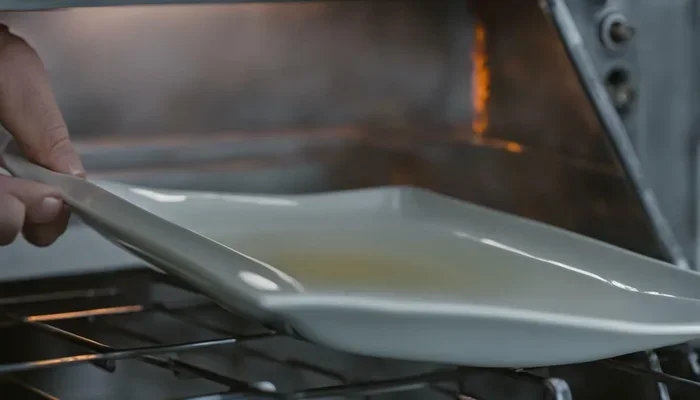
Place the ribs meat-side up on a rack set inside a large baking sheet or roasting pan. The rack allows air to circulate around the meat, which promotes even cooking.
Step 4: Wrap in Foil
After about 2.5 hours of cooking, it is time to wrap the ribs in foil. This technique is sometimes called the Texas crutch. The foil creates a sealed environment that traps steam and moisture, speeding up the breakdown of connective tissue.
Double-wrap the ribs tightly in heavy-duty foil. Add a splash of apple cider vinegar, a tablespoon of apple juice, or a few tablespoons of broth inside the foil before sealing. This extra liquid adds moisture and flavor.
Step 5: Unwrap and Glaze
After wrapping, return the ribs to the oven for another 1 to 1.5 hours. At this point, carefully unwrap the foil and apply your favorite rib sauce or barbecue sauce. Brush it on all sides and return the ribs to the oven uncovered.
Cook for an additional 30 to 45 minutes until the sauce is sticky and caramelized. This final step creates a beautiful glaze that makes your ribs look and taste incredible.
Step 6: Check Internal Temperature
Use a meat thermometer to check the internal temperature. The target range for soft ribs in the oven is between 195°F and 205°F. At this temperature, the collagen has fully broken down and the meat is incredibly tender.
If the ribs are not yet at the right temperature, continue cooking for another 15 to 30 minutes and check again. Do not rush this step.
Step 7: Rest the Ribs
Once the ribs reach the target temperature, remove them from the oven and let them rest for 15 to 20 minutes. This resting period allows the juices to redistribute throughout the meat. If you cut too early, the juices run out and the ribs dry up.
Cover the ribs loosely with foil during resting. This keeps them warm without overcooking them further.
Tips for Fall-Off-The-Bone Texture
Getting fall-off-the-bone ribs consistently requires attention to detail. Here are some pro tips that make a huge difference in your results.
Use the Three-2-1 Method for Spare Ribs
The three-two-one method is a popular technique for spare ribs. You smoke or bake them for 3 hours unwrapped, then 2 hours wrapped in foil, and finally 1 hour unwrapped with sauce. This approach works well in the oven too and ensures perfectly tender ribs every time.
Spritz Regularly
During the unwrapped phase of cooking, spritz the ribs every 30 to 45 minutes with a mixture of apple cider vinegar and apple juice. This keeps the surface moist and helps the rub develop a beautiful bark. A spray bottle works perfectly for this task.
Do Not Skip the Foil Step
Some cooks skip the foil wrapping step to get a tougher bark. While that is a valid preference, if your goal is soft ribs in the oven that fall off the bone, the foil step is essential. It dramatically reduces cooking time and ensures the meat stays moist throughout the process.
Choose the Right Pan
A heavy-duty roasting pan or baking sheet works best. Avoid thin, flimsy pans because they can warp in the oven and cause uneven cooking. A sturdy pan distributes heat evenly and prevents hot spots that could dry out parts of your ribs.
Let the Ribs Cool Slightly Before Cutting
After resting, give your ribs a few extra minutes at room temperature before slicing. This makes it easier to cut clean pieces and prevents the meat from falling apart in messy chunks. Use a sharp knife and cut between the bones, not through the meat.
Store and Reheat Properly
Leftover ribs reheat wonderfully in the oven at 250°F covered with foil. Add a splash of broth or water to keep them moist. Avoid reheating in the microwave, as it tends to make the rubbery and tough. Proper storage means your oven-braised ribs taste almost as good the next day.
Common Mistakes to Avoid
Even experienced cooks make mistakes when baking ribs. Here are the most common errors that prevent you from achieving perfectly soft ribs.
Cooking at Too High a Temperature
The biggest mistake is setting the oven too high. Cooking ribs at 350°F or above dries them out before the collagen has time to break down. Always stick to 275°F to 300°F for the best results. Yes, it takes longer, but the texture is worth the wait.
Skipping the Membrane Removal
That thin membrane on the back of the ribs is a barrier to tenderness. If you leave it on, the ribs will be chewy and the seasoning will not penetrate properly. Always remove it before applying your rib rub.
Not Using a Meat Thermometer
Guessing the doneness of ribs leads to inconsistent results. A meat thermometer takes the guesswork out of cooking. Target 195°F to 205°F for the most tender texture. Without one, you might either undercook or overcook your ribs.
Cutting Too Soon
It is tempting to cut into ribs the moment they come out of the oven. Resist that urge. Resting the ribs allows the juices to settle back into the meat. Cutting too early releases all those juices onto the cutting board instead of keeping them in the ribs where they belong.
Using Too Much Sauce Too Early
Apply sauce only in the last 30 to 45 minutes of cooking. Sugar-based sauces burn quickly at high heat. If you add sauce too early, it will caramelize into a bitter, blackened mess. Keep the sauce for the final stage and brush it on generously.
Overcrowding the Pan
Give your ribs space. Overcrowding the baking sheet blocks airflow and leads to uneven cooking. If you are cooking multiple racks, use separate pans or stagger them on different oven racks.
Expert Insights on Oven Ribs
Professional pitmasters agree that oven ribs can match or even surpass smoker ribs when done correctly. The key is controlling the environment. In an oven, you have complete control over temperature and humidity, which are the two most important factors for tender rib texture.
Many competition barbecue teams actually prefer oven cooking for consistency. You do not have to worry about wind, weather, or temperature fluctuations. The oven provides a stable, predictable environment that produces reliable results every single time.
Another expert tip is to double-wrap the ribs in foil during the steaming phase. Single wrapping can sometimes leak and release the moisture you worked hard to keep inside. Heavy-duty foil or two layers of regular foil solves this problem easily.
Pairing Your Soft Ribs with Sides
Fall-off-the-bone ribs deserve equally great sides. Here are some classic pairings that round out the meal perfectly.
- Coleslaw — the creamy crunch balances the richness of the ribs
- Baked beans — a barbecue classic that complements the smoky flavors
- Cornbread — perfect for soaking up extra sauce and juices
- Grilled corn on the cob — adds a sweet, smoky side dish
- Mac and cheese — the ultimate comfort food pairing
- Roasted vegetables — a lighter option that cuts through the richness
These sides work beautifully with oven-baked ribs because they complement the slow-cooked, smoky flavor profile. Keep the meal simple and let the ribs be the star of the show.
How to Know Your Ribs Are Done
There are three reliable ways to tell when soft ribs in the oven are ready. First, use a meat thermometer and look for 195°F to 205°F internally. Second, do the bend test — pick up one end of the rack with tongs. If the ribs bend and cracks form on the surface, they are done. Third, the meat should have pulled back from the bone tips by about a quarter inch.
When all three signs align, you have perfectly cooked fall-off-the-bone ribs. Trust the process and do not open the oven door too often, as each opening releases heat and extends cooking time.
Frequently Asked Questions
How long does it take to make soft ribs in the oven?
Most ribs take between 3 and 5 hours in the oven at 275°F. Baby back ribs are on the shorter end at about 3 hours, while spare ribs and beef ribs may need up to 5 or 6 hours. The exact time depends on the thickness of the meat and your desired level of tenderness.
Can I cook ribs at 350°F instead of 275°F?
You can, but the results will be different. Higher temperatures cook ribs faster but they tend to be less tender. The low and slow approach at 275°F to 300°F breaks down collagen more effectively, giving you that fall-off-the-bone texture you want.
Do I need to flip the ribs during cooking?
No, you do not need to flip them if you place them meat-side up on a rack. The oven’s surrounding heat cooks the ribs evenly from all directions. Flipping can actually disrupt the bark formation and is unnecessary for oven-baked ribs.
What is the best sauce for oven ribs?
A classic tomato-based barbecue sauce works great for most ribs. If you prefer something sweeter, a honey or brown sugar-based sauce adds a beautiful glaze. Apply the sauce in the last 30 to 45 minutes of cooking to prevent burning and achieve a sticky, caramelized finish.
Can I use frozen ribs for this method?
It is best to thaw ribs before cooking for even results. If you must cook from frozen, add an extra 1 to 2 hours to the cooking time. However, thawed ribs absorb the rub better and cook more consistently, which leads to superior tender ribs.
How do I store leftover ribs?
Let the ribs cool completely, then store them in an airtight container in the refrigerator for up to 4 days. Reheat in the oven at 250°F covered with foil and a splash of broth. This reheating method keeps the ribs moist and prevents them from drying out.
Final Thoughts
Making soft ribs in the oven is one of the most rewarding things you can do in the kitchen. With the right cut, a flavorful rub, and a patient approach to low-and-slow cooking, you will serve up fall-off-the-bone ribs that impress everyone at the table.
The process is simpler than most people think. Remove the membrane, apply a great rub, cook low and slow, wrap in foil, add sauce, and let the oven do the heavy lifting. Follow these steps and you will never go back to dry, tough ribs again.
Now that you know the secrets to perfectly tender ribs, it is time to fire up that oven and give it a try. Your family and guests will be asking for ribs every weekend. Happy cooking!