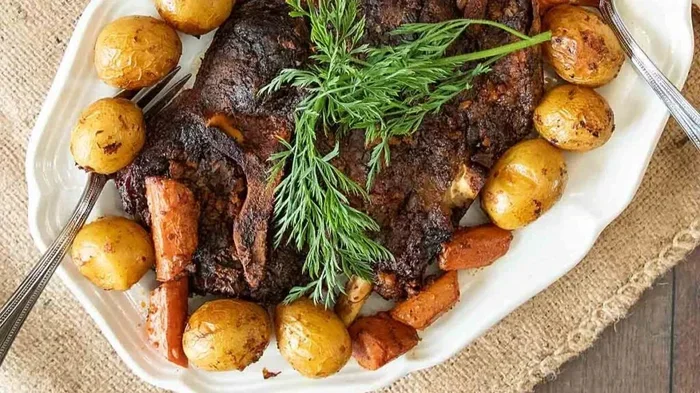
How To Make A Good Roast In The Oven With Easy Tips
Learning how to make a good roast in the oven is simpler than you think. With the right cut, proper seasoning, and steady oven temperature, you can serve a juicy, tender roast that wows everyone at the table. This guide covers every step from choosing your meat to resting and slicing. You will also find quick tips, common mistakes, and practical advice that makes oven roasting easy and fun.
Learning how to make a good roast in the oven is one of the most rewarding cooking skills you can develop. A perfectly roasted piece of meat fills your kitchen with amazing aromas and brings everyone to the table with excitement. Whether you are cooking a beef roast for Sunday dinner or a pork roast for a holiday gathering, the process is easier than most people think. You do not need fancy equipment or years of experience. With a few simple tips and the right approach, you can roast meat like a pro.
This guide walks you through every step of the process. You will learn how to pick the right cut, prepare it properly, set the right oven temperature, and serve a roast that is juicy and full of flavor. We also cover common mistakes to avoid and share quick tips that make a big difference. By the end, you will feel confident enough to roast any cut of meat in your oven with ease.
Key Takeaways
- Choose the Right Cut: Pick a well-marbled roast like beef chuck or pork loin for the best results.
- Sear Before Roasting: Searing locks in juices and adds a flavorful crispy crust.
- Use a Meat Thermometer: This is the single most important tool for a perfectly cooked roast.
- Rest Your Roast: Always let the roast rest for 10 to 20 minutes before slicing.
- Low and Slow Works Wonders: A lower oven temperature gives you a tender, juicy roast every time.
- Avoid Common Mistakes: Skipping the sear, cutting too early, and ignoring resting time are the top errors.
📑 Table of Contents
- Why A Good Roast Makes Every Meal Special
- Choosing The Best Cut For Your Oven Roast
- Essential Prep Work Before You Start
- Setting The Right Oven Temperature And Timing
- How To Keep Your Roast Juicy And Tender
- Common Mistakes That Ruin A Roast
- Serving, Slicing, And Storing Your Roast
- Expert Insights On Roasting Meat
- Key Takeaways
Why A Good Roast Makes Every Meal Special
A great roast is more than just dinner. It is a centerpiece that brings people together. When you pull a perfectly cooked roast out of the oven, the whole house smells incredible. The golden crust, the tender meat, and the rich juices make any meal feel special. Roasting is also a forgiving cooking method. Even if you are a beginner, a slow roast in the oven gives you a wide window of time to get it right.
The beauty of oven roasting is its simplicity. You season the meat, pop it in the oven, and let the heat do the work. There are no fancy techniques required. But there are a few key details that separate a good roast from a great one. Understanding these details is what this guide is all about.
The Science Behind a Great Roast
When you roast meat in the oven, several things happen at once. The dry heat surrounds the meat and slowly cooks it from the outside in. As the surface heats up, the Maillard reaction kicks in. This is the chemical process that creates that beautiful brown crust and deep flavor. Inside, the collagen in the meat breaks down into gelatin, which makes the roast tender and juicy.
Temperature control is everything. Too high, and the outside burns before the inside is cooked. Too low, and the meat never develops a good crust. Finding the right balance is the key to a perfect roast every time. A meat thermometer helps you track the internal temperature and take the guesswork out of cooking.
Choosing The Best Cut For Your Oven Roast
Not all cuts of meat are created equal for roasting. Some cuts are naturally tender and perfect for the oven. Others need a longer cooking time to break down tough fibers. Choosing the right cut is the first step toward a successful roast.
Best Beef Cuts for Roasting
For beef roasts, look for cuts with good marbling. Marbling is the thin streaks of fat running through the meat. These little pockets of fat melt during cooking and keep the roast juicy. Here are some of the best beef cuts for oven roasting:
- Beef Chuck Roast: Affordable, well-marbled, and perfect for slow roasting. It becomes incredibly tender when cooked low and slow.
- Rib Roast: Also known as prime rib, this is a premium cut with rich flavor and a natural tender texture.
- Sirloin Tip Roast: Leaner than chuck but still flavorful. Great for those who prefer less fat.
- Brisket: A larger cut that needs a longer cooking time but rewards you with a melt-in-your-mouth result.
Best Pork and Lamb Cuts for Roasting
Pork and lamb also roast beautifully in the oven. Pork loin and pork shoulder are popular choices. Pork loin stays lean and tender, while pork shoulder has more fat that makes it incredibly juicy. For lamb, a leg of lamb or a shoulder roast works wonderfully. Both develop a savory herb crust when roasted properly.
A Quick Comparison of Popular Roast Cuts
| Cut | Best For | Cooking Time | Difficulty |
|---|---|---|---|
| Beef Chuck Roast | Slow oven roast | 3 to 4 hours | Easy |
| Rib Roast | Quick, tender roast | 1.5 to 2 hours | Medium |
| Pork Loin | Lean, juicy roast | 1.5 to 2 hours | Easy |
| Lamb Leg | Flavorful, herb-roasted | 2 to 3 hours | Medium |
| Beef Brisket | Low and slow roast | 5 to 6 hours | Moderate |
Essential Prep Work Before You Start
Preparation is the foundation of a great roast. Taking the time to prep your meat properly makes a huge difference in the final result. This is where you build flavor and set yourself up for success.
Bring Your Roast to Room Temperature
Take your roast out of the refrigerator about 30 to 45 minutes before cooking. Letting it sit at room temperature helps it cook more evenly. A cold roast going into a hot oven will cook unevenly, with the outside overcooking before the inside is done. This simple step is one of the easiest ways to improve your roast.
Seasoning Your Roast the Right Way
Seasoning is where you can get creative. A basic seasoning blend of salt, pepper, garlic powder, and paprika works well for almost any roast. For a more flavorful approach, try a herb crust made with fresh rosemary, thyme, and rosemary. Rub the seasoning all over the meat, including the sides and ends. The more surface area covered, the more flavorful your crust will be.
Some cooks like to salt their roast the night before and leave it uncovered in the fridge. This technique, called dry brining, draws out moisture and then reabsorbs it, making the meat more flavorful and tender. It is a game-changer for a juicy roast.
Searing Your Meat for Maximum Flavor
Searing is the step many people skip, but it makes a big difference. Searing means cooking the outside of the roast at high heat before it goes into the oven. You do this in a hot, oven-safe pan with a little oil. Sear each side for about 2 to 3 minutes until you get a deep brown crust.
Searing does not seal in juices, despite what many people believe. What it does do is create a rich, savory flavor through the Maillard reaction. That flavorful crust adds depth and complexity to your roast. It is a small step that takes just a few minutes but pays off big time.
Setting The Right Oven Temperature And Timing
Getting the oven temperature right is one of the most important parts of learning how to make a good roast in the oven. Too hot and the outside burns. Too low and the roast takes forever. The sweet spot depends on the cut of meat and how much time you have.
The Low and Slow Approach
For tougher cuts like chuck roast or brisket, a low oven temperature of 275°F to 300°F works best. This slow cooking method breaks down the tough collagen fibers and turns them into gelatin. The result is a tender, fall-apart roast that is full of juice. A slow roast at this temperature might take 3 to 6 hours depending on the size of the cut.
The low and slow method is perfect for a weekend cook. You can set it and forget it, and the aroma that fills your home is incredible. Just make sure your oven-safe pan has a lid or some foil to keep the moisture in.
The High Heat Method for Faster Roasts
For tender cuts like rib roast or pork loin, a higher oven temperature of 375°F to 425°F works well. The higher heat creates a beautiful brown crust quickly. A roast cooked at this temperature might only take 1.5 to 2.5 hours. This method is great when you want a faster cook without sacrificing flavor.
When using high heat, start with a hot pan for searing, then transfer to the oven. This two-step process gives you the best of both worlds: a crispy crust and a perfectly cooked interior.
How Long Should You Cook Your Roast?
Cooking time depends on the size of your roast and the oven temperature. Here is a general guide to help you plan:
- Small roast (2 to 3 pounds): 1.5 to 2 hours at 350°F
- Medium roast (4 to 5 pounds): 2.5 to 3.5 hours at 325°F
- Large roast (6 to 8 pounds): 4 to 5 hours at 300°F
- Extra large roast (8+ pounds): 5 to 6 hours at 275°F
These times are approximate. Always use a meat thermometer to check the internal temperature. This is the most reliable way to know your roast is done perfectly.
How To Keep Your Roast Juicy And Tender
A juicy roast is the goal of every cook. There are a few techniques that help you achieve this every time. These tips make the difference between a dry roast and a roast that is moist and tender.
Use a Meat Thermometer
A meat thermometer is the single best tool for roasting. It takes the guesswork out of cooking and tells you exactly when your roast is done. Here are the recommended internal temperatures for common roasts:
- Beef Roast (medium-rare): 135°F
- Beef Roast (medium): 145°F
- Pork Roast: 145°F
- Lamb Roast: 135°F to 145°F
- Poultry Roast: 165°F
Insert the thermometer into the thickest part of the meat, away from the bone. The bone conducts heat differently and can give you a false reading. Checking the temperature early and often helps you pull the roast at exactly the right moment.
The Importance of Resting Time
Resting your roast after it comes out of the oven is just as important as cooking it. When you cut into a hot roast right away, the juices run out onto the cutting board. The meat ends up dry and less flavorful. Resting allows the juices to redistribute throughout the meat.
Let your roast rest for at least 10 to 20 minutes before slicing. Tent it loosely with aluminum foil to keep it warm. This simple step transforms your roast from good to great. It is one of the easiest ways to serve a juicier, more tender roast every time.
Basting and Pan Juices
Basting is another technique that adds moisture and flavor. Every 30 to 45 minutes, spoon the pan drippings over the top of the roast. The pan drippings contain rendered fat and flavorful browned bits that soak into the meat as it cooks. This keeps the surface moist and builds a deeper flavor profile.
If you are doing a slow roast, you can also add a small amount of braising liquid to the pan. Beef broth, red wine, or even water works well. This creates steam inside the pan and keeps the roast from drying out during the long cooking process.
Quick Tips for a Perfect Roast
- Pat the meat dry with paper towels before seasoning. Dry surface = better crust.
- Do not overcrowd the pan. Give the roast space so air circulates evenly.
- Let the roast come to room temperature before it goes in the oven.
- Use a rack in the pan to elevate the roast and allow heat to circulate underneath.
- Add roast vegetables to the pan during the last hour of cooking for a complete meal.
- Save the pan drippings for making a delicious gravy or sauce.
Common Mistakes That Ruin A Roast
Even experienced cooks make mistakes when roasting. Knowing what to avoid helps you skip the pitfalls and serve a perfect roast every time. Here are the most common errors and how to fix them.
Skipping the Sear
Many people go straight from seasoning to the oven. This skips the searing step and leaves the roast without a flavorful crust. Searing only takes a few minutes and adds a layer of depth to the final dish. It is a small effort that makes a noticeable difference in flavor.
Cooking at the Wrong Temperature
Too high a temperature dries out the outside before the inside is cooked. Too low and the roast never develops a good crust. Always follow the recommended temperature for your specific cut of meat. When in doubt, go lower and slower. You can always cook longer, but you cannot undo a burnt roast.
Cutting Into the Roast Too Early
It is tempting to check the roast by cutting into it, but this releases all the juices. Every time you cut into the meat, you lose moisture and flavor. Trust your meat thermometer and resist the urge to peek. Let the thermometer do the work for you.
Not Letting the Roast Rest
Skipping the resting step is one of the most common mistakes. A roast that is cut immediately after coming out of the oven will be juicier on the cutting board than on the plate. Always give your roast the full resting time. Your patience will be rewarded with a much better result.
Over-Salting or Under-Salting
Salt is essential for bringing out the flavor of the meat. But too much salt makes the roast taste harsh, and too little leaves it bland. The sweet spot is a generous but balanced amount of salt. If you are dry brining the night before, use a little less salt at the time of cooking since the salt has already had time to penetrate the meat.
Using the Wrong Pan
Not all pans are created equal for roasting. A thin, flimsy pan heats unevenly and can cause hot spots. Use a heavy, oven-safe pan or a roasting pan with a rack. Cast iron pans are excellent for roasting because they hold heat evenly and create a beautiful crust.
Serving, Slicing, And Storing Your Roast
Once your roast is done and rested, it is time to serve it up. How you slice and serve the roast affects both the presentation and the eating experience.
How To Slice a Roast Properly
Always slice against the grain. The grain is the direction of the muscle fibers in the meat. Slicing against the grain shortens those fibers and makes each slice more tender. Use a sharp carving knife and cut into thin, even slices. For a beef roast, this makes the difference between tough, chewy slices and tender, melt-in-your-mouth pieces.
Making Gravy from Pan Drippings
Do not throw away the pan drippings. They are liquid gold for making a rich, flavorful gravy. Pour the drippings into a saucepan, skim off excess fat, and heat with a little broth. Thicken with a cornstarch slurry or a roux, and season with salt and pepper. Homemade gravy from oven drippings is one of the best parts of any roast dinner.
Storing Leftover Roast
Leftover roast keeps well in the fridge for 3 to 4 days. Store it in an airtight container or wrap it tightly in foil. You can also freeze roast meat for up to 3 months. When reheating, add a splash of broth to keep the meat moist. Reheat low and slow in the oven or in a covered skillet on the stovetop.
Repurposing Leftover Roast
Leftover roast is incredibly versatile. Use it in sandwiches, salads, tacos, soups, or stir-fries. Shredded beef or pork roast makes amazing tacos or sliders. Sliced roast goes great on a sandwich with some horseradish sauce. You can also chop up leftover roast and add it to a hearty vegetable soup for a quick and satisfying meal.
Expert Insights On Roasting Meat
Professional chefs and experienced home cooks agree on a few key principles that make the difference between an average roast and an outstanding one. Here are some expert insights to elevate your roasting game.
Start with quality meat. The better the cut, the better the roast. Look for well-marbled meat from a trusted butcher or a reputable grocery store. The quality of your starting ingredient matters more than any technique you apply.
Patience is your best friend. Roasting is a slow process, and rushing it leads to dry, overcooked meat. Give your roast the time it needs to cook evenly and develop flavor. The low and slow method rewards patience with incredible results.
Do not be afraid of salt. Salt is the most important seasoning for any roast. It enhances the natural flavor of the meat and helps create a beautiful crust. Season generously, especially if you are dry brining the night before.
Let the oven do the work. Once your roast is in the oven, resist the urge to open the door constantly. Every time you open the door, the temperature drops and the cooking time increases. Trust the process and check the temperature only when it is close to being done.
Key Takeaways
- Choose the Right Cut: Pick a well-marbled roast like beef chuck or pork loin for the best results.
- Sear Before Roasting: Searing locks in juices and adds a flavorful crispy crust.
- Use a Meat Thermometer: This is the single most important tool for a perfectly cooked roast.
- Rest Your Roast: Always let the roast rest for 10 to 20 minutes before slicing.
- Low and Slow Works Wonders: A lower oven temperature gives you a tender, juicy roast every time.
- Avoid Common Mistakes: Skipping the sear, cutting too early, and ignoring resting time are the top errors.
Frequently Asked Questions
What is the best oven temperature for roasting meat?
The best oven temperature depends on the cut of meat. For tender cuts like pork loin or rib roast, use 375°F to 425°F. For tougher cuts like chuck roast or brisket, use 275°F to 300°F for a slow roast. Always check the internal temperature with a meat thermometer to ensure perfect doneness.
How long should I let my roast rest before slicing?
Let your roast rest for at least 10 to 20 minutes after taking it out of the oven. Tent it loosely with aluminum foil to keep it warm. Resting allows the juices to redistribute throughout the meat, making it juicier and more flavorful when you slice it.
Can I roast vegetables in the same pan as my roast?
Yes, you can add vegetables to the pan during the last 45 minutes to 1 hour of cooking. Root vegetables like potatoes, carrots, and onions roast beautifully alongside a roast. Just make sure the vegetables are cut into similar-sized pieces so they cook evenly.
How do I know when my roast is done without cutting into it?
The best way to check if your roast is done is by using a meat thermometer. Insert it into the thickest part of the meat, away from the bone. Refer to the recommended internal temperatures for each type of meat to know exactly when it is ready.
What is the difference between roasting and baking in the oven?
Roasting typically refers to cooking larger cuts of meat or whole vegetables at higher temperatures to develop a browned crust. Baking usually refers to cooking items like bread, cakes, or pastries at lower, more even temperatures. Both use dry oven heat, but the techniques and temperatures differ based on what you are cooking.
Should I cover my roast with foil while cooking?
It depends on what you are cooking. For a slow roast with tougher cuts, covering with foil or using a lid helps retain moisture and creates a braising effect. For tender cuts cooked at higher temperatures, leave the roast uncovered so it can develop a crispy, golden crust.
=== CONCLUSION ===
Learning how to make a good roast in the oven is a skill that pays off every single time you cook. From choosing the right cut to searing, seasoning, and resting, each step plays an important role in the final result. With the right oven temperature, a reliable meat thermometer, and a little patience, you can serve a roast that is juicy, tender, and full of flavor.
Remember to avoid the common mistakes that trip up even experienced cooks. Do not skip the sear, do not cut too early, and always give your roast the resting time it deserves. These small habits make a big difference in the quality of your roast.
Start with a simple recipe and build your confidence from there. Once you master the basics, you can experiment with different cuts, seasonings, and cooking times. Roasting is one of the most satisfying ways to cook a meal, and it gets easier every time you do it. So preheat your oven, pick out a great cut of meat, and get ready to make a roast that your family and friends will love.