What Can You Make In A Dutch Oven Pot With Easy Recipes
A Dutch oven pot is one of the most versatile kitchen tools you can own. From hearty stews and crusty breads to desserts and deep-fried favorites, this cast iron wonder handles it all. In this guide, we share easy Dutch oven recipes that anyone can follow, even beginners. You will learn how to use your pot for slow cooking, roasting, baking, and more. Let us explore the endless possibilities of Dutch oven cooking together.
Key Takeaways
- Dutch oven pots work for almost every type of dish: soups, stews, breads, roasts, desserts, and fried foods.
- Cast iron retains heat beautifully: this means even cooking and rich, deep flavors every time.
- One-pot meals save time and effort: you can prepare full dinners with minimal cleanup.
- Baking bread in a Dutch oven is a game-changer: you get artisan-quality crusts at home.
- Dutch ovens work on stovetops and in ovens: they are perfect for both indoor and outdoor cooking.
- Easy recipes make Dutch oven cooking accessible: you do not need to be an expert to get great results.
- Proper care keeps your pot lasting decades: seasoning and cleaning right matters a lot.
📑 Table of Contents
- What Can You Make In A Dutch Oven Pot
- Hearty Soups And Stews
- Baking Bread And Rolls
- Slow Cooked Braises And Roasts
- One-Pot Meals And Casseroles
- Desserts And Sweet Treats
- Camping And Outdoor Cooking
- Deep Frying And Frying
- Comparison: What Dishes Work Best In A Dutch Oven
- Caring For Your Dutch Oven
- Final Thoughts
What Can You Make In A Dutch Oven Pot
If you have a Dutch oven pot sitting in your kitchen, you are sitting on a goldmine of cooking possibilities. This heavy, thick-walled pot with a tight-fitting lid is one of the most versatile kitchen tools you will ever own. People have been using Dutch ovens for centuries to prepare delicious meals for families and communities.
The beauty of Dutch oven cooking lies in its simplicity. The thick cast iron walls trap and distribute heat evenly. The lid seals in moisture, which means your food stays tender and flavorful. Whether you are a beginner or a seasoned cook, a Dutch oven makes your life easier.
So what can you actually make in one? The short answer is almost everything. Soups, stews, breads, roasts, casseroles, desserts, and even fried foods all work beautifully. Let us dive into the many ways you can use your Dutch oven pot to create amazing meals.
Why Dutch Ovens Are So Popular
Dutch oven recipes have surged in popularity over the past few years. And for good reason. People love the convenience of one-pot meals that require little hands-on time. A Dutch oven does the heavy lifting for you.
The heavy lid creates a self-basting environment. Steam circulates inside the pot, basting your food as it cooks. This is why Dutch oven stews and braises turn out so tender and flavorful. You get restaurant-quality results right in your own kitchen.
Another big reason people love these pots is durability. A well-maintained cast iron Dutch oven can last for generations. Many families pass them down as heirlooms. That alone tells you something about the value of this kitchen staple.
Hearty Soups And Stews
When most people think of Dutch oven cooking, soups and stews come to mind first. And that makes perfect sense. The heavy cast iron walls and snug lid create the ideal environment for slow simmering. Your ingredients develop deep, rich flavors over time.
Classic Beef Stew
A Dutch oven beef stew is a comfort food classic. You brown your beef chunks, add onions, carrots, potatoes, and broth, then let it all simmer. The lid traps moisture and flavor. In a few hours, you have a thick, hearty stew that warms you from the inside out.
Here is why this works so well in a Dutch oven:
- The cast iron holds a steady, even temperature.
- The lid prevents moisture from escaping.
- The heavy bottom prevents scorching on the stove.
- You can go straight from stovetop to oven if needed.
Chicken Tortilla Soup
Another crowd favorite is Dutch oven chicken tortilla soup. You simmer chicken with tomatoes, beans, chilies, and spices. The result is a flavorful, filling soup that comes together in about an hour. Top it with cheese, tortilla chips, and fresh cilantro for a meal everyone loves.
Quick Tips For Soups And Stews
Keep these tips in mind when making soups and stews in your Dutch oven pot:
- Always brown your meat first for deeper flavor.
- Layer vegetables by cooking time so everything cooks evenly.
- Use low and slow heat for the best results.
- Do not fill the pot more than two-thirds full.
- Let the stew rest for 15 minutes before serving for better flavor.
Baking Bread And Rolls
Here is something that surprises a lot of people: you can bake artisan bread right in your Dutch oven. The pot creates a mini oven inside. The lid traps steam, which helps the crust develop that beautiful, crispy exterior. The inside stays soft and airy.
No-Knead Dutch Oven Bread
No-knead bread is the most famous Dutch oven bread recipe for a reason. You mix flour, water, yeast, and salt. Then you let the dough rise overnight. The next morning, you preheat your pot, drop the dough in, cover it, and bake.
The results are incredible. You get a rustic loaf with a crackly crust and a tender crumb. It looks like something from a fancy bakery. But you made it in your own kitchen with minimal effort.
Dinner Rolls And Focaccia
Beyond loaves, you can also bake Dutch oven dinner rolls and focaccia. The even heat distribution ensures your rolls bake through perfectly. Focaccia comes out with a golden top and a soft, pillowy interior. These are perfect for sandwiches, sides, or just snacking on warm bread.
Common Mistakes When Baking Bread
Watch out for these mistakes:
- Not preheating the pot long enough. The pot needs to be screaming hot before the dough goes in.
- Opening the lid too often. Every time you lift the lid, you lose steam and heat.
- Using too much flour on the dough. This can make the bread dense and dry.
- Skipping the resting time. Letting the dough rise properly makes a huge difference.
Slow Cooked Braises And Roasts
Braising is one of the best cooking methods for tougher cuts of meat. And a Dutch oven pot is the perfect braising vessel. The heavy walls maintain a consistent low temperature over long cooking times. This breaks down tough fibers and turns cheap cuts into melt-in-your-mouth tender meat.
Pot Roast
A Dutch oven pot roast is a weekend dinner masterpiece. You sear the roast on all sides, then add onions, carrots, celery, and broth. Cover it and cook low and slow in the oven for 3 to 4 hours. The meat falls apart easily and the broth turns into a rich, savory gravy.
Pork Shoulder And Short Ribs
Dutch oven pork shoulder and short ribs are also fantastic options. These cuts benefit greatly from long, slow cooking. The fat renders slowly, basting the meat from the inside. You end up with tender, juicy pork that practically dissolves on your tongue.
Here are some easy braise recipes to try:
- Classic Pot Roast: beef chuck, onions, carrots, potatoes, beef broth, and herbs.
- Braised Pork Shoulder: pork shoulder, garlic, thyme, apple cider vinegar, and brown sugar.
- Short Ribs: bone-in short ribs, red wine, onions, tomatoes, and bay leaves.
- Lamb Shanks: lamb shanks, olives, tomatoes, garlic, and rosemary.
Expert Insight: Why Braising Works So Well In Cast Iron
Cast iron braising is favored by chefs for a reason. The material retains heat even when you open the lid briefly. It also distributes heat evenly across the bottom and sides. This prevents hot spots that can burn your food. The thick walls also absorb and radiate heat, which speeds up the cooking process slightly compared to thinner pots.
One-Pot Meals And Casseroles
One-pot meals are a lifesaver for busy weeknights. With a Dutch oven pot, you can prepare entire dinners in a single vessel. Less cleanup, more flavor, and a happy cook.
Chicken And Rice Casserole
A Dutch oven chicken and rice casserole is the ultimate easy dinner. You sauté chicken with onions and garlic, add rice, broth, and vegetables, then cover and bake. In about an hour, you have a complete meal ready to serve. The rice absorbs all the flavorful juices.
Lasagna
Yes, you can make lasagna in a Dutch oven. The deep walls of the pot hold multiple layers of pasta, sauce, cheese, and meat. The even heat distribution ensures the cheese bubbles beautifully and the pasta cooks through without drying out. It is a great alternative to using a traditional baking dish.
Chili
Dutch oven chili is another beloved one-pot meal. You brown ground beef, add beans, tomatoes, onions, peppers, and spices. Then you let it simmer for an hour or more. The flavors meld together into a rich, hearty chili that is perfect for family dinners or game day.
Quick Tips For One-Pot Meals
- Cut your vegetables into similar sizes for even cooking.
- Layer ingredients by cooking time — denser items go in first.
- Stir occasionally to prevent sticking.
- Use the right amount of liquid. Too little and your food sticks; too much and it becomes soupy.
Desserts And Sweet Treats
Did you know your Dutch oven pot can make desserts too? The even heat and tight lid make it perfect for baking sweet treats. Think beyond the savory dishes — your pot can handle dessert as well.
Dutch Oven Peach Cobbler
A Dutch oven cobbler is a summer favorite. You slice fresh peaches, toss them with sugar and spices, and pour a biscuit-like batter over the top. Cover the pot and bake until the fruit is bubbly and the topping is golden. Serve it warm with vanilla ice cream for the perfect ending to any meal.
Deep Dish Apple Pie
Dutch oven apple pie is another showstopper. The thick walls create a perfectly even bake. The crust turns golden and flaky while the apples stay tender and spiced. This is a great way to bake pie without heating up your whole kitchen.
Chocolate Lava Cake
For something more indulgent, try Dutch oven chocolate lava cake. The pot creates the perfect environment for baking individual cakes with molten chocolate centers. It is impressive yet surprisingly simple to make.
Common Mistakes When Baking Desserts
- Not adjusting cooking times for sweet recipes. Desserts often need lower temperatures.
- Forgetting to grease the pot. A quick coat of butter or oil prevents sticking.
- Overfilling the pot. Leave room for the dessert to rise or bubble.
Camping And Outdoor Cooking
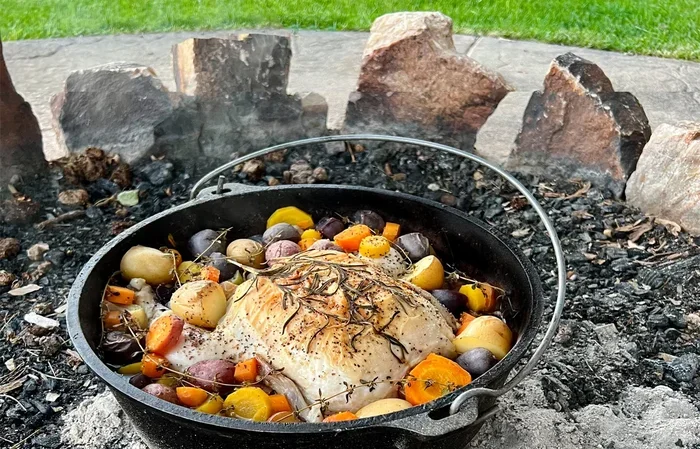
A Dutch oven pot is not just for the kitchen. It is one of the best tools for camping and outdoor cooking. Many campers and backyard chefs swear by their cast iron Dutch ovens for preparing meals over fire or coals.
Campfire Cooking Basics
To cook over a campfire, you place hot coals under and on top of the lid. This creates an oven-like environment that surrounds the pot with heat. You can bake, roast, stew, and fry all outdoors with your Dutch oven.
Here are some great Dutch oven camping recipes:
- Campfire Chili: brown ground beef, add beans, tomatoes, and spices. Simmer over coals for an hour.
- Campfire Bread: mix a simple dough, let it rise, and bake right in the pot over hot coals.
- Dutch Oven Breakfast: cook bacon, then use the grease to fry eggs, potatoes, and sausage all in one pot.
- Campfire Cobbler: fruit, sugar, biscuit dough, and a bed of coals on top and bottom.
Tips For Outdoor Dutch Oven Cooking
- Use a sturdy tripod or grate to hold the pot over the fire.
- Manage your coals carefully. More coals on top = more heat from above. More coals below = more heat from beneath.
- Bring a lid lifter to safely handle the hot lid.
- Practice at home before your first camping trip to build confidence.
Deep Frying And Frying
Another surprising use for a Dutch oven pot is deep frying. The heavy cast iron maintains a stable oil temperature, which is critical for safe and effective frying. Thin pots lose heat too quickly when food is added, but a Dutch oven holds its temperature steady.
You can fry chicken, fish, doughnuts, french fries, and more. The results are crispy on the outside and juicy on the inside. A Dutch oven fryer setup gives you restaurant-quality fried foods at home.
Best Oils For Dutch Oven Frying
- Vegetable oil: high smoke point, neutral flavor, affordable.
- Canola oil: similar to vegetable oil with a slightly nuttier taste.
- Peanut oil: excellent for frying with a high smoke point and great flavor.
Safety Tips For Deep Frying
- Never fill the pot more than halfway with oil.
- Use a thermometer to monitor oil temperature.
- Keep a lid nearby in case of grease flare-ups.
- Never leave hot oil unattended.
Comparison: What Dishes Work Best In A Dutch Oven
Not all dishes are created equal when it comes to Dutch oven cooking. Here is a quick comparison of what works best and why:
| Dish Type | Why It Works Well | Difficulty Level |
|---|---|---|
| Soups and Stews | Even heat and moisture retention create rich flavors | Easy |
| Breads and Rolls | Steam-trapping lid creates artisan-quality crusts | Medium |
| Braises and Roasts | Heavy walls maintain steady low temperatures for hours | Easy |
| One-Pot Meals | Everything cooks together in a single vessel | Easy |
| Desserts | Even baking and great heat retention | Medium |
| Deep Frying | Thick walls maintain stable oil temperatures | Medium |
| Campfire Cooking | Portable and works over open flame and coals | Easy |
As you can see, a Dutch oven pot handles a wide range of dishes with ease. The versatility of this cookware is truly unmatched.
Caring For Your Dutch Oven
To get the most out of your Dutch oven pot, proper care is essential. A well-maintained cast iron Dutch oven can last a lifetime — or even be passed down to the next generation.
Seasoning Your Pot
Seasoning is the process of coating the pot with a thin layer of oil and baking it. This creates a natural nonstick surface and prevents rust. You should season your Dutch oven before first use and periodically after that.
Here is how to do it:
- Preheat your oven to 375 degrees Fahrenheit.
- Apply a thin layer of vegetable oil to the entire pot, inside and out.
- Place the pot upside down on the middle oven rack.
- Bake for one hour, then let it cool completely in the oven.
Cleaning Tips
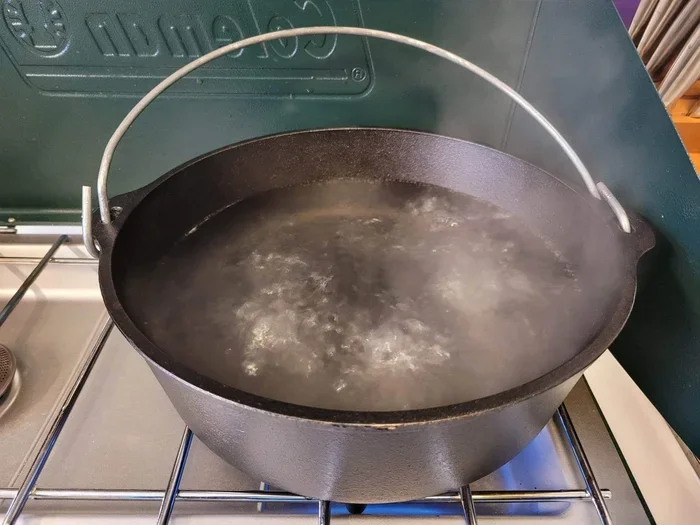
Clean your Dutch oven pot after every use. Use warm water and a stiff brush. Avoid soap if possible, as it can strip the seasoning. For stuck-on food, simmer water in the pot for a few minutes to loosen residue. Dry it thoroughly to prevent rust.
Common Mistakes In Dutch Oven Care
- Soaking the pot in water for extended periods. This can cause rust.
- Using metal utensils that scratch the seasoning.
- Storing the pot with the lid on, which traps moisture.
- Putting a hot pot in cold water, which can cause warping or cracking.
Final Thoughts
The answer to what can you make in a Dutch oven pot is truly almost anything. From hearty soups and tender braises to crusty breads and sweet desserts, this kitchen workhorse delivers every time. Dutch oven recipes are some of the most rewarding and satisfying dishes you can prepare at home.
Whether you are cooking for your family on a weeknight or preparing a feast at a campsite, your Dutch oven pot has you covered. The key is to start simple and build your confidence over time. Try one of the easy recipes in this article and see how versatile your pot really is.
Invest the time to care for your cast iron cookware, and it will reward you with years of delicious meals. So grab your Dutch oven pot, pick a recipe, and start cooking today. You will be amazed at what you can create with this single, powerful kitchen tool.
Frequently Asked Questions
Can I use a Dutch oven pot on a gas stovetop?
Yes, absolutely. Dutch ovens work on gas stovetops, electric cooktops, induction burners, and in ovens. They are one of the most versatile cookware pieces you can own. Just remember that cast iron takes a bit longer to heat up than thin pans, so be patient.
What is the best Dutch oven size for a family of four?
A 5 to 6 quart Dutch oven is ideal for a family of four. It handles soups, stews, roasts, and one-pot meals with ease. If you often cook for larger groups or make big batches, consider going with a 7 or 8 quart size instead.
Do I need to season my Dutch oven before using it?
Most Dutch ovens come pre-seasoned from the manufacturer. However, it is a good idea to add an extra layer of seasoning before your first use. This builds up the nonstick surface and helps prevent food from sticking right from the start.
Can I bake bread without a Dutch oven?
You can, but a Dutch oven gives you much better results. The trapped steam inside the pot creates a crispy, artisan-style crust that is hard to achieve otherwise. If you love homemade bread, a Dutch oven is a worthwhile investment.
What is the difference between a Dutch oven and a regular stockpot?
A Dutch oven has thick cast iron walls and a tight-fitting lid that traps heat and moisture. A regular stockpot is usually thinner and lighter, designed mainly for boiling and simmering. The Dutch oven provides superior heat retention and even distribution, making it better for braising, baking, and slow cooking.
Can I use my Dutch oven pot for deep frying?
Yes, Dutch ovens are excellent for deep frying. The heavy cast iron maintains a stable oil temperature, which leads to crispier and more evenly cooked food. Just make sure you do not fill the pot more than halfway with oil and always use a thermometer to monitor the temperature.