Is Danby Stoneware Oven Safe Here Is What You Need to Know
Many homeowners wonder whether danby stoneware oven safe is a real thing. The good news is that most danby stoneware products are designed to handle oven temperatures, but there are important limits and guidelines to follow. In this guide, we break down everything you need to know about danby stoneware oven safe use, including temperature ranges, care tips, and common mistakes to avoid.
You just pulled a beautiful danby stoneware dish out of the oven and you are ready to serve dinner. But then it hits you. Is danby stoneware oven safe? It is a question a lot of home cooks ask, and honestly, it is a really important one. Using the wrong dish in a hot oven can lead to cracks, breakage, or even safety hazards.
The good news is that danby stoneware is known for its quality and durability. Most danby stoneware products are built to go in the oven. But that does not mean you can just throw them in at any temperature and walk away. There are rules, limits, and best practices that every user should know. This guide covers everything you need to feel confident about using your danby stoneware in the oven.
Whether you are baking a casserole, roasting vegetables, or making a homemade pizza, understanding your stoneware is key. We will walk you through temperature guidelines, care tips, and common mistakes so your danby stoneware lasts for years. Let us dive right in.
Key Takeaways
- Danby stoneware is generally oven safe: Most danby stoneware products can handle moderate oven temperatures, but always check the manufacturer guidelines.
- Temperature limits matter: Exceeding the recommended heat threshold can cause cracking, warping, or damage to your stoneware.
- Proper care extends lifespan: Gradual heating and cooling, gentle cleaning, and avoiding thermal shock keep your danby stoneware in great shape.
- Not all danby products are the same: Different lines and collections may have different oven-safe specifications.
- Stoneware offers great baking benefits: Even heat distribution, durability, and a natural non-stick surface make danby stoneware a favorite for baking enthusiasts.
- Common mistakes can ruin stoneware: Sudden temperature changes, using broilers, and stacking hot dishes are top risks to avoid.
📑 Table of Contents
- What Is Danby Stoneware and Why Does It Matter?
- Is Danby Stoneware Oven Safe?
- Temperature Limits and Safety Guidelines for Danby Stoneware
- Benefits of Using Danby Stoneware in the Oven
- How to Properly Care for Your Danby Stoneware
- Common Mistakes That Damage Danby Stoneware
- Expert Tips for Baking with Danby Stoneware
- Danby Stoneware vs Other Bakeware Materials
- Is Danby Stoneware Worth It for Your Kitchen?
What Is Danby Stoneware and Why Does It Matter?
Before we talk about oven safety, it helps to understand what danby stoneware actually is. Stoneware is a type of ceramic made from a specific kind of clay. It is fired at very high temperatures, which makes it dense, strong, and less porous than other ceramics. This is why stoneware bakeware is so popular among home cooks and professional bakers alike.
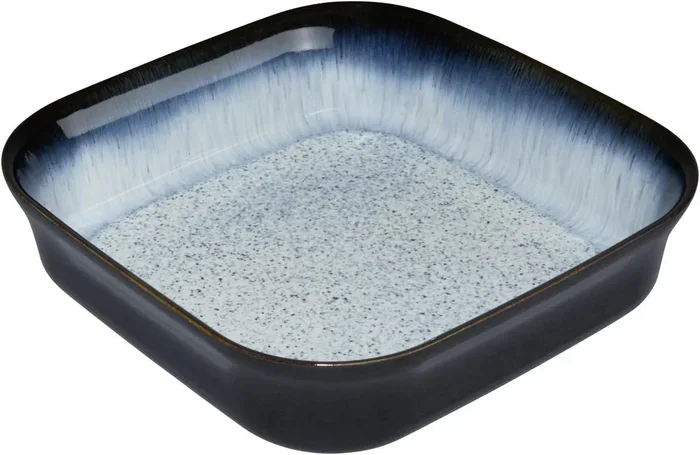
Danby is a well-known brand that makes a wide range of kitchen products. Their stoneware line includes baking dishes, serving platters, casseroles, and more. The brand focuses on creating durable, food-safe kitchenware that looks great and performs well. When you buy a danby stoneware piece, you are getting a product designed with quality materials and careful craftsmanship.
So why does this matter for oven use? Because not all stoneware is created equal. Some ceramics are not designed to handle heat at all. Others can handle low heat but crack under high temperatures. Danby stoneware is specifically engineered to be heat resistant, but every product has its limits. Knowing what those limits are is the first step in using your danby stoneware oven safe every single time.
How Stoneware Is Made
Stoneware starts as natural clay. The clay is shaped, dried, and then fired in a kiln at extremely high temperatures, usually above 1200 degrees Celsius. This process vitrifies the material, meaning the particles fuse together to create a hard, non-porous surface. The result is a dish that is strong, chip resistant, and naturally food safe.
Danby uses this same process for their stoneware products. The high firing temperature is what gives danby stoneware its ability to handle oven heat. It also explains why stoneware retains heat so well. That heat retention is actually a big advantage when baking, but it also means you need to handle hot stoneware with care.
Is Danby Stoneware Oven Safe?
Here is the short answer. Yes, danby stoneware oven safe use is generally supported by the manufacturer. Most danby stoneware dishes, bakers, and casseroles are designed to go in the oven safely. However, the long answer is a little more nuanced. Oven safety depends on the specific product, the temperature, and how you use it.
Danby does not put a single universal temperature limit on all their stoneware. Instead, each product line may have its own specifications. Some pieces are rated for temperatures up to 450 degrees Fahrenheit. Others can handle even higher heat. The key is to always check the product label, packaging, or instruction manual before placing your danby stoneware in the oven.
If you have lost the manual or the label has worn off, do not worry. Most danby stoneware products fall within a standard range of 350 to 450 degrees Fahrenheit. But going above that without confirmation is a risk you do not want to take. When in doubt, contact danby customer support or check their website for the specific product details.
What Makes Stoneware Oven Safe?
Not every ceramic dish is oven safe. So what makes danby stoneware different? The answer comes down to the materials and the manufacturing process. Because danby stoneware is fired at such high temperatures, the final product is extremely stable. It does not absorb water easily, which means it is less likely to crack when exposed to heat.
Oven-safe stoneware also has a uniform thickness. Thin spots or weak seams are where cracks usually start. Danby stoneware is made with consistent walls and even glazing, which helps distribute heat evenly. This even distribution reduces the risk of thermal stress, which is one of the biggest enemies of ceramic bakeware.
Another factor is the glaze used on the surface. Food-safe glazes create a smooth, non-porous finish that can handle oven temperatures without releasing harmful chemicals. Danby uses glazes that meet food safety standards, so you can bake with confidence knowing your food is not in contact with anything unsafe.
Temperature Limits and Safety Guidelines for Danby Stoneware
Understanding the temperature limits of your danby stoneware is essential. Even though most pieces are oven safe, they are not unlimited in their heat tolerance. Going beyond the recommended temperature can cause serious damage.
Here are some general guidelines to keep in mind:
- Standard oven use: Most danby stoneware is safe for conventional oven temperatures up to 450 degrees Fahrenheit.
- Broiler use: Avoid placing danby stoneware under a broiler. The direct, intense heat from above can cause uneven expansion and cracking.
- Freezer to oven: Never move danby stoneware directly from the freezer to a hot oven. This temperature shock is one of the fastest ways to crack stoneware.
- Preheating: Some danby stoneware can be placed in a cold oven and heated up together. Others should be placed in a preheated oven. Always check the guidelines for your specific piece.
Understanding Thermal Shock
Thermal shock is one of the biggest risks for any stoneware product. It happens when a piece of stoneware is exposed to a sudden and extreme change in temperature. For example, taking a cold dish straight from the refrigerator and putting it into a 400 degree oven is a recipe for disaster.
The rapid expansion and contraction of the material creates stress inside the stoneware. Over time, this stress leads to cracks or even a complete break. To avoid thermal shock with your danby stoneware oven safe dishes, always let them come to room temperature before placing them in a hot oven.
A good rule of thumb is to give your stoneware at least 15 to 20 minutes on the counter before baking. This small step goes a long way in protecting your investment. It also makes your food cook more evenly, which is a nice bonus.
Danby Stoneware Oven Safe Temperature Chart
While every product may differ slightly, here is a general reference for danby stoneware temperature use:
- Low heat (200-250 F): Safe for all danby stoneware. Great for slow warming or drying herbs.
- Medium heat (300-375 F): The most common baking range. Safe for casseroles, bread, and roasted dishes.
- High heat (400-450 F): Generally safe for most danby stoneware. Perfect for pizza, artisan bread, and high-heat roasting.
- Above 450 F: Not recommended unless specifically stated by the manufacturer. Risk of cracking increases significantly.
Benefits of Using Danby Stoneware in the Oven
Now that you know danby stoneware oven safe use is supported, let us talk about why it is such a great choice for baking. Stoneware offers benefits that you simply do not get with metal pans or glass dishes.
Even Heat Distribution
One of the standout advantages of danby stoneware is how evenly it distributes heat. Unlike thin metal pans that can have hot spots, stoneware spreads warmth across the entire surface. This means your food cooks more evenly, with fewer burnt edges and undercooked centers.
This is especially noticeable when baking bread or pizza. The consistent heat creates a beautifully crispy crust on the bottom while keeping the inside perfectly cooked. Many bakers swear by stoneware for these types of recipes because the results are just better.
Natural Non-Stick Surface
Well-seasoned danby stoneware develops a natural non-stick surface over time. You do not need to grease your dish heavily before baking. This makes cleanup much easier and also means you use less fat in your cooking, which is a win for healthier meals.
The non-stick quality comes from the porous nature of stoneware. When you bake with oil or butter regularly, the material absorbs it and creates a natural release surface. Just be sure to avoid soap when cleaning, as it can strip away this seasoning.
Durability and Longevity
Danby stoneware is built to last. Unlike cheap ceramic dishes that chip or crack easily, quality stoneware can serve you for decades if you take care of it. It does not warp, discolor, or degrade with regular oven use. This makes it a smart long-term investment for your kitchen.
Many families pass down stoneware pieces from one generation to the next. With proper care, your danby stoneware can become a trusted kitchen staple that you reach for every week. The durability also means you get great value for the price you pay.
Aesthetic Appeal
Let us not forget about looks. Danby stoneware often features beautiful, natural colors and textures. Many pieces are designed to go from oven to table, which means you can serve your food directly in the baking dish. This saves you time on cleanup and adds a rustic, elegant touch to your dining experience.
The earthy, handcrafted look of stoneware pairs well with almost any table setting. Whether you are hosting a casual family dinner or a holiday feast, danby stoneware dishes make a statement without trying too hard.
How to Properly Care for Your Danby Stoneware
Taking care of your danby stoneware is not complicated, but it does require a few simple habits. Proper care keeps your pieces looking great and performing well for years. Here is everything you need to know.
Cleaning Tips
- Use warm water and a soft sponge: Avoid abrasive scrubbers that can scratch the surface.
- Skip the soap when possible: Soap can strip away the seasoning that creates the non-stick surface. Use it only when necessary for tough stains.
- Soak for stuck-on food: If food is stuck, soak the dish in warm water for 15 to 30 minutes. This loosens residue without harsh scrubbing.
- Dry completely before storing: Moisture trapped in storage can lead to mildew or odors. Always dry your stoneware fully.
Storage Best Practices
How you store your danby stoneware matters more than you might think. Stacking heavy items on top of each other can cause chips and cracks. If you need to stack pieces, place a soft cloth or paper towel between them to cushion the surfaces.
Store your stoneware in a cool, dry place. Avoid damp areas like unventilated cupboards, where moisture can build up over time. A well-ventilated pantry or cabinet is ideal.
Handling Hot Stoneware
Danby stoneware retains heat very well, which is great for cooking but requires careful handling. Always use oven mitts or thick towels when moving hot stoneware. The handles may not feel as hot as the dish itself, but the heat can transfer quickly.
Place hot stoneware on a heat-resistant surface like a wooden board or trivet. Never set it directly on a cold countertop, as the temperature difference can cause cracking. A simple silicone mat works perfectly as a protective barrier.
Common Mistakes That Damage Danby Stoneware
Even with the best intentions, it is easy to make mistakes when using stoneware. Here are the most common errors and how to avoid them.
Mistake 1: Sudden Temperature Changes
This is the number one killer of stoneware. Going from a cold fridge to a hot oven, or from a hot oven to a cold countertop, creates thermal shock. Always let your danby stoneware adjust to room temperature before exposing it to extreme heat or cold.
Mistake 2: Using the Broiler
The broiler produces intense, direct heat from above. This concentrated heat can cause uneven expansion in stoneware and lead to cracks. Keep your danby stoneware away from the broiler element at all times.
Mistake 3: Overheating Empty Stoneware
Never preheat an empty danby stoneware dish in the oven. Without food or liquid inside, the dish can overheat and crack. Always place food or liquid in the dish before putting it in the oven.
Mistake 4: Using Metal Utensils
Metal forks, knives, and spatulas can scratch and chip the surface of your stoneware. Stick to wooden, silicone, or nylon utensils to protect the finish and maintain the non-stick surface.
Mistake 5: Ignoring Manufacturer Guidelines
Every piece of danby stoneware is different. Some are rated for higher temperatures than others. Ignoring the specific guidelines for your product is a risky habit. Always read and follow the care instructions that come with your purchase.
Expert Tips for Baking with Danby Stoneware
Want to get the most out of your danby stoneware oven safe dishes? These expert tips will help you bake better and protect your stoneware at the same time.
- Preheat with the oven: Placing your stoneware in a cold oven and letting it heat up together reduces thermal stress. This is the gentlest way to warm up your dish.
- Use parchment paper: Lining the bottom of your stoneware with parchment paper makes cleanup a breeze and adds an extra layer of protection against sticking.
- Adjust baking times: Stoneware retains heat, so your food may cook faster or more evenly than in a metal pan. Start checking for doneness a few minutes early.
- Add liquid for high-heat recipes: When roasting at high temperatures, a little liquid in the bottom of the dish helps regulate heat and prevents scorching.
- Let it cool naturally: Do not rinse hot stoneware with cold water. Let it cool on a rack or trivet before washing. This prevents thermal shock and extends the life of your dish.
- Season regularly: Baking with oil or butter on a regular basis builds up the natural non-stick surface. Think of it as conditioning your stoneware, similar to seasoning a cast iron pan.
Quick Tips for Everyday Use
- Always place danby stoneware on the middle oven rack for the most even heat.
- Do not use stoneware on a stovetop or under a broiler.
- If a dish is chipped or cracked, stop using it immediately for safety reasons.
- Hand washing is always preferred over dishwashing for long-term care.
- Keep a dedicated stoneware towel or mat for placing hot dishes.
Danby Stoneware vs Other Bakeware Materials
How does danby stoneware stack up against other popular bakeware materials? Here is a quick comparison to help you understand the advantages.
- Stoneware vs. Metal: Metal heats up quickly and cools down fast. Stoneware takes longer to heat but retains heat much better. This makes stoneware ideal for dishes that need consistent, even cooking.
- Stoneware vs. Glass: Glass is transparent, which lets you monitor browning. Stoneware is more durable and less prone to breaking if dropped. Both are oven safe, but stoneware handles higher temperatures more reliably.
- Stoneware vs. Silicone: Silicone is flexible and lightweight, but it does not provide the same crispy results as stoneware. For bread and pizza, stoneware is the clear winner.
- Stoneware vs. Ceramic: Stoneware is a specific type of ceramic fired at higher temperatures. It is denser, less porous, and more durable than standard ceramic dishes.
Each material has its place in the kitchen. But for oven-safe durability, even baking, and natural non-stick performance, danby stoneware stands out as a top choice.
Is Danby Stoneware Worth It for Your Kitchen?
The answer is a clear yes. Danby stoneware combines quality materials, thoughtful design, and oven-safe construction to deliver a baking experience that is hard to beat. Whether you are a casual cook or a serious baker, investing in danby stoneware oven safe bakeware is a decision you will not regret.
The key is to use your stoneware wisely. Follow the temperature guidelines, avoid sudden temperature changes, and take the time to care for your pieces properly. When you do, your danby stoneware will reward you with years of reliable, beautiful service in the kitchen.
So the next time you pull out your danby stoneware for a bake, you can do so with complete confidence. You know the facts, you understand the limits, and you have the tips to get the best results every time. Happy baking.
Frequently Asked Questions
Can I put danby stoneware in a convection oven?
Yes, most danby stoneware is safe for use in a convection oven. Convection ovens circulate hot air, which can actually help your stoneware heat more evenly. Just be sure to follow the standard temperature guidelines and avoid setting the heat above the recommended maximum for your specific piece.
Is danby stoneware oven safe at 500 degrees Fahrenheit?
Most danby stoneware products are rated for temperatures up to 450 degrees Fahrenheit. Going above this limit, especially to 500 degrees, increases the risk of cracking or thermal damage. Always check the specific product guidelines before exposing your stoneware to very high heat.
Can I microwave danby stoneware?
Many danby stoneware pieces are microwave safe, but not all of them. Check the product label or packaging for microwave-safe confirmation. Avoid microwaving stoneware with metallic accents or decorative elements that are not designed for microwave use.
How do I know if my danby stoneware is oven safe?
Look for an oven-safe symbol or temperature rating on the bottom of the dish or on the product packaging. You can also check the danby website or contact customer service with your product model number to confirm the oven-safe specifications.
Can I use danby stoneware on the stovetop?
No, danby stoneware is generally not designed for stovetop use. Stovetops create direct, concentrated heat on the bottom of the dish, which can cause cracking. Stoneware is meant for oven use, microwave use, and serving only.
How long does danby stoneware last with proper care?
With proper care, danby stoneware can last for many years, often decades. Avoiding thermal shock, using gentle cleaning methods, and following temperature guidelines are the best ways to ensure your stoneware stays in excellent condition for a long time.
=== CONCLUSION ===
Understanding whether danby stoneware oven safe is something you can rely on is simpler than you might think. The answer is yes, with the right knowledge and care. Danby stoneware is designed to handle oven temperatures, deliver even baking results, and last for years in your kitchen. By following the temperature guidelines, avoiding common mistakes, and taking a few simple care steps, you can enjoy all the benefits that danby stoneware has to offer.
Remember to always check the specific product guidelines, avoid sudden temperature changes, and treat your stoneware with the respect it deserves. A little attention goes a long way in keeping your danby stoneware oven safe and in top condition. So go ahead, preheat that oven, and put your danby stoneware to work. You will love the results.