How Long To Cook Samon In Oven For Perfectly Juicy Results
How long to cook salmon in oven depends on fillet thickness and oven temperature, but most recipes call for 12 to 20 minutes at 400°F. This guide walks you through the exact timing, temperatures, and techniques needed to achieve juicy, flaky baked salmon with crispy skin every single time. Whether you are a beginner or a seasoned home cook, you will find practical tips to elevate your salmon dinner.
There is something magical about a perfectly baked salmon fillet. The outside turns slightly golden, the inside stays tender and moist, and the aroma fills your entire kitchen. Yet so many people struggle with this simple dish. The question everyone asks is, how long to cook salmon in oven, and the answer is not always straightforward. Several factors play a role, including fillet thickness, oven temperature, and whether you prefer crispy skin or a more delicate texture. This guide breaks it all down so you can confidently pull a gorgeous piece of salmon from your oven every single time.
Salmon is one of the most popular fish choices for home cooks. It is packed with omega-3 fatty acids, protein, and essential vitamins. Plus, it cooks relatively fast compared to other proteins, making it perfect for busy weeknight dinners. But speed should never come at the cost of quality. A dry, overcooked salmon fillet is a real disappointment. That is why understanding the right baked salmon time and temperature matters so much. By the end of this article, you will know exactly how to get juicy, flaky salmon that your whole family will love.
The beauty of oven-baked salmon lies in its simplicity. You need very few ingredients, minimal prep time, and a reliable oven. Whether you are cooking a weeknight dinner for two or hosting a weekend gathering, this method fits the bill. Let us dive into everything you need to know about how long to cook salmon in oven for perfectly juicy results.
Key Takeaways
- Bake at 400°F for 12-20 minutes: This is the sweet spot for most salmon fillets, delivering juicy and evenly cooked fish.
- Thickness is the key factor: Thinner fillets need less time, while thicker cuts require a few extra minutes in the oven.
- Check internal temperature: The FDA recommends salmon reach 145°F internally for food safety.
- Pat skin dry and season well: These simple steps lead to crispy skin and deeper flavor.
- Let salmon rest after baking: Resting keeps juices locked in for a moist and tender result.
- Avoid overcooking: Overcooked salmon dries out quickly, so use a timer and a thermometer.
- Use parchment paper or foil: Both make cleanup easy and help prevent sticking.
📑 Table of Contents
- The Perfect Temperature For Baking Salmon
- How Long To Cook Salmon In Oven Based On Thickness
- Step-By-Step Guide To Oven-Baked Salmon
- How To Tell When Salmon Is Done
- Common Mistakes To Avoid
- Expert Tips For Perfectly Juicy Salmon Every Time
- Quick Tips For The Best Baked Salmon
- How To Store And Reheat Leftover Salmon
- Serving Ideas For Your Oven-Baked Salmon
- Conclusion
The Perfect Temperature For Baking Salmon
Why Temperature Matters So Much
Oven temperature is the single biggest factor in determining your salmon cooking time. Too low, and the fish takes forever to cook, drying out in the process. Too high, and the outside burns before the inside is done. The goal is to find a balance that heats the salmon center gently and evenly, preserving moisture and flavor.
Most chefs and food experts agree on a sweet spot. 400°F is widely considered the best temperature for baking salmon. At this heat, the fillet cooks through at a steady pace. The surface develops a light sear, and the flesh turns tender and flaky. If you prefer a slower, more gentle cook, 375°F also works well, especially for thicker cuts. You simply need to add a few extra minutes.
Recommended Oven Temperatures At A Glance
Here is a quick look at the most common oven temperatures for oven-baked salmon:
- 400°F: The most popular choice. Great for fillets between 1/2 inch and 1 inch thick. Cooks in about 12 to 18 minutes.
- 375°F: A gentler option. Ideal for thicker fillets or when you want a slower, more even cook. Adds 3 to 5 minutes to cooking time.
- 425°F: Best for thin fillets or when you want a crispier exterior. Cooks faster, so watch closely to avoid drying out.
- 350°F: A low-and-slow approach. Good for very thick cuts or when cooking salmon with a sauce or glaze that needs time to set.
Each temperature has its place. Your choice depends on fillet thickness, your desired texture, and how much time you have. But for most home cooks, 400°F is the go-to setting for perfect results.
How Long To Cook Salmon In Oven Based On Thickness
Thin Fillets (Half-Inch Thick)
Thin salmon fillets are a quick cook. At 400°F, a half-inch fillet needs only about 8 to 12 minutes. Because the fish is so thin, it heats through very fast. This means you have a smaller window to pull it out at just the right moment. Set a timer and keep an eye on the fillet. Thin pieces can go from perfectly done to overcooked in just a couple of minutes.
If you are using the skin-on method, place the fillet skin-side down on a lined baking sheet. The skin protects the delicate flesh underneath and adds a satisfying crunch when done right. A thin fillet with crispy skin is one of the simplest yet most impressive dishes you can serve.
Standard Fillets (One Inch Thick)
This is the most common thickness you will find at the grocery store. A one-inch salmon fillet baked at 400°F typically takes 12 to 15 minutes. This is the range where most recipes land, and it is a reliable starting point for beginners.
For the best results, measure your fillet at the thickest point. If the fillet tapers at one end, the thinner section will cook faster. You can tuck the narrow end under the fillet to create a more even thickness. This small trick ensures the entire piece cooks uniformly, preventing the thin end from drying out while the thick center finishes cooking.
Thick Cuts (One And A Half Inches Or More)
Thick-cut salmon, often sold as center-cut fillets or steaks, needs more time. At 400°F, a fillet that is 1.5 inches thick will take approximately 15 to 20 minutes. If your oven runs cool, you may need to add an extra few minutes.
The challenge with thick cuts is ensuring the center reaches a safe temperature without overcooking the edges. This is where a meat thermometer becomes your best friend. Insert it into the thickest part of the fillet, and aim for an internal temperature of 145°F. The fish will continue to cook slightly after you remove it from the oven, a process called carryover cooking. Pulling it out a few degrees early accounts for this and keeps your salmon dinner perfectly moist.
Step-By-Step Guide To Oven-Baked Salmon
Step One: Prep Your Fillet
Start by removing your salmon from the refrigerator about 10 to 15 minutes before cooking. Letting it come to room temperature helps it cook more evenly. Cold fillets placed directly into a hot oven can result in uneven cooking, with the outside done and the center still cold.
Next, pat the fillet dry with paper towels. This step is crucial for crispy skin. Moisture on the surface creates steam, which prevents the skin from crisping up. A dry surface also helps seasonings stick better, giving you more flavor in every bite.
Step Two: Season With Simple Flavors
Salmon pairs beautifully with a wide range of seasonings. For a classic approach, drizzle the fillet with olive oil and sprinkle with salt and pepper. Add minced garlic, fresh dill, or a squeeze of lemon juice for extra brightness. If you are in the mood for something bolder, try a glaze made from honey, soy sauce, and a touch of ginger.
Here are some popular salmon seasoning ideas to try:
- Lemon Herb: Olive oil, lemon zest, fresh dill, garlic, salt, and pepper.
- Honey Glaze: Honey, soy sauce, minced garlic, and a pinch of red pepper flakes.
- Maple Mustard: Maple syrup, Dijon mustard, olive oil, and thyme.
- Simple and Clean: Olive oil, salt, pepper, and a few slices of lemon on top.
Keep it simple. Salmon has a rich, natural flavor that does not need to be masked. A light touch with seasonings lets the fish shine.
Step Three: Line Your Baking Sheet
Line a baking sheet with parchment paper or aluminum foil. This makes cleanup a breeze and prevents the salmon from sticking. Place the fillet skin-side down if you are cooking skin-on salmon. If you prefer skinless, simply place the fillet directly on the lined sheet.
Step Four: Bake And Monitor
Place the baking sheet on the center rack of your preheated oven. Set a timer for the recommended time based on fillet thickness. At 400°F, a standard one-inch fillet should be done in about 12 to 15 minutes. Start checking at the lower end of the time range, especially if your oven runs hot.
Open the oven only when necessary. Every time you open the door, heat escapes, which can affect cooking time and consistency. Trust your timer and thermometer instead of relying on visual checks alone.
How To Tell When Salmon Is Done
Visual Cues
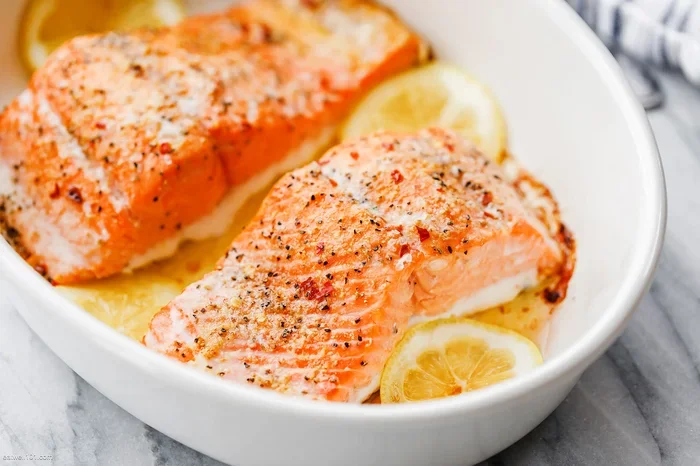
A properly cooked salmon fillet looks vibrant. The outside should have a light golden-brown color, while the inside remains a warm, opaque pink. If the flesh looks translucent in the center, it needs more time. If it has turned a pale, chalky white all the way through, you have overcooked it.
The flesh should also begin to separate along the natural lines of the fish. This is what people mean when they describe salmon as “flaky.” A well-cooked piece of baked salmon will flake gently with a fork but still hold its shape. It should not fall apart into mushy pieces.
The Internal Temperature Test
This is the most reliable way to check for doneness. Insert an instant-read thermometer into the thickest part of the fillet, angled slightly upward toward the center. You are aiming for 145°F, which is the FDA-recommended safe internal temperature for fish.
Remember that the temperature will rise by a few degrees as the salmon rests after coming out of the oven. This is why many experienced cooks pull the fillet out at 135°F to 140°F. The carryover cooking brings it up to the perfect 145°F without drying it out.
The Flake Test
If you do not have a thermometer, use the fork test. Gently press the tip of a fork into the thickest part of the fillet and twist slightly. If the salmon flakes apart easily and looks opaque throughout, it is done. If it still feels firm and resistant in the center, give it a few more minutes.
Common Mistakes To Avoid
Overcooking The Salmon
Overcooking is the number one mistake people make with oven-baked salmon. It is easy to do, especially if you are new to cooking fish. Salmon continues to cook after you remove it from the oven, so pulling it out a little early is always better than waiting too long.
Signs of overcooked salmon include a dry, chalky texture, a dull color, and a chalky white substance called albumin that seeps out. While albumin is harmless, it is a clear sign the fish was cooked too long or at too high a temperature. Keep a close eye on your timer and use a thermometer to stay on track.
Skipping The Rest Period
Once your salmon comes out of the oven, let it rest for 3 to 5 minutes before cutting into it. This resting period allows the juices to redistribute throughout the fillet. If you cut in immediately, the juices run out, leaving you with a drier piece of fish.
Cover the fillet loosely with aluminum foil during resting. This keeps it warm without trapping too much steam, which can soften the crispy skin.
Not Preheating The Oven
Putting salmon into a cold oven throws off your timing significantly. Always preheat your oven to the target temperature before placing the fillet inside. This ensures the cooking process starts immediately and consistently, giving you predictable results every time.
Expert Tips For Perfectly Juicy Salmon Every Time
Skin-On Versus Skin-Off
Cooking salmon skin-side down is the preferred method for most chefs. The skin acts as a natural protective layer, shielding the delicate flesh from direct heat. It also renders during baking, creating a crispy, flavorful crust that many people love.
If you prefer skinless salmon, you can still achieve excellent results. Just be extra careful with timing, as skinless fillets can dry out faster. Brushing the top with a little olive oil or melted butter helps keep the surface moist.
The Power Of A Hot Oven
A hot oven, around 400°F to 425°F, is your secret weapon for juicy salmon. The high heat sears the surface quickly, locking in moisture. This creates a beautiful contrast between the crispy exterior and the tender, juicy interior. Lower temperatures can work, but they require more careful monitoring and a longer cooking window.
Use Quality Ingredients
The quality of your salmon matters. Fresh, wild-caught salmon often has a richer flavor and better texture than farmed varieties. But even frozen salmon can produce excellent results if you choose a good brand and follow the proper steps. Look for bright-colored fillets with a clean, ocean-like smell. Avoid any salmon that looks dull or has a strong fishy odor.
Add A Splash Of Acid At The End
A squeeze of fresh lemon juice right after the salmon comes out of the oven brightens the entire dish. The acid cuts through the richness of the fish and adds a refreshing contrast. This small step elevates your salmon recipe from good to restaurant-quality.
Quick Tips For The Best Baked Salmon
- Pat the fillet dry before seasoning for crispy skin.
- Preheat your oven fully before placing the salmon inside.
- Use a meat thermometer to check doneness accurately.
- Line your baking sheet with parchment paper for easy cleanup.
- Let the salmon rest for 3 to 5 minutes after baking.
- Season simply to let the natural flavor of the fish shine.
- Cook skin-side down for a crispy, protective layer.
- Squeeze fresh lemon over the top just before serving.
How To Store And Reheat Leftover Salmon
Storing Cooked Salmon
If you have leftover baked salmon, store it in an airtight container in the refrigerator within two hours of cooking. Properly stored cooked salmon keeps well for up to three days. The flavor often improves the next day as the seasonings meld with the fish.
Reheating Without Drying It Out
Reheating salmon is tricky because the fish can dry out quickly. The best method is to reheat it gently in the oven at 275°F for about 10 to 15 minutes. Cover the fillet loosely with foil to trap moisture. A low and slow approach preserves the texture far better than microwaving, which can turn salmon rubbery.
Serving Ideas For Your Oven-Baked Salmon
Baked salmon pairs wonderfully with a variety of sides. Roasted vegetables like asparagus, broccoli, or Brussels sprouts make a healthy and colorful plate. A bed of fluffy rice or creamy mashed potatoes absorbs the delicious juices perfectly. For a lighter option, try a fresh salad with a lemon vinaigrette or a warm grain bowl with quinoa and avocado.
For a restaurant-style presentation, place the salmon on a bed of sautéed spinach or wilted greens. Drizzle with a lemon butter sauce and garnish with fresh herbs. These simple additions turn a basic salmon dinner into an impressive meal that feels special without requiring advanced cooking skills.
Conclusion
How long to cook salmon in oven comes down to a few simple variables: fillet thickness, oven temperature, and your desired level of doneness. For most standard fillets, 12 to 15 minutes at 400°F delivers perfectly juicy, flaky results. Thinner fillets need less time, while thicker cuts may require up to 20 minutes. The key is to watch carefully, use a thermometer, and pull the salmon out just before it reaches the target temperature to account for carryover cooking.
Once you master the basics, you can experiment with different seasonings, glazes, and side dishes. Oven-baked salmon is one of the most versatile and nutritious meals you can prepare. It is fast, healthy, and incredibly satisfying. So the next time you are planning dinner, give this method a try. With the tips and timing guide in this article, you will serve juicy, delicious salmon that everyone at the table will love.
Keep this guide bookmarked, share it with friends, and make perfectly baked salmon a regular part of your cooking routine. A little knowledge and a hot oven are all you need to create restaurant-quality salmon fillets right at home.
Frequently Asked Questions
Can I cook salmon at 350°F instead of 400°F?
Yes, you can cook salmon at 350°F, but it will take longer, typically around 20 to 25 minutes for a standard fillet. The lower temperature produces a gentler cook, which can be helpful for thicker cuts. Just be sure to check for doneness using a thermometer.
Should I cook salmon covered or uncovered in the oven?
Cook salmon uncovered for the best results. Leaving it uncovered allows the surface to crisp up and develop a light sear. Covering it with foil traps steam and can make the skin soggy. If your salmon tends to dry out, you can loosely tent it with foil for the last few minutes of cooking.
How do I know if my salmon is undercooked?
Undercooked salmon will look translucent in the center and feel firm and resistant when pressed. The internal temperature will be below 145°F. To avoid this, use a meat thermometer and check the thickest part of the fillet. If it reads below 140°F, give it a few more minutes.
Can I use frozen salmon for baking?
Yes, you can bake frozen salmon, but you will need to increase the cooking time by about 50%. Thaw the fillet in the refrigerator overnight for the best results, but if you are in a rush, you can cook it from frozen. Just adjust your timing and check the internal temperature carefully.
What is the white stuff that comes out of salmon?
The white substance is called albumin, a protein that solidifies when heated. It is completely safe to eat and harmless. You can minimize its appearance by not overcooking the salmon and by patting the fillet dry before seasoning.
Is it better to bake salmon on a baking sheet or in a baking dish?
A baking sheet lined with parchment paper is the preferred choice for most cooks. It allows air to circulate around the fillet, promoting even cooking and crispy skin. A baking dish works too, especially if you are cooking salmon with a sauce or vegetables, but it may result in a softer skin.
=== CONCLUSION ===
Mastering how long to cook salmon in oven is easier than you think. With the right temperature, proper timing, and a little attention, you can consistently serve juicy, flaky, perfectly baked salmon. Use this guide as your go-to reference whenever you plan a salmon dinner. From prep to plate, every step is designed to help you achieve the best possible result. Happy cooking!