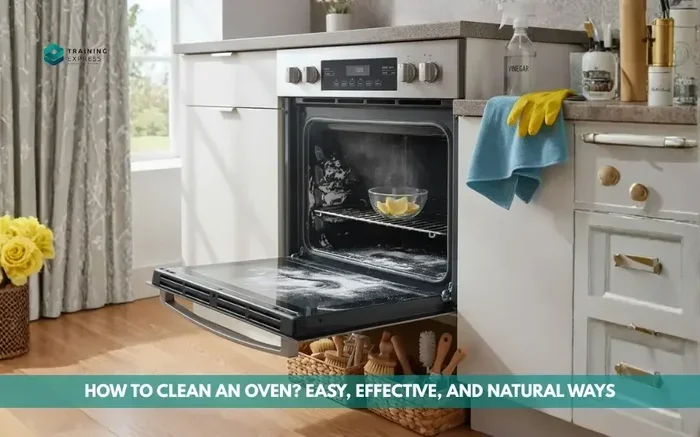
What Can I Clean My Oven With Besides Oven Cleaner
You can clean your oven with simple household items like baking soda, vinegar, lemon, and dish soap. These natural oven cleaning solutions work just as well as store-bought products without harsh chemicals. This guide covers step-by-step methods for every part of your oven, from greasy interiors to sparkling racks.
Have you ever opened your oven and been hit with a wave of burnt grease and food splatters? It happens to the best of us. But before you reach for that can of commercial oven cleaner, you might want to consider a better option. Many people are now looking for what can I clean my oven with besides oven cleaner and finding that household items work surprisingly well.
The good news is you probably already have everything you need in your kitchen. Baking soda, vinegar, lemon, and dish soap can tackle even the toughest oven grime. These natural oven cleaning solutions are safe, affordable, and free from harsh chemicals. In this guide, we will walk you through every method, tip, and trick you need to know.
Whether you have a standard gas oven, an electric model, or a self-cleaning oven, these techniques will help you get sparkling results. Let us dive into the best ways to clean your oven without reaching for that strong-smelling spray can.
Key Takeaways
- Baking soda and vinegar are the most popular and effective homemade oven cleaners for cutting through grease and grime.
- Lemon and steam cleaning is a gentle, chemical-free method that loosens baked-on food inside your oven.
- Dish soap and warm water work great for light cleaning and regular oven maintenance.
- Cleaning oven racks separately in a bathtub with detergent saves time and effort.
- Avoiding common mistakes like using steel wool or harsh abrasives protects your oven surfaces.
- Regular cleaning every few weeks prevents tough buildup and keeps your oven smelling fresh.
- Natural cleaners are safer for your family, pets, and the environment compared to chemical-based products.
📑 Table of Contents
Why You Should Avoid Commercial Oven Cleaners
Most commercial oven cleaners contain powerful chemicals like sodium hydroxide and ammonia. These ingredients can be harsh on your lungs, skin, and eyes. When you spray them inside your oven, the fumes linger even after you wipe the surfaces clean. This is a real concern for families with young children or pets.
Here are some reasons to think twice before using store-bought oven cleaners:
- Toxic fumes can irritate your respiratory system, especially in small kitchens.
- Chemical residue may contaminate your food during the next cook.
- Harsh solvents can damage oven surfaces, seals, and racks over time.
- Environmental impact from chemical runoff is significant.
- Expensive compared to cheap household alternatives.
Switching to a homemade oven cleaner eliminates all of these risks. You get a safe, effective clean without worrying about what touches your next meal.
Best Homemade Oven Cleaning Solutions
Now let us get into the good stuff. These natural ingredients are the backbone of oven cleaning without chemicals. Each one targets grease and grime in a different way, and you can even combine them for extra power.
Baking Soda and Vinegar: The Classic Combo
Baking soda is a mild abrasive that lifts dirt and grease from surfaces. When you pair it with vinegar, the chemical reaction creates bubbles that help break down stubborn grime. This is hands down the most popular method for natural oven cleaning.
Here is how to do it:
- Mix about half a cup of baking soda with a few tablespoons of water to form a paste.
- Spread the paste evenly across the inside of your oven, avoiding the heating elements.
- Let it sit overnight or for at least 8 hours.
- The next day, spray white vinegar onto the paste and watch it fizz.
- Wipe everything away with a damp cloth or sponge.
- Rinse with clean water and dry thoroughly.
This method works wonders on tough oven stains and baked-on food. The fizzing action lifts grease without you needing to scrub hard.
Lemon and Steam Cleaning
If you prefer a method that smells amazing, lemon and steam cleaning is your best bet. The citric acid in lemon juice cuts through grease naturally, and the steam softens baked-on residue. This is one of the gentlest oven cleaning hacks you can try.
Follow these simple steps:
- Fill a baking dish with water and squeeze in the juice of two lemons.
- Drop the lemon halves into the dish as well.
- Place the dish on the bottom rack of your oven.
- Heat the oven to 200 degrees Fahrenheit for about 30 minutes.
- Turn off the oven and let it cool with the door closed for another 30 minutes.
- The steam will loosen the grease, making it easy to wipe away.
- Remove the dish and wipe the interior with a damp cloth.
This technique is perfect for regular oven maintenance and light to moderate grime. It also leaves your kitchen smelling fresh and clean.
Dish Soap and Warm Water
For lighter cleaning jobs, good old dish soap and warm water does the trick. This is the simplest approach and ideal for weekly or biweekly oven interior cleaning. You do not need any special ingredients or long waiting times.
Just mix a few drops of dish soap in a bowl of warm water. Dip a sponge or cloth into the solution and wipe down the oven walls, floor, and ceiling. For stuck-on spots, let the soapy water sit for a few minutes before wiping. Rinse with a clean damp cloth and dry with a towel.
This method is safe for all oven types and will not damage any surfaces. It is also the go-to choice when you just need a quick refresh between deep cleans.
Citric Acid for Heavy Duty Cleaning
Citric acid is a natural acid found in citrus fruits, and you can buy it as a powder. It is excellent for dissolving mineral deposits and grease. This makes it a powerful option for oven grease removal without using commercial sprays.
To use citric acid, dissolve two tablespoons in a cup of warm water. Spray or apply the solution to the greasy areas inside your oven. Let it sit for 20 to 30 minutes, then wipe clean with a damp cloth. For extra stubborn spots, make a thicker paste with citric acid powder and a little water.
How to Clean Different Oven Parts
A thorough oven cleaning goes beyond just the interior walls. Different parts need different attention. Here is how to handle each one effectively.
Cleaning the Oven Interior
The oven interior is where most grease and food residue builds up. For a deep clean, the baking soda paste method works best. Apply the paste generously to the walls, floor, and ceiling of the oven. Avoid the heating elements, whether they are on the top or bottom.
For a self-cleaning oven, you should still do manual cleaning between the self-clean cycles. The self-cleaning feature burns off large debris, but it does not remove all grease. A gentle wipe-down with a damp cloth after the cycle keeps your oven in top shape.
Quick tip: Always remove the oven racks before cleaning the interior. This gives you full access to every surface and prevents any cleaner from getting on the racks.
Cleaning Oven Racks
Oven racks collect a lot of grease and baked-on food. The bathtub method is one of the most effective oven rack cleaning techniques you can use at home.
Here is what to do:
- Line your bathtub with a garbage bag or old towel.
- Place the oven racks inside the tub.
- Add hot water until the racks are fully submerged.
- Add a half cup of dish soap or a quarter cup of laundry detergent.
- Let the racks soak for at least 3 to 4 hours, or overnight for tough grime.
- Scrub with a non-abrasive sponge or brush.
- Rinse thoroughly with clean water and dry completely before reinserting.
If you do not want to use your bathtub, you can also clean oven racks in a large plastic storage bin or even outdoors in a kiddie pool. The key is giving them enough time to soak so the grease softens.
Cleaning the Oven Door Glass
The oven door glass can get cloudy and greasy over time. This not only looks bad but also reduces your ability to see your food while it cooks. For oven door cleaning, a simple paste of baking soda and water works great.
Apply the paste to the glass, let it sit for 15 to 20 minutes, and then wipe it off with a damp cloth. For the edges and corners where grease builds up, use an old toothbrush to scrub gently. You can also use a mixture of equal parts vinegar and water in a spray bottle for a quick shine.
Avoid using abrasive scrubbers on glass, as they can create scratches that trap grease in the future. A microfiber cloth is your best friend here.
Step-by-Step Oven Cleaning Guide
Now that you know the best solutions and techniques, let us put it all together. Here is a complete oven cleaning guide you can follow from start to finish.
Step 1: Gather Your Supplies
Before you start, make sure you have everything ready. You will need baking soda, white vinegar, warm water, dish soap, a few clean cloths or sponges, a spray bottle, and an old toothbrush. Having everything at hand makes the process smooth and efficient.
Step 2: Remove the Racks and Any Loose Debris
Take out all oven racks, trays, and any removable parts. Shake out any loose crumbs or food pieces into the trash. This gives you a clean starting point and prevents debris from getting in the way of your cleaning solution.
Step 3: Apply Your Chosen Cleaning Solution
For a deep clean, apply the baking soda paste to the interior surfaces. For a lighter clean, use the dish soap and warm water solution. Let the solution sit for the recommended time to break down the grease.
Step 4: Scrub and Wipe
After the solution has had time to work, use a damp sponge or cloth to wipe everything clean. For stubborn spots, gently scrub with a non-abrasive pad or toothbrush. The grime should come off easily thanks to the soaking time.
Step 5: Rinse and Dry
Wipe down all surfaces with a clean damp cloth to remove any cleaning residue. Dry the interior thoroughly with a towel before reinserting the racks and trays. A dry oven prevents moisture buildup that can lead to rust or mold.
Step 6: Clean the Racks Separately
Use the bathtub soaking method or wash them in your sink with hot soapy water. Rinse well and dry completely before putting them back in the oven.
Common Mistakes to Avoid When Cleaning Your Oven
Even with the best intentions, people make mistakes that can damage their ovens or reduce cleaning effectiveness. Here are some common errors to watch out for.
- Using steel wool or metal scrubbers can scratch enamel and glass surfaces, making them more prone to future buildup.
- Skipping the soak time is the number one reason homemade cleaners seem to fail. Let the solution work for several hours.
- Using too much water can damage oven electronics or cause rust on metal parts. Always use damp, not soaking wet, cloths.
- Forgetting to ventilate your kitchen, even when using natural cleaners, helps you breathe easier during the process.
- Not cleaning the oven racks separately means you miss a major area where grease accumulates.
- Using oven cleaner on self-cleaning ovens can damage the special coating designed for the self-clean cycle.
Avoiding these mistakes saves you time, protects your oven, and ensures you get the best results every time.
Expert Tips for Maintaining a Clean Oven
The best oven cleaning strategy is prevention. A little effort during regular use goes a long way toward avoiding tough buildup. Here are some oven cleaning tips from experts.
- Line the bottom of your oven with aluminum foil or an oven liner to catch drips and spills. Just make sure the foil does not touch the heating elements.
- Clean up spills immediately when the oven is still warm. This makes the residue much easier to wipe away.
- Use a baking sheet or roasting pan under dishes that are prone to bubbling over.
- Do a light clean every two weeks with dish soap and warm water to prevent grease from building up.
- Deep clean every three months using the baking soda and vinegar method for a thorough refresh.
- Keep your oven well-ventilated during cooking to reduce moisture and grease condensation on surfaces.
These simple habits mean you spend less time scrubbing and more time enjoying your cooking. A well-maintained oven also performs better and lasts longer.
Final Thoughts on Cleaning Your Oven Without Oven Cleaner
Cleaning your oven without oven cleaner is easier, safer, and more affordable than you might think. Whether you choose the baking soda and vinegar method, the lemon steam technique, or a simple dish soap solution, each approach delivers excellent results. The key is consistency and using the right method for the level of grime you are dealing with.
Natural oven cleaning solutions protect your health, your family, and your appliance. They are gentle enough for regular use yet powerful enough to handle tough grease and baked-on food. With the tips and methods in this guide, you have everything you need to keep your oven spotless without reaching for a single can of chemical cleaner.
Start with one of these methods today, and you will wonder why you ever relied on commercial products. Your oven will smell better, look better, and perform better for years to come. Happy cleaning!
Frequently Asked Questions
Can I use baking soda alone to clean my oven?
Yes, baking soda alone works as a gentle abrasive for light cleaning. However, combining it with vinegar or lemon juice creates a stronger reaction that breaks down grease more effectively. For the best results, always pair baking soda with an acidic ingredient.
How often should I clean my oven without chemicals?
A light cleaning every two weeks keeps your oven in great shape. A deeper clean using baking soda or lemon steam should be done every three months. Regular maintenance prevents tough buildup and makes each cleaning session quicker and easier.
Is it safe to use vinegar inside a self-cleaning oven?
Yes, vinegar is safe for self-cleaning ovens and works well for manual touch-ups between self-clean cycles. However, avoid using vinegar during the actual self-cleaning cycle, as the extreme heat can alter its effectiveness. Stick to manual cleaning methods for best results.
What is the easiest way to clean oven racks without oven cleaner?
The bathtub soaking method is the easiest and most effective approach. Simply submerge the racks in hot soapy water for several hours, then scrub with a non-abrasive sponge. The grease will soften significantly, making it easy to wipe away all residue.
Can lemon juice replace commercial oven cleaners entirely?
Lemon juice works well for light to moderate cleaning and leaves a fresh scent. For heavy grease buildup, it works best when combined with baking soda or used as part of a steam cleaning method. It may not be strong enough for very tough, long-standing stains on its own.
Are there any surfaces I should not clean with homemade oven solutions?
Homemade solutions are safe for most oven surfaces including enamel, glass, and metal. However, always avoid getting cleaning solutions on the heating elements. Also, check your oven manufacturer’s manual for any specific cleaning restrictions, especially for ovens with special coatings or finishes.