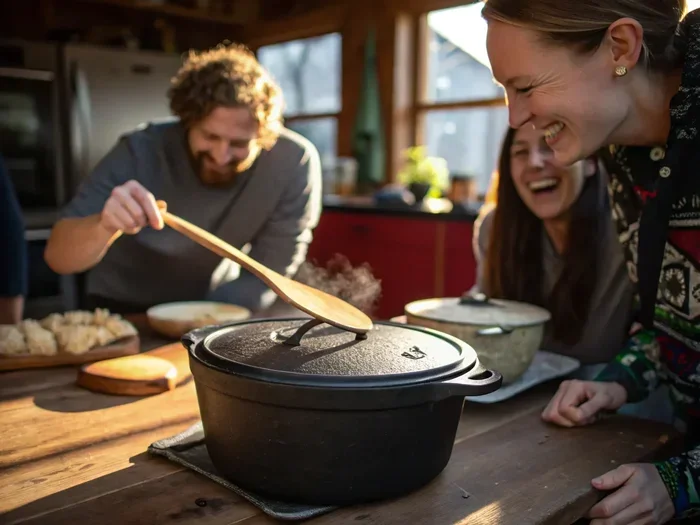
What Is The Meaning Of Dutch Oven And Why You Need One
A Dutch oven is a heavy cooking pot with a tight-fitting lid, made from cast iron or enameled steel. It is one of the most versatile kitchen tools you can own, perfect for braising, stewing, baking bread, and campfire cooking. In this guide, we break down the Dutch oven meaning, explore its rich history, and show you why every home cook needs one.
Key Takeaways
- Dutch oven meaning: A heavy, lidded cooking pot designed for slow, even cooking using retained heat.
- Cast iron construction: Traditional Dutch ovens are made from thick cast iron, offering superior heat retention and distribution.
- Versatile cooking tool: You can use a Dutch oven on the stovetop, in the oven, over a campfire, or on a grill.
- Two main types: Traditional bare cast iron and enameled Dutch ovens, each with unique benefits.
- Easy to care for: With proper seasoning and cleaning, a Dutch oven can last a lifetime.
- Great for beginners: Simple to use and forgiving, it is a perfect first cookware investment.
📑 Table of Contents
What Is A Dutch Oven?
Let us start with the basics. A Dutch oven is a thick, heavy cooking pot with a snug-fitting lid. It is usually made from cast iron, though some versions use enameled steel or aluminum. The heavy walls and lid trap heat and moisture, making it ideal for slow, even cooking.
When people search for the Dutch oven meaning, they want to know what sets this pot apart from a regular stew pot or saucepan. The answer lies in its design. The thick walls hold heat for a long time. The tight lid keeps steam inside, which helps food cook evenly and stay moist.
You can use a Dutch oven on the stovetop, inside a regular oven, or even over an open fire. This flexibility is one of the main reasons home cooks love it. Whether you are making a hearty stew or baking fresh bread, this pot handles it all.
The Dutch oven meaning goes beyond just the object itself. It represents a cooking tradition that spans centuries. From Dutch kitchens in the 1700s to modern backyard barbecues, this pot has stood the test of time. It is not just a tool; it is a kitchen essential.
How Is It Different From a Regular Pot?
A regular saucepan has thin walls. It heats up fast but loses heat just as quickly. A Dutch oven works differently. The thick walls absorb heat slowly and release it evenly. This means your food cooks more consistently, with fewer hot spots.
The lid also plays a big role. Most regular pots have loose-fitting lids. A Dutch oven lid fits tightly, trapping steam inside. This creates a self-basting effect. Your food stays juicy and tender without much effort from you.
The weight is another key difference. A Dutch oven is noticeably heavier than most cookware. This weight is not a flaw. It is a feature. The heaviness is what gives the pot its excellent heat retention. Once heated, it stays hot for a long time.
The History And Origin Story
Where Did the Dutch Oven Come From?
The Dutch oven meaning is tied to a fascinating history. The pot originated in the Netherlands in the early 1700s. Dutch metalworkers created it using a casting process that produced smooth, heavy iron pots. These pots were superior to anything else available at the time.
When English trader Abraham Darby visited the Netherlands, he was impressed by the casting methods. He brought the technique back to England. From there, the design spread across Europe and eventually to America. The pot was named after the Dutch, and the name stuck.
In early America, the Dutch oven became a household essential. Pioneers carried them on westward journeys. Families used them to cook meals over open fires. The pot proved itself in harsh conditions, earning a reputation as the ultimate outdoor cooking tool.
How It Became a Kitchen Staple
By the 1800s, the Dutch oven was a common sight in American kitchens. Companies like Lodge began mass-producing cast iron versions. The pot became affordable and widely available. Every household needed one for everyday cooking.
During the Great Depression, the Dutch oven was a lifeline for many families. It allowed people to cook affordable meals using very little fuel. The pot could simmer a stew for hours using just a few coals. This efficiency made it invaluable during hard times.
Today, the Dutch oven remains just as popular. It has earned a permanent spot in kitchens around the world. Chefs and home cooks alike swear by its performance. The rich history adds to its charm and appeal.
Types Of Dutch Ovens You Can Buy
Not all Dutch ovens are the same. Understanding the types helps you choose the right one. Each style has its own strengths and best use cases.
Traditional Cast Iron Dutch Ovens
The classic Dutch oven is made from bare cast iron. This is the original design. It is heavy, durable, and excellent at retaining heat. You need to season it before first use and maintain the seasoning over time.
Bare cast iron Dutch ovens work well for campfire cooking. You can place them directly over coals or flames. The lid can hold hot coals on top, creating an oven-like environment. This makes them perfect for outdoor cooking and campfire cooking.
The downside is maintenance. Cast iron requires care. You cannot put it in a dishwasher. You need to dry it thoroughly after washing. But if you put in the effort, a cast iron Dutch oven can last for generations.
Enameled Dutch Ovens
An enameled Dutch oven has a glass-like coating on the inside and outside. This eliminates the need for seasoning. You can cook acidic foods like tomatoes without worrying about metallic tastes. Cleanup is also much easier.
Enameled versions are popular brands like Le Creuset and Staub. They come in many colors and look beautiful on a stove or dining table. You can serve food directly in the pot, which is a nice touch for dinner parties.
The trade-off is price. Enameled Dutch ovens cost more than bare cast iron. They are also slightly more fragile. A sharp impact can chip the enamel. But for many cooks, the convenience is worth the extra cost.
Lightweight Dutch Ovens
If the traditional cast iron feels too heavy, there are lighter options. Some Dutch ovens are made from aluminum or stainless steel with a heavy bottom. These are not true cast iron Dutch ovens, but they serve a similar purpose.
Lightweight versions are easier to handle. They heat up faster than cast iron. However, they do not retain heat as long. They are a good choice for people who want the versatility without the weight.
Why You Need A Dutch Oven In Your Kitchen
Now that you understand the Dutch oven meaning, let us talk about why you should own one. There are many reasons this pot earns a permanent place on your stovetop.
Superior Heat Retention And Distribution
The thick walls of a Dutch oven do something special. They absorb heat and spread it evenly across the entire surface. This means your food cooks uniformly. There are no hot spots that burn your ingredients while leaving others raw.
Heat retention is another major benefit. Once your Dutch oven is hot, it stays hot. This is perfect for dishes that need consistent warmth over a long period. The pot keeps cooking your food even after you remove it from the heat source.
This property also works in reverse. A cold Dutch oven heats up slowly and steadily. This prevents food from sticking or burning. It gives you more control over the cooking process. You can focus on flavors instead of worrying about the heat.
Versatility Across Cooking Methods
Few pots can match the versatility of a Dutch oven. You can use it for so many cooking techniques. Here is a quick list of what it handles well:
- Braising: Sear meat on the stovetop, then transfer to the oven for slow cooking.
- Stewing: The heavy pot keeps soups and stews at a gentle simmer.
- Baking bread: The trapped steam creates a perfect crust on homemade loaves.
- Roasting: Use it to roast chicken, vegetables, or casseroles in the oven.
- Frying: The heavy base maintains a stable oil temperature for deep frying.
- Campfire cooking: Place it directly over coals for outdoor meals.
With one pot, you can replace several other cookware items. This saves space in your kitchen and money in your wallet. The Dutch oven uses are truly endless.
Perfect For Slow Cooking And Braising
Braising is a cooking method where you sear meat at high heat, then cook it slowly in liquid. A Dutch oven is the ideal vessel for this. The heavy lid traps moisture, and the thick walls maintain a steady temperature.
Think of pot roast, beef stew, or pulled pork. These dishes need hours of gentle cooking. A Dutch oven provides exactly that environment. The food becomes tender and flavorful without any extra attention from you.
Slow cooking in a Dutch oven is also energy efficient. The pot retains heat so well that you can lower the oven temperature. Your food still cooks evenly while using less energy. This is a win for your meals and your utility bills.
Popular Dutch Oven Recipes To Try At Home
Once you have your Dutch oven, the fun begins. Here are some easy and delicious recipes to get you started.
Comfort Food Classics
A simple beef stew is one of the best things to make in a Dutch oven. Brown your beef chunks on the stovetop. Add onions, carrots, potatoes, and broth. Put the lid on and let it simmer in the oven for a few hours. The result is rich, hearty comfort food.
Chicken and dumplings are another crowd-pleaser. Brown the chicken, add vegetables and broth, then drop in dumpling dough. The steam from the broth cooks the dumplings perfectly. One pot, one meal, everyone is happy.
Baking Bread In A Dutch Oven
This might surprise you, but a Dutch oven makes incredible bread. The trapped steam inside the pot creates a crispy, golden crust. The inside stays soft and airy. You get bakery-quality results at home.
Start with a simple no-knead bread recipe. Mix flour, water, salt, and yeast the night before. Let the dough rise. The next morning, preheat your Dutch oven in the oven. Score the dough, lower it in, and bake with the lid on. The Dutch oven recipes for bread are surprisingly easy and rewarding.
How To Choose The Right Dutch Oven For You
Size Matters
Dutch ovens come in several sizes, from small 2-quart pots to large 12-quart models. The right size depends on your needs. A 5-quart or 6-quart Dutch oven works well for most families. It handles a roast chicken or a stew for four to six people easily.
If you bake bread often, go with a 4-quart or 5-quart size. It fits a standard loaf of dough perfectly. For large gatherings or meal prepping, consider a bigger 8-quart or 10-quart pot.
Material And Budget Considerations
Your budget plays a big role in choosing a Dutch oven. Bare cast iron options are the most affordable. They are also the most durable. A good cast iron Dutch oven can cost between $30 and $80.
Enameled Dutch ovens cost more, usually between $150 and $400. They offer more convenience and come in beautiful colors. If you do a lot of cooking and want something low-maintenance, the enameled option is worth the investment.
Consider how often you cook and what you plan to make. If you love outdoor cooking, go with bare cast iron. If you want something that looks great on the table, choose enameled. Either way, you are making a smart kitchen investment.
Caring For Your Dutch Oven The Right Way
A Dutch oven can last a lifetime with proper care. Here is how to keep yours in top shape.
Seasoning Your Cast Iron Dutch Oven
Bare cast iron needs seasoning to maintain its non-stick surface. To season it, rub a thin layer of oil inside and out. Heat it in the oven at 375 degrees for one hour. Let it cool completely before storing.
Repeat this process a few times when you first get the pot. Over time, the seasoning builds up. Your Dutch oven develops a natural non-stick coating that improves with use. Never use soap on bare cast iron, as it can strip the seasoning.
Cleaning And Storage Tips
Clean your Dutch oven after each use. For cast iron, use hot water and a stiff brush. For enameled versions, you can use mild dish soap. Always dry the pot thoroughly to prevent rust.
Store your Dutch oven with the lid slightly ajar. This allows air to circulate and prevents moisture buildup. If you stack pots, place a cloth or paper towel between them to avoid scratching.
With these simple steps, your Dutch oven will serve you well for many years. It is a piece of cookware that gets better with age and use.
Conclusion
The Dutch oven meaning is simple: it is a heavy, lidded cooking pot built for slow, even, and versatile cooking. From its origins in 1700s Netherlands to its place in modern kitchens today, this pot has earned its reputation. It is a true kitchen essential that every home cook should own.
Whether you braise a Sunday roast, bake fresh bread, simmer a hearty stew, or cook over a campfire, the Dutch oven delivers exceptional results. Its superior heat retention, even distribution, and unmatched versatility make it stand out from any other pot in your kitchen.
Choosing the right Dutch oven comes down to your cooking style and budget. Cast iron offers durability and authenticity. Enameled versions provide convenience and beauty. Either choice will serve you well for years to come.
Now that you know the Dutch oven meaning and all the reasons it deserves a spot in your kitchen, it is time to take action. Pick one that suits your needs, try a few recipes, and discover the joy of cooking with this timeless vessel. You will wonder how you ever cooked without it.
Frequently Asked Questions
What does Dutch oven mean in simple terms?
A Dutch oven is a heavy cooking pot with a tight-fitting lid, usually made from cast iron. It is designed to trap heat and moisture, making it perfect for slow cooking, braising, baking, and stewing. The thick walls ensure even heat distribution for consistent cooking results.
Can you use a Dutch oven on a stovetop?
Yes, you can use a Dutch oven on the stovetop. It works great on gas, electric, and induction cooktops. The heavy base distributes heat evenly, making it ideal for searing, sautéing, and simmering. Just be careful when moving it, as it can be quite heavy.
What is the difference between a cast iron Dutch oven and an enameled one?
A cast iron Dutch oven is bare iron that requires seasoning and careful maintenance. An enameled Dutch oven has a glass-like coating that eliminates the need for seasoning. Enameled versions are easier to clean and can handle acidic foods, while cast iron is more durable and better for outdoor cooking over open flames.
Is a Dutch oven worth the investment?
Absolutely. A Dutch oven is one of the most versatile pieces of cookware you can own. It replaces several other pots and pans in your kitchen. With proper care, it lasts for decades or even generations. The cooking results it delivers are unmatched by most other cookware.
Can you bake bread in a Dutch oven?
Yes, baking bread in a Dutch oven is one of the best ways to achieve a professional-quality crust at home. The trapped steam inside the pot creates a crispy, golden exterior while keeping the inside soft and airy. It is a simple technique that produces amazing results with minimal effort.
How do you clean a Dutch oven?
For bare cast iron, use hot water and a stiff brush. Avoid soap as it can strip the seasoning. For enameled Dutch ovens, you can use mild dish soap and a soft sponge. Always dry the pot thoroughly after washing to prevent rust and maintain its quality over time.