What Is A Vacuum Oven Used For And Why It Is Essential
A vacuum oven removes moisture and gases from materials by using low pressure and controlled heat. It is essential in labs, pharmaceutical labs, electronics manufacturing, and food processing because it prevents oxidation and preserves sensitive samples. Understanding vacuum oven uses helps you choose the right equipment for your needs.
A vacuum oven is one of those pieces of equipment that quietly powers some of the most important processes in science, medicine, and manufacturing. You might not hear about it every day, but it plays a huge role behind the scenes. If you have ever wondered how labs dry sensitive samples without ruining them or how electronic parts get moisture-free before assembly, the answer is simple: a vacuum oven.
So, what is a vacuum oven used for exactly? In short, it uses low pressure and heat to remove moisture, gases, and volatile substances from materials. This process is called vacuum drying, and it is far gentler than conventional oven drying. The result? Better quality samples, longer-lasting products, and fewer ruined batches. Whether you are in a research lab, a pharmaceutical facility, or an electronics workshop, understanding this tool can change the way you work.
In this guide, we will walk through everything you need to know about vacuum oven applications. We will cover how they work, where they are used, the benefits they offer, and how to pick the right one. By the end, you will see why a vacuum oven is not just a nice-to-have but an essential piece of equipment in many fields.
Key Takeaways
- Versatile Tool: A vacuum oven serves many industries, from healthcare to electronics, making it a must-have in modern labs and production facilities.
- Prevents Oxidation: By removing air, a vacuum oven protects heat-sensitive materials from damage caused by oxygen exposure during drying.
- Gentle Drying: Low pressure allows moisture to evaporate at lower temperatures, preserving the integrity of delicate samples and components.
- Wide Range of Applications: From degassing resins to drying pharmaceutical products, the vacuum oven use cases are extensive and growing.
- Choosing the Right Model Matters: Consider chamber size, temperature range, and vacuum level to match your specific needs.
- Maintenance Extends Life: Regular cleaning and seal checks keep your vacuum oven running efficiently for years.
📑 Table of Contents
What Is A Vacuum Oven And How Does It Work
A vacuum oven is a sealed chamber that removes air before applying heat. The pump lowers the pressure inside, which causes moisture to evaporate at much lower temperatures than normal. This is the core idea behind vacuum drying.
The Science Behind Vacuum Drying
Here is how it works in simple terms. Normal air pressure keeps water liquid at room temperature. When you reduce the pressure inside the chamber, water boils at a much lower temperature. This means you can dry heat-sensitive materials without cooking or degrading them. The vacuum pump pulls air out, and a heating element warms the shelves or walls of the chamber evenly.
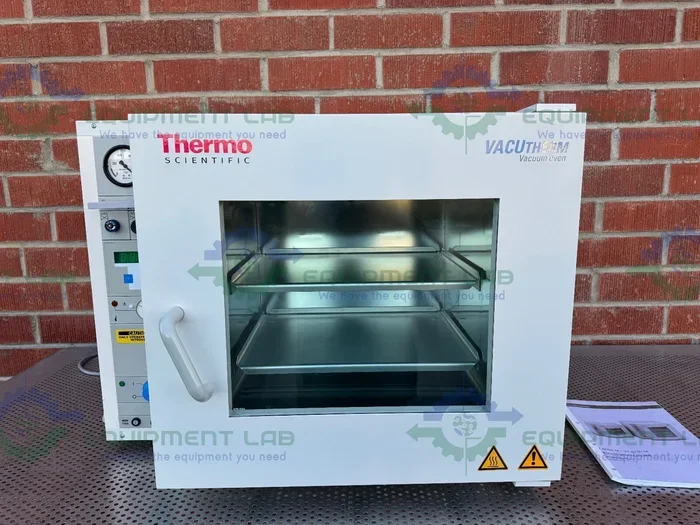
Most vacuum ovens have adjustable shelves. You place your samples or parts on these shelves, close the door, and start the pump. The temperature and pressure are controlled precisely. This gives you consistent results every time. Some models also include digital displays and programmable settings for even more control.
Key Components of a Vacuum Oven
Understanding the parts helps you appreciate how the whole system works together:
- Chamber: The insulated box where samples sit. It is usually made of stainless steel for durability.
- Vacuum Pump: Removes air to create the low-pressure environment needed for drying.
- Heating Element: Provides consistent heat across the chamber.
- Door Seal: Ensures the chamber stays airtight during operation.
- Control Panel: Lets you set and monitor temperature and vacuum levels.
Each component plays a role in delivering reliable low pressure drying. When one part fails, the whole process suffers. That is why quality matters when buying a vacuum oven.
What Is A Vacuum Oven Used For Across Industries
The vacuum oven use cases span a surprising range of fields. Let us break down the most common and important applications. This section answers the core question: what is a vacuum oven used for in real-world settings?
Laboratory Sample Preparation
In research labs, scientists need to dry samples without altering their chemical makeup. A vacuum drying oven does exactly that. It removes residual moisture from soil samples, biological specimens, and chemical compounds. The gentle heat prevents thermal degradation, which means your data stays accurate and your samples stay intact.
For example, a pharmaceutical lab might use a vacuum oven to dry active ingredients before mixing them into tablets. The low-temperature drying preserves the potency of sensitive compounds. Without this equipment, researchers risk losing valuable samples to oxidation or heat damage.
Electronics and Semiconductor Manufacturing
Electronic components are extremely sensitive to moisture. Even a tiny amount of water can cause short circuits or corrosion. That is why manufacturers rely on vacuum oven technology during production. The oven removes moisture from circuit boards, capacitors, and resistors before they are assembled into devices.
In semiconductor fabrication, a vacuum oven is used for degassing. This means removing trapped gases from materials like resins and adhesives. Gas bubbles in these materials can ruin microchip performance. The vacuum environment pulls those bubbles out, ensuring a clean, reliable final product.
Pharmaceutical and Healthcare Applications
The pharmaceutical industry depends heavily on vacuum drying. Pills, powders, and medical devices all need to be moisture-free for safety and shelf life. A vacuum oven provides the controlled environment needed to meet strict regulatory standards.
Hospitals and research centers also use vacuum ovens for sterilization preparation. Drying instruments and samples under vacuum ensures no residual moisture can harbor bacteria. This adds an extra layer of safety in environments where cleanliness is non-negotiable.
Food Processing and Dehydration
You might not think of a vacuum oven in a kitchen setting, but food manufacturers use them regularly. Vacuum drying preserves the color, flavor, and nutrients of fruits, vegetables, and herbs. Because the temperature stays low, heat-sensitive vitamins and antioxidants survive the drying process.
Freeze-dried coffee and instant soup mixes are great examples. The vacuum drying process removes water while keeping the food lightweight and full of flavor. This is one of the more unexpected but valuable applications of vacuum oven technology.
Material Science and Heat Treatment
Materials scientists use vacuum ovens for heat treatment processes like annealing and sintering. Annealing softens metals and relieves internal stresses. Sintering fuses powdered materials together under heat. Both processes require an oxygen-free environment to prevent unwanted oxidation.
A vacuum oven provides this clean environment perfectly. The sealed chamber and low pressure keep oxygen away from the material. The result is a cleaner, stronger final product with fewer defects.
Key Benefits Of Using A Vacuum Oven
Now that you know the applications, let us talk about why a vacuum oven is so valuable. The benefits go beyond just drying.
Prevents Oxidation
Oxygen is the enemy of many heat-sensitive materials. When you dry something in a regular oven, the hot air contains oxygen that can cause oxidation. This changes the color, texture, and chemical properties of your sample. A vacuum oven removes the oxygen entirely, so nothing degrades during the process.
Lower Drying Temperatures
Because the pressure is low, water evaporates faster at lower temperatures. This is a game-changer for heat-sensitive materials. You get thorough drying without the risk of scorching or warping. This is especially important for biological samples, certain plastics, and delicate electronic parts.
Faster Processing Times
Vacuum drying is often quicker than conventional drying. The reduced pressure pulls moisture out of materials more efficiently. In a production setting, faster drying times mean higher throughput and lower energy costs. Over time, the savings add up significantly.
Better Sample Integrity
Whether you are drying a pharmaceutical compound or a delicate polymer, preserving the original properties is critical. A vacuum oven keeps the structure and composition of your material intact. This leads to more reliable test results, better product quality, and fewer wasted batches.
Versatility
One vacuum oven can serve many purposes. You can dry, degas, anneal, and cure materials all in the same machine. This versatility makes it a smart investment for any lab or production facility that handles diverse materials and processes.
How To Choose The Right Vacuum Oven For Your Needs
Not all vacuum ovens are the same. Choosing the right one depends on what you plan to do with it. Here are the factors that matter most.
Chamber Size and Capacity
Think about how much material you need to process. A small benchtop model works great for lab sample preparation. A larger industrial unit is better for batch production. Measure your samples and estimate your volume before you buy.
Temperature Range
Different materials need different temperatures. Some vacuum ovens operate from room temperature up to 200 degrees Celsius. Others can go much higher. Check the temperature range against your specific drying or heat treatment needs.
Vacuum Level
The depth of vacuum matters. A deeper vacuum means faster and more thorough drying. For most lab applications, a vacuum level of around 100 millibar works well. For more demanding processes like degassing, you may need a deeper vacuum. Look for models with reliable vacuum gauges so you can monitor and adjust levels easily.
Build Quality and Materials
Stainless steel chambers are the standard for durability and easy cleaning. Avoid ovens with thin or poorly sealed doors. The seal is what keeps the vacuum intact, and a broken seal ruins everything. Check reviews and ask about warranty coverage before making a decision.
Ease of Use
You want an oven with a clear control panel and intuitive settings. Digital controls with programmable recipes save time and reduce human error. If you are new to vacuum ovens, look for models with simple setup guides and good customer support.
Common Mistakes To Avoid When Using A Vacuum Oven
Even with the best equipment, mistakes happen. Here are the most common ones and how to avoid them.
Overloading the Chamber
It is tempting to cram as much as possible into the oven. But overcrowding blocks airflow and slows drying. Leave space between items so heat and vacuum can reach every surface evenly.
Skipping Seal Checks
The door seal wears out over time. If it is not airtight, you will not get proper vacuum levels. Check the seal regularly and replace it when you notice cracks or stiffness. This simple habit saves you from inconsistent results.
Ignoring Temperature Calibration
Over time, the temperature sensor can drift. This means your oven might be hotter or cooler than the display shows. Use an independent thermometer to verify accuracy at least once a month. Accurate temperature control is essential for reproducible results.
Not Pre-Vacuuming Properly
Some users skip the step of letting the pump run before applying heat. Always remove air first, then start heating. Applying heat to an air-filled chamber can damage samples and waste energy.
Using the Wrong Oil in the Vacuum Pump
Vacuum pumps need the right oil to perform well. Using the wrong type or low-quality oil reduces pump efficiency and can contaminate your samples. Always check the manufacturer’s recommendations for pump oil type and change intervals.
Maintenance Tips To Keep Your Vacuum Oven Running Smoothly
A well-maintained vacuum oven lasts for years and delivers consistent performance. Here is what you should do regularly.
Clean After Every Use
Wipe down the interior after each run. Residue from samples can build up and affect future drying jobs. Use a soft cloth and a mild cleaner approved for the chamber material.
Check the Door Seal
Inspect the seal for cracks, warping, or loss of elasticity. A clean, intact seal is the foundation of proper vacuum performance. Replace it at the first sign of wear.
Change the Vacuum Pump Oil
Follow the manufacturer’s schedule for oil changes. Fresh oil keeps the pump running smoothly and maintains the vacuum level you need. Dirty oil reduces performance and can damage the pump over time.
Monitor Temperature Sensors
Calibrate your temperature sensors regularly. This ensures your drying temperatures are accurate and your results are reproducible. Most ovens come with calibration instructions in the user manual.
Keep the Exterior Clean
Dust and grime on the outside can block ventilation and cause overheating. Wipe down the exterior and keep the area around the oven clear of clutter.
Conclusion
A vacuum oven is far more than just a heated chamber with a pump. It is a precision tool that protects your materials, preserves their quality, and delivers consistent results. From lab sample preparation to pharmaceutical production and electronics manufacturing, the vacuum oven has become indispensable. Understanding what a vacuum oven is used for helps you make smarter decisions about your equipment and processes.
Whether you are a scientist drying sensitive samples, an engineer degassing resins, or a food processor preserving nutrients, the right vacuum oven makes all the difference. Invest in quality, maintain it well, and you will get reliable performance for years to come. The world of vacuum drying opens up possibilities that conventional ovens simply cannot match. Embrace the technology and take your work to the next level.
Frequently Asked Questions
Can a vacuum oven be used for food drying at home?
Yes, some smaller vacuum ovens are suitable for home use, especially for dehydrating herbs, fruits, and making freeze-dried snacks. However, most home vacuum ovens are designed for lighter tasks. If you plan to process food regularly, look for a food-safe certified model with easy-to-clean chambers and precise temperature control.
What is the difference between a vacuum oven and a regular convection oven?
A regular convection oven uses hot air circulation to dry materials, while a vacuum oven removes air and lowers pressure so moisture evaporates at lower temperatures. This makes vacuum ovens much better for heat-sensitive materials. Regular ovens also expose samples to oxygen, which can cause oxidation and degradation.
How often should I change the vacuum pump oil?
Most manufacturers recommend changing the vacuum pump oil every 3 to 6 months, depending on usage frequency. If you notice the vacuum level dropping or the pump running louder than usual, it may be time for an oil change. Always use the oil type recommended by the oven manufacturer.
Can a vacuum oven be used for curing resins and adhesives?
Absolutely. Vacuum ovens are widely used for curing resins, adhesives, and encapsulants. The low-pressure environment removes air bubbles and ensures a smooth, strong finish. This is especially important in electronics manufacturing, where even tiny bubbles can cause component failure.
Is a vacuum oven safe for all types of materials?
Most materials are safe to dry in a vacuum oven, but you should always check compatibility first. Some plastics may outgas or deform under vacuum and heat. Metals, glass, ceramics, and most chemicals handle vacuum oven conditions well. When in doubt, start with a small test batch.
What should I look for when buying a vacuum oven?
Focus on chamber size, temperature range, vacuum level, and build quality. Stainless steel chambers are the most durable. Digital controls with programmable settings add convenience. Also check the warranty and customer support offered by the manufacturer. Reading user reviews gives you real-world insights into reliability and performance.