What Does Pre Heated Oven Safe Mean And Why It Matters
Pre heated oven safe means your cookware can handle the high heat of a preheated oven without cracking, warping, or releasing harmful chemicals. Understanding this label keeps your food safe and your dishes lasting longer. Whether you bake, roast, or reheat, knowing this simple term saves time, money, and kitchen stress.
You pull out a beautiful baking dish from your cabinet. The recipe says to place it in a preheated oven. But wait — is that dish actually safe for this? This is where the term pre heated oven safe comes into play. Many home cooks skip this detail and end up with cracked dishes, ruined meals, or even kitchen hazards.
Knowing what pre heated oven safe means can change the way you cook. It protects your cookware, your food, and your peace of mind. Let us break it all down in simple terms so you never have to guess again.
The short answer is straightforward. Pre heated oven safe means the dish, pan, or bakeware can handle the high heat of an oven that has already reached the desired cooking temperature. You do not need to wait for the oven to cool down. You can place the item directly into the hot oven without worrying about damage.
This label matters more than most people realize. When you preheat your oven, the internal temperature can climb to 350°F, 400°F, or even higher. Placing a dish that is not designed for that heat can cause it to crack, shatter, or release harmful chemicals into your food. Understanding pre heated oven safe helps you avoid all of these problems.
Key Takeaways
- Pre heated oven safe means the dish can go straight into a hot oven: No waiting, no cracking, and no surprises.
- Not all cookware is oven safe: Check for symbols, labels, and material type before placing anything in a hot oven.
- Thermal shock is the real enemy: Sudden temperature changes cause dishes to break, and preheated oven safe items resist this risk.
- Glass, ceramic, metal, and silicone each have different limits: Knowing your bakeware material helps you cook smarter.
- Preheating saves cooking time and improves results: Food cooks more evenly when the oven is already hot.
- Common mistakes include using non-oven-safe lids and ignoring temperature limits: Small oversights lead to big problems.
📑 Table of Contents
- What Does Pre Heated Oven Safe Mean Exactly?
- Why Preheating Your Oven Matters
- How to Know If Your Cookware Is Oven Safe
- Common Mistakes People Make with Oven Safe Dishes
- Best Oven Safe Cookware Options for Your Kitchen
- Quick Tips for Using Pre Heated Oven Safe Dishes
- Expert Insights on Oven Safety
- Key Takeaways
- Frequently Asked Questions
- Final Thoughts
What Does Pre Heated Oven Safe Mean Exactly?
When a product is labeled pre heated oven safe, it means the manufacturer has tested the item to withstand the heat of a preheated oven. This is not just about surviving heat. It is about handling rapid temperature changes without damage.
Think of it this way. A cold dish placed into a hot oven experiences something called thermal shock. The outside heats up fast while the inside stays cool. This uneven expansion creates stress. Over time, this stress causes cracks and breaks. Items labeled pre heated oven safe are built to handle this stress with ease.
The Role of Temperature Limits
Every piece of oven safe cookware has a temperature limit. This is the maximum heat it can handle. For example, most ceramic dishes handle up to 450°F. Some heavy-duty metal bakeware can go up to 500°F or higher. Always check the manufacturer’s guidelines. Going beyond the limit, even if the item is pre heated oven safe, can cause damage.
Why the Label Matters for Everyday Cooking
Let us say you are making a casserole. The recipe calls for a 375°F preheated oven. If your dish is not pre heated oven safe, you might face a cracked dish halfway through cooking. That means a mess in your oven and a ruined meal. The label saves you from this frustration every single time.
Why Preheating Your Oven Matters
Preheating is not just a step in the recipe. It is a crucial part of cooking that affects your results. When your oven reaches the right temperature before food goes in, everything changes.
Even Cooking and Better Texture
A preheated oven surrounds your food with consistent heat from the start. This leads to even cooking. Your cookies bake uniformly. Your roast browns perfectly. Your bread rises the way it should. Skipping preheating often leads to uneven results and longer cooking times.
Timing Accuracy
Recipes are tested with preheated ovens in mind. If you place food in a cold oven, the timing is off. Your dish might be undercooked in the center or overcooked on the edges. This is especially true for baking, where precision matters a lot.
Energy Efficiency
Many people think preheating wastes energy. In reality, a preheated oven cooks food faster. The total energy used is often less than cooking in a cold oven for a longer time. So preheating actually saves energy in most cases.
How to Know If Your Cookware Is Oven Safe
Not every pan or dish belongs in a hot oven. Here is how you can tell if your cookware is truly oven safe.
Check the Bottom of the Dish
Most manufacturers print an oven safe symbol on the bottom of the item. Look for an oven icon with a temperature number. Some dishes also have the words “oven safe” printed directly on them. If you see this, you are good to go.
Read the Manual or Packaging
When in doubt, check the manual or the original packaging. It will list the temperature limit and whether the item is pre heated oven safe. This information is especially helpful for ceramic and glass bakeware.
Know Your Materials
Different materials behave differently in a hot oven. Here is a quick breakdown.
- Glass bakeware: Most glass dishes like Pyrex are oven safe up to 425°F to 450°F. Always check the label.
- Ceramic dishes: High-quality ceramic is usually pre heated oven safe up to 450°F or higher.
- Metal pans: Stainless steel, cast iron, and aluminum are almost always oven safe at high temperatures.
- Silicone molds: Most silicone handles heat up to 450°F and are flexible and durable.
- Plastic handles or parts: These are NOT oven safe. Remove them before placing in a hot oven.
- Wooden handles: Wood does not handle high heat well. Avoid placing wooden-handled dishes in a preheated oven.
Watch Out for Nonstick Coatings
Some nonstick pans have coatings that degrade at high temperatures. If the coating is not designed for oven use, it can release harmful fumes. Always verify that the nonstick coating is rated for oven temperatures before using it in a preheated oven.
Common Mistakes People Make with Oven Safe Dishes
Even experienced cooks make mistakes. Here are the most common ones and how to avoid them.
Using a Dish Without Checking the Label
This is the number one mistake. Many people assume every dish can go in the oven. It cannot. Always check for the oven safe symbol or the words “pre heated oven safe” before using a dish in a hot oven.
Ignoring Temperature Limits
Just because a dish is oven safe does not mean it can handle any temperature. Every item has a limit. Exceeding it can cause warping, cracking, or even shattering. Respect the temperature guidelines every time.
Placing Cold Dishes Directly Into a Hot Oven
Wait — if the dish is pre heated oven safe, should not it be fine? Yes and no. While these dishes handle heat better, sudden extreme temperature changes can still cause damage. Let cold dishes come to room temperature before placing them in a preheated oven when possible.
Using the Wrong Lid
Many people cover their dishes with a lid that is not oven safe. Glass lids, plastic lids, and wooden lids can all be damaged or become hazardous in a hot oven. Always use a lid that is specifically rated for oven use.
Overcrowding the Oven
Placing too many dishes in a preheated oven blocks airflow. This leads to uneven cooking and longer bake times. Give your dishes some space so heat can circulate properly.
Best Oven Safe Cookware Options for Your Kitchen
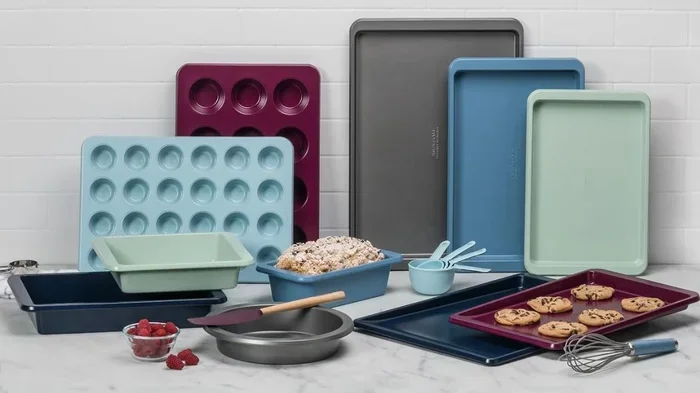
Building a collection of pre heated oven safe cookware makes cooking easier and more enjoyable. Here are some top options.
Cast Iron Skillets
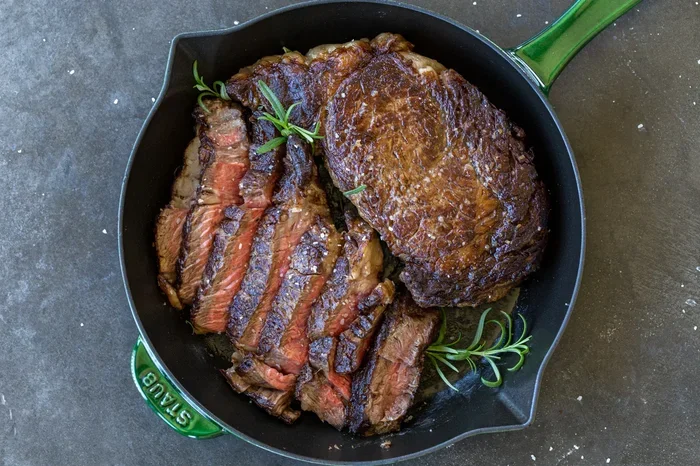
Cast iron is nearly indestructible. It handles extreme heat and distributes it evenly. A cast iron skillet can go from stovetop to oven without any issues. It is one of the best investments for any home cook.
Stainless Steel Bakeware
Stainless steel is durable, non-reactive, and handles high temperatures beautifully. It is perfect for roasting vegetables, baking bread, and making sheet pan dinners.
Ceramic Baking Dishes
Ceramic dishes look great and perform well. They retain heat beautifully and are ideal for casseroles, gratins, and baked pasta dishes. Look for dishes labeled pre heated oven safe to get the best results.
Glass Baking Trays
Glass bakeware lets you see your food as it cooks. It is perfect for lasagnas, cobblers, and roasted dishes. Just remember to stay within the temperature limit printed on the dish.
Silicone Baking Mats and Molds
Silicone is flexible, lightweight, and handles heat up to 450°F. It is perfect for baking cookies, muffins, and bread. Silicone is also easy to clean and reusable.
Quick Tips for Using Pre Heated Oven Safe Dishes
Follow these simple tips to get the most out of your pre heated oven safe cookware.
- Always preheat your oven first. Place the dish in only after the oven reaches the target temperature.
- Use oven mitts. Even oven safe dishes get hot. Protect your hands every time.
- Place dishes on center oven racks. This ensures the best heat circulation and even cooking.
- Let dishes cool before washing. Sudden temperature changes, like placing a hot dish in cold water, can cause cracking.
- Store dishes properly. Stack them with cloth or paper towels between pieces to prevent scratches and chips.
- Replace damaged dishes immediately. Cracks and chips can worsen during cooking and may harbor bacteria.
Expert Insights on Oven Safety
Professional chefs and cooking experts agree on one thing — understanding your cookware is essential. Chef Maria Torres, a culinary instructor with over 15 years of experience, shares this advice.
“The most common mistake I see in home kitchens is assuming everything is oven safe. Always read the label. A pre heated oven safe dish gives you confidence and better cooking results every single time.”
Another expert, food safety specialist Dr. James Lee, adds that using non-oven-safe dishes can pose health risks. Some materials release chemicals when exposed to high heat. This is especially true for low-quality plastics and certain nonstick coatings. Always choose heat resistant and oven proof materials for safety.
Key Takeaways
- Pre heated oven safe means the dish can go straight into a hot oven: No waiting, no cracking, and no surprises.
- Not all cookware is oven safe: Check for symbols, labels, and material type before placing anything in a hot oven.
- Thermal shock is the real enemy: Sudden temperature changes cause dishes to break, and preheated oven safe items resist this risk.
- Glass, ceramic, metal, and silicone each have different limits: Knowing your bakeware material helps you cook smarter.
- Preheating saves cooking time and improves results: Food cooks more evenly when the oven is already hot.
- Common mistakes include using non-oven-safe lids and ignoring temperature limits: Small oversights lead to big problems.
Frequently Asked Questions
What does pre heated oven safe mean in simple terms?
Pre heated oven safe means the dish or cookware can be placed directly into an oven that has already been heated to the cooking temperature. It can handle the high heat without cracking, warping, or releasing harmful substances. This label gives you confidence that your bakeware is built for the job.
How can I tell if my dish is pre heated oven safe?
Look at the bottom of the dish for an oven safe symbol or the words “pre heated oven safe.” Check the packaging or manual if you cannot find a label on the item. When in doubt, contact the manufacturer or stick to well-known oven safe brands like Pyrex, Lodge, or Staub.
Can I put a cold dish directly into a preheated oven?
If the dish is labeled pre heated oven safe, it is designed to handle the heat. However, for best results and to avoid thermal shock, let the dish come closer to room temperature first. This small step can extend the life of your heat resistant bakeware significantly.
Is all ceramic dishware pre heated oven safe?
Not all ceramic is created equal. Some ceramic dishes are heatproof and handle high temperatures well. Others are decorative and not meant for oven use. Always check the label. Look for dishes specifically marked as oven proof or pre heated oven safe before using them for baking or roasting.
What is the difference between microwave safe and oven safe?
Microwave safe means the dish can handle microwave radiation without cracking. Oven safe means it can handle dry, convective heat at high temperatures. A dish can be microwave safe but not oven safe. Always check both labels if you use your dish in multiple cooking methods.
Why did my oven safe dish crack anyway?
Even pre heated oven safe dishes can crack if exposed to sudden extreme temperature changes. For example, taking a hot dish from the oven and placing it on a cold wet surface can cause thermal shock. Always use a trivet or cooling rack. Also, check for existing chips or cracks, as these weaken the dish over time.
Final Thoughts
Understanding pre heated oven safe is one of the simplest yet most impactful things you can learn as a home cook. It protects your dishes, improves your cooking results, and keeps your kitchen running smoothly. The next time you reach for a baking dish, take a moment to check the label. Your future self will thank you.
Invest in quality bakeware that is truly pre heated oven safe. Build a small collection of trusted pieces that you can rely on for every recipe. Whether you are roasting vegetables, baking a casserole, or making a simple sheet pan dinner, the right dish makes all the difference.
Cooking should be fun and stress-free. When you know your tools are up to the task, you can focus on what really matters — enjoying the process and savoring the results. So preheat that oven, grab your pre heated oven safe dish, and get cooking with confidence.