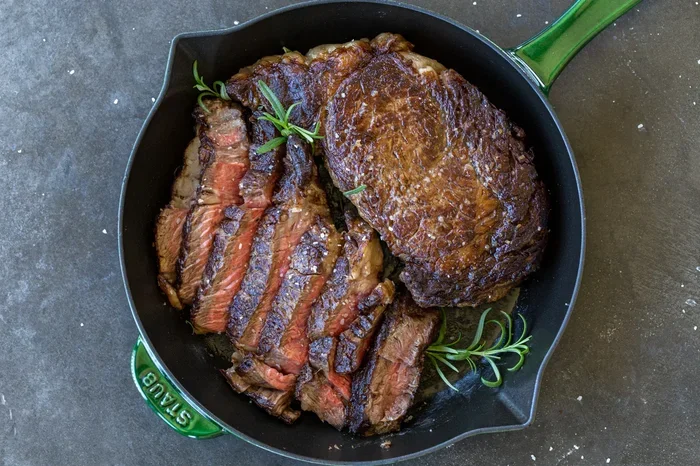
How Long To Put Ribeye In Oven For The Perfect Steak
Cooking a ribeye in the oven takes about 20 to 35 minutes at 400°F, depending on thickness and desired doneness. The key to a perfect oven-baked steak is bringing the meat to room temperature first, searing it hot and fast, then finishing it gently in the oven. Use an oven-safe thermometer to hit the exact internal temperature for your preferred level of doneness every single time.
There is something deeply satisfying about cooking a thick, beautiful ribeye steak in your own kitchen. The aroma alone fills the whole house with warmth and promise. But here is the question that trips up so many home cooks: how long to put ribeye in oven? The answer is not as simple as “20 minutes” or “30 minutes.” It depends on several factors that we will walk through together in this guide.
Whether you are a complete beginner or a seasoned home chef looking to sharpen your skills, this article covers everything you need to know about cooking ribeye in oven. We will talk about timing, temperatures, seasoning, and the little mistakes that can ruin an otherwise perfect steak. By the end, you will feel confident enough to pull off a restaurant-quality ribeye steak recipe right in your own kitchen.
The beauty of oven-baked steak is its simplicity. You do not need fancy equipment or years of experience. You just need the right information and a little patience. So let us dive into the details of how long to put ribeye in oven and make sure your next steak night is a total success.
Key Takeaways
- Timing depends on thickness: A 1-inch ribeye needs about 20 minutes, while a 2-inch cut may take 30 to 35 minutes at 400°F.
- Sear before baking: Always sear your ribeye in a hot skillet first. This locks in juices and builds a flavorful crust.
- Use a thermometer: An oven-safe thermometer is the single best tool for nailing the perfect internal temperature every time.
- Rest the steak: Let your ribeye rest for 5 to 10 minutes after cooking. This redistributes the juices for a tender bite.
- Bone-in vs boneless: Both work great in the oven. Bone-in adds extra flavor but may need a few extra minutes of cooking time.
- Room temp matters: Taking the steak out 30 to 45 minutes before cooking ensures even heat distribution and better results.
📑 Table of Contents
How Long To Put Ribeye In Oven — The Quick Answer
The short answer is that a standard ribeye steak cooks in the oven in about 20 to 35 minutes at 400°F. But that range is wide because several variables change the cooking time. A thin 1-inch steak will be done faster than a thick 2-inch cut. A bone-in ribeye may need a few extra minutes compared to a boneless piece. And your target internal temperature plays a big role too.
Here is a general breakdown to get you started:
- 1-inch thick ribeye: About 20 to 25 minutes at 400°F after searing.
- 1.5-inch thick ribeye: About 25 to 30 minutes at 400°F after searing.
- 2-inch thick ribeye: About 30 to 35 minutes at 400°F after searing.
These times assume you have already seared the steak on the stovetop for about 2 minutes per side. The oven finish is what brings the steak to the perfect internal temperature ribeye without overcooking the outside. Always use a meat thermometer to check the actual temperature rather than relying solely on the clock.
Quick Tips for Timing
- Always preheat your oven before placing the steak inside.
- Use a wire rack on a baking sheet for even air circulation.
- Poke the thermometer into the thickest part of the steak, avoiding bone if possible.
- Remember that the temperature will rise 5 to 10 degrees during resting.
Picking the Best Ribeye for Oven Cooking
Not all ribeye steaks are created equal when it comes to baking steak in oven. The cut you choose, its thickness, and the amount of marbling all affect the final result. Let us break down what to look for when you are at the butcher or grocery store.
Bone-In vs Boneless Ribeye
A bone-in ribeye has the rib bone still attached. This adds extra flavor during cooking because the bone insulates the meat and slowly releases marrow into the steak. Boneless ribeye, on the other hand, cooks a bit more evenly and is easier to slice. Both options work beautifully in the oven.
If you are wondering whether bone-in changes the cooking time for ribeye, the answer is yes, slightly. The bone acts as a heat shield, so the meat near the bone may be a touch cooler. You might need to add 3 to 5 minutes to the oven time for bone-in cuts. But honestly, the flavor difference is worth the extra wait.
Thickness Matters More Than You Think
The single biggest factor in how long to put ribeye in oven is thickness. A thin steak and a thick steak behave very differently in the oven. Here is why it matters:
- Thin steaks (under 1 inch): They cook fast and can go from perfect to overcooked in just a few minutes. Watch them closely.
- Medium steaks (1 to 1.5 inches): These are the sweet spot for oven cooking. They are forgiving and produce consistent results.
- Thick steaks (over 2 inches): These need a longer oven time and benefit greatly from the reverse sear method, which we will cover later.
Marbling and Quality Grade
Ribeye marbling refers to the white flecks of fat running through the meat. More marbling means more flavor and a juicier result. When you are choosing a ribeye for the oven, look for fine-grained marbling that is evenly distributed. USDA Choice and Prime grades both work well, but Prime will give you the most luxurious eating experience.
A well-marbled steak also has a higher tolerance for heat. The fat melts slowly and keeps the meat moist even if you accidentally cook it a touch longer. This makes it more forgiving for beginners who are still mastering their timing.
Step-by-Step: How to Cook Ribeye in the Oven
Now let us get into the actual process. Following these steps will give you a beautifully cooked ribeye steak recipe that rivals anything from a fancy steakhouse. The method is simple but precise, and once you do it a couple of times, it becomes second nature.
Step 1 — Bring the Steak to Room Temperature
Take your ribeye out of the fridge 30 to 45 minutes before cooking. This is one of the most overlooked steps in oven-baked steak preparation. A cold steak going into a hot oven cooks unevenly. The outside burns while the center stays cold.
Letting the steak warm up ensures that the heat penetrates more evenly. This alone can make a noticeable difference in the final result. Place the steak on a plate and leave it uncovered on the counter while you preheat the oven.
Step 2 — Season Generously
Good seasoning is the foundation of any great steak seasoning tips guide. Keep it simple for the best results. Here is what works:
- Coarse kosher salt — about 1 teaspoon per side
- Freshly cracked black pepper — a generous amount
- A light brush of olive oil or avocado oil
- Optional: garlic powder, smoked paprika, or a touch of onion powder
Salt the steak at least 15 minutes before cooking. This gives the salt time to draw out moisture and then reabsorb it, creating a better crust. Some cooks salt the night before and leave the steak in the fridge uncovered. This is an advanced technique that produces incredible results, but it is not necessary for a great meal.
Step 3 — Sear First, Then Bake
Searing steak before oven is the key to building flavor. The sear creates a caramelized crust through the Maillard reaction, which gives the steak that deep, savory, golden-brown exterior. Here is how to do it:
- Heat a cast iron skillet over high heat until it is smoking hot.
- Add a high-smoke-point oil like avocado oil or grapeseed oil.
- Place the steak in the skillet and sear for 2 minutes per side.
- Use tongs to sear the edges for about 30 seconds each.
- Transfer the skillet directly to the preheated oven.
Using the same skillet for the oven step saves cleanup and keeps the steak hot during the transfer. If your skillet is not oven-safe, simply transfer the steak to a wire rack set over a baking sheet before putting it in the oven.
Step 4 — Check the Internal Temperature
This is where the magic happens. Insert an oven-safe thermometer into the thickest part of the steak. Check the temperature a few minutes before you expect the steak to be done based on your timing estimates. Remember, the temperature will continue to rise after you pull the steak out.
For reference, here is how the temperature rises during cooking and resting:
| Remove from Oven At | Resting Rise | Final Temperature |
|---|---|---|
| 120°F (rare) | +5°F | 125°F |
| 130°F (medium-rare) | +5°F | 135°F |
| 140°F (medium) | +5°F | 145°F |
| 150°F (medium-well) | +5°F | 155°F |
This carryover cooking effect is why experienced cooks pull the steak off a few degrees early. It is one of the most important steak doneness secrets that separates good home cooks from great ones.
Step 5 — Rest Before Slicing
Resting steak after cooking is non-negotiable. When you cut into a hot steak immediately, all those beautiful juices run out onto the cutting board instead of staying in the meat. Give your ribeye at least 5 to 10 minutes to rest before slicing.
During resting, the muscle fibers relax and reabsorb the juices. The result is a steak that is juicy, tender, and full of flavor when you cut into it. Tent the steak loosely with aluminum foil to keep it warm without trapping too much steam, which can soften the crust.
Ribeye Doneness Temperature Guide
Understanding ribeye doneness levels is essential for cooking the steak exactly the way you like it. Everyone has their preference, and there is no wrong answer — only what you enjoy most. Let us go through each level so you know exactly what to aim for.
What Each Level Looks and Feels Like
Here is a breakdown of the five main doneness levels for oven-cooked ribeye:
- Rare (120 to 125°F): Cool red center. Very soft and juicy. Best for those who love a truly raw-feeling center.
- Medium Rare (130 to 135°F): Warm red center. This is the most popular choice for ribeye because it brings out the best flavor and texture.
- Medium (140 to 145°F): Pink center with a slightly firmer texture. A good middle ground for those who prefer less red.
- Medium Well (150 to 155°F): Slight hint of pink. More done but still retains some moisture.
- Well Done (160°F+): Little to no pink. Not recommended for ribeye because the fat melts away and the steak can become dry.
For most people, medium-rare is the sweet spot for ribeye. The fat has enough time to render and baste the meat from the inside, creating the most flavorful and tender bite possible.
Quick Tips for Checking Doneness
- The finger test works in a pinch. Touch your thumb to each finger and compare the firmness of the muscle under your thumb to the firmness of the steak.
- Always check temperature in the center of the thickest part.
- Remove the steak 5 degrees below your target temperature to account for carryover cooking.
- Do not skip the resting period. It is as important as the cooking itself.
Expert Insight
Professional chefs often recommend pulling ribeye at 125°F for medium-rare because the internal temperature will climb to 130 to 135°F during resting. This small adjustment makes a huge difference in consistency. The steak finishes cooking gently while you plate and garnish, giving you a perfect result every time.
Common Mistakes to Avoid When Cooking Ribeye in the Oven
Even experienced cooks make mistakes. But knowing what to avoid saves you from a ruined steak and a lot of frustration. Here are the most common errors people make when cooking ribeye in oven and how to fix them.
Skipping the Rest Period
This is the number one mistake. Cutting into a steak the moment it comes out of the oven releases all the juices. The steak may still taste good, but it will not have that perfect, juicy, melt-in-your-mouth texture. Set a timer and walk away for at least 5 minutes. Your patience will be rewarded.
Using the Wrong Oven Temperature
Some recipes call for very low temperatures (275°F) for a slow, gentle cook. Others use high temperatures (450°F+) for a quick roast. The standard 400°F is a great middle ground for most ribeye steaks. Going too hot can burn the outside while leaving the center raw. Going too low can dry out the meat over a long cook.
If you want to try a different approach, the reverse sear method is worth exploring. You cook the steak low and slow in the oven first (around 275°F), then finish with a hot sear in a skillet. This method gives you incredible edge-to-edge doneness and is especially great for thick cuts.
Not Letting the Steak Come to Room Temperature
We mentioned this in the step-by-step section, but it deserves its own callout. Putting a cold steak straight into the oven creates a temperature gradient. The outside overcooks while the center stays underdone. Thirty to forty-five minutes on the counter makes a real difference. It is a small step with a big payoff.
Overcrowding the Pan During Searing
When you sear the steak, give it space. Overcrowding the skillet drops the temperature and causes the meat to steam instead of sear. You want a hard, golden-brown crust, not a gray, boiled surface. Cook one steak at a time if needed, or use a large enough skillet to give each piece room.
Expert Tips for the Perfect Oven Ribeye Every Time
Now that you know the basics, let us elevate your game. These expert tips will take your oven-baked steak from good to absolutely outstanding.
The Reverse Sear Method
The reverse sear method is a game-changer for thick-cut ribeye. Instead of searing first and finishing in the oven, you do it in reverse. Here is how it works:
- Preheat your oven to 275°F.
- Place the seasoned steak on a wire rack over a baking sheet.
- Cook until the internal temperature is about 10 to 15 degrees below your target.
- Remove and sear in a screaming hot skillet for 1 to 2 minutes per side.
This method gives you incredible control and produces a steak with a perfect pink center and a beautiful crust. It is especially ideal for thick cut ribeye pieces that are 2 inches or thicker.
Best Seasoning Combinations
While salt and pepper is the classic choice, you can experiment with different flavor profiles. Here are a few combinations that pair beautifully with ribeye:
- Classic Steakhouse: Salt, pepper, garlic powder, and a touch of smoked paprika.
- Herb Butter Finish: Add fresh thyme and rosemary to a compound butter that melts over the hot steak.
- Spicy Kick: Chili flakes, cumin, and a pinch of cayenne pepper for those who like heat.
- Simple and Pure: Just salt, pepper, and a drizzle of olive oil. Let the quality of the meat speak for itself.
Pairing and Serving Suggestions
A great ribeye deserves great sides. Here are some ideas to round out your meal:
- Crispy roasted potatoes or garlic mashed potatoes
- Grilled asparagus or roasted broccoli
- A simple mixed green salad with a bright vinaigrette
- Corn on the cob or creamed corn for a summer twist
Pair your meal with a bold red wine like a Cabernet Sauvignon or a Malbec. The tannins in the wine complement the richness of the ribeye beautifully. But honestly, a cold beer or even sparkling water works perfectly too.
Key Takeaways for Oven Ribeye Success
- Timing varies with thickness: Always check the thermometer rather than the clock alone.
- Searing is essential: It builds flavor and creates that desirable crust.
- Rest the steak: This step is just as important as the cooking itself.
- Room temperature matters: Take the steak out 30 to 45 minutes before cooking.
- Practice makes perfect: Every cook is different. Your oven, your skillet, and your steak will all behave slightly differently. Adjust and learn with each attempt.
Conclusion
Cooking the perfect ribeye in the oven is easier than most people think. The key is understanding how long to put ribeye in oven and respecting the process. Bring the steak to room temperature, season well, sear hard, finish gently, and rest patiently. These steps work together to produce a steak that is juicy, flavorful, and cooked exactly the way you like it.
Remember that timing is a guideline, not a rigid rule. Your ribeye steak recipe may need slight adjustments based on thickness, oven accuracy, and personal preference. The best tool you have is an oven-safe thermometer. Use it, trust it, and you will never overcook a steak again.
Now that you have all the knowledge and techniques, it is time to put them into practice. Grab a beautiful ribeye, fire up your oven, and enjoy the process. Cooking a great steak is one of life’s simple pleasures, and there is nothing quite like the satisfaction of pulling off a perfect oven-baked steak right at home. Happy cooking!
Frequently Asked Questions
Can I cook ribeye in the oven without searing it first?
Yes, you can cook ribeye entirely in the oven without searing. This is sometimes called the “low and slow” method. You cook the steak at 275°F until it reaches your target internal temperature. However, you will miss out on the flavorful crust that searing provides. The results will still be good, but the texture and taste will not be as complex as a seared and oven-finished steak.
What is the best oven temperature for cooking ribeye steak?
400°F is the most popular and reliable temperature for oven-baked ribeye. It cooks the steak evenly and gives a nice crust when combined with a stovetop sear. If you prefer the reverse sear method, use 275°F for a gentler cook. Avoid temperatures above 450°F, as they can burn the outside before the inside is done.
How do I know when my ribeye is done without a thermometer?
The finger test is a classic method. Press the center of the steak with your finger and compare the firmness to the pad of your thumb when touching each finger. Rare feels like the base of your thumb when touching your index finger. Medium-rare feels like touching your middle finger. Medium feels like your ring finger. Well done feels like your pinky. However, a thermometer is far more accurate and highly recommended for consistent results.
Should I cover the ribeye with foil while it rests?
Yes, loosely tenting the steak with aluminum foil during resting is a good practice. It keeps the steak warm without trapping too much steam, which could soften the crust. Cover it loosely — do not wrap it tightly. Five to ten minutes is the ideal resting time for a standard ribeye steak.
Can I cook frozen ribeye in the oven?
It is not recommended to cook a frozen ribeye directly in the oven. The outside will overcook before the inside thaws, resulting in uneven doneness. Always thaw your steak in the refrigerator overnight or at room temperature for about an hour before cooking. If you must cook from frozen, use a low oven temperature and increase the cooking time significantly, but the results will not be as good as with a properly thawed steak.
How long should I let the ribeye rest after cooking?
Let your ribeye rest for at least 5 to 10 minutes after cooking. Thicker cuts benefit from the full 10 minutes. During this time, the juices redistribute throughout the meat, making each bite tender and flavorful. Cutting too early causes those juices to run out, leaving the steak drier than it should be.