How Long Do You Leave Cinnamon Rolls In The Oven To Bake
Baking cinnamon rolls to perfection comes down to timing and temperature. Most cinnamon rolls need about 25 to 35 minutes in a preheated 350°F oven to turn golden brown and fully cooked through. The exact baking time depends on your oven, the size of your rolls, and whether you are using fresh or frozen dough. This guide breaks down every step so you get soft, fluffy, and delicious cinnamon rolls every single time.
There is nothing quite like the smell of homemade cinnamon rolls filling your kitchen. The warm, sweet aroma of cinnamon sugar and butter baking in the oven can make anyone hungry. But here is the big question: how long do you actually leave cinnamon rolls in the oven?
The answer is not always straightforward. Baking time depends on several factors. Your oven type, the size of your rolls, and whether the dough is fresh or frozen all play a role. In this guide, we will walk you through everything you need to know about baking cinnamon rolls perfectly every time.
Whether you are a beginner baker or someone who has been making cinnamon roll recipe dishes for years, this article has you covered. We will cover oven temperature, rise time, baking duration, and how to tell when your rolls are done. Let us dive in and make sure your next batch comes out golden and delicious.
Key Takeaways
- Standard baking time: Most cinnamon rolls bake in 25 to 35 minutes at 350°F.
- Oven temperature matters: 350°F is the sweet spot for even baking and a golden crust.
- Size affects timing: Larger rolls need more time, while mini rolls bake faster.
- Always preheat your oven: Starting with a hot oven ensures proper rise and texture.
- Use the toothpick test: A clean toothpick confirms your cinnamon rolls are fully baked inside.
- Frozen rolls need extra time: Add 5 to 10 minutes when baking from frozen.
- Rest before frosting: Let cinnamon rolls cool slightly so the cream cheese frosting sets properly.
📑 Table of Contents
- How Long Do You Leave Cinnamon Rolls In The Oven To Bake
- The Perfect Oven Temperature For Cinnamon Rolls
- Step-by-Step Baking Process For Perfect Cinnamon Rolls
- How Long Should Cinnamon Rolls Rise Before Baking
- Common Mistakes That Affect Baking Time
- How to Tell When Cinnamon Rolls Are Done
- Tips For The Softest And Most Flavorful Cinnamon Rolls
- Baking Cinnamon Rolls From Frozen
- Adjusting Bake Time For Different Pan Types
- Conclusion
How Long Do You Leave Cinnamon Rolls In The Oven To Bake
The standard cinnamon roll baking time is about 25 to 35 minutes. Most recipes call for baking at 350°F. This temperature allows the dough to cook evenly without burning the outside before the inside is done.
But 25 to 35 minutes is just a starting point. Several things can change this window. Let us look at what really matters when it comes to bake cinnamon rolls the right way.
Why Timing Varies From Batch to Batch
Every batch of cinnamon roll dough is a little different. The moisture content, the thickness of your filling, and the size of your rolls all affect how long they need in the oven. A large, thick roll packed with gooey filling will take longer than a thin, mini roll.
Your oven also plays a big role. Some ovens run hot, while others run cool. If you have an older oven, it might not heat evenly. This means your oven-baked cinnamon rolls could brown faster on one side than the other.
Altitude matters too. If you live at a high altitude, you may need to adjust both the temperature and the baking time. At higher elevations, liquids evaporate faster, which can dry out your yeast dough cinnamon rolls if you are not careful.
The Perfect Oven Temperature For Cinnamon Rolls
Getting the right oven temperature for cinnamon rolls is just as important as timing. The most common and recommended temperature is 350°F. This setting works well for most homemade cinnamon rolls because it provides gentle, even heat.
Some recipes call for 375°F or even 400°F. These higher temperatures can create a crispier exterior. But they also increase the risk of burning the outside before the inside is fully cooked. For most home bakers, 350°F is the safest and most reliable choice.
What Happens If Your Oven Is Too Hot?
If your oven runs hot, your cinnamon rolls may brown too quickly. The outside can turn dark brown or even black while the inside remains raw or gummy. This is a common problem with many home ovens.
To fix this, invest in an oven thermometer. These inexpensive tools tell you the true temperature inside your oven. Place it inside before you preheat. If your oven runs 25 degrees hot, lower the setting by 25 degrees. This simple trick can save many batches of golden brown cinnamon rolls from disaster.
What Happens If Your Oven Is Too Cool?
A cool oven means your cinnamon roll dough will take longer to bake. The rolls may rise unevenly and the texture can be dense instead of light and fluffy. If your oven runs cool, extend the baking time by 5 to 10 minutes and check for doneness more frequently.
Step-by-Step Baking Process For Perfect Cinnamon Rolls
Now that you know the basics of cinnamon roll baking time and temperature, let us walk through the full process step by step. Following these steps will help you achieve the best possible results.
Step One: Prepare Your Dough
Start by preparing your cinnamon roll dough according to your favorite cinnamon roll recipe. Most recipes involve mixing flour, yeast, sugar, butter, and milk. Knead the dough until it is smooth and elastic. This usually takes about 8 to 10 minutes by hand.
Place the dough in a greased bowl and cover it with a damp towel. Let it rise in a warm place for about 1 to 2 hours. The dough should double in size. This rise time for cinnamon rolls is crucial for achieving a soft and fluffy texture.
Step Two: Shape and Fill Your Rolls
Once your dough has risen, roll it out into a rectangle. Spread a generous layer of butter over the surface. Sprinkle cinnamon sugar evenly across the butter. The ratio of cinnamon to sugar can vary based on your taste. Some people like a stronger cinnamon flavor, while others prefer a sweeter roll.
Roll the dough tightly into a log. Use a sharp knife or dental floss to cut the log into even pieces. Place each piece cut-side down in a greased baking dish. Make sure the rolls are not touching each other. They need room to expand while baking.
Step Three: Second Rise
Before you put the rolls in the oven, let them rise a second time. Cover the baking dish with a towel and let it sit for 30 to 45 minutes. The rolls should puff up slightly. This second rise for cinnamon rolls creates a lighter, airier texture after baking.
Do not skip this step. Many people rush through it, and the result is dense, heavy rolls. Patience here pays off big time.
Step Four: Preheat and Bake
While the rolls are going through their second rise, preheat your oven to 350°F. Let the oven heat for at least 10 to 15 minutes. A fully preheated oven ensures even baking from the start.
Place the baking dish in the center of the oven. Set a timer for 25 minutes. At the 25-minute mark, check the cinnamon rolls. They should be golden brown on top. If they are not, continue baking in 3 to 5 minute intervals until they reach the right color.
How Long Should Cinnamon Rolls Rise Before Baking
Rise time for cinnamon rolls is just as important as baking time. A proper rise develops flavor and creates that soft, pillowy texture we all love. There are two rises in most cinnamon roll recipes, and both matter.
The first rise happens after you knead the dough. Cover the bowl and let it sit in a warm spot for 1 to 2 hours. The dough should double in size. If your kitchen is cold, this process takes longer. You can speed it up by placing the bowl in a slightly warm oven (turned off) with a bowl of hot water nearby.
The second rise happens after you shape the rolls and place them in the baking dish. This rise takes about 30 to 45 minutes. The rolls should look puffy and slightly risen. They will not double in size this time, but they should look noticeably bigger than when you first placed them in the dish.
Can You Skip the Second Rise?
Technically, yes. But your cinnamon rolls will be denser and less fluffy. The second rise allows the yeast to create more air pockets in the dough. These air pockets expand in the oven, giving you that light, airy texture.
If you are in a hurry, you can combine both rises into one longer session. Let the dough rise for 2 to 3 hours total before shaping. Then skip the second rise and go straight to baking. The results will not be as good as doing both rises, but they will still taste great.
How Long Can You Let Cinnamon Rolls Rise?
If you want to prepare cinnamon rolls ahead of time, you can let them rise in the refrigerator overnight. Cover the baking dish tightly with plastic wrap and place it in the fridge. The cold temperature slows the yeast activity but does not stop it entirely.
In the morning, take the rolls out and let them come to room temperature for about 30 minutes. Then preheat the oven and bake as usual. This method adds a subtle depth of flavor that many bakers love. It is a great trick for weekend baking or holiday gatherings.
Common Mistakes That Affect Baking Time
Even experienced bakers make mistakes when baking cinnamon rolls. Here are the most common errors that affect baking time and results. Avoiding these pitfalls will help you achieve perfect oven-baked cinnamon rolls every time.
Not Preheating the Oven
This is the number one mistake. Putting cinnamon roll dough into a cold oven throws off the entire baking process. The rolls will rise unevenly and the baking time becomes unpredictable. Always preheat your oven for at least 10 to 15 minutes before placing the rolls inside.
Overfilling the Rolls
It is tempting to pack as much cinnamon sugar filling as possible into each roll. But overfilling causes the rolls to burst open during baking. The filling leaks out and creates a messy, uneven bake. Use a moderate amount of filling and spread it evenly for the best results.
Using the Wrong Pan Size
The size of your baking dish matters. If the pan is too small, the rolls crowd together and bake unevenly. If the pan is too large, the rolls spread out too much and dry out. A standard 9×13 inch baking dish works well for most homemade cinnamon rolls recipes.
Opening the Oven Door Too Often
Every time you open the oven door, heat escapes. This can cause your cinnamon rolls to sink or bake unevenly. Resist the urge to check on them too frequently. Use the oven light to peek inside instead. Trust your timer and only open the door when it is time to check for doneness.
Ignoring Your Oven Hot Spots
Most ovens have hot spots. These are areas that run hotter than others. If you notice that your cinnamon rolls are browning unevenly, try rotating the baking dish halfway through the bake. This simple step promotes even cinnamon roll baking and a consistent golden color.
How to Tell When Cinnamon Rolls Are Done
Knowing when to pull your cinnamon rolls out of the oven is a skill that comes with practice. But there are clear signs you can look for to avoid underbaking or overbaking.
The Golden Brown Test
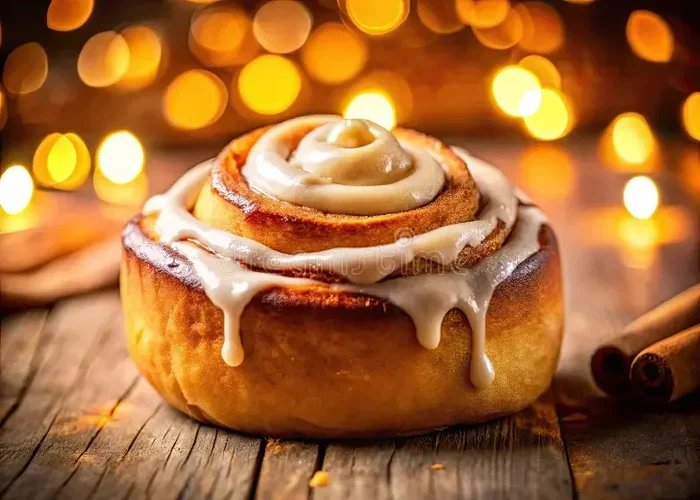
The easiest way to check is by color. Your golden brown cinnamon rolls should have a light to medium brown top. If the top is pale, they need more time. If they are dark brown or nearly black, they have been in too long.
Use the color of the edges as a guide too. The sides should be slightly darker than the top. This indicates even heat distribution and a properly baked roll.
The Toothpick Test
Insert a toothpick or a thin skewer into the center of the largest roll. Pull it out and check the result. If it comes out clean or with just a few crumbs, the rolls are done. If it comes out with wet batter, they need more time.
This test is especially helpful for larger rolls where the center might not be fully baked even when the top looks done. Always check the center, not just the surface.
The Internal Temperature Test
For the most accurate result, use a food thermometer. Insert it into the center of a roll. The internal temperature should reach 190°F to 200°F. This confirms that the dough is fully cooked and the cinnamon roll texture will be soft and fluffy.
This method takes the guesswork out of baking cinnamon rolls. It is especially useful if you are new to baking or if you are working with a particularly large batch.
Tips For The Softest And Most Flavorful Cinnamon Rolls
Baking is both a science and an art. A few extra tips can elevate your homemade cinnamon rolls from good to amazing. Here are some expert cinnamon roll tips that make a real difference.
Use Room Temperature Ingredients
Cold ingredients do not mix well with cinnamon roll dough. Butter, eggs, and milk should all be at room temperature before you start. This helps the ingredients blend smoothly and creates a more consistent texture.
Take your ingredients out of the refrigerator about 30 minutes before you begin. This small step can significantly improve the quality of your soft cinnamon rolls.
Do Not Rush the Rise
Patience is key when making cinnamon rolls. Rushing the rise leads to dense, flavorless rolls. Give the yeast time to work its magic. The result is a lighter, more flavorful product that is worth the wait.
Add a Pinch of Salt
Salt enhances flavor in ways you might not expect. A small pinch of salt in your cinnamon roll dough brings out the sweetness of the filling and balances the richness of the butter. Do not skip this step, even if your recipe does not call for it explicitly.
Use Fresh Yeast or Check Expiration Dates
Old or expired yeast will not make your dough rise properly. Always check the expiration date before you start. If you are using active dry yeast, dissolve it in warm water first. If it does not foam within 10 minutes, it is no longer active and you need fresh yeast.
Frost Right After Baking
The best time to add cream cheese frosting is while the rolls are still warm. The heat melts the frosting slightly, allowing it to seep into the cracks and crevices of the rolls. This creates a beautiful glaze and adds extra moisture to every bite.
Make your frosting while the rolls are baking so it is ready to go the moment they come out of the oven. A simple cream cheese frosting with powdered sugar, butter, vanilla, and a splash of milk works perfectly with most cinnamon roll recipes.
Baking Cinnamon Rolls From Frozen
Many people keep frozen cinnamon rolls on hand for quick breakfasts or weekend treats. Baking from frozen is convenient, but it requires a slightly different approach.
Do not thaw frozen cinnamon rolls before baking. Place them directly in a cold oven and then set the temperature to 350°F. The gradual thawing and baking process helps the rolls rise properly and creates a better texture.
Frozen cinnamon roll baking time is typically 5 to 10 minutes longer than fresh rolls. Plan for 35 to 45 minutes at 350°F. Check for doneness using the methods described above. The top should be golden brown and the center should be fully cooked.
If you prefer, you can thaw the rolls overnight in the refrigerator and then bake them fresh in the morning. This method gives you a slightly fresher taste and a shorter bake time. Either approach works well for homemade cinnamon rolls made from frozen dough.
Adjusting Bake Time For Different Pan Types
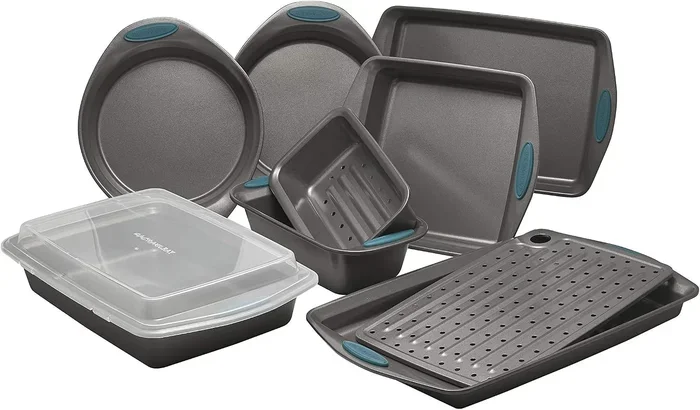
The type of pan you use can affect how quickly your cinnamon rolls bake. Dark pans absorb more heat and can cause the bottoms to brown faster. Light-colored pans reflect heat and promote more even baking.
Glass pans take longer to heat up but retain heat well. If you are using a glass baking dish, you may need to add 5 minutes to the standard cinnamon roll baking time. Ceramic pans behave similarly to glass.
Metal pans heat up quickly and promote browning. They are the most common choice for bake cinnamon rolls because they provide a nice crispy bottom. Just keep an eye on the color and adjust the time as needed.
For mini cinnamon rolls, reduce the baking time by about 5 minutes. These small rolls cook through much faster than full-sized ones. Check them at the 20-minute mark to avoid overbaking.
Conclusion
So how long do you leave cinnamon rolls in the oven? The answer is typically 25 to 35 minutes at 350°F. But as we have covered, many factors influence this timeline. The size of your rolls, your oven type, and whether you are using fresh or frozen dough all play a role.
The key to perfect cinnamon rolls is patience and attention. Preheat your oven properly. Give the dough enough time to rise. Check for doneness using the golden brown color, the toothpick test, or a food thermometer. And always frost while the rolls are still warm for the best flavor and texture.
Once you master the cinnamon roll baking time and temperature basics, you can experiment with different fillings, frostings, and shapes. The possibilities are endless. Soon you will be making homemade cinnamon rolls that rival any bakery. So preheat that oven, roll out the dough, and get ready to enjoy one of life’s greatest treats.
Frequently Asked Questions
Can I bake cinnamon rolls at 400°F instead of 350°F?
You can, but the results will be different. A higher temperature like 400°F reduces the baking time to about 20 to 25 minutes. However, it increases the risk of burning the outside before the inside is fully cooked. For most home bakers, 350°F is the safer and more reliable choice for even cinnamon roll baking.
How do I know if my cinnamon rolls are underbaked?
Underbaked cinnamon rolls will have a pale top and a dense, doughy center. If you insert a toothpick into the middle and it comes out with wet batter, the rolls need more time. The internal temperature should reach 190°F to 200°F for fully baked, soft cinnamon roll texture.
Can I leave cinnamon rolls in the oven overnight?
No, you should never leave cinnamon rolls in the oven overnight. Overbaked rolls become dry, hard, and burnt. They are a fire hazard if left unattended for too long. Always set a timer and check your cinnamon rolls regularly during the baking process.
Why are my cinnamon rolls raw in the middle?
This usually happens when the oven temperature is too low or the rolls are too large. If the cinnamon roll dough is packed too thick, the center may not cook through even when the top looks done. Try reducing the size of your rolls or lowering the oven rack to promote more even bake cinnamon rolls results.
Should I cover cinnamon rolls with foil while baking?
Most cinnamon rolls do not need foil. Covering them traps steam and can make the top soggy. However, if your rolls are browning too quickly, you can loosely tent them with foil for the last 5 to 10 minutes of cinnamon roll baking time. This protects the top while the center finishes cooking.
How long can baked cinnamon rolls sit out before they go bad?
Freshly baked homemade cinnamon rolls with frosting should be eaten within 2 hours at room temperature. Without frosting, they can last up to 2 days on the counter. For longer storage, wrap them tightly and keep them in the refrigerator for up to 3 days or freeze them for up to 3 months.