What Is The Inside Of An Oven Made Of And Why It Matters
Have you ever wondered what is the inside of an oven made of? The answer involves multiple layers of materials like stainless steel, porcelain enamel, and refractory brick. Each layer plays a specific role in heat retention, cooking performance, and long-term durability.
Have you ever wondered what is the inside of an oven made of? The interior of your oven is more than just a metal box. It is built with carefully chosen materials that affect how your food cooks every single day. The oven interior materials include refractory bricks, stainless steel, and ceramic coatings. Understanding these layers helps you bake better and care for your appliance properly.
When you think about your oven, you probably focus on the food it makes. But the inside of the oven matters just as much. The materials used in oven construction directly impact heat distribution, cooking performance, and how long your oven will last.
Every oven has layers. From the outer shell to the inner cooking chamber, each part serves a purpose. Knowing what is the inside of an oven made of gives you an edge in the kitchen. It helps you choose the right oven and maintain it better.
Now let us dive into the details and explore everything about oven interiors.
Key Takeaways
- Oven interiors use multiple materials: stainless steel, porcelain enamel, ceramic, and refractory brick form the cooking chamber and walls.
- Material choice affects cooking: different interiors distribute heat differently, impacting baking results and cooking speed.
- Maintenance matters: proper cleaning extends the life of your oven interior and keeps cooking performance consistent.
- Not all ovens are built the same: pizza ovens, conventional ovens, and toaster ovens use different interior materials for their specific purposes.
- Heat retention is key: the insulation and lining materials determine how well your oven holds temperature.
- Quality construction pays off: investing in an oven with good interior materials means better performance and fewer repairs.
📑 Table of Contents
Understanding Your Oven’s Interior
Before we look at specific materials, let us understand the basic structure. The inside of an oven is not just one flat surface. It is a system of layers and components working together. Each part has a job to do.
The Cooking Chamber
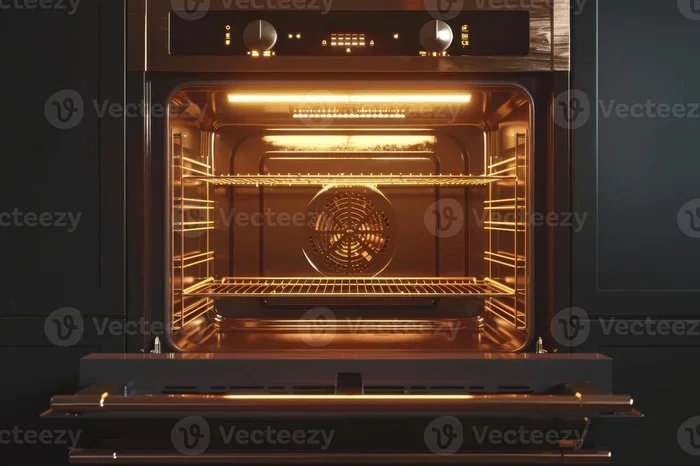
The cooking chamber is the space where your food sits. This is the oven cavity where heat surrounds your dishes. The oven cavity walls are lined with materials designed to reflect and hold heat. A well-built cooking chamber ensures even baking and roasting.
The size of the oven cavity varies. A standard home oven cavity is about 16 inches wide. Larger ovens can accommodate big roasts or multiple baking sheets. The cooking chamber is lined with materials that can withstand temperatures above 500 degrees Fahrenheit. The oven door glass also plays a role in sealing the cavity and trapping heat inside.
The Oven Walls and Insulation
Behind the cooking chamber, there are more layers. The oven walls contain insulation that keeps heat inside. This thermal insulation prevents your kitchen from overheating. It also saves energy by keeping the temperature stable.
Most ovens use fiberglass or mineral wool insulation. These materials are lightweight and excellent at trapping heat. The outer shell of the oven is usually made of steel or aluminum. Together, these layers create a sealed cooking environment. The oven lining on the inside prevents heat from escaping through the walls.
What Is The Inside Of An Oven Made Of: Key Materials
Now we get to the heart of the topic. The answer to what is the inside of an oven made of depends on the type of oven. But most ovens share common interior materials. Let us break them down one by one.
Stainless Steel Interior
Many modern ovens use a stainless steel interior. This material is durable and easy to clean. Stainless steel ovens resist rust and corrosion well. They are also non-reactive, which means they do not alter the taste of your food.
Stainless steel distributes heat evenly across the oven walls. This helps prevent hot spots. A stainless steel oven interior can last for many years with proper care. It is a popular choice for both home and professional kitchens.
However, stainless steel can show fingerprints and smudges. It also takes longer to heat up compared to other materials. Some bakers prefer other options for faster heat response. The oven lining in stainless steel models is typically smooth and seamless.
Porcelain Enamel Coating
Porcelain enamel is a glass-like coating fused to metal. Many ovens feature a porcelain enamel interior. This coating creates a smooth, non-porous surface. Food does not stick easily to porcelain enamel.
This material is excellent at reflecting heat. It helps maintain consistent temperatures inside the oven. Porcelain enamel is also easy to wipe clean. A damp cloth removes most spills and splatters quickly.
The downside is that porcelain enamel can chip over time. If the coating cracks, the underlying metal may rust. You should avoid using metal utensils on porcelain surfaces. Gentle cleaning extends the life of this interior type. Many people love porcelain enamel because it looks clean and white.
Ceramic and Refractory Linings
Ceramic linings and refractory brick are common in specialty ovens. A pizza oven or bread oven often uses refractory materials. These materials absorb and store heat very effectively. They release it slowly, creating a steady cooking environment.
Refractory brick is made from clay and other minerals. It can handle extreme temperatures without cracking. Ceramic coatings provide a natural non-stick surface for baking. Many artisan bakers prefer ceramic or refractory interiors for bread making.
These materials are heavier than steel. They also take longer to preheat. But once hot, they deliver outstanding heat retention. This is why pizza ovens and bread ovens use them. The oven floor in these models is often a thick slab of refractory material.
Carbon Steel and Other Options
Some high-end ovens use carbon steel for their interior. Carbon steel heats up fast and holds heat well. It is lighter than cast iron but still very durable. The oven lining in carbon steel models tends to be thinner than other options.
Other ovens may use aluminized steel or specialized coatings. Each material has its own strengths. The choice depends on the oven type and intended use. Understanding your oven interior materials helps you get the best results.
How Oven Interior Materials Affect Cooking Performance
The material inside your oven is not just about durability. It directly affects how your food cooks. Let us look at the key performance factors that matter most.
Heat Retention and Distribution
Different materials hold and release heat in different ways. Stainless steel heats up quickly but loses heat fast. Porcelain enamel holds heat more steadily. Refractory brick retains heat the longest.
Heat retention matters for baking. If your oven loses heat when you open the door, your food may not cook evenly. Materials with good thermal mass keep the temperature stable. This is especially important for bread and pizza. The pizza oven insulation in these models is usually much thicker than in home ovens.
Heat distribution is equally important. You want consistent temperatures across the entire oven cavity. Poor distribution leads to unevenly baked food. Some ovens use fans to improve heat circulation. But the interior material still plays a big role in how evenly your food cooks.
The Role of the Oven Deck and Baking Surface
The oven floor, also called the oven deck, is a key component. The baking surface you cook on affects your results. Many ovens come with removable oven racks and a smooth oven floor.
A stone oven deck mimics traditional pizza ovens. It absorbs moisture from dough, creating a crispy crust. Baking steel works similarly but heats up faster. You can place these surfaces directly on the oven floor or on a rack.
The oven racks also matter. They hold your food at different heights. This lets you control how close your food is to the heat source. Quality racks should be sturdy and rust-resistant. The oven floor itself should be thick enough to store and radiate heat evenly.
Quick Tip: Place a baking stone on the lowest rack for the best pizza crust. Preheat for at least 45 minutes for optimal results. This improves heat retention on the baking surface significantly.
Different Types of Ovens and Their Interior Construction
Not all ovens are built the same way. Different oven types use different interior materials. Let us compare the most common options and see how each oven is constructed inside.
Conventional Ovens
Standard home ovens typically use stainless steel or porcelain enamel interiors. These materials balance durability with affordability. The oven construction focuses on even heat distribution for everyday cooking.
Most conventional ovens have a single layer of insulation. The cooking chamber is lined with a smooth, easy-to-clean surface. These ovens work well for roasting, baking, and broiling. The oven walls are usually enameled steel or stainless steel.
Pizza Ovens and Wood-Fired Models
Pizza ovens are built differently from home ovens. They use refractory brick for the cooking chamber. The pizza oven insulation is thicker to maintain extreme heat. Wood-fired models can reach temperatures above 800 degrees Fahrenheit.
The interior of a pizza oven is designed for radiant heat. The refractory materials store heat and release it evenly. This creates the perfect environment for Neapolitan-style pizza. The oven floor is often made of special pizza stone or ceramic tile.
Toaster Ovens and Compact Models
Smaller ovens like toaster ovens have their own interior design. They often use a combination of steel and ceramic-coated surfaces. The oven cavity is smaller, so heat builds up faster.
Toaster oven interiors need to be easy to clean. Many feature removable crumb trays and non-stick surfaces. The insulation is thinner due to the compact size. But these ovens still deliver good cooking performance for their size. The oven door glass is usually smaller but serves the same purpose.
Comparison Table: Oven Interior Materials
| Material | Durability | Heat Retention | Ease of Cleaning | Best For |
|---|---|---|---|---|
| Stainless Steel | Excellent | Moderate | Easy | Everyday cooking, even heating |
| Porcelain Enamel | Good | Good | Very Easy | Smooth baking, easy cleanup |
| Refractory Brick | Excellent | Excellent | Moderate | Pizza, bread, high-heat cooking |
| Ceramic Coating | Good | Good | Easy | Artisan baking, non-stick needs |
| Carbon Steel | Very Good | High | Moderate | Fast heating, searing |
Maintenance and Care for Your Oven’s Interior
Your oven interior works hard every day. Proper care keeps it performing at its best. Different materials need different cleaning approaches. A little effort goes a long way in extending the life of your oven.
Cleaning Tips for Different Materials
For stainless steel interiors, use a mild degreaser. Avoid abrasive pads that can scratch the surface. Wipe in the direction of the grain for the best results. A baking soda paste works well for stubborn stains.
Porcelain enamel interiors should be cleaned with gentle soap and water. Do not use steel wool or harsh scrubbers. If food is stuck, soak the area with warm water first. This softens the residue for easy removal. Never use oven cleaners on porcelain surfaces unless the manufacturer approves them.
Refractory brick interiors should never be washed with water. Moisture can damage the porous material. Instead, scrape off debris with a brush. A dry cloth removes loose crumbs and dust. Keep the oven door glass clean too, as it affects how well you can monitor your food.
Expert Insight: Clean your oven interior after every use. A quick wipe prevents buildup and keeps your oven performing like new. Regular maintenance also reduces smoke and odors during cooking. This simple habit extends the life of your oven lining significantly.
Common Mistakes to Avoid
Many people make mistakes when caring for their oven interior. Here are the most common ones to avoid:
- Using harsh chemical cleaners: These can damage interior coatings. Stick to mild, food-safe cleaners for all oven types.
- Scrubbing with metal tools: Metal scrapers scratch porcelain and ceramic surfaces. Use wooden or silicone tools instead.
- Ignoring spills: Burnt-on food becomes harder to remove over time. Clean spills while they are still warm.
- Overusing the self-clean cycle: Frequent self-cleaning can wear out interior materials faster. Use it only when necessary.
- Neglecting the oven door seal: A damaged seal lets heat escape. Check the gasket regularly and replace it when worn.
- Using the wrong oven liner: Some oven liners can melt or release chemicals at high temperatures. Always use heat-safe liners.
Expert Insights on Oven Interior Materials
Professional chefs and appliance engineers agree on one thing. The interior of your oven matters more than most people realize. The right materials make a real difference in cooking results.
According to appliance testing experts, the oven interior affects baking consistency more than most users expect. Materials with good thermal mass provide steadier temperatures. This leads to more predictable and reliable cooking outcomes. The oven construction quality directly impacts how your food turns out.
Professional bakers often choose ovens based on the interior material. For bread baking, they look for thick oven walls and a stone deck. For pastry, they prefer smooth porcelain surfaces that distribute heat gently. Understanding these preferences helps you make better choices for your kitchen.
The construction of the oven interior also affects energy efficiency. Well-insulated ovens with quality interior materials use less electricity or gas. Over time, this saves money on your utility bills. It is also better for the environment. The oven door glass and seals play a supporting role in maintaining efficiency.
Quick Tips for Choosing the Right Oven
- Consider what you cook most often. If you bake bread, look for refractory or stone interiors. If you roast vegetables, stainless steel works great.
- Check the oven cavity size. Make sure it fits your largest cooking sheets and dishes comfortably.
- Read reviews about heat distribution. Real user feedback reveals how evenly an oven actually cooks across the baking surface.
- Look for warranty coverage. A good warranty protects your investment in quality oven construction and interior materials.
- Think about maintenance. Choose materials you are comfortable cleaning regularly. Some surfaces need more care than others.
- Test the oven door glass. Make sure it seals properly and is easy to clean. A good seal improves heat retention.
The inside of your oven is the foundation of great cooking. When you understand what it is made of, you can get the most from every meal. Take the time to learn about your specific oven model. Read the manufacturer’s guide for care instructions. This small effort pays off in better food and a longer-lasting appliance.
Whether you have a basic toaster oven or a professional-grade pizza oven, the interior materials matter. They affect everything from heat retention to cleaning ease. The next time you preheat your oven, take a moment to appreciate the engineering behind it. Your oven interior works hard for you every single day.
Now that you know what is the inside of an oven made of, you can cook with more confidence. Choose the right oven for your needs. Care for it properly. And enjoy the delicious results that come from a well-built cooking chamber. Your kitchen and your taste buds will thank you.
Frequently Asked Questions
What is the inside of an oven made of in a standard home oven?
Most standard home ovens use a combination of stainless steel and porcelain enamel for the interior. The cooking chamber walls are lined with one of these materials, and the oven cavity is insulated with fiberglass or mineral wool. The oven racks are typically made of stainless steel or chrome-coated steel.
Can you replace the interior lining of an oven?
In many cases, yes. Some oven manufacturers sell replacement interior panels. However, the process varies by model. It is best to consult your oven’s manual or contact the manufacturer. DIY replacement can void the warranty if not done correctly.
Why does my oven interior have a white coating?
A white coating inside your oven is usually porcelain enamel. This glass-like finish is baked onto metal surfaces during manufacturing. It creates a smooth, non-porous surface that is easy to clean. The white color also helps reflect heat evenly throughout the oven cavity.
Is a stainless steel or porcelain enamel oven interior better?
Both have advantages. Stainless steel is more durable and resistant to chipping. Porcelain enamel is smoother and easier to clean. The best choice depends on your cooking habits. If you bake frequently and want easy cleanup, porcelain enamel is a great option. For heavy-duty use, stainless steel holds up longer.
How often should I clean the inside of my oven?
You should wipe down the interior after every use. A deep clean every one to three months keeps the oven performing well. For porcelain enamel, avoid abrasive cleaners. For stainless steel, use a gentle degreaser. Refractory interiors should only be brushed dry.
Do pizza ovens use different interior materials than home ovens?
Yes, pizza ovens use refractory brick and ceramic linings instead of stainless steel. These materials are designed to withstand much higher temperatures. They also store and radiate heat differently, which is essential for making authentic pizza. The oven floor in a pizza oven is typically made of special stone or ceramic, and the pizza oven insulation is much thicker than in standard home ovens.
=== CONCLUSION ===
The inside of an oven is a carefully engineered system. From the cooking chamber to the insulation layers, every material serves a purpose. Understanding what is the inside of an oven made of helps you cook better and care for your appliance longer.
Stainless steel, porcelain enamel, refractory brick, and ceramic coatings each bring something unique to the table. Your choice of oven depends on what you cook and how you use it. No matter which type you have, proper maintenance keeps the interior in top shape.
Take what you have learned here and apply it in your kitchen. Check your oven’s interior material. Clean it the right way. And enjoy the difference that a well-maintained oven makes in your cooking. The inside of your oven matters more than you think, and now you know exactly why.