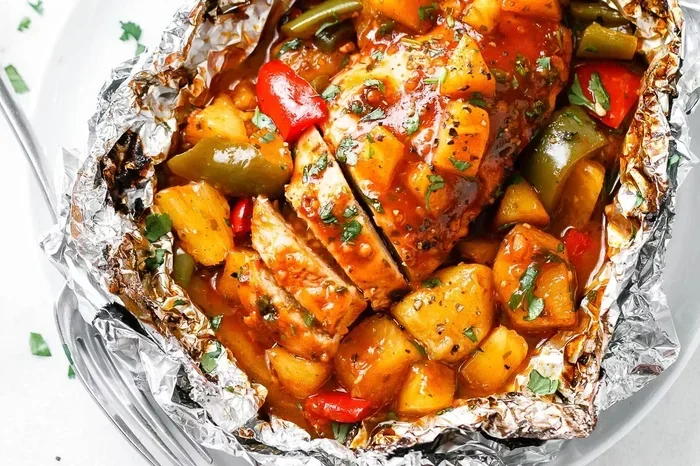
Can You Cook Chicken On Aluminum Foil In The Oven Safely
Yes, you can cook chicken on aluminum foil in the oven safely when you follow proper guidelines. Using oven-safe aluminum foil helps trap moisture, keeps the chicken juicy, and simplifies cleanup. This guide covers safe temperatures, cooking times, best recipes, and common mistakes to avoid. Whether you are baking chicken breast or roasting a whole bird, foil can be your best kitchen helper. Read on to master the art of cooking chicken with aluminum foil in your oven.
Have you ever wondered whether can you cook chicken on aluminum foil in the oven? It is a question many home cooks ask, especially when they want easy cleanup and perfectly moist chicken. The good news is that yes, you absolutely can. Cooking chicken on aluminum foil in the oven is a tried-and-true method that delivers delicious results every time.
Using aluminum foil for chicken might seem simple, but there are important safety tips, timing guidelines, and recipe ideas you should know. This guide walks you through everything step by step. By the end, you will feel confident wrapping, baking, and serving chicken wrapped in foil like a pro.
We will cover safety concerns, the best recipes, common mistakes, and expert tips that elevate your oven-baked chicken game. Whether you prefer chicken breast, thighs, or a whole roast, foil cooking has something to offer. Let us dive right in and explore the wonderful world of aluminum foil cooking for chicken.
Key Takeaways
- Safe Cooking Method: Aluminum foil is oven-safe and works great for cooking chicken at recommended temperatures.
- Juicy Results: Foil traps steam and chicken juices, keeping the meat moist and tender throughout baking.
- Easy Cleanup: Lining your baking dish with foil makes post-cooking cleanup a breeze.
- Temperature Matters: Always cook chicken to an internal temperature of 165°F for food safety.
- Avoid Acidic Marinades: Do not use foil with acidic ingredients like lemon or tomato for long periods to prevent aluminum leaching.
- Multiple Recipes Work: From foil packet chicken breast to whole roast chicken, foil adapts to many chicken cooking methods.
- Crispy Skin Tip: Remove foil for the last 10-15 minutes to get crispy skin on oven-baked chicken.
📑 Table of Contents
- What Happens When You Cook Chicken on Aluminum Foil
- Is It Safe to Cook Chicken on Aluminum Foil in the Oven
- Best Chicken Recipes You Can Make with Aluminum Foil
- Tips for Cooking Chicken on Aluminum Foil Like a Pro
- Common Mistakes People Make When Using Foil for Chicken
- Foil vs Other Cooking Methods for Chicken
- Key Takeaways
What Happens When You Cook Chicken on Aluminum Foil
How Aluminum Foil Affects Chicken Cooking
When you place chicken on aluminum foil in the oven, something interesting happens. The foil creates a sealed environment around the meat. This trapped space holds in steam and moisture. The result is chicken that stays incredibly juicy and tender throughout the baking process.
The foil also acts as a gentle heat distributor. It reflects heat back toward the chicken, cooking it more evenly. This means fewer hot spots and less chance of dry, overcooked edges. Many people love using foil for baking chicken in foil because it essentially braises the meat in its own juices.
Another benefit is the convenience factor. You can line your baking sheet or dish with foil, place the chicken on top, and let the foil do the work. After cooking, you simply toss the foil. No scrubbing baked-on chicken drippings. No soaking greasy pans. Just grab and go.
The Science Behind Foil Cooking
Aluminum foil works by reflecting radiant heat. In an oven, this means the chicken gets heated from all directions more evenly. The foil also blocks direct exposure to the heating element, which can cause burning or drying out.
The steam trapped inside the foil pouch creates a mini greenhouse effect. This gentle, moist heat cooks the chicken slowly and evenly. For chicken breast baking especially, this method prevents the meat from drying out, which is the number one complaint people have about baked chicken.
The chicken juices foil combination is also worth noting. As the chicken cooks, its natural juices collect inside the foil packet. These juices baste the meat continuously, adding flavor and moisture with every passing minute. It is essentially a self-basting system built right into your cooking method.
Is It Safe to Cook Chicken on Aluminum Foil in the Oven
Understanding Aluminum Foil Safety
Safety is the top concern for most people when they think about cooking with aluminum foil. The short answer is yes, it is safe for oven use. Aluminum foil is designed to withstand high temperatures. Most standard oven-safe aluminum foil can handle temperatures up to 400-450°F without any issues.
However, there are a few important safety guidelines to keep in mind. First, never use foil to line the bottom of your oven. Melted foil can stick to the oven floor and cause damage. Second, avoid letting foil touch the heating elements directly. This can cause sparking or even a fire hazard in extreme cases.
When using foil for chicken cooking methods, always use fresh foil for each cooking session. Reusing old, torn foil can lead to uneven cooking and potential contamination. Also, make sure your foil is labeled as oven-safe. Some decorative or treated foils are not designed for high-heat cooking.
Temperature Limits and Health Considerations
The aluminum foil safe temperature for cooking is generally up to 400°F. Most chicken recipes call for baking between 375°F and 425°F, which falls well within the safe range. At these temperatures, the aluminum does not leach significantly into food.
That said, there is a caveat. Acidic foods like tomatoes, lemon juice, or vinegar-based marinades can cause more aluminum to leach into the food when cooked on foil. For long cooking times, this is worth considering. If your chicken recipe foil involves a lot of citrus or tomato, try to limit the cooking time or use parchment paper instead for the acidic portion.
For everyday chicken cooking, the amount of aluminum that transfers to food is extremely small. Studies have shown it is well within safe limits for normal consumption. Still, if you have concerns, you can always use the foil as a wrapper and remove it before serving, or switch to parchment paper for part of the cooking process.
Best Chicken Recipes You Can Make with Aluminum Foil
Foil Packet Chicken Breast Recipe
Foil packet chicken is one of the easiest and most popular ways to cook chicken in the oven. Here is a simple recipe to get you started:
- Preheat your oven to 400°F.
- Place two large sheets of oven-safe aluminum foil on your work surface.
- Lay chicken breasts in the center of the foil.
- Add sliced vegetables like zucchini, bell peppers, and onions around the chicken.
- Drizzle with olive oil, garlic, salt, pepper, and your favorite herbs.
- Fold the foil tightly to create a sealed packet, leaving some space inside for steam to circulate.
- Place the packet on a baking sheet and bake for 25-30 minutes.
- Check that the internal temperature reaches 165°F before serving.
This method works beautifully for chicken breast foil oven cooking. The packet keeps everything moist and the flavors meld together wonderfully. You can also add a splash of white wine or chicken broth inside the packet for extra moisture and flavor.
Whole Roast Chicken in Foil
Roasting a whole chicken on aluminum foil is another fantastic option. This method is perfect for Sunday dinners or holiday meals. Here is how to do it:
- Preheat the oven to 425°F.
- Pat the whole chicken dry and season generously with salt, pepper, paprika, and garlic powder.
- Place the chicken breast-side up on a large sheet of foil.
- Add a pat of butter on top of the breast for extra richness.
- Wrap the chicken loosely in foil, leaving some room for air circulation.
- Roast for about 1 hour and 15 minutes.
- Remove the foil for the last 15 minutes to crisp up the skin.
- Use a meat thermometer to confirm the internal temperature reaches 165°F in the thickest part of the thigh.
The foil helps the chicken cook evenly while keeping the breast meat moist. Removing the foil at the end allows the skin to turn golden and crispy. This is one of the best oven roasted chicken techniques for beginners and experienced cooks alike.
Chicken Thigh Foil Bake
Chicken thighs are wonderfully forgiving when cooked on foil. Their higher fat content keeps them juicy even without the foil, but using foil makes them even more tender. Try seasoning bone-in thighs with smoked paprika, cumin, and a drizzle of honey. Wrap them in foil and bake at 375°F for 40-45 minutes. The result is fall-off-the-bone tender meat with a beautiful glaze.
Tips for Cooking Chicken on Aluminum Foil Like a Pro
Temperature and Timing Guidelines
Getting the temperature and timing right is crucial for perfect oven baked chicken on foil. Here are the key guidelines to follow:
- Boneless chicken breast: 400°F for 20-25 minutes. The foil helps prevent drying out.
- Bone-in chicken breast: 375°F for 30-35 minutes. The bone adds flavor and requires slightly longer cooking.
- Chicken thighs: 375°F for 35-45 minutes. The higher fat content makes them very forgiving.
- Whole chicken: 425°F for 60-75 minutes depending on size. Always use a meat thermometer.
- Chicken wings: 400°F for 25-30 minutes. Foil keeps them crispy on the outside and juicy inside.
The cooking time chicken foil can vary based on the thickness of the meat and your specific oven. Always use a reliable meat thermometer. The target chicken cooking temperature is 165°F internally. This is the food safety standard recommended by the USDA.
How to Get Crispy Skin When Using Foil
One common concern about cooking chicken on foil is that the skin can become soggy. The trapped steam that makes the meat juicy can also soften the skin. The fix is simple: remove the foil for the last 10-15 minutes of cooking.
This gives the skin direct exposure to the oven’s dry heat. The result is crispy, golden skin on the outside while the meat stays perfectly moist inside. This technique works for whole roast chicken, chicken pieces, and even chicken breast wrapped in foil.
Quick Tips for Better Results
- Always pat the chicken dry before seasoning and wrapping in foil. Dry skin crisps up better.
- Do not overfill foil packets. Leave room for steam to circulate around the food.
- Use heavy-duty foil for better durability and heat resistance.
- Let the chicken rest for 5-10 minutes after removing from the oven, even when cooked in foil.
- Add a small amount of liquid (broth, wine, or water) inside the foil packet for extra steam and moisture.
Common Mistakes People Make When Using Foil for Chicken
Overlapping Foil Layers
One of the most common mistakes is using multiple layers of foil that overlap too much. While it might seem like extra layers provide more protection, they can actually block heat from reaching the chicken evenly. This leads to uneven cooking and longer bake times.
Instead, use a single layer of heavy-duty foil. If you need extra strength, fold the edges rather than stacking layers. This allows heat to pass through evenly and cooks the chicken more consistently.
Ignoring Internal Temperature
Just because the chicken looks done on the outside does not mean it is safe to eat. The only reliable way to check if chicken is fully cooked is with a meat thermometer. Always insert the probe into the thickest part of the meat, avoiding bone.
Undercooked chicken poses serious food safety chicken risks. Salmonella and other bacteria are real concerns that should never be taken lightly. The chicken cooking temperature of 165°F is non-negotiable, regardless of your cooking method.
Using the Wrong Type of Foil
Not all aluminum foil is created equal. Regular thin foil tears easily and can poke holes in your chicken packet, releasing all the steam and juices. Heavy-duty foil is thicker, stronger, and much better suited for cooking.
Also, avoid using non-stick foil for cooking chicken directly on it unless the packaging specifically says it is oven-safe. Some non-stick coatings can degrade at high temperatures and may release unwanted chemicals into your food.
Sealing the Foil Too Tightly
While you want the foil to trap steam, sealing it completely tight can cause pressure to build up. When you open the packet, hot steam can burn you. Additionally, too much pressure can cause the chicken to steam rather than roast, affecting the texture.
Leave a small gap or fold the top loosely to allow some steam to escape. This gives you the benefits of moisture retention without the safety risks or texture issues.
Foil vs Other Cooking Methods for Chicken
There are many ways to cook chicken in the oven. Each method has its pros and cons. Here is a comparison of foil cooking versus other popular methods:
| Method | Moisture Retention | Ease of Cleanup | Skin Crispiness | Best For |
|---|---|---|---|---|
| Aluminum Foil | Excellent | Very Easy | Good (if foil removed at end) | Chicken breast, whole chicken, busy weeknights |
| Parchment Paper | Good | Very Easy | Moderate | Foil-free alternative, acidic marinades |
| Baking Dish (No Cover) | Moderate | Moderate | Excellent | Crispy skin, drumsticks, wings |
| Roasting Rack | Low | Easy | Excellent | Whole chicken, even browning |
| Dutch Oven | Excellent | Easy | Good | Braising, slow oven cooking |
When you compare foil vs parchment paper, foil wins for moisture retention and heat reflection. Parchment paper is better when you are using acidic marinades or want a more natural cooking approach. Both are much easier to clean than a bare baking dish.
For chicken cooking methods that prioritize crispy skin, a bare baking dish or roasting rack works best. But if convenience and juiciness are your top priorities, aluminum foil is hard to beat. Many home cooks use a combination approach: start the chicken in foil and finish uncovered for the best of both worlds.
Expert Insights on Foil Cooking
Professional chefs often recommend foil cooking for its versatility and ease. Chef Michael Ruhlman once noted that foil is one of the most underutilized tools in home kitchens. It is not just for wrapping leftovers. It is a legitimate cooking tool that can transform your chicken dishes.
The key is understanding what foil does well. It excels at moisture retention, even heat distribution, and mess-free cleanup. It is less effective at creating crispy skin on its own. By combining foil with a final uncovered bake, you get the best results from both approaches.
Food safety experts also emphasize that foil-wrapped chicken should still reach the proper internal temperature. The foil does not kill bacteria. Only thorough cooking to 165°F ensures the chicken is safe to eat. Always invest in a good instant-read thermometer if you do not already own one.
Key Takeaways
- Safe and Simple: Cooking chicken on aluminum foil in the oven is completely safe when done correctly at proper temperatures.
- Juicy and Tender: Foil traps steam and chicken juices, delivering moist results every time.
- Easy Cleanup: Disposable foil lining means less scrubbing and more time enjoying your meal.
- Versatile Method: From chicken breast to whole roast, foil works for nearly every cut and style.
- Watch the Temperature: Always ensure chicken reaches 165°F internally for food safety.
- Remove Foil at the End: This trick gives you crispy skin while keeping the meat moist underneath.
Frequently Asked Questions
Can you put aluminum foil directly on the oven rack for chicken?
Yes, you can place aluminum foil on the oven rack to cook chicken, but it is not the most recommended method. The foil can block airflow in the oven, leading to uneven cooking. It is better to place the foil-wrapped chicken on a baking sheet or in a baking dish. This allows hot air to circulate around the food properly for more even cooking results.
How long does it take to bake chicken on aluminum foil at 375°F?
At 375°F, boneless chicken breast takes about 25-30 minutes when wrapped in foil. Bone-in pieces need 35-40 minutes. A whole chicken can take 60-75 minutes depending on its size. Always use a meat thermometer to confirm the internal temperature reaches 165°F. The foil helps cook the chicken more evenly by trapping steam and heat around the meat.
Is it better to cook chicken in foil or parchment paper?
Both methods have their advantages. Foil is better for moisture retention and heat reflection, making it ideal for juicy chicken breast and whole roast chicken. Parchment paper is a better choice when using acidic marinades like lemon or tomato because it does not react with acids the way aluminum can. Parchment paper also allows slightly more browning than foil. Choose based on what matters most for your specific recipe.
Can you reuse aluminum foil after cooking chicken?
It is not recommended to reuse aluminum foil that has had raw chicken on it. Used foil can harbor bacteria from the raw meat juices, even after cleaning. It may also be torn or have small holes that compromise its effectiveness. Always use fresh foil for each cooking session to ensure both food safety and optimal cooking results. Dispose of used foil properly after cooking.
Does cooking chicken on aluminum foil make it cook faster?
Not necessarily faster, but it can cook more evenly. The foil reflects heat back toward the chicken and traps steam, which helps cook the meat consistently from all sides. Some people find that foil-wrapped chicken takes slightly longer because the steam environment is gentler than direct oven heat. However, the benefit is juicier, more tender chicken that is worth the few extra minutes of cooking time.
What temperature should you cook chicken on aluminum foil in the oven?
The best temperature range for cooking chicken on aluminum foil is 375°F to 425°F. Boneless chicken breast works well at 400°F, while whole chickens benefit from a higher temperature of 425°F for crispy skin. Always ensure the chicken reaches an internal temperature of 165°F. Using a meat thermometer is the most reliable way to confirm doneness and food safety every single time you bake chicken.
Conclusion
Can you cook chicken on aluminum foil in the oven? Absolutely yes, and now you know exactly how to do it safely and deliciously. From foil packet chicken breast to whole roast chicken, aluminum foil is a versatile and convenient tool that elevates your chicken cooking game. It keeps meat juicy, simplifies cleanup, and works for nearly every cut and recipe style.
Remember the key principles: use heavy-duty oven-safe foil, cook to the proper internal temperature of 165°F, and remove the foil for the last few minutes if you want crispy skin. Avoid common mistakes like overlapping foil layers, sealing packets too tightly, or ignoring internal temperature readings. These small habits make a big difference in both safety and flavor.
Whether you are a busy weeknight cook looking for easy cleanup or a weekend chef perfecting your roast chicken recipe, aluminum foil has a place in your kitchen. Start with the simple foil packet method and experiment from there. Soon, cooking chicken on aluminum foil in the oven will become one of your favorite go-to techniques for delicious, stress-free meals that the whole family will love.