When Did The Microwave Oven Come Out And Change Everything
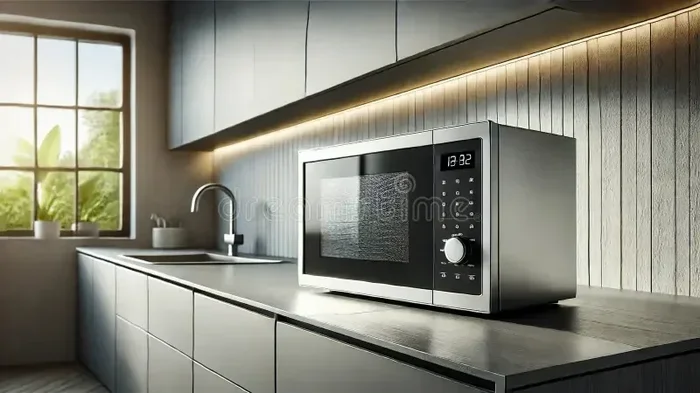
The microwave oven made its debut in the 1940s and completely transformed how people prepare meals at home. What started as a bulky commercial machine evolved into the compact, affordable microwave oven found in nearly every kitchen today. This invention, born from radar technology, sparked a kitchen revolution that still shapes the way we heat and cook food.
The microwave oven is one of those inventions we now take for granted. It sits quietly on our countertops, warming leftovers in seconds and cooking meals in minutes. But have you ever stopped to think about when did the microwave oven come out and how it grew from a strange industrial machine into the most-used kitchen appliance in the world?
The story of the microwave oven is full of surprise, innovation, and a bit of luck. A scientist walking past a radar machine noticed something strange happening to a candy bar in his pocket. That small moment led to a kitchen revolution that changed how billions of people eat every single day. Let us walk through this fascinating journey together.
Key Takeaways
- The first microwave oven appeared in 1947: It was massive, expensive, and built for commercial use, not homes.
- Percy Spencer discovered microwave cooking by accident: A chocolate bar melted in his pocket near a magnetron, sparking the idea.
- Home microwaves became affordable in the 1970s: Prices dropped from thousands of dollars to a few hundred, making them a common household appliance.
- Modern microwaves are incredibly efficient: They use magnetron technology to heat food faster than any traditional method.
- The microwave revolution changed eating habits worldwide: People could now reheat food, cook meals, and save time like never before.
- Today’s microwaves come with smart features: Inverter technology, sensor cooking, and compact designs make them more versatile than ever.
📑 Table of Contents
The Early Days of Microwave Technology
How Radar Led to a Cooking Breakthrough
The microwave oven history begins not in a kitchen but on the battlefields of World War II. During the war, scientists developed radar technology to detect enemy ships and aircraft. A key part of radar systems was the magnetron, a vacuum tube that generates microwave radiation.
After the war, many of these magnetron tubes were available for other uses. One engineer, Percy Spencer, was working with magnetron technology at Raytheon Corporation. He noticed something peculiar one day. A chocolate bar in his pocket had melted while he stood near an active magnetron.
Instead of ignoring it, Spencer got curious. He experimented further. He pointed the microwave radiation at popcorn kernels and watched them pop. Then he aimed it at an egg and, well, let us just say it exploded. These simple experiments proved that microwave energy could heat and cook food quickly.
This accidental discovery opened the door to an entirely new way of food heating. Spencer and his team at Raytheon filed a patent for a microwave cooking device in 1945. The idea was bold. The question was, could they build it?
The First Commercial Microwave Oven: The Radarange
In 1947, Raytheon introduced the first commercial microwave oven. It was called the Radarange. This machine was nothing like the compact microwave sitting on your countertop today. The Radarange stood nearly six feet tall and weighed over 750 pounds.
It needed a water cooling system to operate. It cost around $5,000 in 1947 dollars, which is roughly $60,000 today. The first units were sold to restaurants, ships, and military bases. Ordinary families had no way to afford or even fit one in their homes.
Despite its size and price, the Radarange proved a powerful concept. Microwave cooking was real. Food could be heated in seconds, not minutes. Restaurants and commercial kitchens saw the value immediately. The appliance innovation had officially begun.
Over the next decade, Raytheon and other companies continued refining the technology. The machines got slightly smaller. They became a bit more practical. But the real breakthrough would come when engineers figured out how to make them fit inside a normal home kitchen.
When Did The Microwave Oven Come Out For Home Use
The First Home Microwave Models
The big shift from commercial to domestic microwave use happened slowly through the 1950s and 1960s. Several companies tried to build smaller, home-friendly versions of the microwave oven. But early models were still too large and too expensive for most families.
In 1952, Raytheon licensed its microwave technology to the Tappan Stove Company. Tappan introduced a home model in 1955. It was still a large and costly unit, priced at about $1,295. That is over $13,000 in today’s money. Very few people bought it.
Other brands entered the market during the late 1950s. Companies like Amana and Sharp began experimenting with microwave cooking for regular households. The machines were getting smaller. The microwave price was slowly coming down. But the real turning point was still a few years away.
The 1960s: Making Microwaves More Accessible
The 1960s brought real progress. Manufacturers learned what consumers actually wanted from a kitchen appliance. They needed smaller size, lower cost, and simple controls. Companies invested heavily in microwave technology research and development.
Amana, a division of Raytheon, released the first popular home microwave oven in 1967. It was called the Radarange, but this time designed for home kitchens. It was more compact, easier to use, and priced at a more reasonable $495. That is about $4,500 today, which was still expensive but much more accessible.
This model helped spark interest in microwave cooking among American households. Restaurants and small businesses also adopted the technology quickly. The microwave revolution was building momentum, even if most homes still did not have one.
The 1970s: The Microwave Goes Mainstream
The 1970s were the decade when the microwave oven truly arrived in homes across America and around the world. Prices dropped dramatically. By the mid-1970s, a basic domestic microwave could be purchased for under $200. That is roughly $1,000 today, and it was within reach for many families.
Several factors drove this boom. First, more women entered the workforce. Families needed faster ways to prepare meals. Second, microwave cooking was heavily marketed as a time-saving solution. Third, manufacturers improved the design and safety of the machines.
By 1975, sales of microwave ovens in the United States surpassed sales of gas ranges for the first time. This was a remarkable milestone. The kitchen appliance that once cost thousands and filled an entire room now sat neatly on a countertop in millions of homes.
Japanese manufacturers like Panasonic and Sharp also played a huge role during this period. They brought advanced microwave technology to the market at competitive microwave prices. Their compact designs and reliable performance helped make the microwave oven a global phenomenon.
How Modern Microwaves Work
The Science Behind Microwave Cooking
Understanding how a microwave oven works helps you appreciate the incredible appliance innovation it represents. At the heart of every microwave is the magnetron. This component converts electrical energy into microwave radiation.
These microwaves are a form of electromagnetic radiation. They cause water molecules inside food to vibrate rapidly. This vibration creates friction, which produces heat. That is how microwave cooking warms food from the inside out.
The microwave radiation is contained within the metal cooking chamber. The metal walls reflect the waves, ensuring they bounce around and heat the food evenly. A mesh screen on the door window allows you to see inside while keeping the microwaves safely contained.
Key Components of a Microwave Oven
Every microwave oven has several essential parts that work together to cook food quickly and safely.
- Magnetron: The tube that generates microwave radiation. It is the core component that makes microwave cooking possible.
- Waveguide: A channel that directs the microwaves from the magnetron into the cooking chamber.
- Cooking Cavity: The metal interior where food is placed. It reflects microwaves to distribute heat evenly.
- Turntable: A rotating glass plate that moves food around for more uniform heating.
- Control Panel: The interface where you set cooking time, power level, and other functions.
- Safety Interlock: A system that stops the microwave from operating when the door is open, protecting users from microwave radiation exposure.
Microwave Wattage and Cooking Performance
Not all microwave ovens are the same when it comes to power. Microwave wattage determines how quickly and effectively a unit can heat food. Most home microwaves range from 600 to 1,200 watts.
Higher wattage means faster cooking time. A 1,000-watt microwave will reheat leftovers much faster than a 700-watt model. When comparing microwave brands, wattage is one of the most important specifications to consider.
Here is a simple comparison of common microwave wattage levels and what they are best for.
- 600-700 watts: Good for basic reheating and defrosting. Slower but uses less electricity.
- 800-1,000 watts: The sweet spot for most households. Handles reheating, cooking, and defrosting with ease.
- 1,000-1,200 watts: Best for fast cooking and larger families. Can handle more demanding microwave cooking tasks.
- 1,200+ watts: Found in high-end and commercial models. Delivers professional-level speed and performance.
The Microwave’s Impact on Modern Kitchens
Changing How We Cook and Eat
The microwave revolution did more than just save time. It changed the entire relationship people have with food. Before microwave ovens, reheating a meal meant turning on the oven or stove. That took time and energy. Now, a plate of food could be hot and ready in under two minutes.
This shift had a ripple effect on daily life. Busy families could prepare quick meals without spending hours in the kitchen. Students living in dorms could cook simple foods without a full stove. Office workers could bring lunch from home and reheat food at their desks.
The microwave oven also changed how food was packaged and sold. Frozen dinners, microwaveable popcorn, and pre-cooked meals became hugely popular. Entire product lines were designed specifically for microwave cooking. The grocery store aisle dedicated to microwave-safe products grew rapidly.
Energy Efficiency and Sustainability
Another major benefit of the microwave oven is its energy efficiency. A microwave uses significantly less electricity than a traditional oven or stovetop. It heats food directly rather than warming the air around it.
Studies have shown that microwave cooking can use up to 80 percent less energy than a conventional oven for small meals. This makes the microwave oven an eco-friendly choice for everyday food heating. Over time, the energy savings add up and help reduce a household’s carbon footprint.
As more people focus on sustainable living, the microwave has become an essential tool in the effort to conserve energy. Its efficiency is one reason why the microwave oven has remained so popular for over 50 years.
Safety and Health Considerations
Many people wonder about microwave safety. The good news is that modern microwaves are designed with multiple safety features. The safety interlock system prevents radiation from leaking when the door is open. The metal mesh on the door window blocks microwaves from escaping.
Health concerns about microwave cooking have been studied extensively. Research from organizations like the World Health Organization confirms that microwaves do not make food less nutritious. In fact, because microwave cooking is faster and uses less water, it can actually preserve more nutrients than boiling.
Of course, safe microwave use still matters. Always use microwave-safe containers. Avoid heating certain items like eggs in their shells or sealed containers. Follow the manufacturer’s guidelines for the best results and safest operation.
Choosing the Right Microwave Today
Types of Microwave Ovens Available
Today’s market offers several types of microwave ovens to fit different needs and budgets. Understanding the options helps you make the best choice for your kitchen.
- Countertop Microwaves: The most common and affordable type. They sit on your kitchen counter and plug into a standard outlet. Great for most households.
- Over-the-Range Microwaves: Mounted above the stove. They save counter space and often include a built-in exhaust fan and lighting.
- Built-In Microwaves: Installed into cabinets or walls for a seamless, built-in look. Popular in modern kitchen designs.
- Microwave Convection Combos: Combine microwave cooking with convection heating. These can bake, roast, and crisp food in addition to reheating.
- Compact Microwaves: Smaller units ideal for dorm rooms, offices, or small apartments. They take up minimal space but still deliver solid performance.
Top Microwave Brands to Consider
When shopping for a microwave oven, several brands stand out for quality and reliability. Panasonic, Samsung, LG, Toshiba, and Sharp are among the most trusted microwave brands on the market today.
Each brand offers unique features. Some focus on sensor cooking technology that adjusts power automatically. Others emphasize even heating through inverter technology. Reading reviews and comparing models helps you find the right microwave for your cooking style and budget.
Quick Tips for Getting the Most From Your Microwave
Here are some practical tips to help you use your microwave oven more effectively.
- Always stir or rotate food halfway through cooking for even food heating.
- Use microwave-safe glass or ceramic containers whenever possible.
- Cover food with a microwave-safe lid or damp paper towel to retain moisture.
- Let food rest for a minute after cooking to allow heat to distribute evenly.
- Clean the interior regularly to prevent odors and maintain performance.
- Adjust microwave wattage and cooking time based on the quantity of food you are heating.
Common Mistakes People Make With Microwaves
Even experienced users sometimes make mistakes that reduce microwave performance or shorten its lifespan. Here are a few to avoid.
- Using metal containers or aluminum foil, which can cause sparks and damage the magnetron.
- Overheating liquids, which can cause sudden boiling and burns.
- Running the microwave empty, which can damage the magnetron and other internal parts.
- Ignoring the user manual, which contains important safety instructions and maintenance tips.
- Placing the microwave too close to heat sources or in tight spaces that block ventilation.
The Future of Microwave Technology
The microwave oven has come a long way since Percy Spencer’s accidental discovery. Today, smart microwaves connect to Wi-Fi and can be controlled with a smartphone. Sensor cooking adjusts power levels automatically based on the food’s moisture content.
Inverter technology has transformed how microwaves deliver power. Instead of cycling on and off, an inverter provides a steady stream of microwave energy. This results in more even heating and better cooking results.
As appliance innovation continues, we can expect even more exciting developments. Some manufacturers are exploring AI-powered cooking features that learn your habits and suggest optimal settings. The microwave revolution is far from over.
The microwave oven has proven to be one of the most impactful kitchen appliance inventions in history. From its humble beginnings as a massive commercial machine to the sleek, smart compact microwave on your countertop, it has earned its place as an essential part of modern life.
Understanding the microwave oven history gives us a deeper appreciation for this remarkable household appliance. The next time you press a button and watch your meal heat up in seconds, remember the incredible journey that brought microwave cooking into your kitchen.
The story of the microwave oven is a story of human curiosity, innovation, and the drive to make everyday life better. It reminds us that sometimes the greatest inventions come from the smallest observations. A melted chocolate bar changed the world. The microwave oven changed everything.
Frequently Asked Questions
Who invented the microwave oven?
Percy Spencer, an engineer at Raytheon Corporation, invented the microwave oven in 1945. He discovered that microwave radiation could heat food while working on radar technology. His accidental observation with a melted chocolate bar led to the first patent for a cooking device using magnetron technology.
When was the first microwave oven sold commercially?
The first commercial microwave oven, called the Radarange, was introduced by Raytheon in 1947. It was a massive unit that cost around $5,000 at the time. These early machines were sold to restaurants and commercial kitchens, not to regular households.
When did microwaves become affordable for home use?
Microwave ovens became affordable for most homes in the 1970s. By the mid-1970s, prices dropped below $200, making them accessible to a wide range of families. This is when the microwave revolution truly took off in homes across America and beyond.
Is microwave cooking safe for health?
Yes, microwave cooking is safe and does not reduce the nutritional value of food. Studies from health organizations confirm that microwaves use non-ionizing radiation that does not harm food or the people preparing it. In fact, microwave cooking can preserve more nutrients than traditional boiling methods.
How does a microwave oven heat food so quickly?
A microwave oven uses a component called a magnetron to generate microwave radiation. These waves cause water molecules in food to vibrate rapidly, creating friction and heat. This direct heating method is much faster than warming food with hot air, which is why cooking time in a microwave is so short.
What should I look for when buying a microwave today?
When shopping for a microwave oven, consider wattage, size, type, and features. Higher wattage means faster heating. Choose between countertop, over-the-range, or built-in models based on your kitchen space. Look for sensor cooking and inverter technology for the best performance from modern microwave brands.
=== CONCLUSION ===
The journey of the microwave oven from a wartime radar component to a staple kitchen appliance is truly remarkable. We have explored how Percy Spencer’s accidental discovery in 1945 led to the first commercial Radarange in 1947. We watched as the technology slowly shrank in size and dropped in price. And we saw how the 1970s marked the moment the microwave oven went truly mainstream.
Today, the microwave oven is more than just a convenience. It is a reflection of how far appliance innovation has come. It represents the power of curiosity and the impact of smart engineering on everyday life. Whether you use it to reheat last night’s dinner, defrost ingredients for a recipe, or cook a full meal from scratch, the microwave has earned its place as one of the most important inventions of the modern era.
So the next time you use your microwave oven, take a moment to appreciate the incredible journey it took to get there. From radar rooms to kitchen countertops, from a massive 750-pound machine to a sleek compact microwave, the microwave revolution continues to shape the way we live, eat, and cook. The answer to when did the microwave oven come out is clear. It came out to change everything.