How Long To Cook Pollock In Oven For Perfect Results
Learning how long to cook pollock in oven is simple once you know the right temperature and timing. Most pollock fillets bake beautifully at 400°F for 12 to 20 minutes, depending on thickness and whether they are fresh or frozen. This guide covers every detail you need for juicy, flaky, and flavorful results every single time.
There is something truly wonderful about a simple oven-baked fish dinner. It is fast, healthy, and incredibly satisfying. How long to cook pollock in oven is one of the most common questions home cooks ask, and the answer is easier than you might think.
Pollock is a mild, white fish that is affordable and packed with protein. It is a fantastic choice for weeknight meals. Whether you prefer a crispy breaded version or a simple lemon butter bake, this guide has everything you need. You will learn the exact cooking times, temperatures, and pro tips that turn ordinary fish into a family favorite.
By the end of this article, you will never second-guess your pollock oven recipe again. Let us dive in and make your next fish dinner a guaranteed success.
Key Takeaways
- Standard Baking Time: Most pollock fillets cook perfectly in 12 to 20 minutes at 400°F.
- Thickness Matters: Thicker fillets need more time, while thin pieces cook faster and can dry out.
- Internal Temperature: The fish is done when it reaches 145°F internally and flakes easily with a fork.
- Fresh vs. Frozen: Frozen pollock needs extra thawing time or longer baking, but fresh pollock gives the best texture.
- Simple Seasonings Work Best: Lemon, butter, garlic, and herbs bring out the natural flavor of pollock.
- Avoid Overcooking: Overcooked pollock becomes dry and tough, so watch it closely toward the end.
- Easy Cleanup: Using parchment paper or foil makes baking pollock mess-free and convenient.
📑 Table of Contents
- Understanding Pollock and Why It Is Great for Oven Cooking
- How Long to Cook Pollock In Oven: The Complete Guide
- Best Oven Temperature for Cooking Pollock
- Step-by-Step: How to Bake Pollock in the Oven
- Common Mistakes to Avoid When Baking Pollock
- Delicious Pollock Recipes to Try Tonight
- Expert Tips for Perfectly Baked Pollock Every Time
- Frequently Asked Questions
- Final Thoughts on Baking Pollock
Understanding Pollock and Why It Is Great for Oven Cooking
Pollock is a mild-flavored white fish found in oceans around the world. It is a close relative of cod and haddock. Many people choose pollock because it is budget-friendly and widely available in fresh and frozen forms.
What Makes Pollock Ideal for the Oven?
Baked pollock is one of the simplest ways to prepare this fish. Here is why it works so well:
- Thin Fillets Cook Fast: Most pollock fillets are thin, which means they bake quickly and evenly.
- Mild Flavor Absorbs Seasonings: Pollock takes on whatever flavors you pair it with beautifully.
- High Protein, Low Fat: It is a healthy choice for those watching their calorie intake.
- Versatile Cooking Methods: You can bake, broil, or even air-fry pollock with great results.
- Affordable Seafood Option: It costs less than salmon or tuna, making it perfect for regular meals.
When you bake white fish in the oven, you retain more nutrients than frying. The gentle heat keeps the flesh moist and tender. This is why so many home cooks reach for pollock when they want a healthy fish dinner on the table in under 30 minutes.
How Long to Cook Pollock In Oven: The Complete Guide
The short answer to how long to cook pollock in oven depends on a few key factors. The thickness of the fillet, whether it is fresh or frozen, and your desired level of crispiness all play a role. Let us break it down completely.
Standard Baking Time at 400°F
For most pollock fillets, baking at 400°F is the sweet spot. Here is a general timeline:
- Thin fillets (less than 1/2 inch): 10 to 12 minutes
- Medium fillets (1/2 to 3/4 inch): 12 to 15 minutes
- Thick fillets (1 inch or more): 15 to 20 minutes
- Breaded pollock: 15 to 20 minutes at 400°F
- Frozen pollock (unthawed): 20 to 25 minutes at 400°F
These times are guidelines. Always check the fish a couple of minutes before the minimum time. Every oven runs slightly differently, and you want to avoid overcooking.
What Internal Temperature Should Pollock Reach?
The fish internal temperature for perfectly cooked pollock is 145°F. Use a meat thermometer inserted into the thickest part of the fillet. When the fish reaches this temperature, it should be opaque and flake easily with a fork.
If you do not have a thermometer, look for these visual signs:
- The flesh turns from translucent to solid white
- The fish flakes apart gently when pressed with a fork
- The texture looks moist but not glossy or raw
Comparison Table: Fresh vs. Frozen Pollock Cooking Times
Not sure how your frozen pollock compares to fresh? Here is a helpful comparison.
| Factor | Fresh Pollock | Frozen Pollock |
|---|---|---|
| Recommended Oven Temp | 400°F | 400°F |
| Average Cooking Time | 12 to 15 minutes | 20 to 25 minutes |
| Best Results | Moist, tender texture | Slightly denser but still delicious |
| Seasoning Absorption | Excellent | Good, but thaw first for best results |
| Thawing Needed | No | Thaw 30 minutes at room temp or overnight in fridge |
| Risk of Overcooking | Low to medium | Higher if not thawed properly |
Thawing frozen pollock before baking is the best practice. Place it in the refrigerator overnight or run it under cold water for 15 to 20 minutes. Thawed fish cooks more evenly and absorbs seasonings better.
Best Oven Temperature for Cooking Pollock
Temperature is just as important as time when you are figuring out how long to cook pollock in oven. Too high and the outside burns before the inside cooks. Too low and the fish dries out.
Why 400°F Is the Gold Standard
400°F is the most recommended temperature for baking pollock. Here is why it works so well:
- It cooks the fish through quickly without drying it out
- It creates a light golden crust on breaded or seasoned fillets
- It keeps the inside moist and flaky
- It works well for both thin and moderately thick fillets
Alternative Temperatures and When to Use Them
Sometimes you might want to adjust the temperature. Here are a few options:
- 375°F: Great for slower, gentler cooking. Use this for thicker fillets or when you want a more tender result.
- 425°F: Best for thin fillets or when you want a crispy, quick bake. Reduce cooking time slightly.
- 350°F: Good for breaded pollock that needs longer, slower cooking to prevent the coating from burning.
The key is matching the temperature to the thickness and preparation style of your pollock fillets.
Step-by-Step: How to Bake Pollock in the Oven
Ready to bake your oven-baked fish? Follow these simple steps for perfect results every time.
Step 1: Preheat Your Oven
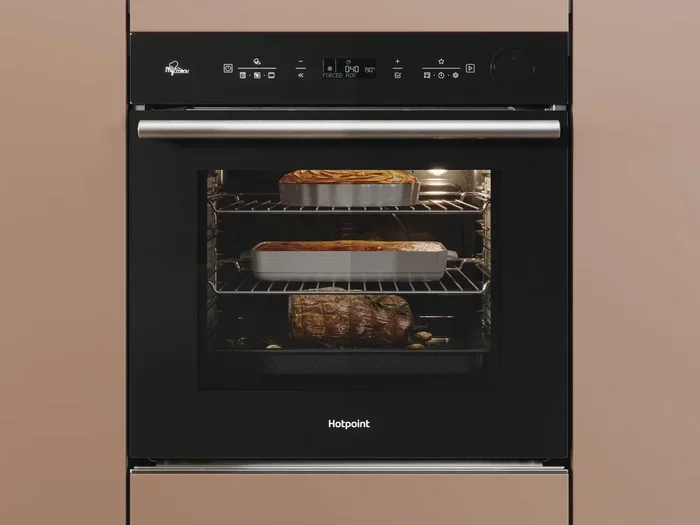
Start by preheating your oven to 400°F. Give it at least 10 to 15 minutes to reach the right temperature. A properly preheated oven ensures even cooking from the start.
Step 2: Prepare the Pollock Fillets
If you are using fresh pollock fillets, pat them dry with paper towels. This helps the skin crisp up and prevents excess moisture. If using frozen pollock, make sure it is fully thawed first.
Step 3: Season Generously
Seasoning is where you can get creative. Here are some easy and delicious options:
- Lemon Butter: Melted butter, fresh lemon juice, garlic, and a pinch of salt
- Herb Crust: Olive oil, parsley, dill, thyme, and breadcrumbs
- Simple & Healthy: Olive oil, salt, pepper, and a squeeze of lime
- Spicy Kick: Paprika, cayenne pepper, garlic powder, and a drizzle of honey
Step 4: Arrange on a Baking Sheet
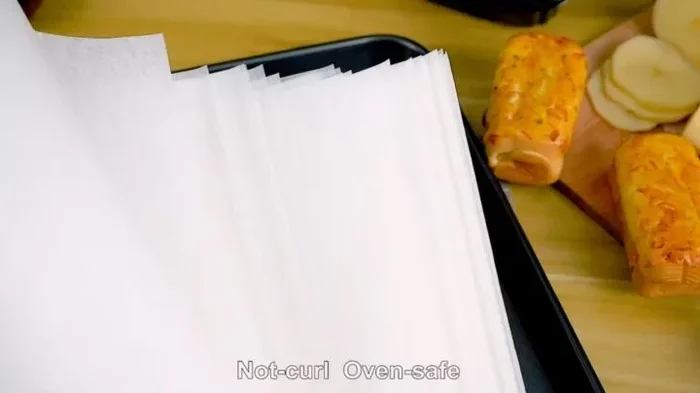
Line a baking sheet with parchment paper or foil for easy cleanup. Place the fillets in a single layer with space between them. Overcrowding the pan traps steam and prevents crispy edges.
Step 5: Bake and Monitor
Place the baking sheet in the center of the oven. Set a timer for 10 minutes and check the fish. Use the fish internal temperature of 145°F as your guide. The fish should be opaque and flaky when done.
Step 6: Rest and Serve
Let the baked pollock rest for 2 to 3 minutes before serving. This allows the juices to redistribute, making every bite more flavorful. Serve with rice, vegetables, or a fresh salad for a complete meal.
Common Mistakes to Avoid When Baking Pollock
Even experienced cooks make mistakes with pollock oven recipes. Here are the most common ones and how to avoid them.
Overcooking the Fish
This is the number one mistake people make with white fish. Pollock dries out quickly once it passes the ideal cooking point. Set a timer and check the fish early. It is always better to pull it out a minute early and let it rest than to overcook it.
Skipping the Parchment Paper
Baking pollock directly on a bare sheet pan causes sticking and makes cleanup a nightmare. Parchment paper or a light coating of oil solves this problem instantly.
Not Thawing Frozen Pollock Properly
Cooking frozen pollock straight from the freezer leads to uneven results. The outside may be overcooked while the center remains icy. Always thaw your frozen pollock in the refrigerator or under cold running water before baking.
Using Too Much or Too Little Seasoning
Pollock has a delicate flavor. Too little seasoning makes it bland, while too much overpowering spice masks its natural taste. Keep it simple and let the fish shine.
Delicious Pollock Recipes to Try Tonight
Now that you know how long to cook pollock in oven, it is time to try some recipes. Here are three favorites that are guaranteed crowd-pleasers.
Lemon Butter Pollock
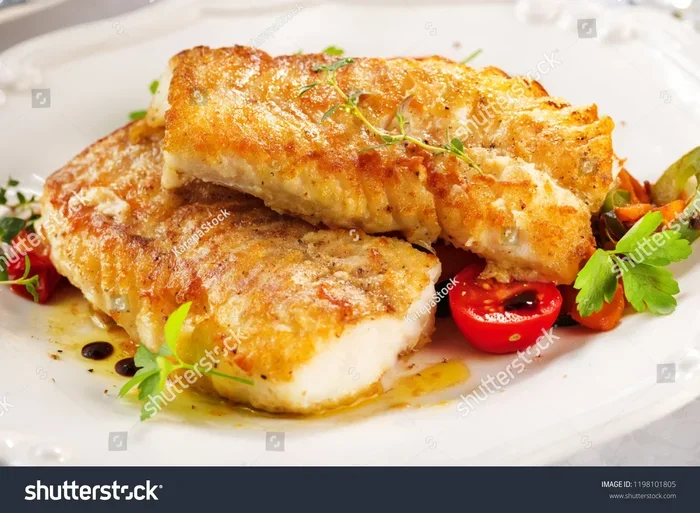
This recipe takes just 15 minutes from start to finish. Melt a few tablespoons of butter, squeeze in fresh lemon juice, and add minced garlic. Pour the mixture over your seasoned fillets and bake at 400°F for 12 to 15 minutes. Finish with fresh parsley and serve immediately.
Crunchy Breaded Pollock
For a crispy texture, dip your fillets in beaten egg, then coat them in seasoned breadcrumbs or panko. Place them on a lightly oiled baking sheet and bake at 400°F for 18 to 20 minutes. Flip halfway through for even browning. This is a healthier version of fried fish that tastes just as good.
Pollock with Roasted Vegetables
Make a complete meal in one pan. Toss chopped vegetables like zucchini, bell peppers, and cherry tomatoes with olive oil and seasoning. Spread them on a baking sheet, then place your seasoned pollock fillets on top. Bake everything together at 400°F for 15 to 20 minutes. The vegetables roast beautifully alongside the fish.
Expert Tips for Perfectly Baked Pollock Every Time
How long to cook pollock in oven is just one piece of the puzzle. These expert tips will elevate your fish cooking game to the next level.
Use the Rack Position Wisely
Always bake pollock on the center rack of your oven. This ensures hot air circulates evenly around the fish. The top or bottom racks can cause uneven cooking and burning.
Let the Fish Come to Room Temperature
Take your pollock fillets out of the refrigerator 10 to 15 minutes before baking. Room-temperature fish cooks more evenly than cold fish straight from the fridge. This small step makes a big difference in the final texture.
Do Not Overcrowd the Pan
Give each fillet at least an inch of space on the baking sheet. Crowding creates steam pockets that make the fish soggy instead of crispy. If you are cooking multiple fillets, use two baking sheets.
Add a Light Coating of Oil
A thin brush of olive oil on top of the fillet prevents drying and helps seasonings stick. This is especially helpful for plain or lightly seasoned baked pollock.
Fresh Herbs Make a Difference
If you can, use fresh herbs like dill, parsley, or thyme instead of dried. Fresh herbs release more flavor during baking and give your seafood in the oven a restaurant-quality taste.
Frequently Asked Questions
Can I cook pollock at a lower temperature like 350°F?
Yes, you can bake pollock at 350°F, but it will take longer, usually around 20 to 25 minutes. Lower temperatures work well for thicker or breaded fillets. Just make sure the internal temperature reaches 145°F before serving.
How do I know if my pollock is fully cooked?
The best way to check is with a meat thermometer. Pollock is done when it reaches 145°F internally. You can also check visually. Fully cooked fish is opaque white and flakes easily when you press it with a fork.
Is it better to bake pollock covered or uncovered?
For most recipes, baking pollock uncovered is best. It allows the top to become lightly golden and crispy. If you find your fish drying out, you can cover it loosely with foil for the first half of cooking, then uncover it for the rest.
Can I reheat leftover baked pollock in the oven?
Absolutely. Reheat leftover baked pollock at 300°F for about 8 to 10 minutes. Cover it with foil to retain moisture. Avoid microwaving if possible, as it can make the fish rubbery and tough.
What is the best seasoning for baked pollock?
Lemon butter, garlic and herb, and simple salt and pepper are all excellent choices for pollock fillets. The mild flavor of pollock pairs well with almost any seasoning. Fresh herbs like dill and parsley are especially popular with white fish.
How long can I store leftover cooked pollock?
Cooked pollock keeps in the refrigerator for up to 3 days. Store it in an airtight container to maintain freshness. Reheat gently in the oven for the best texture and taste.
Final Thoughts on Baking Pollock
Learning how long to cook pollock in oven opens the door to quick, healthy, and delicious meals any night of the week. With the right temperature, timing, and a little seasoning, you can turn a simple fillet into a memorable dinner. Baked pollock is one of the easiest seafood dishes to master, and once you nail the technique, you will reach for it again and again.
Remember the key points. Bake at 400°F for 12 to 20 minutes depending on thickness. Always check that the internal temperature reaches 145°F. Use parchment paper for easy cleanup. And most importantly, do not be afraid to experiment with flavors and seasonings.
The beauty of oven-baked fish is its simplicity. You need minimal ingredients, very little prep time, and one pan to clean afterward. Whether you are cooking for one or feeding a whole family, pollock delivers every single time.
So preheat that oven, grab some pollock fillets, and get cooking. Your perfect fish dinner is just minutes away. You have got this, and your taste buds are going to thank you.