How To Reheat Fries And Chicken Tenders In The Oven
Reheating fries and chicken tenders in the oven is the best method to bring back that crispy, golden texture. This guide shows you exactly how to reheat fries and chicken tenders in oven settings so every bite tastes fresh. You will learn the right temperatures, timing, and pro tips that make a huge difference. Say goodbye to soggy leftovers and hello to restaurant-quality reheated food.
There is nothing quite like biting into a crispy fries and tender chicken strips. But when you have leftovers from last night, the experience can feel totally different. A sad, soggy fry and rubbery chicken tender are nobody’s idea of a good meal.
The good news is that your oven can work magic. Whether you reheated pizza or saved a full meal, the oven method brings back the crunch and flavor like nothing else. This guide will walk you through every step to reheat fries and chicken tenders in oven settings so the results taste almost as good as fresh.
You do not need any fancy equipment. Just your oven, a baking sheet, and a wire rack. That is all it takes to turn yesterday’s leftovers into today’s delicious meal. Let us dive in and make your leftovers taste amazing again.
Key Takeaways
- Use 400°F oven temperature: This heat level restores crispiness without burning the coating or drying out the chicken.
- Always use a wire rack: Placing food on a rack over a baking sheet lets hot air circulate evenly for perfectly crispy fries.
- Add a light oil spray: A quick spritz of oil on fries brings back the crunch and prevents them from drying out.
- Reheat for 8 to 12 minutes: Timing varies based on quantity, so check food at the halfway point for best results.
- Avoid the microwave: The microwave makes fries soggy and chicken rubbery. The oven is always the better choice.
- Let food rest after reheating: Resting for 2 to 3 minutes helps heat distribute evenly and keeps the crust intact.
- Parchment paper helps cleanup: It prevents sticking and makes the whole reheating process easier and faster.
📑 Table of Contents
- Why Oven Reheating Is The Best Method
- Best Oven Temperature For Reheating Fries And Chicken Tenders
- Step By Step Guide To Reheating Fries And Chicken Tenders
- Common Mistakes People Make When Reheating Fries And Chicken
- How To Keep Reheated Fries And Chicken Crispy
- Pro Tips From The Experts
- Reheating Frozen Fries And Chicken Tenders In The Oven
- How Reheating Compares To Fresh Cooking
- Frequently Asked Questions
Why Oven Reheating Is The Best Method
When you are hungry and want fast food, the microwave seems like the easiest option. But the microwave is the enemy of crispy food. It uses steam to heat things up, and steam is exactly what makes fries limp and chicken tough. The oven works completely differently.
Ovens use dry heat. This dry heat surrounds the food evenly and crisps up the outer layer. Think about it. When you first cook fries and tenders, you bake them or fry them in hot air or oil. The oven recreates that same environment. It brings back the golden brown crust without overcooking the inside.
Here is why the oven wins every time:
- Even heat distribution: The oven warms food from all sides at once. No cold spots, no uneven heating.
- Crispy texture restored: Dry heat removes moisture from the surface, which creates that satisfying crunch.
- Moisture retained inside: While the outside gets crispy, the inside stays juicy and tender.
- No microwave taste: You avoid that weird, rubbery texture that microwaves leave behind on chicken.
- Works for large batches: You can reheat a full sheet pan of fries and tenders at once.
Compared to other methods like the stovetop or air fryer, the oven gives you consistent results every single time. An air fryer works great too, but most people already have an oven. You do not need to buy extra equipment to get fantastic results.
Best Oven Temperature For Reheating Fries And Chicken Tenders
Temperature is the single most important factor when you reheat fries and chicken tenders in oven setups. Too low and the food steams instead of crisping. Too high and the outside burns before the inside warms through. Getting the right temperature makes all the difference.
The Ideal Temperature: 400°F
Set your oven to 400°F (200°C). This is the sweet spot for reheating fried and baked chicken tenders along with fries. At this temperature, the exterior heats up fast enough to crisp the coating while the interior warms to a safe temperature.
Here is why 400°F works so well:
- Fast preheating: Your oven reaches this temperature in about 10 to 15 minutes.
- Maillard reaction: This is the scientific term for browning. At 400°F, the sugars and proteins on the food’s surface react and create that delicious golden color and flavor.
- Moisture evaporation: The high heat quickly evaporates surface moisture, which is exactly what creates crispiness.
- Safe internal temperature: Chicken reaches 165°F internally within this time frame, making it safe to eat.
Can You Reheat At A Lower Temperature?
Yes, you can use 375°F if you prefer a gentler approach. This works well if you are reheating a large quantity and want to avoid any risk of burning. The tradeoff is that it takes a few extra minutes. The fries may not get quite as crispy, but the chicken will still heat through evenly.
Avoid temperatures below 350°F. At lower temperatures, the food steams rather than crisps. You will end up with the same soggy results you were trying to avoid. Always preheat your oven before placing food inside. Putting cold food into a cold oven leads to uneven heating and poor texture.
Step By Step Guide To Reheating Fries And Chicken Tenders
Now that you know the temperature, let us walk through the full process. Follow these steps carefully and you will get amazing results every time.
Step 1: Preheat Your Oven
Turn your oven on and set it to 400°F. Give it at least 10 to 15 minutes to reach the target temperature. Preheating is not optional. It is essential for getting that immediate crispy response when the food hits the hot surface.
While your oven is warming up, take the fries and chicken tenders out of the refrigerator. Let them sit at room temperature for about 5 to 10 minutes. Cold food placed in a hot oven takes longer to heat through, which can dry out the chicken by the time the center is warm.
Step 2: Prepare Your Baking Sheet
Line a baking sheet with parchment paper or aluminum foil. Parchment paper is the better choice because it prevents sticking and makes cleanup a breeze. If you do not have parchment paper, a light coating of cooking spray on the sheet works too.
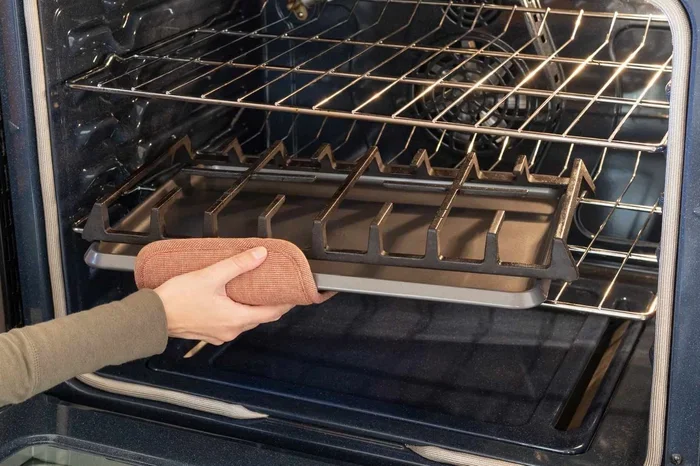
Place a wire rack on top of the baking sheet. The wire rack is the secret weapon here. It allows hot air to flow underneath the fries and tenders, which means the bottom side crisps up just as much as the top. Without a rack, the food sits in its own steam and gets soggy.
Step 3: Arrange The Food Properly
Spread the fries out in a single layer on the rack. Do not pile them up or crowd them together. Overcrowding traps steam and prevents crisping. If you have a lot of fries, use two baking sheets or reheat in batches.
Place the chicken tenders on the rack alongside the fries or on a separate sheet. Leave space between each tender so the hot air reaches every piece. A little gap goes a long way toward even heating.
Step 4: Lightly Oil The Fries
Grab a cooking spray bottle and give the fries a light mist of oil. You do not need a lot. Just a thin, even coat. This step brings back the crispiness by helping the surface dehydrate slightly in the oven heat.
If you do not have a spray bottle, use a small amount of olive oil on your fingers and dab it lightly over the fries. Avoid using too much oil. You are not cooking them from scratch. You just want enough to restore the crunch.
Step 5: Reheat For 8 To 12 Minutes
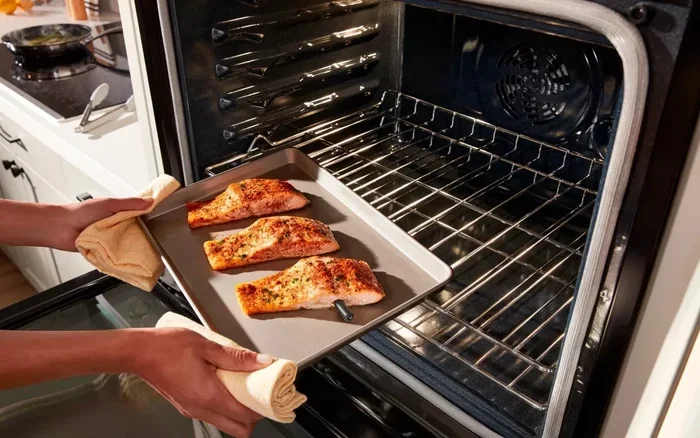
Place the baking sheet on the middle rack of your oven. Set a timer for 8 minutes. At the 8-minute mark, open the oven and check the food. Flip the fries over and check the chicken tenders.
If the fries look pale or soft, give them another 2 to 3 minutes. If the chicken still feels cool in the thickest part, add a few more minutes. Most batches will be done within 10 to 12 minutes total.
Use tongs to flip the fries gently. Be careful when handling the hot baking sheet. The chicken tenders should reach an internal temperature of 165°F. Use a meat thermometer if you want to be completely sure.
Step 6: Rest And Serve
Remove the baking sheet from the oven and let the food rest for 2 to 3 minutes. This resting period allows the heat to distribute evenly throughout each piece. It also lets the crust firm up, which means less crumbling when you pick them up.
Serve immediately for the best texture. Reheated fries and chicken tenders do not hold their quality for very long. Eat them right away while they are still warm and crispy. Pair them with your favorite dipping sauces and enjoy a meal that tastes almost as good as the first time around.
Common Mistakes People Make When Reheating Fries And Chicken
Even with the best intentions, it is easy to make mistakes that ruin your leftovers. Here are the most common errors and how to avoid them.
Using The Microwave Instead Of The Oven
This is the number one mistake people make. The microwave is fast, but it destroys the texture of fried foods. Microwaves heat water molecules inside the food, which creates steam. Steam softens the crispy coating and makes fries limp. The chicken becomes rubbery and chewy. Skip the microwave entirely when you want great results.
Overcrowding The Baking Sheet
It is tempting to fit everything on one sheet to save time. But overcrowding creates a steam trap. The fries and chicken steam instead of bake, and you end up with soggy food. Give each piece room to breathe. Use two sheet pans if you need to. The extra dishwashing is worth the crispy results.
Skipping The Preheat
Some people put food in a cold oven and let it heat up together. This is a bad idea for reheating crispy foods. A gradual temperature increase causes the food to steam slowly, which defeats the whole purpose. Always preheat fully before adding your fries and tenders.
Using Too Much Oil
A light spray is all you need. Drowning the fries in oil makes them greasy and heavy. The excess oil absorbs into the coating and creates a soggy, heavy texture. Less is more when it comes to reheating. You are not cooking from scratch. You are just restoring what is already there.
Not Flipping The Fries
Fries cooked in a single layer on a rack can still have one side that heats unevenly. Flipping them halfway through ensures both sides get crispy. This small step takes only seconds but makes a noticeable difference in the final result.
How To Keep Reheated Fries And Chicken Crispy
Getting the food crispy is one thing. Keeping it crispy after it comes out of the oven is another challenge. Here are some tips to maintain that perfect texture.
Serve Immediately
Reheated fries and chicken tenders start losing their crispiness within minutes of coming out of the oven. The residual heat continues to create steam, which softens the coating. Serve right away and do not let the food sit on the plate for too long.
Use A Wire Rack For Serving
Do not pile the food on a plate. Place it on a wire cooling rack or a plate with a raised edge. This keeps air flowing underneath and prevents the bottom from getting soggy from trapped steam.
Store Leftovers Properly
If you have leftovers after this reheating session, store them correctly. Do not leave cooked chicken and fries at room temperature for more than two hours. Place them in an airtight container in the refrigerator. When you are ready to reheat again, follow the same oven method for best results.
Avoid Covering The Food
Do not cover the fries and chicken with foil or a lid while they rest. Trapped moisture will soften the crust. Let them breathe uncovered so the surface stays dry and crispy.
Pro Tips From The Experts
Here are some extra tips that separate good reheating results from great ones. These small adjustments can elevate your leftover meal significantly.
Tip 1: Use a meat thermometer. Food safety matters. Check that the thickest part of the chicken tender reaches 165°F internal temperature. This ensures the chicken is fully heated through and safe to eat.
Tip 2: Add a little cornstarch. If you are reheating fries that have already gone slightly soft, toss them with a tiny bit of cornstarch before putting them in the oven. The cornstarch absorbs surface moisture and helps restore the crunch.
Tip 3: Season after reheating. Salt and seasonings taste better on warm food. Add a pinch of salt, garlic powder, or paprika right after the food comes out of the oven while it is still hot. The flavors will stick better and enhance the overall taste.
Tip 4: Double reheat if needed. If you have a large batch and the first round leaves some pieces slightly underdone, give them another 2 to 3 minutes. It is better to do a short second round than to serve food that is not fully heated.
Tip 5: Keep the oven door slightly ajar for the last minute. This allows excess moisture to escape and helps maintain crispiness. Just crack the door open about an inch and let the heat do the work.
Reheating Frozen Fries And Chicken Tenders In The Oven
What if your leftovers have been in the freezer instead of the refrigerator? Frozen food needs a slightly different approach. You can still use the oven method, but you need to adjust the timing and temperature slightly.
Preheat the oven to 400°F just like before. However, do not let the food thaw on the counter first. Place the frozen fries and chicken tenders directly on the lined baking sheet with the wire rack. The frozen moisture actually helps create steam during the initial heating phase, which can partially thaw the food from the inside out.
Increase the reheating time to 15 to 20 minutes. Check and flip the fries at the 10-minute mark. Frozen chicken tenders may need the full 20 minutes to reach a safe internal temperature. Use a meat thermometer to confirm the center has reached 165°F.
The key difference with frozen food is patience. Rushing the process by increasing the temperature will burn the outside while leaving the inside frozen. Stick with 400°F and give it the extra time it needs. The results will still be delicious and crispy.
How Reheating Compares To Fresh Cooking
Let us be honest. Reheated fries and chicken tenders will never be exactly the same as fresh out of the fryer or oven. The texture will be slightly different, and the flavor will not be quite as vibrant. But with the right technique, the difference becomes minimal. Most people cannot tell the difference between properly reheated food and freshly cooked food.
The oven method preserves the structural integrity of the food far better than any other method. The coating stays intact, the inside remains moist, and the exterior retains its crunch. For a reheated meal, that is as close to perfection as you can get.
If you are comparing oven reheating to other methods, here is a quick look at how they stack up:
- Microwave: Fastest but worst texture. Fries become soggy and chicken turns rubbery.
- Stovetop skillet: Good for chicken tenders but messy for fries. Requires more attention and oil.
- Air fryer: Excellent results similar to oven but with a smaller batch capacity.
- Oven: Best overall method for large batches with consistent crispy results.
The oven gives you the most control and the best results for both fries and chicken tenders together. It is the clear winner for reheating a full meal.
Frequently Asked Questions
Can I Reheat Fries And Chicken Tenders Together In The Same Oven?
Yes, you absolutely can. Fries and chicken tenders reheat well together in the same oven at 400°F. Just make sure to arrange them in a single layer on the wire rack with enough space between pieces. They will both be ready in about 10 to 12 minutes.
How Long Can I Store Reheated Fries And Chicken Tenders?
Store leftover fries and chicken tenders in an airtight container in the refrigerator for up to 3 to 4 days. After that, the quality drops significantly and food safety becomes a concern. Always reheat within this time frame for the best taste and texture.
Can I Reheat Fries And Chicken Tenders More Than Once?
Technically you can, but it is not recommended. Each reheating cycle further breaks down the texture and moisture content. The fries will get progressively soggier and the chicken will dry out. Reheat only what you plan to eat in one sitting.
Do I Need To Use Parchment Paper Or Can I Use Aluminum Foil?
Both work fine, but parchment paper is the better choice. It prevents sticking naturally without the need for cooking spray. Aluminum foil works too, but food tends to stick more to foil. If you use foil, lightly grease it before placing the food on the rack.
Why Are My Reheated Fries Soggy Even After Using The Oven?
The most common reason is overcrowding the pan or skipping the wire rack. Without proper air circulation, steam gets trapped and softens the fries. Another reason is not preheating the oven long enough. Make sure your oven reaches 400°F before the food goes in.
What Temperature Should Chicken Tenders Reach When Reheated?
Chicken tenders should reach an internal temperature of 165°F when reheated. This ensures the chicken is heated through and safe to eat. Use a digital meat thermometer inserted into the thickest part of the tender to check the temperature accurately.